SEO Title: Get OTP Easily with OTPGET for Easy Account Verification Online
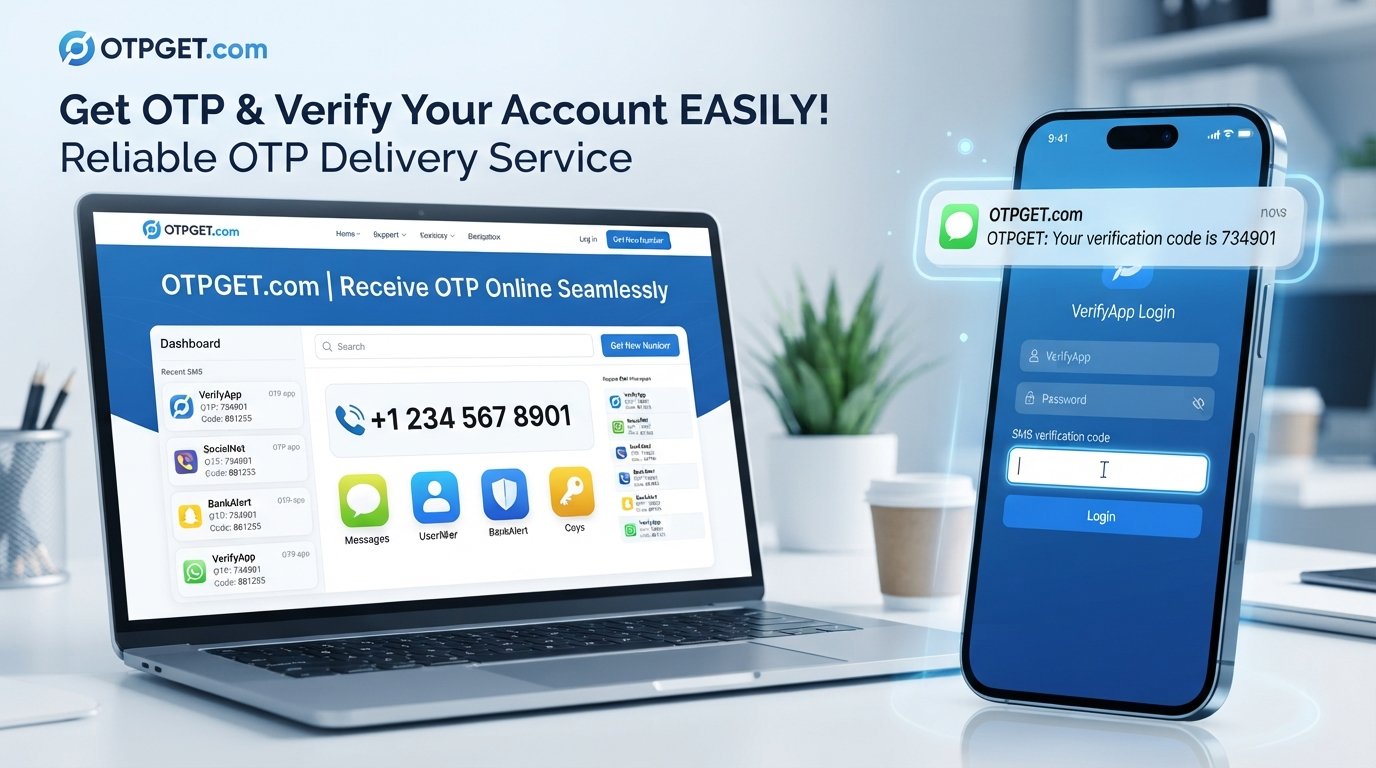
Get OTP and Verify Your Account the Easy Way
Getting a verification code should be simple. You enter your phone number, wait for an SMS, type in the OTP, and continue. Yet sometimes the message does not arrive when expected, the network is unreliable, or repeated requests make the process more frustrating than it needs to be.
OTP verification is an important part of modern online security, but receiving the actual code can occasionally become a barrier. Whether you are signing up for an online service, confirming a login, or completing account verification, having a practical way to receive verification messages can make the experience much smoother.
That is where OTPGET can be useful. Instead of treating OTP delivery as an afterthought, it provides a practical approach for people who need convenient access to verification messages. In this guide, you will learn how OTPs work, why delivery can sometimes fail, and how OTPGET can simplify the overall verification process.
Why OTP Verification Matters
An OTP, or one-time password, is a temporary verification code used to confirm that a person can access a particular phone number or verification channel. Unlike a permanent password, an OTP is generally intended for a single verification event and has a limited validity period.
Websites and online services use OTP verification for several reasons. It can add another layer of account protection, confirm a user's phone number, and help reduce certain types of unauthorized access.
Common uses include:
- Confirming a new account
- Verifying a phone number
- Confirming a login
- Completing online registration
- Approving specific account actions
- Supporting fraud-prevention processes
SMS verification is one of the most familiar forms of OTP delivery. A service sends an SMS OTP to the designated number, and the user enters the verification code into the appropriate field.
For legitimate users, this process can be quick and straightforward—provided the message arrives reliably.
Why Getting an OTP Is Sometimes Difficult
The basic OTP process sounds simple, but several practical issues can interfere with delivery.
A delayed SMS is one of the most common problems. Mobile networks can experience congestion or temporary delivery issues, meaning a verification message may arrive later than expected.
Other potential problems include:
- An incorrectly entered phone number
- Poor network connectivity
- Temporary SMS delivery delays
- A device that cannot currently receive messages
- International verification complications
- Requesting multiple codes too quickly
- Entering an older code after a newer one has been issued
Repeatedly pressing “send code again” can sometimes make things more confusing because a newly generated OTP may invalidate an earlier one.
These issues do not necessarily mean the verification system is broken. They simply show why having a convenient OTP receiving option can be valuable when completing legitimate online verification.
What Is an OTP and How Does It Work?
OTP stands for one-time password. It is commonly used as a temporary verification code rather than as a permanent login credential.
For a typical SMS-based verification process, the steps look like this:
- Enter a phone number: You provide the number requested by the service.
- Request verification: The website or application generates a verification code.
- Receive the OTP: The service sends the code through SMS or another supported channel.
- Enter the code: You type the received verification code into the verification field.
- Complete verification: If the code is valid, the service confirms the requested action.
This is why terms such as “get verification code,” “receive OTP,” and “SMS verification” are closely connected. They all describe different parts of the same basic process.
The important point is that the OTP should be treated as sensitive information. A verification code is intended for the person completing the legitimate verification process and should not be shared with someone else.
How to Get OTP More Easily
If you need to get OTP for a legitimate account verification process, start by checking the basics. Make sure the phone number is correct, your device can receive messages, and your network connection is working properly.
It is also worth waiting briefly before requesting another code. Multiple requests can create confusion if several verification codes are generated close together.
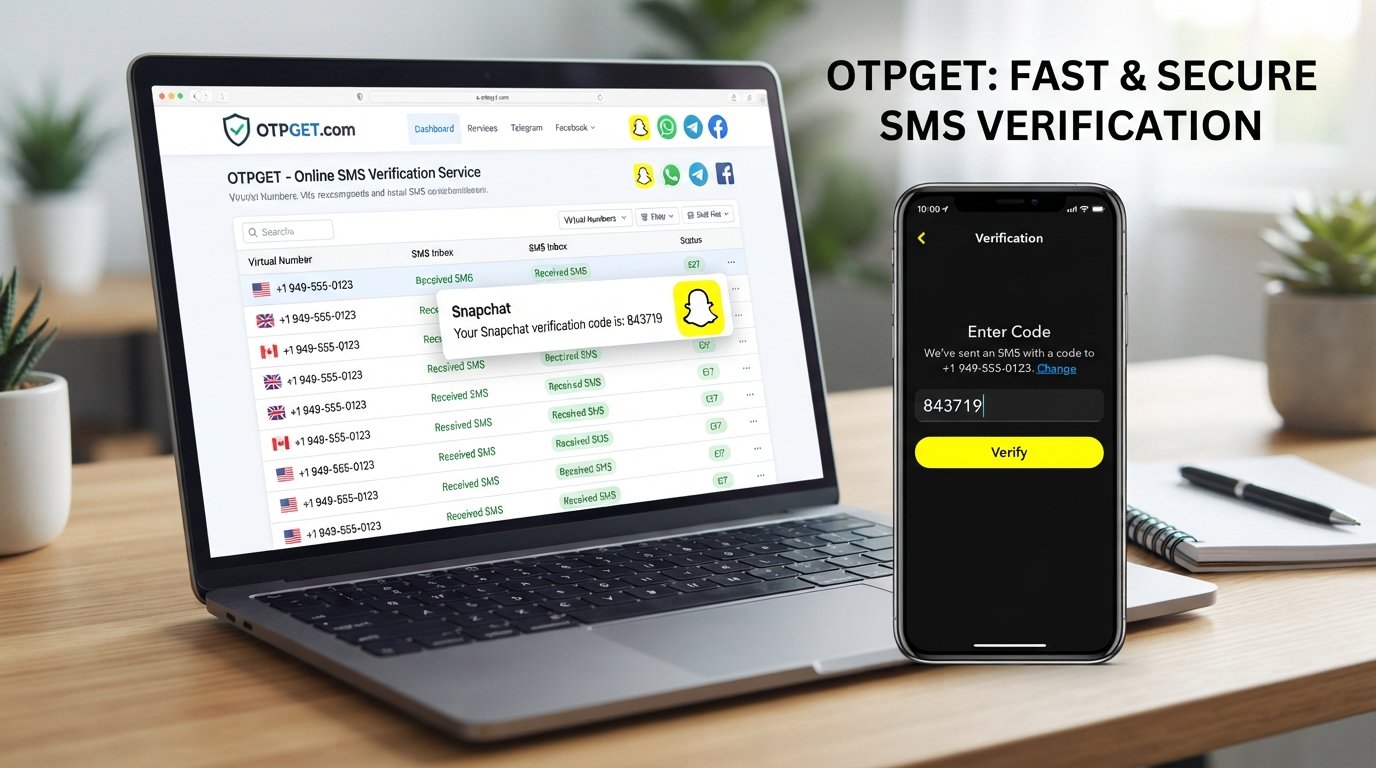
For users who need a more convenient approach to receiving verification messages, an OTP receiving service can simplify the workflow. OTPGET is designed around this practical need, giving users a straightforward option for accessing verification messages when appropriate.
The goal is not to bypass legitimate security controls. Instead, the value comes from making the OTP receiving part of an authorized verification process more convenient and manageable.
How OTPGET Simplifies Account Verification
OTPGET is positioned as a practical solution for users who want an easier way to handle OTP-based verification.
The main advantage is convenience. Rather than spending unnecessary time troubleshooting why a verification message has not arrived, users can use a dedicated OTP receiving solution as part of an appropriate online verification workflow.
Depending on the service and verification scenario, the process can involve selecting an available verification option, using it with the supported service, and accessing the resulting verification message.
OTPGET can be particularly useful when the main challenge is simply getting access to the verification SMS needed to continue.
Its value can be summarized in a few simple ideas:
- Less friction: A more straightforward approach to receiving verification messages.
- Convenient access: A practical option for SMS-based verification workflows.
- Simpler process: Fewer unnecessary steps between requesting and entering a code.
- Useful for online services: Suitable for legitimate account and phone verification scenarios where supported.
- Better workflow: Keeps the focus on completing verification rather than repeatedly troubleshooting message delivery.
As with any verification service, users should follow the rules and requirements of the website or application they are verifying.
A Simple OTP Verification Process
If you are using OTPGET as part of a legitimate verification process, the general workflow can be kept simple:
- Choose the service you need to verify.
Start with the website or application where you need to complete account verification. - Follow its verification instructions.
Enter the requested information and reach the phone or SMS verification step. - Use an appropriate OTPGET option.
Select a suitable option based on the service's requirements and OTPGET's available functionality. - Request the verification code.
Allow the service to generate and send the OTP. - Receive the verification message.
Check for the incoming SMS verification code through the applicable OTP receiving workflow. - Enter the latest OTP.
Carefully enter the current code into the verification field. - Complete the process.
Once the service accepts the code, continue with the account setup, login, or other authorized action.
The exact interface and available options can vary, so users should always follow the instructions displayed by the relevant service.
Benefits of Using OTPGET for OTP Verification
For users who regularly encounter OTP delivery friction, a practical OTP service can make the process easier to manage.
Potential benefits include:
- Convenient access to OTP messages
- A simpler verification workflow
- Less frustration around delayed verification SMS
- Practical support for online verification tasks
- Easier access to SMS verification codes when supported
- A user-friendly approach to receiving verification messages
- Less time spent repeatedly requesting codes
The biggest benefit is straightforward: when receiving the code is the difficult part, a focused OTP receiving solution can help make the verification workflow more manageable.
Who Can Benefit From an OTP Receiving Solution?
An OTP receiving solution may be useful for several types of legitimate users.
People signing up for online services: New registrations frequently require phone verification before an account can be completed.
Users completing account verification: If a service requires an SMS code to confirm a phone number or action, convenient OTP access can simplify the process.
Developers testing verification flows: Development and testing teams may need appropriate environments for testing how verification-code workflows behave.
Online businesses: Businesses building or testing account-registration experiences can benefit from understanding how OTP delivery affects the user journey.
People dealing with verification-code delivery problems: Users who experience occasional SMS delivery difficulties may find a dedicated OTP receiving workflow more convenient when supported.
The important distinction is that OTP services should be used for legitimate verification purposes—not to defeat security measures, impersonate another person, or gain unauthorized access to an account.
Tips for a Smoother OTP Verification Experience
Even with a convenient OTP solution, a few simple habits can prevent common problems.
- Double-check the phone number. A single incorrect digit can prevent the message from reaching the intended destination.
- Check network connectivity. Make sure the relevant device or service can receive messages.
- Wait before requesting another code. A short delay can prevent confusion caused by multiple OTPs.
- Use the latest OTP. If several codes have been requested, an older verification code may no longer be valid.
- Enter the code carefully. OTPs are usually short, so one incorrect digit can cause verification to fail.
- Never share an OTP unnecessarily. Treat verification codes as sensitive information.
- Use legitimate services. Always complete verification according to the rules of the website or application.
- Avoid repeated attempts. Excessive verification requests can make the process more difficult and may trigger additional checks.
These simple practices can make online account verification much more predictable.
Why Choose OTPGET?
When the goal is to get OTP and complete legitimate account verification without unnecessary hassle, convenience matters.
OTPGET focuses on the part of the process that users often find frustrating: accessing the verification message they need to continue. By providing a practical OTP receiving solution, it can help simplify the journey from verification request to code entry.
The benefit is not about bypassing security. It is about making an authorized verification workflow easier to navigate.
For users looking for a convenient way to receive SMS verification codes, OTPGET is worth considering as part of their verification toolkit. Its practical positioning makes sense for anyone who values a straightforward approach to OTP access and online account verification.
Frequently Asked Questions
What is an OTP?
An OTP is a one-time password used to verify an action, account, phone number, or login. It is usually a temporary code sent through SMS or another verification channel. The user enters the OTP into the relevant service to confirm the requested action.
How can I get an OTP?
To get OTP, you normally enter the phone number requested by the service and select its verification option. The service then sends a verification code. If receiving the message is difficult, a suitable OTP receiving service such as OTPGET may provide a more convenient workflow where supported.
What is OTP verification?
OTP verification is a process that uses a one-time password to confirm that a user has access to a particular verification channel. It is commonly used for phone verification, account registration, login confirmation, and other legitimate online security processes.
How can I receive an OTP online?
You can receive an OTP online through a supported SMS or OTP receiving service, depending on the requirements of the website or application. OTPGET provides a practical option for users who need convenient access to verification messages during supported online verification workflows.
Why am I not receiving my verification code?
A verification code may be delayed because of network issues, incorrect phone details, temporary SMS delivery problems, or repeated code requests. Check the number, confirm that messages can be received, wait briefly, and request a new code only when appropriate.
How does OTPGET help with verification?
OTPGET can simplify the process of accessing OTP messages for legitimate verification tasks. Instead of treating code delivery as a frustrating obstacle, users can use a dedicated OTP receiving solution to make the verification workflow more convenient where the relevant service and OTPGET functionality support the process.
Is an OTP the same as a verification code?
In many common verification scenarios, the terms are used interchangeably. An OTP is a type of verification code designed for one-time use. A verification code may refer more broadly to a code used to confirm an account, phone number, login, or other action.
Conclusion
Getting a verification code should not feel more complicated than the account verification itself. While OTPs provide an important layer of security, delayed SMS messages, network problems, incorrect numbers, and repeated requests can create unnecessary frustration.
A practical OTP receiving solution can make that process easier to manage. OTPGET gives users a convenient option for handling verification messages as part of legitimate online verification workflows, helping reduce friction between requesting a code and completing the required step.
If you are looking for an easier way to get OTP, receive verification messages, and complete supported account verification tasks, explore OTPGET and see how it can fit into your verification workflow.