Best Virtual Number Service for Online Verification Explained
Best Virtual Number Service for Online Verification
A phone number has become a common part of signing up for websites, apps, online tools, and digital services. Often, the reason is simple: the platform wants to confirm that the person registering can receive a verification code.
For many situations, using a personal mobile number is perfectly reasonable. But there are also legitimate cases where keeping your primary number separate from online registrations makes sense. That is where a virtual phone number can be useful.
A virtual number can provide access to SMS messages without requiring another traditional SIM-based line. For supported services, it can be used to receive an OTP or verification code and complete an online verification step.
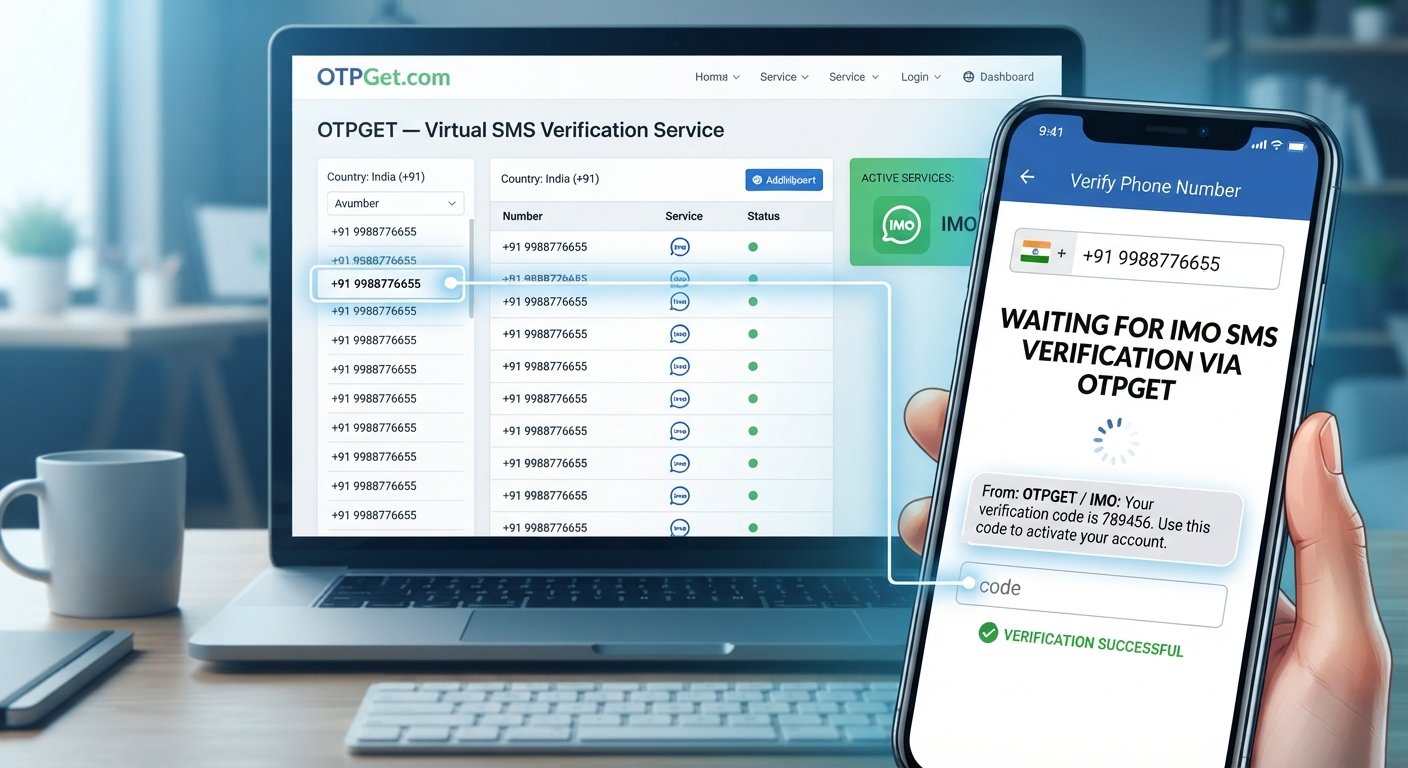
If you're looking for a virtual number service for this purpose, OTPGET is one solution worth considering. It is designed around convenient access to virtual numbers and SMS-based verification, while actual acceptance remains dependent on the website or platform being used.
What Is a Virtual Number?
A virtual number is a phone number that is not necessarily tied to a physical SIM card in the way a conventional mobile number is. Depending on the service, it can be managed through an online platform and may support functions such as receiving SMS messages.
For online verification, the basic idea is straightforward: instead of providing your primary personal number, you use an eligible virtual number, and the service receives the verification SMS associated with that number.
A virtual phone number can therefore be useful when you want to:
- Receive SMS online
- Complete supported OTP verification
- Keep some online registrations separate from your personal number
- Use a dedicated number for certain online activities
- Access verification-related messages through an online interface
A virtual number for verification is not automatically accepted everywhere. Individual websites decide which types of numbers they allow, so checking the platform's requirements before using one is essential.
How Online Verification Works
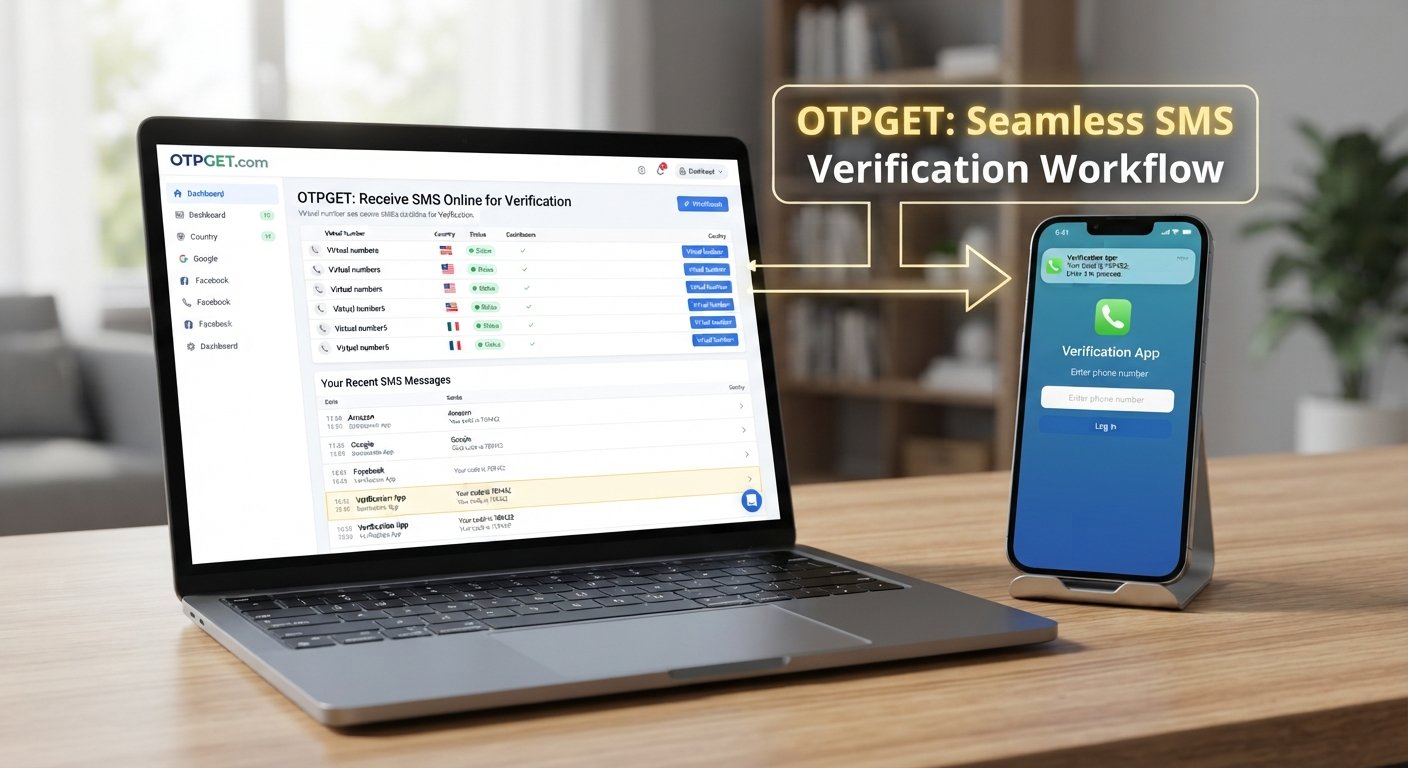
Online phone verification is usually a simple process. Although the interface varies between platforms, the underlying workflow is often similar.
- A website or service requests a phone number.
This may happen during registration, account setup, login, or another verification process. - The user enters an eligible virtual number.
The number needs to be compatible with the platform's verification system. - The platform sends an OTP or verification code.
The code is typically delivered through SMS. - The SMS is received through the appropriate service.
A virtual number provider can make the incoming message available through its platform when the number supports SMS reception. - The user enters the verification code.
The SMS code is submitted on the website or app requesting verification. - The platform completes the verification if the number is accepted.
Acceptance is controlled by the individual service and cannot be guaranteed by a virtual number provider.
This is the basic mechanism behind online SMS verification. The important distinction is that a virtual number provides a potential way to receive the message; it does not override the verification rules of the platform sending it.
Why Use a Virtual Number for SMS Verification?
There are several practical reasons someone may prefer a virtual phone number for SMS verification.
Separate personal and online activities
Your primary mobile number may be connected to family, friends, financial services, and important accounts. Using a separate number for appropriate online activities can help keep those uses distinct.
Receive SMS online
A virtual SMS number can be convenient when you need to access a verification message through an online service rather than relying exclusively on your personal mobile line.
Reduce unnecessary exposure of your personal number
Some registrations may not need access to your primary phone number. Where virtual numbers are permitted, using a separate number can reduce the number of websites and services that receive your personal contact information.
Convenience
A suitable SMS verification service can make the process easier by putting number selection and incoming messages in one online workflow.
Dedicated verification-related use
For certain legitimate activities, a separate number can make it easier to distinguish verification messages from everyday personal communications.
The key is to use virtual numbers responsibly. They should not be used for spam, fraud, impersonation, fake identities, or circumventing a platform's rules.
What to Look for in the Best Virtual Number Service
Choosing a virtual number provider involves more than finding a number that can receive an SMS. The service should fit the specific verification task and provide a straightforward experience.
Consider these factors before choosing a provider:
- Reliability: A provider should offer a practical way to access incoming messages when the selected number supports the intended use.
- SMS reception: Check whether the service supports receiving the type of SMS you need.
- Number availability: Make sure suitable numbers are available for your intended purpose.
- Ease of use: A clear interface can make selecting a number and checking incoming messages easier.
- Coverage: Where relevant, check whether the available numbers meet the geographic or service requirements of your intended platform.
- Transparent pricing: Understand what you are paying for before selecting a number or service.
- Privacy considerations: Review how the provider handles numbers, messages, and account information.
- Compatibility: Confirm that your intended website or app permits the type of number you plan to use.
- Customer support: Accessible help can be useful if you encounter a problem with a number or message.
- Terms of use: Make sure your intended use is consistent with both the provider's rules and the platform's policies.
There is no single provider that will work for every website. Compatibility should always be part of the decision.
OTPGET: A Convenient Solution for Online Verification
For users searching for a best virtual number service for legitimate online verification needs, OTPGET offers a practical option to explore.
The service is centered on virtual numbers and receiving verification-related SMS messages online. This can make it useful when you need a virtual phone number for SMS rather than wanting to expose your primary personal number for every suitable online registration.
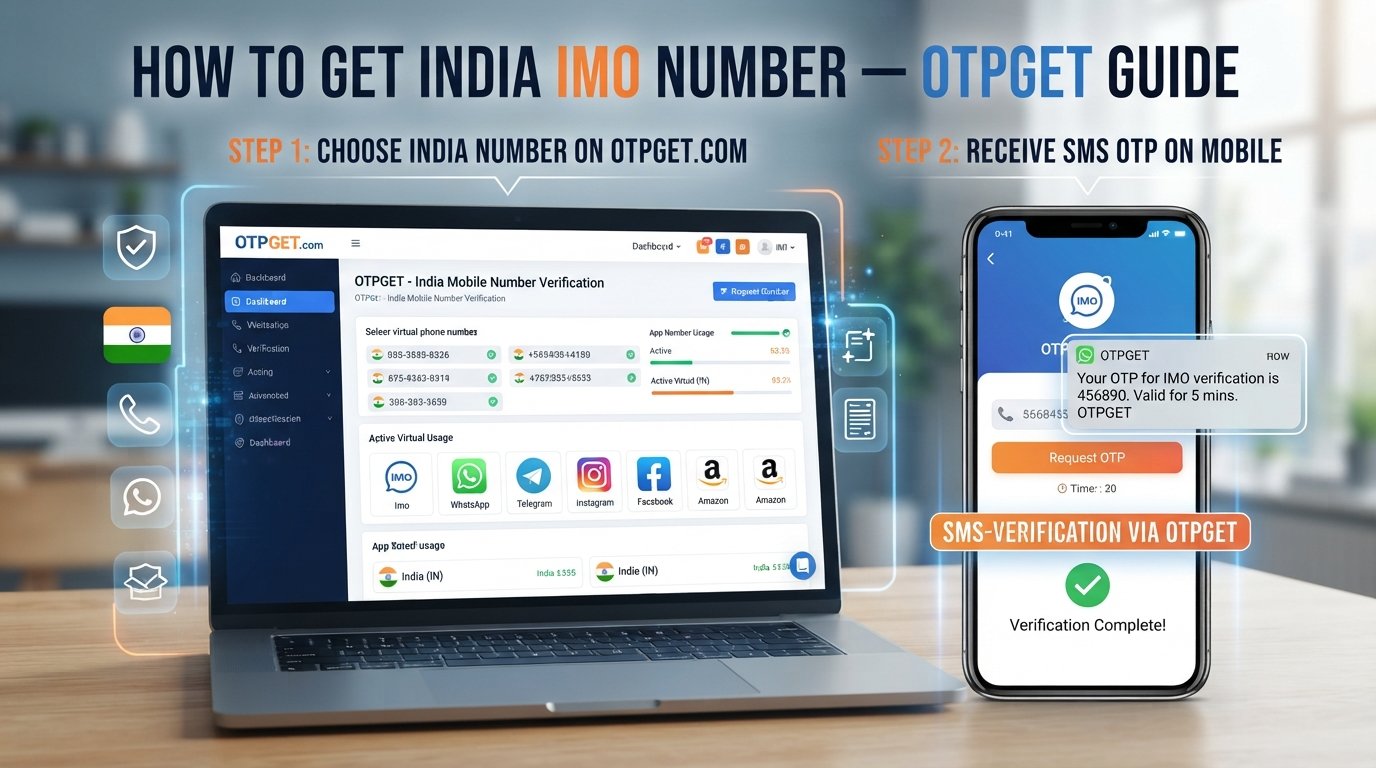
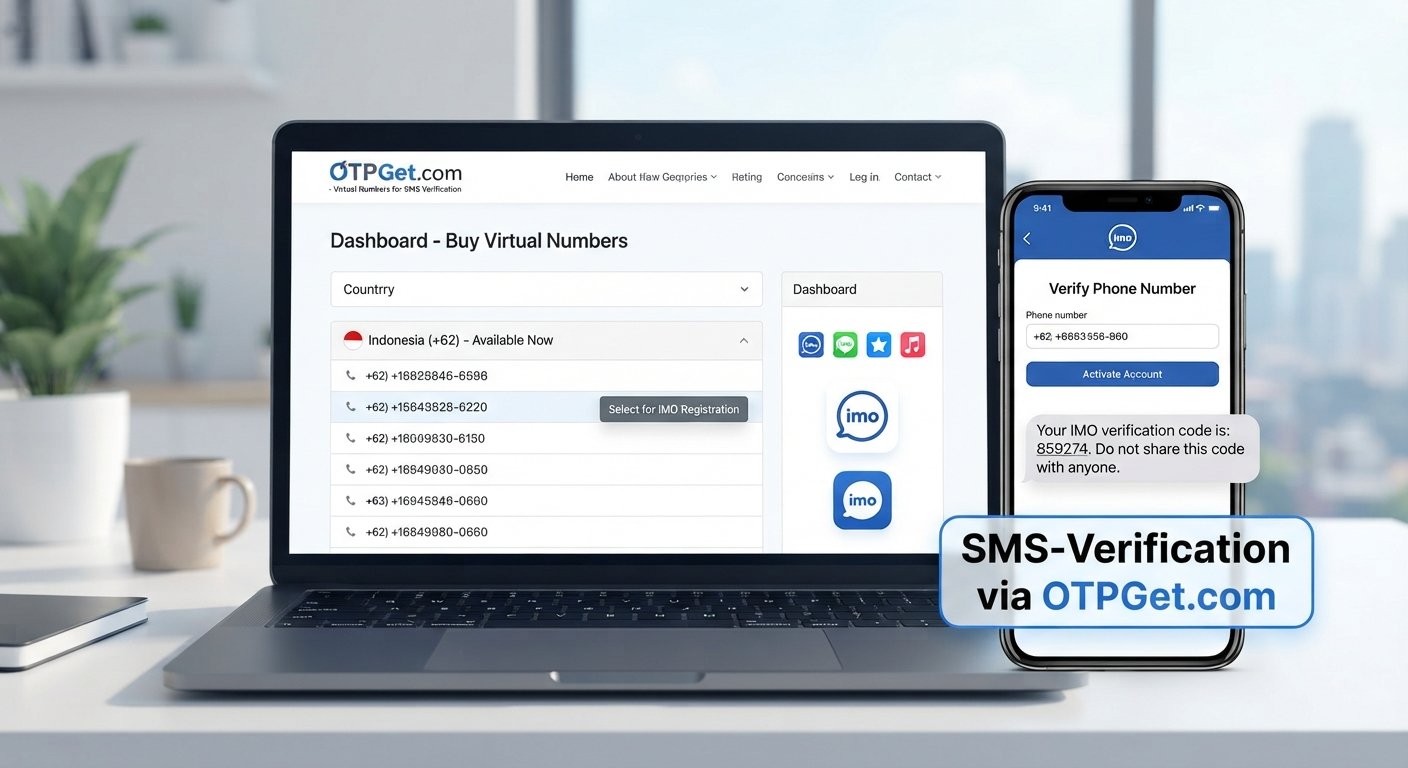
The general workflow is straightforward: select an appropriate virtual number through OTPGET, use it on a supported website or service, and check for the incoming verification message when the platform sends one.
OTPGET can be relevant for people looking for:
- A virtual number for verification
- An online SMS receiving option
- OTP verification support
- A virtual number service for supported registration workflows
- A convenient way to receive SMS online
- A separate number for certain appropriate online activities
The most important limitation is also worth stating clearly: OTPGET cannot guarantee that every website or application will accept a virtual number. Different services use different verification systems and may restrict certain number types.
That makes checking compatibility an important step before beginning any verification process.
How to Use OTPGET for OTP Verification
Using a virtual number for a supported verification workflow can be simple.
- Visit OTPGET.
- Choose the appropriate virtual number or service for your intended verification.
- Enter the provided number on the website or service requesting verification.
- Wait for the verification SMS if the platform sends one.
- Retrieve the OTP or verification code through the relevant OTPGET interface.
- Enter the code on the website or application.
- Complete verification if the platform accepts the number and code.
The exact experience can vary depending on the service being verified and the number available.
Before starting, check whether the website accepts virtual numbers and whether there are any restrictions on SMS verification numbers. This small step can save time and help set realistic expectations.
Virtual Number vs. Personal Phone Number
Both options have legitimate uses. The better choice depends on what you need the number for and how the receiving service handles verification.
| Factor | Virtual Number | Personal Number |
|---|---|---|
| Privacy separation | Can separate certain online activities from a primary personal number | Directly connected to your personal communications |
| Convenience | Can provide online access to supported SMS messages | SMS arrives directly on your regular mobile device |
| SMS verification | Can work for platforms that accept the number type | Commonly supported, subject to the platform's requirements |
| Long-term personal use | Suitability depends on the service and number arrangement | Generally designed for ongoing personal communication |
| Control | Depends on the virtual number provider and service terms | Usually controlled directly through your mobile carrier |
| Best suited for | Appropriate online verification and other supported virtual-number use cases | Personal communication and accounts tied to a primary mobile number |
A virtual number is not necessarily a replacement for a personal mobile number. Instead, it can be another option for situations where a separate online number is appropriate.
Common Uses of Virtual Numbers
Virtual numbers can serve several legitimate purposes beyond a single verification code.
Common examples include:
- Online verification for services that permit virtual numbers
- SMS verification for supported registration workflows
- Testing workflows where developers or teams need to evaluate SMS-based processes
- Separating business and personal communications when the relevant service supports it
- Temporary online services where a separate number is appropriate
- Privacy-conscious registration where virtual numbers are allowed
- Receiving OTP codes for supported services
Businesses and developers may also use virtual numbers when testing communication workflows or examining how an application handles SMS delivery.
As always, the appropriate use depends on the rules of the website, application, and virtual number provider.
Tips for Choosing a Virtual Number Provider
Before choosing a virtual number provider, take a few minutes to check the details that matter for your particular use case.
Check platform compatibility
The most important question is whether your intended website accepts virtual or non-traditional numbers. Some platforms may restrict certain number categories.
Confirm SMS capabilities
If your goal is to receive an OTP, make sure the number and service support incoming SMS for the intended workflow.
Review pricing
Look at the cost structure before selecting a number. Understand whether charges apply to number access, individual verification requests, or other services.
Consider privacy practices
Review the provider's terms and privacy information so you understand how account information, numbers, and messages are handled.
Look at the user experience
A straightforward interface can make it easier to select a number, monitor incoming messages, and retrieve a verification code.
Read the terms
Your intended activity should comply with the virtual number provider's policies as well as the terms of the website you're trying to access.
For users whose requirements match its supported services, OTPGET can be included on the shortlist when evaluating options for virtual numbers and online SMS verification.
Frequently Asked Questions
What is a virtual number?
A virtual number is a phone number managed through an online service rather than being directly tied to a traditional physical SIM in the usual way. Depending on the provider, it may support receiving SMS messages and can be used for appropriate online verification workflows.
Can a virtual number receive OTP codes?
Yes, a virtual number can receive OTP codes when the number supports incoming SMS and the platform sending the code accepts that type of number. Acceptance depends on the individual website or application.
What is an SMS verification number?
An SMS verification number is a phone number used to receive a verification message, usually containing a one-time password or code. It can be a conventional mobile number or a supported virtual number.
Can I use a virtual number for online verification?
You can use a virtual number for online verification when the relevant platform permits it. Some websites accept virtual numbers, while others may restrict them, so checking the platform's requirements is recommended.
Is OTPGET suitable for OTP verification?
OTPGET can be considered for supported OTP and SMS verification workflows where users need access to a virtual number and incoming verification messages. Its suitability depends on the specific service and whether that service accepts the selected number.
Can every website accept a virtual number?
No. Websites and applications set their own verification requirements. Some may accept virtual numbers, while others may reject or restrict certain types of numbers.
What is the difference between a temporary number and a virtual number?
A temporary number is generally intended for limited or short-term use, while a virtual number describes the way a phone number is provided or managed electronically. A virtual number may be temporary or intended for a longer period, depending on the service.
How do I receive SMS online?
To receive SMS online, you generally need a service that provides a number with incoming SMS capability. With a supported virtual number service such as OTPGET, the process can involve selecting a number, using it with an eligible service, and viewing the incoming message through the provider's platform.
Final Thoughts
A virtual number can be a practical option when you need online verification without using your primary personal phone number for every suitable registration or service.
The important part is choosing a provider based on the things that actually matter: SMS reception, number availability, ease of use, pricing, privacy considerations, compatibility, and clear terms.
OTPGET provides a convenient option for users who need virtual numbers and access to SMS-based verification for supported services. Its role is straightforward: provide a virtual-number option that can fit into an online verification workflow, while the final decision to accept the number remains with the website or application.
If you need a virtual number for verification, explore OTPGET and check whether its available service options match the platform and verification process you intend to use.
Suggested Internal Links
- How Virtual Numbers Work — Link to an educational guide explaining virtual phone numbers and how they operate.
- What Is SMS Verification? — Link to a beginner-friendly explanation of SMS-based identity verification.
- How to Receive OTP Online — Link to a practical guide covering the general OTP receiving process.
- Virtual Phone Numbers Explained — Link to a detailed overview of virtual phone number technology and common uses.
- Temporary vs. Virtual Phone Numbers — Link to a comparison explaining the differences between temporary and virtual numbers.
- Guide to Online Verification — Link to a broader guide covering phone, email, and other online verification methods.
- How SMS OTP Works — Link to a technical but accessible explanation of one-time passwords delivered through SMS.
- How to Choose an SMS Verification Service — Link to a buyer's guide covering provider selection factors.
FAQ Schema Content
What is a virtual number?
A virtual number is a phone number managed through an online service rather than being directly tied to a traditional physical SIM in the usual way. Depending on the provider, it may support incoming SMS and appropriate online verification uses.
Can a virtual number receive OTP codes?
Yes, a virtual number can receive OTP codes when it supports incoming SMS and the platform sending the code accepts that type of number. Platform compatibility varies.
What is an SMS verification number?
An SMS verification number is a phone number used to receive a verification message containing an OTP or verification code. It can be a regular mobile number or a supported virtual number.
Can I use a virtual number for online verification?
Yes, when the website or application permits virtual numbers. Because verification policies differ between platforms, users should check the relevant service's requirements before proceeding.
Is OTPGET suitable for OTP verification?
OTPGET can be considered for supported OTP and SMS verification workflows where a user needs access to a virtual number and incoming verification messages. Acceptance depends on the platform being verified.
Can every website accept a virtual number?
No. Each website or application determines its own verification requirements. Some services accept virtual numbers, while others may restrict or reject certain number types.
What is the difference between a temporary number and a virtual number?
A temporary number is generally intended for limited or short-term use. A virtual number describes a number managed electronically through a service and may be temporary or intended for longer-term use depending on the provider.
How do I receive SMS online?
You generally need a service that provides a number capable of receiving SMS. With a supported virtual number service, you can use the number with an eligible platform and access the incoming verification message through the provider's interface.