How to Receive Bolivian OTP Codes Online Securely with OTPGET
How to Receive Bolivian OTP Codes Online
Online services often use SMS verification to confirm that a user has access to a particular phone number. For people working with Bolivian services, testing applications for the local market, or handling temporary verification workflows, having access to a Bolivian phone number can be useful.
A personal number is not always the most convenient choice, especially when you are testing a product, registering for a permitted online service, or keeping your primary contact details separate from temporary activities. This is where online SMS verification can provide a practical alternative.
OTPGET is a convenient option for users who need to receive SMS or OTP messages online for legitimate purposes. Depending on the number and service involved, an online SMS-enabled number can help separate temporary verification activity from your everyday phone number.
In this guide, you will learn what a Bolivian OTP code is, how online SMS verification works, how to use OTPGET for authorized verification, and what to consider when choosing a Bolivian virtual number.
What Is a Bolivian OTP Code?
OTP stands for One-Time Password. It is a temporary verification code that a website, application, or digital service sends to a phone number to confirm that the person completing the verification process can receive messages at that number.
For example, a service may send a six-digit SMS verification code after you enter a phone number during registration. You then enter that code into the service's verification form. If the code is valid and has not expired, the verification step can be completed.
A Bolivian OTP code simply refers to an OTP delivered through a Bolivian phone number.
SMS-based verification is commonly used because it adds another confirmation step beyond a username and password. Codes are generally time-sensitive and intended for one verification attempt or a limited period.
If a service specifically requires a Bolivian number, a Bolivian virtual number or SMS-enabled number may be useful where the service permits that type of number.
Why Receive Bolivian OTP Codes Online?
There are several legitimate reasons someone may want to receive SMS verification messages online rather than using a personal mobile number.
Convenience is one of the simplest. If you are working remotely or testing an online workflow, being able to view verification messages through an online service can make the process easier to manage.
Privacy considerations can also matter. Some users prefer not to provide their primary phone number to every website they use, particularly when a number is needed only for a temporary or limited-purpose verification process.
Online SMS verification can also be useful for software development and QA testing. Developers may need to test whether an application correctly sends an SMS verification code, while QA teams may need to evaluate registration and authentication flows.
International users may have another reason. A digital service may require a number from a specific country for a legitimate registration or testing workflow. When the service permits virtual or temporary numbers, an appropriate Bolivian SMS number can provide a practical option.
Whatever the reason, always follow the terms of the service being used. A temporary number should not be used where a platform explicitly requires permanent personal ownership or another specific form of verification.
How to Receive Bolivian OTP Codes Online with OTPGET
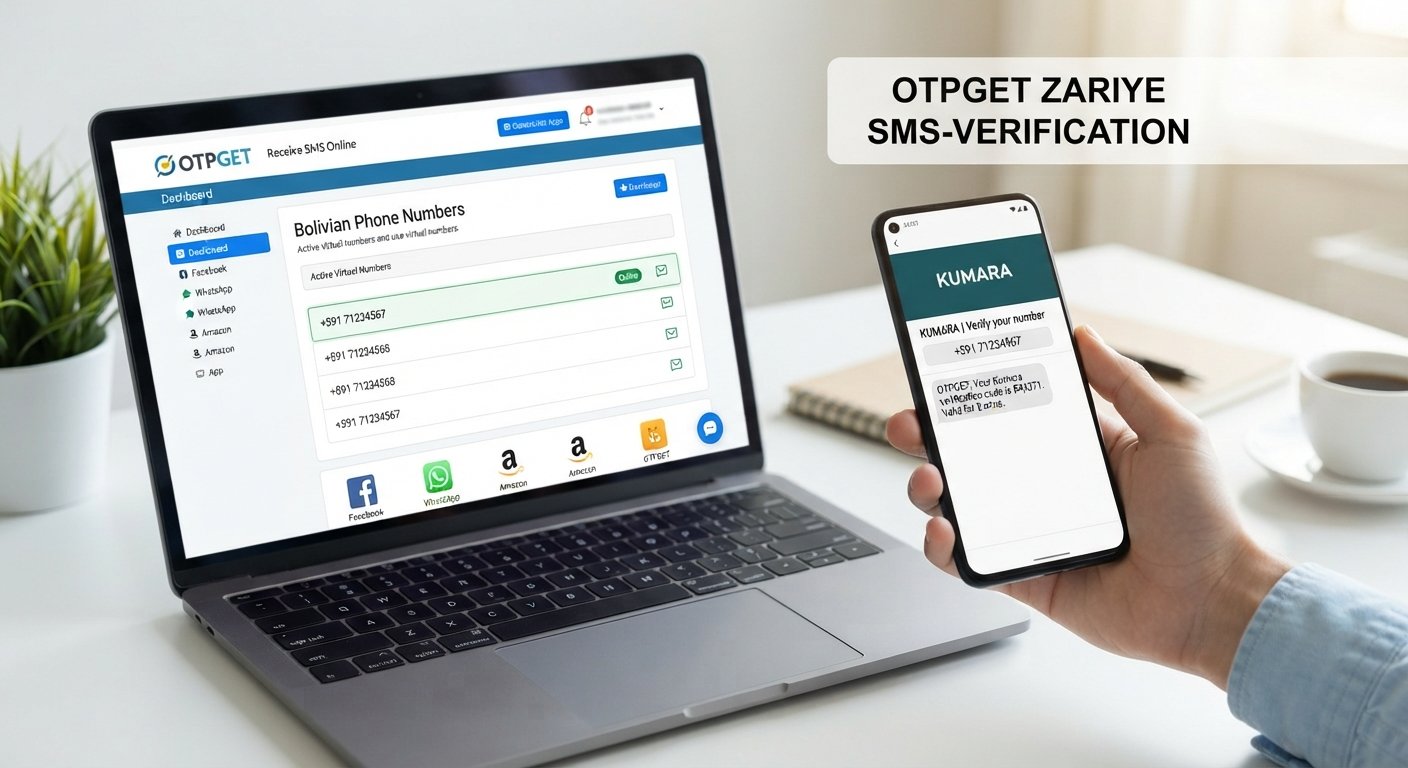
OTPGET can be used as a straightforward option for receiving online SMS verification messages when the intended service permits the use of an online or virtual number.
The general process is simple:
1. Visit OTPGET
Start by accessing OTPGET and reviewing the available SMS verification options. Look for a suitable Bolivian number or relevant SMS option based on your legitimate use case.
2. Select an Available Bolivian Number
Choose a number that is appropriate for the verification workflow. Availability can vary, so check the information displayed by OTPGET before proceeding.
3. Enter the Number on the Authorized Service
Enter the selected Bolivian phone number into the registration or verification form of the legitimate service you are using.
Make sure the number is entered in the format requested by that service, including the correct country code when required.
4. Request the OTP
Submit the verification request through the service. If the number is supported and the service accepts it, the SMS verification code can be sent to the selected number.
5. Monitor the Incoming SMS
Return to OTPGET and check for the incoming verification message. If the message takes some time to appear, avoid repeatedly requesting new codes unless the service specifically instructs you to do so.
6. Enter the Received Code
Once the SMS arrives, enter the OTP into the authorized verification form provided by the service.
7. Complete Verification
If the code is valid and has not expired, the service can complete its normal verification process.
The exact experience can vary depending on the third-party service, its verification rules, and the type of number being used. OTPGET should therefore be viewed as a convenient option for legitimate online SMS workflows rather than a guarantee that every website will accept every virtual number.
Key Benefits of Using OTPGET for Online SMS Verification
For users with legitimate verification needs, OTPGET can offer several practical advantages.
Online convenience: Receiving verification messages through an online platform can be easier than managing a separate physical SIM for a temporary task.
Reduced exposure of a personal number: When permitted by the service, an online SMS number can help keep your primary phone number separate from short-term registration or testing activities.
Useful for temporary workflows: Some verification tasks do not require a number that you intend to use as a permanent personal contact.
Helpful for testing: Developers, testers, and product teams can use suitable SMS verification workflows when evaluating registration or messaging functionality.
International use cases: A Bolivian number can be relevant when working with services, applications, or test environments that specifically require a Bolivian phone number.
Centralized message access: An online SMS verification service can make it easier to monitor verification messages without switching between devices.
These benefits depend on the specific number, service, and verification requirements involved. It is always important to check whether the third-party service allows virtual or temporary phone numbers.
Bolivian OTP Verification for Privacy-Conscious Users
A phone number is often treated as personal contact information, so some users prefer to limit where their primary number is shared.
For a permitted temporary verification workflow, using an appropriate online SMS number can help create separation between everyday communications and short-term online activities.
However, privacy does not mean ignoring the rules of the service. Before using a Bolivian virtual number, review the platform's privacy policy and terms of use. Consider how the number will be used and whether you need long-term access to it.
A temporary SMS number may not be suitable for an account that requires permanent phone ownership, account recovery, or ongoing two-factor authentication.
Most importantly, OTP codes should only be used for accounts and services you are authorized to access. Never use an OTP service to obtain codes belonging to another person or to gain unauthorized access to an account.
Common Use Cases for Bolivian SMS Verification
Bolivia SMS verification can support a range of legitimate online activities.
Application testing: Development teams can evaluate registration and SMS verification flows before releasing an application.
QA testing: Testers can check whether verification messages are generated and delivered as expected during different stages of a user journey.
Developer testing: A developer may need an SMS-enabled number while working on a product that sends OTPs during account creation or authentication.
International service registration: Where a service permits virtual numbers, users may need a Bolivian number for a legitimate registration process.
Temporary online workflows: Some activities require SMS verification only once or for a short period.
Privacy-conscious registration: Users may prefer to keep a primary personal number separate from permitted temporary registrations.
SMS delivery testing: Product teams can use appropriate numbers to assess how verification messages are handled by their applications.
The important distinction is authorization. These use cases involve testing, registration, or verification activities that the user is entitled to perform—not bypassing security controls or platform restrictions.
Tips for Receiving OTP Codes Successfully
A few simple checks can prevent common problems with online SMS verification.
- Check SMS support: Make sure the selected number is suitable for receiving SMS messages.
- Use the correct format: Enter the Bolivian phone number exactly as the service requests it.
- Confirm number compatibility: Some websites do not accept virtual or temporary numbers.
- Wait briefly: SMS delivery can sometimes take time. Avoid repeatedly requesting codes.
- Check expiration: OTPs are often valid only for a limited period.
- Request a new code carefully: If the first code expires, use the service's normal resend process.
- Follow provider instructions: Check the information shown by OTPGET and the verification service.
- Consider account requirements: If the service requires a permanent personal number, a temporary SMS number may not be appropriate.
There is no universal guarantee that a particular third-party website will accept a given virtual number. Verification policies are controlled by the individual service.
Bolivian OTP Codes Online: What Should You Consider?
Before choosing an online SMS verification option, consider several practical factors.
Reliability: Does the service provide a usable number for your intended workflow?
Number availability: Is a suitable Bolivian number currently available for the task?
SMS delivery: Can the selected number receive the type of message you need?
Privacy: Understand what information you share and how the service handles your data.
Service compatibility: Check whether the website or application accepts virtual or temporary phone numbers.
Terms of use: Make sure your intended activity complies with the service's rules.
Security: Treat every OTP as sensitive information. Do not share verification codes with other people.
Cost: If the service involves a fee, review the applicable pricing before proceeding rather than assuming a particular price.
Number duration: Consider whether you need temporary access or a number that remains available for longer-term use.
These checks can help you choose an appropriate solution while avoiding unnecessary problems during verification.
Why OTPGET Can Be a Convenient Option
For legitimate users looking for Bolivian OTP codes online, OTPGET provides a practical place to explore online SMS verification options.
Its value is particularly relevant when a user needs a number for a temporary workflow, application testing, privacy-conscious registration, or another authorized activity where an online SMS number is permitted.
Using a dedicated platform can also help separate verification activity from a primary personal phone number. That can be useful for developers, testers, international users, and people who simply do not want to use their everyday number for every temporary online task.
The key is to use OTPGET responsibly. Always check the requirements of the website or application you are accessing, protect the OTP you receive, and use the number only for activities you are authorized to perform.
Frequently Asked Questions
What is a Bolivian OTP code?
A Bolivian OTP code is a one-time password sent by SMS to a Bolivian phone number for verification. The code is typically entered into a website or application to confirm access to that number.
Can I receive Bolivian OTP codes online?
Yes, online SMS verification services can provide access to SMS messages sent to suitable Bolivian numbers. OTPGET is one option users can explore for legitimate verification and testing workflows where virtual numbers are accepted.
How does online SMS verification work?
A service sends an SMS verification code to a selected phone number. The recipient views the message through the appropriate SMS platform and enters the code into the authorized verification form.
How do I receive a Bolivia SMS verification code?
Select an appropriate Bolivian SMS-enabled number through a service such as OTPGET, enter it into the legitimate service's verification form, request the OTP, and monitor the incoming SMS.
Can I use a Bolivian virtual number for OTP verification?
That depends on the service requesting verification. Some websites accept virtual numbers, while others require a conventional mobile number or a number with specific characteristics. Check the service's requirements before proceeding.
Is OTPGET suitable for temporary SMS verification?
OTPGET can be a convenient option to explore for temporary SMS verification needs, including permitted testing and privacy-conscious workflows. Suitability depends on the specific number and the requirements of the service being verified.
What should I do if my OTP does not arrive?
First, confirm that the number was entered correctly and supports SMS. Check whether the service accepts virtual numbers, wait briefly, and avoid repeatedly requesting codes. If the OTP expires, use the service's normal resend process.
Conclusion
Receiving Bolivian OTP codes online can be useful for legitimate registration, software testing, temporary verification, international workflows, and privacy-conscious activities. An online SMS option can provide a practical alternative when using a personal phone number is unnecessary and the service permits virtual or temporary numbers.
OTPGET is a convenient option to consider when you need access to online SMS verification for an authorized purpose. Before using any number, check the receiving service's requirements, follow its terms, protect the OTP you receive, and make sure the activity is one you are authorized to perform.
If your use case fits those requirements, explore OTPGET to find an online SMS verification option that suits your Bolivian verification needs.