Bosnian Number for OTP Codes: Simple Guide for Easy Verification
Bosnian Number for OTP Codes: Simple Beginner Guide
Getting an OTP code can seem simple until a website asks for a phone number from a specific country. If you need a Bosnian number for OTP codes, you may run into problems when your regular phone number is registered elsewhere or you are temporarily outside Bosnia and Herzegovina.
An OTP, or one-time password, is a short verification code usually sent by SMS. Websites and apps use these codes to confirm that a person can access the phone number entered during registration or another verification step.
For legitimate verification needs, having access to an appropriate Bosnian phone number can make the process more straightforward. Services such as OTPGET can provide a practical option for users who need a Bosnian number for supported OTP and verification purposes.
What Is a Bosnian Number for OTP Codes?
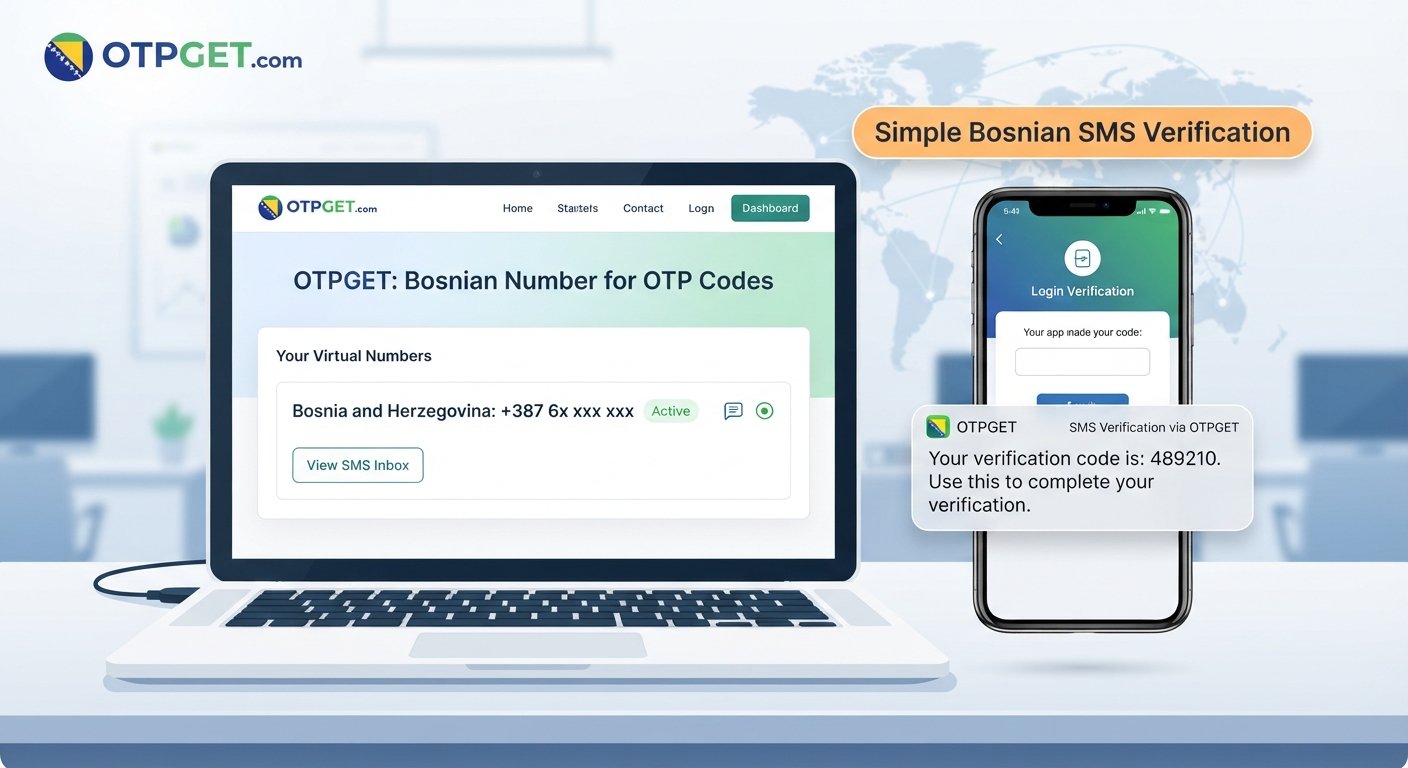
A Bosnian number for OTP codes is a phone number associated with Bosnia and Herzegovina that can be used to receive an SMS containing a one-time verification code, where the relevant service supports that type of number.
The process is usually simple:
- A website or application asks for a phone number.
- You enter an eligible Bosnian number.
- The service sends an OTP by SMS.
- The verification message is received by the number.
- You enter the code into the required verification field.
An OTP code is generally temporary. It is designed to confirm a particular verification attempt rather than function like a permanent password.
For someone who does not have a local mobile number, a Bosnian virtual number or online SMS number may be a practical alternative, depending on the requirements of the website or application.
Why Do You Need a Bosnian Number for OTP Verification?
Many online services use phone number verification as part of account registration, login security, fraud prevention, or other identity-related checks.
A local number may be requested because the service operates regionally or has country-specific verification requirements. In other situations, a business or developer may need a number associated with Bosnia and Herzegovina when testing a legitimate regional user experience.
Common legitimate use cases include:
- Verifying an online account that accepts Bosnian numbers
- Testing regional registration or SMS workflows
- Performing legitimate development and QA testing
- Accessing supported services while temporarily outside Bosnia and Herzegovina
- Keeping a verification number separate from a personal phone number
- Receiving an SMS verification code when a compatible local number is required
However, a verification number should only be used in ways permitted by the website or application's rules. It should not be used to create deceptive identities, bypass security restrictions, or violate platform policies.
Common Problems With Receiving OTP Codes
Receiving an OTP sounds straightforward, but several practical issues can make SMS verification frustrating.
You do not have a Bosnian phone number
If your existing mobile number is from another country, a service that requires or prefers a Bosnia and Herzegovina number may not accept it.
International numbers may be restricted
Some websites only support selected countries or number types. Even when international registration is available, a particular number may not be accepted for verification.
SMS messages can be delayed
Network conditions, the verification provider, or the destination service can sometimes affect how quickly a message arrives. Repeatedly requesting new codes can make the situation more confusing if several messages arrive close together.
A number may not be supported
Not every virtual or temporary number is accepted by every website. Services can apply their own rules to verification numbers, so compatibility should always be checked before relying on a particular number.
You may not want to use your personal number
Using a personal mobile number for every online verification request can be inconvenient. Some users prefer having a separate number for supported verification activities rather than connecting every service to their primary phone.
You are outside Bosnia and Herzegovina
Travelers, remote workers, developers, or people temporarily living abroad may need access to a Bosnian number even when they do not currently have a local SIM card.
These situations are where an OTP receiving service such as OTPGET can be useful, provided the target service supports the number.
How to Get a Bosnian Number for OTP Codes
The exact process depends on the service you are verifying and the current options available through the number provider. In general, the workflow is straightforward.
1. Visit OTPGET
Start by visiting OTPGET and reviewing the Bosnian number or verification option available for your legitimate use case.
2. Select an appropriate Bosnian number or service option
Choose the relevant option that provides access to a Bosnian number, where available. The exact interface and choices may vary.
3. Enter the number on the supported website or application
Use the provided number in the phone-number field of the service you are legitimately trying to verify.
Make sure the number is entered in the format requested by the website.
4. Request the OTP
After submitting the phone number, the website or application may send an SMS verification code.
5. Check for the incoming message
If the verification service supports the number, look for the incoming OTP message through the applicable OTPGET interface.
6. Enter the verification code
Copy the received code into the verification field on the original website or application.
7. Complete verification
Once the code is accepted, continue with the site's normal verification process.
The important point is that compatibility can vary. OTPGET can be a practical way to obtain a Bosnian number for OTP verification, but no number provider should be assumed to work with every website or application.
Why Choose OTPGET for Bosnian OTP Codes?
If you need a Bosnian number specifically for supported online verification, OTPGET can simplify a problem that otherwise may require finding a local mobile number.
One practical benefit is having a separate number for the verification process instead of immediately relying on your personal phone number. This can be especially useful when you have a legitimate reason to use a Bosnian number but do not currently have one.
OTPGET can also provide a more straightforward workflow for users who are unfamiliar with virtual phone numbers and online SMS verification.
The main reasons a user might consider OTPGET include:
- Convenience: A practical option when a Bosnian number is needed for supported verification.
- Separation: A verification number can be kept separate from your primary personal number.
- Simplicity: The basic OTP workflow is easy for beginners to understand.
- Regional access: Useful when a supported service requires a number associated with Bosnia and Herzegovina.
- Focused purpose: The service is relevant to users specifically looking for numbers for OTP and verification needs.
As with any verification-number service, availability and compatibility depend on the particular use case. It is best to check the requirements of the target website before starting the verification process.
OTPGET vs. Using Your Personal Phone Number
A separate verification number is not always necessary. If you already have a compatible Bosnian mobile number and are comfortable using it, your personal number may be sufficient.
However, there are situations where a separate option can be convenient.
| Factor | Personal Number | OTPGET |
|---|---|---|
| Separate verification number | — | ✓ |
| Useful for supported online verification | Depends | Depends on service |
| Keeps verification separate from personal number | Limited | Potentially useful |
| Convenient when you need a Bosnian number | Not always | Designed for this use case |
This comparison does not mean one approach is appropriate for every situation. The right option depends on the service's requirements and your own verification needs.
Tips for Using a Bosnian Number for OTP Verification
A few simple practices can make SMS verification easier:
- Check country support first. Confirm that the website accepts Bosnian numbers before beginning the process.
- Use the correct format. Follow the international or local format requested by the service.
- Wait before requesting another code. If an SMS is delayed, repeatedly requesting new codes can create confusion.
- Check the OTP's validity. Verification codes are normally temporary, so use the latest valid code promptly.
- Keep codes private. Never share an OTP with another person.
- Follow platform rules. Use a Bosnian number only for legitimate activities permitted by the relevant service.
- Consider long-term account access. A temporary number may not be suitable for an account where future recovery depends on continued access to the same number.
- Check compatibility. A virtual number that works for one service may not necessarily work for another.
These habits can help avoid many common online verification problems.
Is Using a Bosnian Number for OTP Codes Safe?
The safety of a verification number depends on how it is used, the service providing the number, and the policies of the website being verified.
An OTP is sensitive information. Treat it like a temporary password and do not forward or publish the code.
You should also choose verification services carefully and understand how the number is intended to be used. If an account is important and requires long-term recovery through the same phone number, relying on a temporary number may create problems later.
Before using a Bosnian SMS number, consider:
- Whether the target service permits that type of number
- How verification messages are handled
- Whether you will need the same number again
- Whether the account provides another recovery method
- Whether the activity complies with the service's terms
OTPGET can be considered for supported verification needs, but users should still evaluate the requirements of the specific website or application they are using.
Who Can Benefit From a Bosnian OTP Number?
A Bosnian OTP number can be useful for several legitimate groups.
Travelers may need a Bosnia and Herzegovina phone number while temporarily outside the country.
Businesses may need regional numbers when testing registration flows, customer journeys, or localized experiences.
Developers and QA teams can have legitimate reasons to test SMS and verification workflows associated with a particular country.
Individual users may want a separate number for supported online verification instead of using their primary personal number.
The important distinction is how the number is used. A virtual or temporary number should support legitimate verification, not attempts to deceive a platform or circumvent its security controls.
Frequently Asked Questions
What is a Bosnian number for OTP codes?
It is a phone number associated with Bosnia and Herzegovina that can receive an SMS containing a one-time password when the relevant website or application supports that number.
Can I receive OTP codes on a Bosnian virtual number?
Potentially, yes. A Bosnian virtual number may receive OTP messages from supported services. However, acceptance varies between websites and applications.
How do I get a Bosnian number for SMS verification?
You can look for a service that provides Bosnian numbers for supported SMS verification. OTPGET is a practical option to consider when you need a Bosnian number for a legitimate verification purpose.
Can OTPGET help with Bosnian OTP verification?
OTPGET can provide a practical way to obtain a Bosnian number for supported OTP and verification needs. Whether a particular website accepts the number depends on that website's own verification policies.
Can every website accept a Bosnian virtual number?
No. Websites and applications can have different rules for mobile, virtual, temporary, or regional numbers. Always check the requirements of the specific service.
How long does an OTP code remain valid?
The exact validity period depends on the website or application that generated it. OTPs are generally temporary, so enter the code promptly rather than assuming it will remain valid indefinitely.
Is it safe to share an OTP code?
You should not share an OTP code with other people. A verification code is intended for the specific verification process that generated it.
Can I use a temporary number for account recovery?
It may be unsuitable for long-term recovery because you could lose access to the number later. For important accounts, consider using a recovery method that you can reliably access over the long term.
Final Thoughts
Finding a Bosnian number for OTP codes can be useful when an online service requires a Bosnia and Herzegovina number for legitimate verification. The basic process is straightforward: provide a compatible number, request an OTP, receive the SMS, and enter the code before it expires.
The challenge is often finding an appropriate number when you do not have a local mobile line or do not want to use your personal number. That is where OTPGET can offer a practical solution for users looking for a Bosnian number for supported OTP verification needs.
Before starting, check the target service's number requirements and make sure your intended use follows its rules. If everything is compatible, exploring OTPGET can be a convenient next step for obtaining a Bosnian number for verification codes and handling the SMS verification process more simply.