SEO Title: Careem SMS Verification Using Temporary Number for OTPGet Service
Careem SMS Verification Using Temporary Number for OTPGet Service
Signing up for or accessing an online service can become frustrating when an SMS verification code does not arrive on your personal phone. Whether the problem is a delayed message, an unavailable number, or simply a preference for keeping your primary phone number private, SMS verification can sometimes create an unnecessary hurdle.
This is where a temporary number can be useful.
A temporary or virtual phone number can receive SMS messages without requiring you to share your primary mobile number with every online service. For users looking for a practical way to handle SMS verification, OTPGet provides access to temporary numbers that can be considered for eligible verification use cases.
In this guide, we will explain how Careem SMS verification works, what temporary numbers are, how to receive a verification code, and what to consider when using a service such as OTPGet.
Why Careem Uses SMS Verification
SMS verification is a common way for online services to confirm that a phone number is accessible to the person attempting to register or sign in.
The basic process is straightforward. When a service asks for your phone number, it sends a one-time password, commonly called an OTP, by SMS. You then enter that code into the verification screen.
The verification message helps the service confirm access to the number and can also be part of its account-security process.
However, users can encounter problems for several reasons:
- The SMS may be delayed.
- The phone number may be entered incorrectly.
- A carrier or network may temporarily interfere with delivery.
- Certain number types may not be supported.
- The verification code may expire before it is entered.
- Regional or service-specific restrictions may apply.
For this reason, having access to an active, SMS-capable number is important whenever Careem requests a verification code.
What Is a Temporary Number?
A temporary number is a phone number that can be used for a specific online purpose without relying on your everyday personal number.
Many temporary numbers are provided digitally rather than through a physical SIM card. Depending on the service, they may be capable of receiving SMS messages online.
A virtual phone number works similarly from the perspective of receiving a text message: a service sends an SMS to the assigned number, and the message becomes available through the provider's platform.
The main difference is that the number is separate from your primary mobile number.
This can be useful when you want to separate personal communications from online service activity or avoid unnecessarily exposing your personal number.
Temporary numbers should not be confused with a way to bypass security controls. Their appropriate use depends on the rules of the service involved and the specific number being used.
Why Use a Temporary Number for Careem Verification?
There are several legitimate reasons someone may prefer a temporary number for SMS verification.
Privacy
Some users simply do not want to provide their personal mobile number to every website or app they use. A separate number can help reduce unnecessary exposure of their primary contact information.
Convenience
A temporary SMS number can be useful when you need to receive a verification message without switching SIM cards or using your everyday number.
Separation
Using a separate number can help distinguish personal communications from online accounts and verification messages.
Practicality
For certain permitted use cases, an online temporary number can be more convenient than obtaining a separate physical SIM solely to receive an SMS.
The important point is to use temporary numbers responsibly and according to the applicable service rules. Not every temporary number will be accepted by every platform.
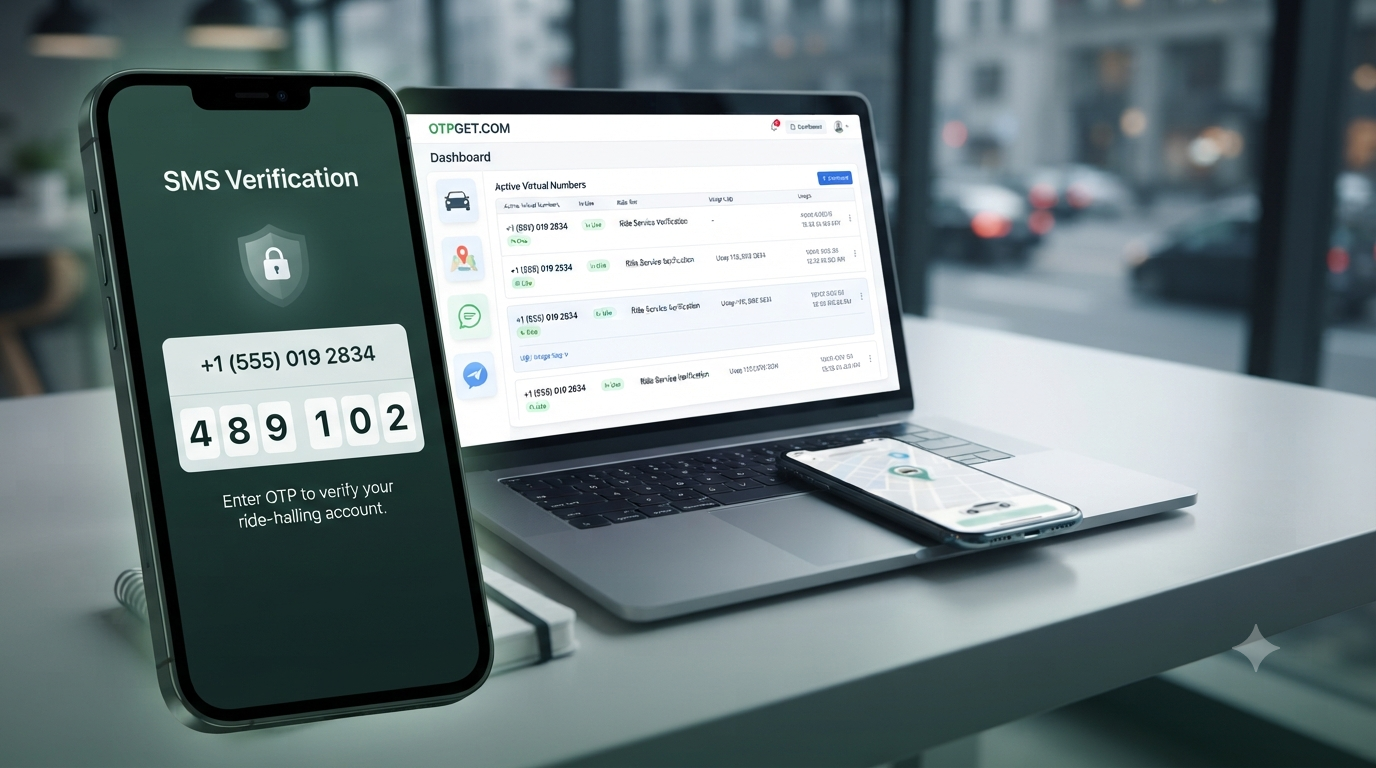
How to Receive a Careem Verification Code Using a Temporary Number
If you want to try a temporary number for Careem SMS verification, the general process is simple.
1. Choose an SMS-enabled number
Start by selecting a temporary number that is capable of receiving SMS messages and is appropriate for the relevant location or service.
2. Select a number through OTPGet
Use OTPGet to choose an available temporary number suitable for your intended verification purpose.
Availability and compatibility can vary, so check the options presented to you before proceeding.
3. Enter the number in Careem
When Careem asks for a phone number, enter the temporary number using the required country and number format.
Double-check the digits before requesting the code.
4. Request the verification SMS
Submit the number and wait for Careem to send the verification message.
SMS delivery can take some time depending on network conditions, number type, location, and service restrictions.
5. Check the OTPGet inbox
If the message is delivered to the selected number, check the corresponding OTPGet interface for the incoming SMS.
The verification message should contain the one-time code required by the service.
6. Enter the latest verification code
Return to the Careem verification screen and enter the newest OTP exactly as shown.
If the code has expired, request a new one rather than repeatedly submitting an old code.
7. Complete verification
If Careem accepts the number and the SMS is successfully delivered, complete the verification process according to the instructions shown on screen.
There is no guarantee that every temporary number will work with Careem. Acceptance can depend on the number, location, service policies, and other technical factors.
OTPGET vs. Using Your Personal Number
Choosing between a personal number and a temporary number depends on your needs.
| Factor | Personal Number | Temporary Number |
|---|---|---|
| Privacy | Your primary number is shared | Keeps your primary number separate |
| Convenience | Simple if your number is already available | Useful when you want a separate SMS number |
| Number separation | Limited | Provides a separate number for online use |
| SMS access | Directly through your phone | Through the temporary-number provider |
| Practicality | Best for regular personal use | Useful for specific permitted use cases |
A personal number remains the straightforward choice for many users. A temporary number is mainly useful when privacy, separation, or convenience is more important.
Common Problems With SMS Verification
Even with an SMS verification number, problems can happen. Understanding the most common issues can save time.
SMS delays
A verification SMS may take longer than expected because of carrier routing, network traffic, or other delivery issues.
Expired codes
OTP codes are usually time-sensitive. If you wait too long, the code may no longer work.
Incorrect formatting
Entering the wrong country code, missing digits, or using an incorrect format can prevent the message from reaching the intended number.
Unsupported number types
Some services restrict certain virtual, VoIP, recycled, or temporary numbers. This is why a temporary number should never be considered universally compatible.
Network or carrier problems
Temporary delivery problems can occur between the SMS sender and receiving network.
Service restrictions
A platform may impose its own rules around phone numbers, account creation, verification, or regional availability.
These limitations are important to understand. A reputable explanation of temporary SMS verification should never promise guaranteed delivery or guaranteed account verification.
Tips for Successful SMS Verification
A few simple practices can make the process smoother:
- Choose an active SMS-capable number.
- Check the country and number format carefully.
- Make sure the selected number is appropriate for the intended service.
- Wait briefly if the SMS does not appear immediately.
- Avoid repeatedly requesting new codes.
- Always use the newest OTP available.
- Enter the verification code exactly as received.
- Follow Careem's verification and account rules.
- If a number is rejected, do not assume every temporary number will have the same result.
These steps cannot guarantee successful verification, but they can help avoid common mistakes.
Why OTPGET Is a Practical Choice
If you need a temporary number for SMS verification, OTPGet can be a practical option to explore.
The main appeal is straightforward: instead of giving an online service your primary phone number, you can use a separate temporary number for an appropriate verification scenario.
OTPGet can be particularly useful for users who value:
- Privacy: Keep your primary number separate from selected online activities.
- Convenience: Access a temporary SMS number without relying on another personal SIM.
- Simplicity: Follow a straightforward process for selecting a number and checking incoming messages.
- Flexibility: Consider different available numbers based on your particular requirements.
- Practical SMS access: Use an SMS-capable temporary number where the relevant service permits it.
The key is to choose a number that matches your intended use and to understand that acceptance ultimately depends on the service requesting the verification.
OTPGet is a separate temporary-number service and should not be treated as an official Careem service or partnership unless such an affiliation is explicitly confirmed.
Frequently Asked Questions
Can I use a temporary number for Careem SMS verification?
A temporary number may be usable if it can receive SMS messages and Careem accepts that particular number type. Compatibility is not guaranteed, so results can vary.
How can I receive a Careem verification code?
Enter an eligible SMS-capable phone number when Careem requests one, request the verification SMS, and enter the received OTP before it expires.
What is a temporary number for SMS verification?
It is a separate phone number provided for temporary or specific online use. When SMS reception is supported, verification messages can be delivered to that number instead of your primary phone.
Can a virtual number receive Careem OTP messages?
Some virtual numbers can receive SMS messages, but not every virtual number is necessarily supported by Careem. Number type, location, and service restrictions can affect delivery.
Why isn't my Careem verification SMS arriving?
Possible causes include an incorrect number format, network delays, unsupported number types, service restrictions, or a temporary delivery problem. Check the number and wait briefly before requesting another code.
Is OTPGet useful for receiving verification SMS?
OTPGet can be useful for users who need access to a temporary SMS number for an appropriate verification use case. The exact availability and compatibility of a number can vary.
How do temporary SMS numbers work?
A provider assigns or makes an SMS-capable number available to you. When a supported service sends a text message to that number, the incoming SMS can be viewed through the provider's system.
Conclusion
SMS verification is designed to confirm access to a phone number, but using a personal number is not always the preferred option. Privacy concerns, number separation, and convenience can all make a temporary SMS number worth considering.
For users searching for Careem SMS verification using a temporary number, the process generally involves selecting an SMS-capable number, entering it where the service requests a phone number, waiting for the verification message, and submitting the latest OTP.
OTPGet offers a practical way to explore temporary numbers for permitted SMS verification needs. It can help users keep their primary number separate while providing access to a temporary SMS number when appropriate.
If you need a temporary number for an online verification task, explore OTPGet, review the available SMS-capable options, and choose a number that fits your intended use and the relevant service requirements.