Fake WhatsApp Number OTP Problem: Causes and Solutions Guide
Fake WhatsApp Number OTP Problem: Causes and Solutions Guide
Trying to verify a WhatsApp account with a temporary, virtual, or unfamiliar phone number can sometimes lead to an unexpected obstacle: the verification code simply does not arrive. This is the fake WhatsApp number OTP problem, and it can be frustrating when you need to complete verification for a legitimate purpose.
The issue is not always caused by one specific failure. SMS delivery, number availability, formatting, carrier limitations, previous use of a number, and verification restrictions can all affect the process.
Understanding what is happening is the first step toward solving the problem. In this guide, we will look at common WhatsApp OTP difficulties, explain why temporary numbers can be less predictable, and explore how OTPGET can fit into a legitimate OTP verification workflow.
What Is the Fake WhatsApp Number OTP Problem?
The fake WhatsApp number OTP problem generally refers to situations where a temporary, virtual, disposable, or otherwise unfamiliar phone number cannot successfully receive or use the verification code required during WhatsApp number verification.
WhatsApp uses phone-number verification to confirm that the person attempting to register or verify an account has access to the specified number. Depending on the verification process, a code may be delivered through SMS or another available verification method.
The important point is that having a phone number does not automatically mean that the number can reliably receive every verification message.
A temporary or virtual number may have limitations involving SMS access, carrier routing, availability, number reuse, or compatibility with a particular service. As a result, a user can enter the correct number and still experience a WhatsApp verification issue.
Before choosing a number for verification, it is therefore worth checking whether the number is genuinely accessible, authorized for your intended use, and capable of receiving the required messages.
Why Is the WhatsApp OTP Not Received?
There can be several reasons why a WhatsApp verification code does not arrive. The exact cause depends on the number, network, device, and verification circumstances.
Common possibilities include:
- Number-related restrictions: Some numbers may have limitations that affect their ability to receive verification messages.
- Temporary number availability: A temporary number may become unavailable before the verification process is completed.
- SMS delivery problems: Carrier or routing issues can delay or prevent an SMS from reaching the recipient.
- Incorrect number formatting: An incorrect country code or phone-number format can send the verification request to the wrong destination.
- Network problems: Poor cellular connectivity or temporary carrier issues can interfere with SMS delivery.
- Too many verification attempts: Repeated requests within a short period can result in temporary limitations or delays.
- Previous number usage: A number may have been associated with another account or service previously, creating additional verification complications.
- Service compatibility: Not every virtual or temporary number works consistently with every online service.
- Delayed messages: Sometimes an OTP is simply delayed rather than permanently lost.
Because these causes can overlap, repeatedly requesting another code is not always the best first response.
Common WhatsApp Verification Problems
A WhatsApp verification process can encounter several different problems, including:
- Verification code not arriving.
- SMS OTP arriving late.
- Verification code expiring before it is entered.
- Incorrect country code or phone number.
- A number that is no longer accessible.
- A temporary number becoming unavailable.
- Repeated verification requests causing delays.
- Compatibility issues with certain virtual numbers.
- Network or carrier-related SMS problems.
- Difficulty completing the number verification process.
Not every problem has the same solution. For example, changing a number will not necessarily fix a carrier outage, while waiting for a delayed SMS will not help if the selected number cannot receive verification messages at all.
Why Temporary or Fake WhatsApp Numbers Can Cause OTP Issues
The phrase “fake WhatsApp number” can describe several different things, including temporary, disposable, virtual, or otherwise non-personal numbers. These categories are not necessarily identical, and virtual numbers are not automatically unreliable.
However, they can introduce additional variables into the verification process.
One major consideration is SMS accessibility. A number that looks valid online may not provide dependable access to incoming verification messages. Some services also recycle numbers, meaning a number that was previously available to one user may later be assigned elsewhere.
Availability can also matter. If you lose access to a temporary number before receiving or entering the verification code, completing the process may become difficult.
Carrier restrictions and service compatibility are additional considerations. A virtual number can technically exist while still having limitations with particular verification systems.
For legitimate verification, the safest approach is to use a number and verification method that you are authorized to use and that provides dependable access to incoming messages.
How to Solve the Fake WhatsApp Number OTP Problem
If you are dealing with a WhatsApp OTP problem, work through the basics before repeatedly requesting another code.
1. Check the phone number
Confirm every digit and make sure the correct international country code is being used. A small formatting mistake can prevent the message from reaching the intended number.
2. Confirm SMS access
Make sure the selected number can actually receive SMS messages. If it is a temporary or virtual number, check whether incoming verification messages are supported.
3. Check your network
Poor connectivity can contribute to delayed SMS delivery. Confirm that your phone or service has a functioning network connection.
4. Avoid repeated OTP requests
Requesting verification codes again and again may make troubleshooting harder and can contribute to temporary restrictions or delays. If a code is delayed, give the process some time.
5. Check whether the number is still available
This is particularly important with temporary numbers. If the number has expired, been reassigned, or is no longer accessible, receiving the verification code may not be possible.
6. Use an appropriate verification solution
If your legitimate workflow requires OTP access, consider a service designed to organize or facilitate verification rather than relying on an unreliable disposable number.
This is where OTPGET can be worth considering.
How OTPGET Helps With OTP Verification
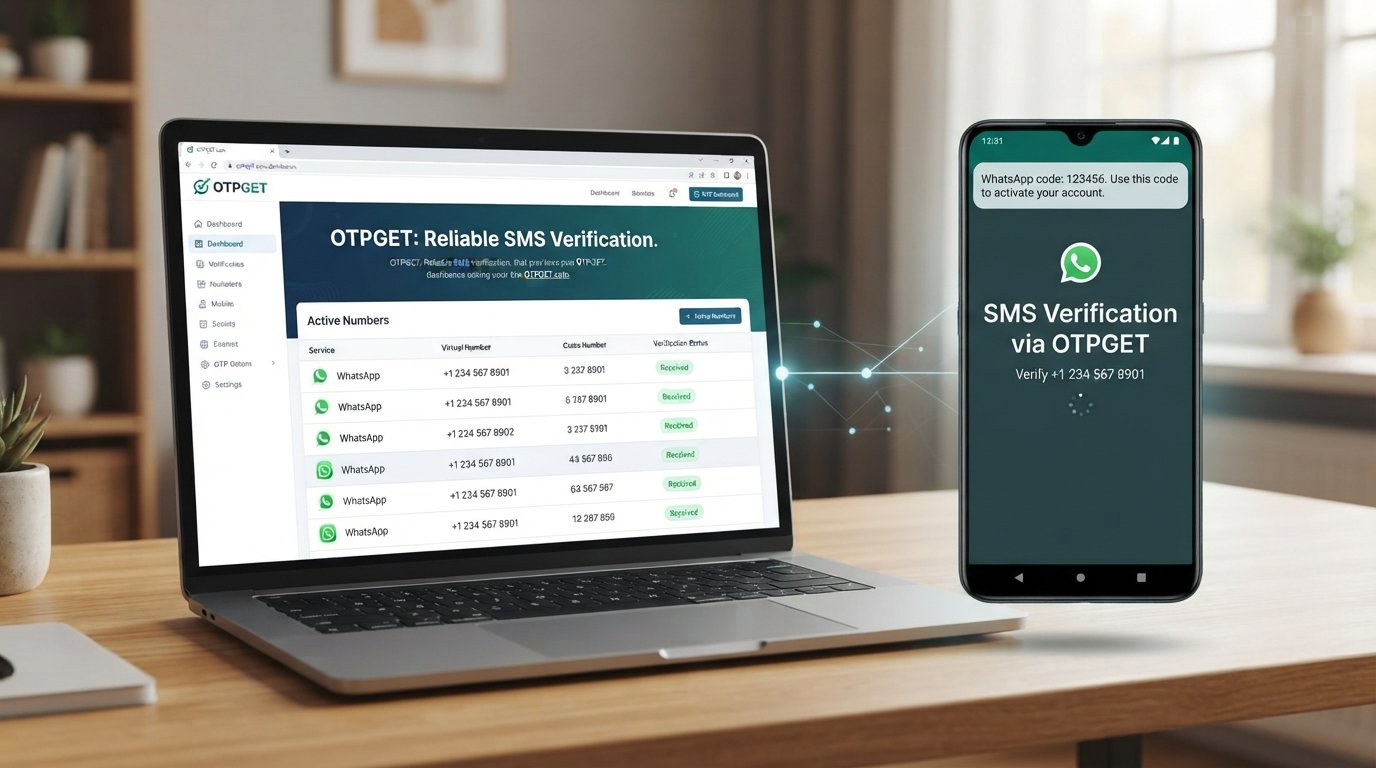
OTPGET is designed around the practical need for OTP-based verification, giving users a more structured option than simply depending on an unreliable temporary number.
For someone experiencing a fake WhatsApp number OTP problem, the value of a dedicated OTP solution is primarily about reducing unnecessary friction in the verification workflow.
Instead of treating OTP delivery as an unpredictable step, users can consider a service such as OTPGET where appropriate for their legitimate verification requirements.
Depending on the applicable service and number availability, relevant benefits can include:
- Convenient OTP access: A dedicated verification workflow can make it easier to manage incoming verification codes.
- Simpler verification management: Keeping the OTP process organized can reduce confusion when completing a verification step.
- Practical workflow: OTPGET can be considered when a legitimate online process requires access to an OTP-enabled number or verification service.
- Reduced reliance on random temporary numbers: A purpose-built solution can be more practical than selecting an unknown disposable number and hoping it supports the required SMS.
- User-focused experience: A straightforward OTP workflow can make verification easier to understand and manage.
The exact availability and compatibility of any number or verification service can vary. OTPGET should therefore be viewed as a practical option for appropriate, authorized OTP verification needs—not as a way to bypass WhatsApp's security controls or guarantee account activation.
That distinction matters. A good verification solution should help with legitimate access to verification messages, not circumvent security systems.
OTPGET vs. Unreliable Temporary Numbers
The differences become clearer when the two approaches are compared from a practical perspective.
| Factor | Unreliable Temporary Number | OTPGET |
|---|---|---|
| OTP accessibility | May depend on whether the number supports incoming SMS and remains available. | Provides an OTP-focused approach where applicable to the requested verification workflow. |
| Reliability | Can vary because of availability, reuse, carrier, and compatibility issues. | Offers a more structured option than choosing an unknown temporary number. |
| Convenience | Users may need to search for and monitor a suitable temporary number. | Designed around making OTP verification workflows more manageable. |
| Verification workflow | Can become complicated if the number expires or cannot receive the code. | Provides a dedicated approach to handling OTP-related verification needs. |
| User experience | Quality and usability can vary significantly between temporary-number providers. | Focuses on a straightforward OTP verification experience. |
The comparison does not mean that every temporary or virtual number will fail. Rather, it highlights why number selection matters when an OTP is an essential part of verification.
Tips for a Smoother WhatsApp Verification Experience
A few simple habits can prevent many common verification problems:
- Enter the complete phone number with the correct country code.
- Confirm that the number is authorized for your intended use.
- Make sure incoming SMS messages are supported.
- Check cellular or network connectivity.
- Avoid repeatedly requesting new verification codes.
- Wait for a delayed OTP before requesting another one.
- Make sure a temporary number has not expired or become unavailable.
- Use a legitimate verification solution when your workflow requires one.
- Keep verification activity within the applicable service rules and terms.
If you continue experiencing problems, changing random numbers repeatedly may not solve the underlying issue. Identifying whether the problem is the number, SMS delivery, network, or verification process is usually more productive.
Frequently Asked Questions
What is a fake WhatsApp number OTP problem?
It is a situation where a temporary, virtual, disposable, or unfamiliar number fails to receive or successfully use the verification code required during WhatsApp number verification.
Why am I not receiving my WhatsApp verification code?
Possible causes include incorrect number formatting, SMS delivery delays, network problems, number restrictions, repeated verification attempts, or limitations associated with the selected number.
Can a temporary number receive a WhatsApp OTP?
Some temporary or virtual numbers may receive verification messages, while others may have limitations. Compatibility and SMS accessibility can vary, so receiving an OTP should not be assumed.
Why does WhatsApp verification fail with some virtual numbers?
Virtual numbers can differ in their SMS capabilities, carrier routing, availability, previous usage, and compatibility with verification systems. These differences can contribute to verification problems.
How can I fix a WhatsApp OTP problem?
Start by checking the number and country code, confirming SMS access, checking network connectivity, and avoiding repeated verification requests. If appropriate, consider a reliable OTP verification service such as OTPGET for legitimate verification needs.
What is OTPGET?
OTPGET is an OTP-focused solution that can be considered for workflows requiring access to verification codes. Its usefulness depends on the particular verification service, number availability, and applicable requirements.
Is OTPGET useful for OTP verification?
OTPGET can be useful when you need a more structured approach to an OTP verification workflow. It should be used for legitimate and authorized verification purposes, and users should not assume that any service guarantees delivery or approval by a third-party platform.
Final Thoughts
The fake WhatsApp number OTP problem is often less straightforward than simply “the code did not arrive.” Temporary and virtual numbers can have different levels of SMS accessibility, availability, compatibility, and reliability, making verification unpredictable in some situations.
Before requesting another OTP, check the number, country code, network connection, SMS access, and availability of the number. Avoid excessive verification attempts, and use a number or service that you are authorized to use.
For users who need a more practical approach to OTP verification, OTPGET is an option worth exploring. It can help simplify the OTP-focused workflow without relying on unsupported promises about guaranteed delivery, WhatsApp approval, or security bypasses.
If you're looking for a more organized approach to legitimate OTP verification, learn more about OTPGET and see whether its available verification options fit your specific use case.