Free Fire OTP Number: Receive an SMS Verification Code Easily
Free Fire OTP Number – Receive SMS Code
When you need to verify a phone number, waiting for an SMS code can be frustrating. A message may arrive late, a number may not be supported, or you may simply prefer not to use your personal phone number for a particular verification request.
A Free Fire OTP Number can refer to a phone number used to receive a one-time verification code by SMS when phone verification is supported for a particular Free Fire-related process. For users who need an online SMS verification number, a service such as OTPGET can provide a practical way to receive an OTP without relying on their everyday mobile number.
OTPGET is a third-party OTP and SMS receiving solution. It is separate from Free Fire and Garena, and it should be used only for legitimate verification purposes and in accordance with the applicable platform rules.
What Is a Free Fire OTP Number?
An OTP, or one-time password, is a temporary code sent to a phone number to confirm that the person completing a verification step can access that number.
A Free Fire verification code may be requested during certain account, login, registration, or phone-confirmation processes. The exact verification requirements can vary depending on the service, account, region, and security flow involved.
A Free Fire OTP number is different from your regular personal number in a few important ways:
- Personal phone number: Your everyday mobile number that you normally control long term.
- Temporary SMS number: A number intended for receiving a verification message for a limited purpose or period.
- Virtual phone number: A number accessed through an online service rather than necessarily through a physical SIM in your phone.
The important point is that an OTP only works if the relevant verification service accepts the number and sends the message to it.
Why Do You Need a Free Fire OTP Code?
Phone verification can be part of different legitimate account and security processes. Depending on the specific Free Fire-related workflow, an SMS code may be used for:
- Account registration or verification
- Login-related verification
- Phone-number confirmation
- Additional security checks
- Confirming access to a phone number
Not every account or action necessarily requires an OTP. Verification requirements can change according to the particular account process and the systems involved.
If an SMS code is requested, the purpose is generally to confirm control of the phone number being entered. That is why the verification code should be treated as sensitive information and never shared with another person.
Why Can Free Fire SMS Codes Be Difficult to Receive?
Sometimes the problem is not the account or verification request itself. SMS delivery depends on multiple systems working together, so delays or failures can happen.
Common causes include:
- SMS delivery delays: The message may take time to reach the destination number.
- Carrier or network problems: Mobile networks and SMS gateways can experience temporary issues.
- Incorrect number formatting: A country code or other number detail may have been entered incorrectly.
- Unsupported numbers: Some verification systems may reject particular temporary, virtual, or carrier ranges.
- Expired verification sessions: An older OTP request may no longer be valid.
- Repeated requests: Requesting several codes quickly can create confusion or temporary restrictions.
- Service-side problems: The verification provider or SMS infrastructure may temporarily be unavailable.
Because of these variables, no third-party service can reasonably promise that every OTP request will arrive or be accepted.
How OTPGET Helps You Receive an SMS Code
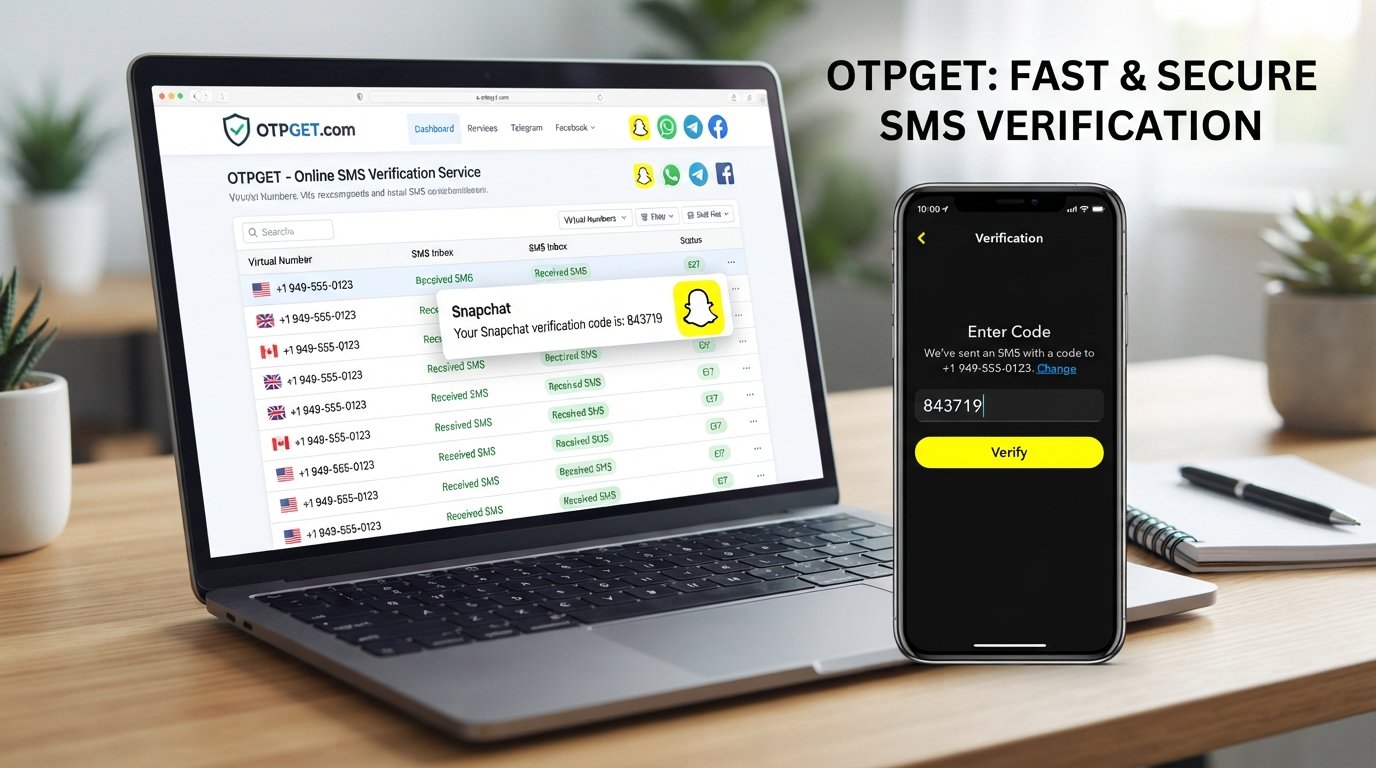
For users looking for a practical SMS verification number, OTPGET is a useful option to consider. It provides access to OTP/SMS receiving functionality, allowing users to check for verification messages through an online service when the relevant service and number are supported.
The general process is straightforward:
- Visit OTPGET.
- Select the relevant service if it is available.
- Choose an available phone number.
- Enter the provided number where SMS verification is supported.
- Wait for the incoming verification SMS.
- Retrieve the OTP from OTPGET.
- Enter the code into the relevant verification screen.
- Complete the verification process if the code is accepted.
The exact options, number availability, and supported services can vary. It is therefore best to check the available choices on OTPGET before starting a verification request.
For someone searching for a Free Fire temporary number or an online SMS verification option, this workflow can be simpler than repeatedly waiting for an SMS on a personal number.
Why Choose OTPGET for Free Fire OTP Verification?
The main advantage of using an OTP receiving service is convenience. Instead of depending exclusively on your everyday phone number, you can use an available online SMS verification number when the relevant verification service supports it.
OTPGET can be particularly useful when you want to:
- Access an SMS verification number online
- Keep a personal phone number separate from a particular verification request
- Retrieve an OTP through an online service
- Use a temporary number for an appropriate short-term verification purpose
- Simplify the process of checking for an incoming SMS code
OTPGET should not be viewed as a way to bypass account security or platform restrictions. It is a third-party OTP/SMS receiving solution, not an official Free Fire or Garena service.
Whether a particular number works depends on the verification system, the number's availability, SMS delivery, and other technical factors. For important long-term accounts, users should also consider whether they need continued access to the phone number for future recovery or security checks.
Free Fire OTP Number vs. Your Personal Phone Number
Choosing between a personal number and a temporary or virtual number depends on what you need and how important long-term access is.
| Feature | Personal Mobile Number | Temporary/Virtual Number |
|---|---|---|
| Long-term control | Usually high | May be limited |
| SMS access | Through your mobile device | Through an online service |
| Privacy from a particular service | Lower | Can offer more separation |
| Suitable for recovery | Often better | Can be less suitable |
| Convenience for temporary verification | May be unnecessary | Often more convenient |
| Continued access | Generally expected | Depends on the service |
A temporary number can be convenient for a short verification task, but it should not automatically replace a personally controlled number for accounts where reliable future recovery matters.
How to Receive a Free Fire Verification Code Using OTPGET
If you want to receive Free Fire OTP through an online SMS service, keep the process simple.
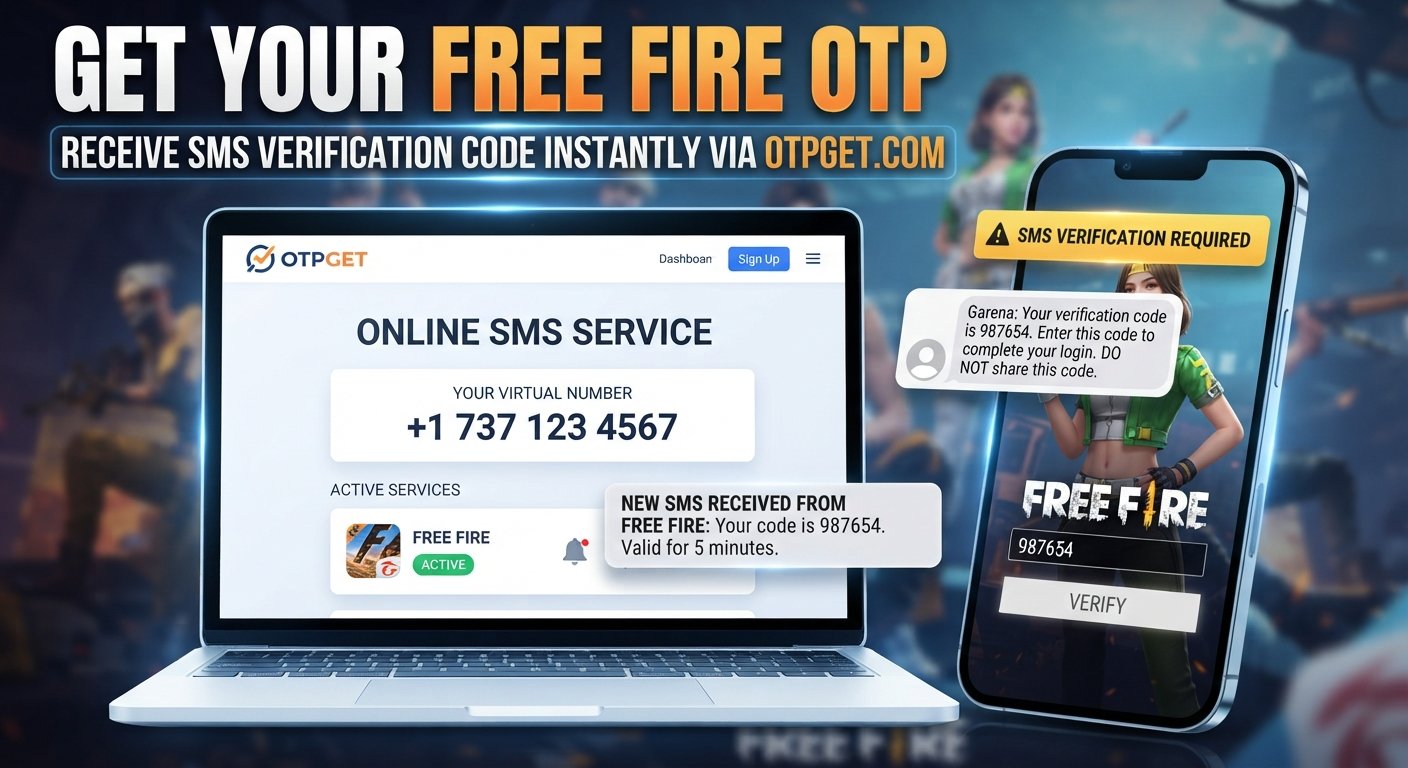
First, check OTPGET for an available OTPGET OTP number or relevant SMS verification option. If the service is available for the verification process you are completing, select a suitable number and enter it carefully.
Next, submit the verification request through the relevant Free Fire-related screen. Return to OTPGET and check whether the SMS has arrived. If the verification message appears, copy the Free Fire SMS code and enter it into the appropriate verification field before the code expires.
If the message does not appear, avoid immediately sending many new requests. Check the number, wait briefly, and consider whether the number or verification route is supported.
This approach gives beginners a simple way to receive OTP online without unnecessarily complicating the verification process.
Common Reasons Your Free Fire OTP May Not Arrive
If your Free Fire verification code is missing, work through the basics before trying repeatedly.
- Wrong phone number: Recheck every digit and the country code.
- Expired request: Start a fresh verification request if the previous one is no longer valid.
- SMS delivery delay: Give the system some time to process the message.
- Unsupported number: The verification service may not accept a particular temporary or virtual number.
- Network issues: SMS infrastructure can experience temporary interruptions.
- Too many requests: Repeated attempts can interfere with which OTP is currently valid.
- Service-side problems: The verification provider may be experiencing a temporary issue.
A practical troubleshooting approach is to verify the number first, wait for the current request, and avoid generating multiple OTPs in quick succession. If the service does not support the selected number, using another supported option may be necessary.
Is It Safe to Use a Temporary OTP Number?
A temporary number can be useful, but it comes with an important consideration: future access.
If a number is temporary or shared through an online service, you may not control it permanently. That can create problems if an account later requires the same number for recovery, password resets, or additional security verification.
For that reason, a temporary SMS number can make sense for an appropriate short-term verification task, but a personally controlled phone number may be a better choice for important accounts that you expect to keep and recover over time.
You should also follow the rules of the relevant game or service. An OTP receiving service should be used for legitimate verification purposes, not for bypassing security systems, restrictions, bans, or identity requirements.
Tips for a Smoother Free Fire SMS Verification Experience
A few simple habits can make SMS verification less frustrating:
- Enter the phone number carefully, including the correct country code when required.
- Request an OTP only when you are ready to complete the verification.
- Avoid repeatedly requesting codes within a short period.
- Check the SMS status before starting another request.
- Use a number supported by the verification service when possible.
- Enter the OTP before it expires.
- Never share an OTP with another person, even if they claim to need it for support.
These steps cannot guarantee delivery, but they can help reduce common verification mistakes.
Frequently Asked Questions
1. What is a Free Fire OTP number?
A Free Fire OTP number is a phone number used to receive a one-time SMS verification code when phone verification is supported for a particular Free Fire-related process. It can be a personal number, temporary SMS number, or virtual phone number, depending on what the verification system accepts.
2. How can I receive a Free Fire OTP code?
If SMS verification is requested, enter a supported phone number and submit the verification request. If you are using an online SMS service such as OTPGET, select an available number when applicable, wait for the incoming message, and enter the received code before it expires.
3. Can I receive a Free Fire SMS code online?
Potentially, yes. An online SMS service can provide access to a phone number capable of receiving messages when the relevant verification system supports that number. Availability and acceptance depend on the service handling the verification and the specific number being used.
4. What is OTPGET?
OTPGET is a third-party OTP and SMS receiving solution. It can help users access SMS verification numbers online and retrieve incoming verification codes where the relevant service and number are supported. It is not an official Free Fire or Garena service.
5. How does OTPGET help with SMS verification?
OTPGET can provide an online route for receiving SMS verification messages through an available number. The general process involves selecting a suitable number, using it for a supported verification request, and checking OTPGET for the incoming SMS code.
6. Why is my Free Fire verification code not arriving?
An OTP may be delayed because of network or SMS delivery problems, an incorrect number, an unsupported number, an expired request, repeated verification attempts, or a temporary issue with the relevant service. Check the number and request status before trying again.
7. Can I use a temporary number for SMS verification?
A temporary number may be usable when the relevant verification service accepts it. However, temporary numbers may not remain accessible, so they may be unsuitable for accounts that require the same number for long-term recovery or future security checks.
8. Is an OTP the same as a password?
No. An OTP is a temporary verification code designed for a specific authentication or confirmation event. A password is normally a longer-term credential chosen or assigned for account access. You should protect both, but an OTP generally expires after a limited period or after being used.
Need a Free Fire OTP Number?
If you need an SMS verification number and do not want to rely on your everyday phone number, an online OTP receiving service can be a practical option when the relevant verification system supports it.
OTPGET is worth considering for users who want a straightforward way to access an SMS verification number and check for an incoming code online. Before using any temporary number, make sure it is appropriate for your specific verification purpose and that you understand the limitations of temporary access.
For a simple verification workflow, check the available options on OTPGET, select a suitable number when available, and use the received code only for the legitimate verification process it was requested for.
Conclusion
Receiving an SMS verification code should be a straightforward part of account verification, but delays, unsupported numbers, and network issues can sometimes make the process frustrating. Understanding how OTPs work and knowing the difference between personal, temporary, and virtual numbers can help you choose the right approach.
For users seeking an online SMS verification option, OTPGET provides a practical third-party solution for accessing an OTP number and checking for incoming verification messages when supported. Use it responsibly, protect every verification code, and consider a personally controlled number for accounts that require reliable long-term recovery.
When you need a Free Fire OTP Number, the right approach is to use a supported verification method, follow the applicable rules, and treat every OTP as sensitive account information.