Get OTP Reliably With Fresh Virtual Numbers Using OTPGET Online
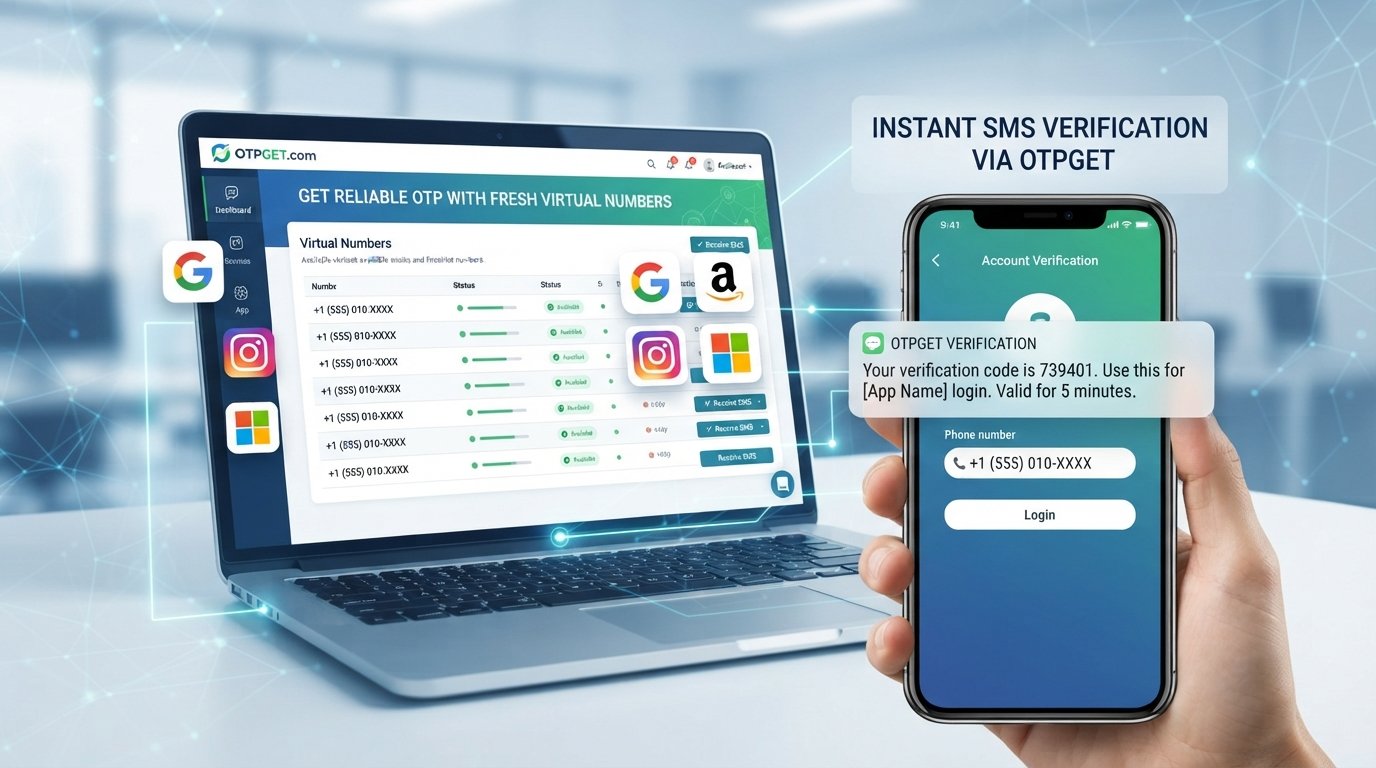
Get OTP Reliably With Fresh Virtual Numbers
Few things are more frustrating than waiting for a verification code that never arrives.
You enter a phone number, request an OTP, and expect a simple SMS. Instead, the message is delayed, the number is rejected, or the verification attempt expires before you can complete it. Sometimes the problem is not your connection at all. The number itself may no longer be suitable for the verification process.
That is where fresh virtual numbers can be useful.
A virtual number can provide an alternative way to receive verification messages without relying on your primary personal phone number for every online service. For users who regularly encounter SMS verification, the right virtual number service can make the process more convenient and easier to manage.
If your goal is to get OTP reliably with fresh virtual numbers, it helps to understand why OTP delivery fails, what makes a number suitable for verification, and what to look for in a service such as OTPGET.
Why OTP Verification Can Be Frustrating
One-time passwords are designed to add another layer of verification, but the delivery process is not always smooth.
Several factors can interfere with receiving an OTP:
- Delayed SMS delivery: A verification message may take longer than expected to arrive.
- Network or carrier issues: Problems somewhere between the sender and recipient can affect SMS delivery.
- Reused numbers: A heavily reused number may already be associated with previous verification activity.
- Service restrictions: Some websites and apps may limit or reject certain types of phone numbers.
- Expired availability: A number may no longer be available when you need to receive a message.
- Privacy concerns: You may simply prefer not to give your personal phone number to every service that requests verification.
None of these issues means that OTP verification is inherently unreliable. They do, however, show why the number being used can make a difference.
What Are Fresh Virtual Numbers?
A virtual phone number is a number that can be used to communicate or receive messages without necessarily being tied to a traditional physical SIM in the user's device.
For SMS verification, a virtual number may allow a user to receive a verification message through an online service rather than directly on their everyday mobile phone.
The word fresh is particularly relevant.
In the context of OTP and SMS verification, a fresh number generally refers to a number with relatively limited prior use for the particular verification workflow. Freshness can matter because numbers that have been repeatedly used across different registration or verification attempts may be more likely to encounter restrictions.
A virtual number is not automatically suitable for every website or application. Acceptance depends on the individual service and its verification policies. That is why choosing an appropriate number and provider matters.
Why Fresh Numbers Matter for OTPs
When you need a number for online verification, freshness can be an important consideration.
A number that has seen less reuse may provide a cleaner starting point for a temporary verification workflow. This does not guarantee acceptance by every platform, but it can reduce some of the complications associated with heavily reused numbers.
Fresh virtual numbers can be useful because they may offer:
- Less dependence on a personal number
- A more convenient verification workflow
- Reduced concerns about previous number usage
- Greater flexibility for temporary verification needs
- An alternative for services that support virtual numbers
The key is to think of freshness as one factor rather than a guarantee. A good verification experience also depends on the target platform, SMS availability, number status, and the policies governing the service.
How to Receive OTPs With a Virtual Number
For someone new to online SMS verification, the process can be straightforward.
1. Choose a suitable virtual number
Start by selecting a number appropriate for the verification task. Consider whether the target service permits virtual numbers and whether the number is currently available for SMS reception.
2. Select the service requiring verification
Open the website, app, or platform where you need to complete phone verification.
3. Enter the virtual number
Where virtual numbers are permitted, enter the selected number into the phone-number field.
4. Request the OTP
Submit the verification request and wait for the SMS containing the one-time password.
5. Retrieve the verification message
Check the service providing the virtual number for the incoming SMS.
6. Enter the OTP
Copy the verification code into the original verification page before the code expires.
7. Complete verification
If the code is accepted, finish the registration, login, testing, or other legitimate workflow.
Avoid repeatedly requesting new codes in quick succession. Multiple requests can sometimes create confusion or trigger additional verification restrictions.
OTPGET: A Practical Solution for Reliable OTP Access
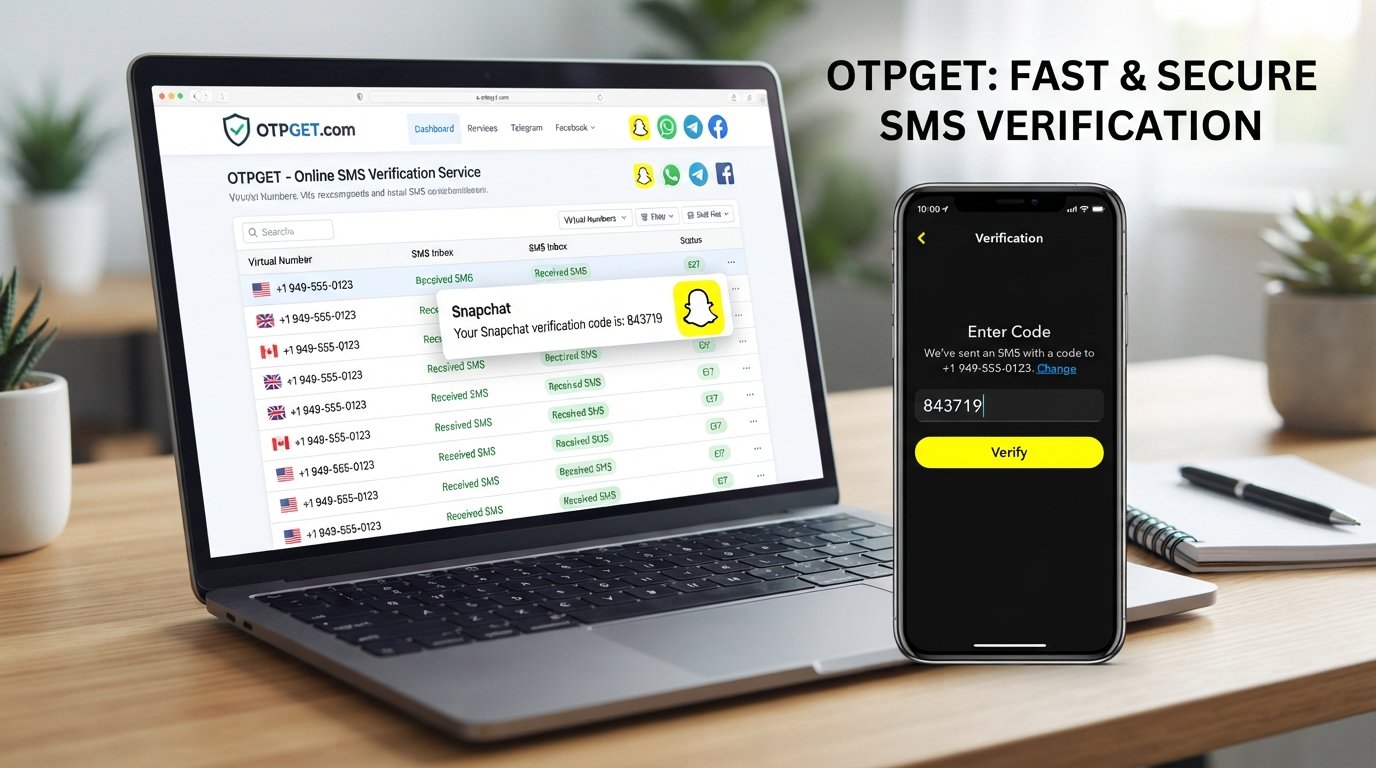
For users looking for fresh virtual numbers, OTPGET provides a practical option to consider when handling supported OTP and SMS verification needs.
The value of a service like OTPGET is not simply having access to another phone number. It is about making the verification workflow easier to manage when using a personal number is inconvenient or unnecessary.
OTPGET can be useful for people who need a straightforward approach to receiving verification messages through virtual numbers. Instead of treating every OTP request as a reason to expose a primary personal number, users can consider whether a suitable virtual number is appropriate for the particular verification task.
The process can be especially convenient when the need is temporary. For example, a user working with a supported online service may need to complete a single verification step without making that number part of their everyday contact information.
Of course, the target platform still determines whether a virtual number is accepted. OTPGET should therefore be viewed as a practical tool for supported verification scenarios rather than a way to bypass a platform's security requirements.
What to Look for in a Virtual Number Service
Not every virtual number service provides the same experience. Before choosing one, consider several practical factors.
Number freshness
Freshness can be important when a number has been used repeatedly for verification. Look for a service that clearly focuses on providing suitable numbers rather than relying on heavily reused options.
SMS reception
If your goal is to receive OTPs, SMS reception is fundamental. The service should provide a clear way to access incoming verification messages.
Availability
A number needs to be available when you actually need it. Availability can affect how smoothly a temporary verification workflow goes.
Ease of use
A complicated interface can make a simple OTP task unnecessarily frustrating. Look for a straightforward process for selecting a number and checking incoming messages.
Supported verification scenarios
Some platforms may restrict virtual, VoIP, or temporary numbers. Always check the rules of the service you are attempting to verify.
Transparency
A reputable service should make its process understandable rather than relying on vague promises about guaranteed verification.
Responsible usage
Virtual numbers should be used for legitimate purposes. They are not a substitute for following a platform's rules or security requirements.
Common Uses for Virtual Numbers and OTP Verification
There are several legitimate situations where a virtual number can be useful.
For example, developers and QA teams may need numbers while testing registration and verification flows. A separate number can make repeated testing easier to organize without involving personal contact details.
Other possible uses include:
- Testing signup and login workflows
- Protecting personal contact information where permitted
- Temporary verification for supported services
- App and website testing
- Development and quality assurance
- Separating temporary verification needs from a primary number
- Business workflows that support virtual numbers
- Receiving verification SMS from compatible online platforms
The important distinction is responsible use. A virtual number should not be used to impersonate someone, create fraudulent accounts, spam users, bypass security controls, or violate the terms of a platform.
Fresh Virtual Numbers vs. Reused Numbers
Fresh and reused numbers can behave differently during verification. The comparison below highlights why freshness may matter.
| Factor | Fresh Virtual Number | Heavily Reused Number |
|---|---|---|
| Number history | Generally less prior use | May have substantial prior use |
| Reuse concerns | Lower potential for previous associations | Greater potential for previous associations |
| Verification workflow | Often more suitable for temporary needs | May encounter additional complications |
| Convenience | Useful for specific temporary tasks | Can be less predictable |
| Platform acceptance | Depends on the target service | Depends on the target service |
| Best suited for | Supported temporary verification | Situations where reuse is acceptable |
This does not mean a fresh number will work everywhere. Platform policies, number type, availability, and other technical factors still influence the outcome.
Tips for Getting OTPs More Reliably
If you want to receive OTP online with fewer avoidable problems, a few simple habits can help.
Choose the right number. Make sure the number is appropriate for the service you are verifying.
Check the platform's rules. Some websites do not accept virtual numbers. Knowing this before starting can save time.
Request the code only when ready. Have the verification page open before requesting an OTP so you can enter the code promptly.
Avoid repeated requests. Requesting multiple codes in rapid succession can result in confusion or temporary restrictions.
Check the number's status. If a number is no longer available or active for the intended purpose, continuing to request codes will not solve the problem.
Use a suitable service. A provider such as OTPGET can be considered when you need fresh virtual numbers for supported SMS verification workflows.
Use verification responsibly. Always follow the target platform's rules and use virtual numbers for legitimate purposes.
Is Using a Virtual Number for OTP Verification Safe?
The answer depends on how the number is provided, which service you are verifying, and how you use it.
A virtual number can be useful for reducing unnecessary exposure of your personal phone number. However, that does not automatically make every virtual-number workflow private or secure.
Before using a virtual number, consider:
- Who provides access to the number
- How incoming verification messages are handled
- Whether the target platform permits virtual numbers
- Whether the number is appropriate for the account or workflow
- Whether sensitive information could appear in the received SMS
- Whether you need the number again for future account access
For important accounts, consider the platform's recommended security options rather than assuming a temporary number is appropriate.
Most importantly, an OTP is a security credential. Treat verification codes carefully and never share them with people who should not have access to the account.
Frequently Asked Questions
What is a virtual number for OTP verification?
A virtual number is a phone number accessed through an online service rather than necessarily through a physical SIM in your personal device. When supported, it can receive SMS verification codes for legitimate online workflows.
Can I receive OTPs online with a virtual number?
Yes, when the virtual number supports SMS reception and the website or application accepts that type of number. The exact experience depends on both the provider and the target platform.
Why are fresh virtual numbers useful?
Fresh numbers can reduce some of the issues associated with heavily reused numbers. They may be particularly useful for temporary verification, testing, or situations where using a personal number is unnecessary.
Does every website accept virtual numbers?
No. Some websites and applications restrict virtual or temporary numbers. Always check the verification requirements of the platform you are using.
How does OTPGET help with OTP verification?
OTPGET provides a practical option for users seeking fresh virtual numbers for supported SMS and OTP verification workflows. It can simplify the process of obtaining a number and accessing the relevant verification message.
Can I use a virtual number instead of my personal phone number?
For supported services, a virtual number can be an alternative to using a personal phone number. Whether it is appropriate depends on the platform's rules and the purpose of the verification.
What should I check before choosing an OTP receiving service?
Consider number freshness, SMS reception, availability, ease of use, supported verification scenarios, transparency, and responsible-use policies. These factors can help you choose a service that fits your needs.
Final Thoughts
OTP verification does not have to become a frustrating cycle of requesting codes, waiting for messages, and wondering whether a number will be accepted.
Fresh virtual numbers can provide a practical alternative for supported online verification tasks, particularly when users want to reduce reliance on a personal phone number or need a number for temporary testing and verification workflows.
The important part is choosing the right number, understanding the target platform's requirements, and using the service responsibly.
For users who want a straightforward option for fresh virtual numbers and online SMS verification, OTPGET is worth considering. It can help simplify the process of accessing verification messages while giving users an alternative to relying on their primary phone number for every supported verification task.
If you regularly encounter OTP verification requirements, exploring OTPGET can be a practical next step.