Get OTP for Business and Personal Accounts Securely | OTPGET
Get OTP for Business and Personal Accounts
OTP verification is now a familiar part of signing up, logging in, recovering an account, and confirming that a phone number or email address belongs to the person using it. For individuals, that can be as simple as receiving a verification code before completing a registration. For businesses, OTPs can become part of larger onboarding, testing, and account-verification workflows.
The challenge is that getting a verification code is not always as convenient as it sounds. Messages can be delayed, a personal number may not be suitable for every legitimate verification workflow, and businesses may need a practical way to handle multiple verification scenarios.
That is where an online OTP service can be useful. OTPGET provides virtual numbers and OTP verification services designed to help users receive verification messages online, giving individuals and businesses another practical option when handling legitimate verification needs.
What Is an OTP and Why Is It Used?
An OTP, or one-time password, is a temporary verification code used to confirm a user's identity or control of a phone number, email address, or account.
Unlike a permanent password, an OTP is generally intended for a specific verification event and has a limited useful lifetime. This makes one-time passwords particularly useful for actions where a service needs an additional confirmation step.
Common legitimate uses include:
- Account verification during registration
- Login confirmation and additional authentication
- Password recovery
- Business account onboarding
- Phone verification
- Testing account-verification workflows
- Development and QA testing of SMS-based verification
For example, a website may ask a new user to enter a verification code sent by SMS. Once the correct code is entered, the service can confirm that the user has access to the number provided.
For developers and businesses, verification is also part of the broader process of building trustworthy onboarding and authentication experiences.
[Internal Link: OTP verification]
Why People Need OTP for Business and Personal Accounts
The requirements for OTP for business accounts and OTP for personal accounts are often different, even though both rely on the same basic verification concept.
OTP for Business Accounts
Businesses may encounter verification requirements while setting up legitimate services, testing applications, onboarding users, or managing separate business workflows.
A development team, for example, may need to test what happens when a verification message is sent, received, delayed, or entered incorrectly. Using an appropriate online verification service can make these workflows easier to manage without relying on an employee's personal phone for every test.
Businesses may also benefit when they need to keep business-related verification separate from personal communications.
OTP for Personal Accounts
Individuals may want an alternative to repeatedly sharing their primary phone number with online services. A virtual phone number for verification can provide a practical option for legitimate account-verification situations where a separate number is appropriate.
The important distinction is legitimate use. An OTP service should support normal verification workflows, privacy-conscious registration, testing, and account management—not attempts to defeat security controls or platform restrictions.
Common Problems With OTP Verification
OTP verification sounds simple, but the experience can become frustrating when the delivery process does not work as expected.
Delayed Messages
SMS delivery can sometimes take longer than expected. If a verification code expires before it arrives, the user may have to request another code.
Unavailable Numbers
Not everyone has a suitable phone number for every legitimate verification workflow. International users may also face practical limitations when a particular number or mobile service is unavailable to them.
Privacy Concerns
People may prefer not to use their primary personal number for every online registration. Keeping personal and verification-related communication separate can be useful when appropriate.
Expiring Codes
Verification codes are temporary by design. A code that arrives too late or is entered after its validity period may no longer work.
Multiple Verification Workflows
Businesses, testers, and developers can encounter several legitimate verification scenarios at once. Managing these manually can create unnecessary friction.
These challenges explain why people search for ways to receive OTP online rather than relying exclusively on a personal SIM card.
How to Get OTP Online
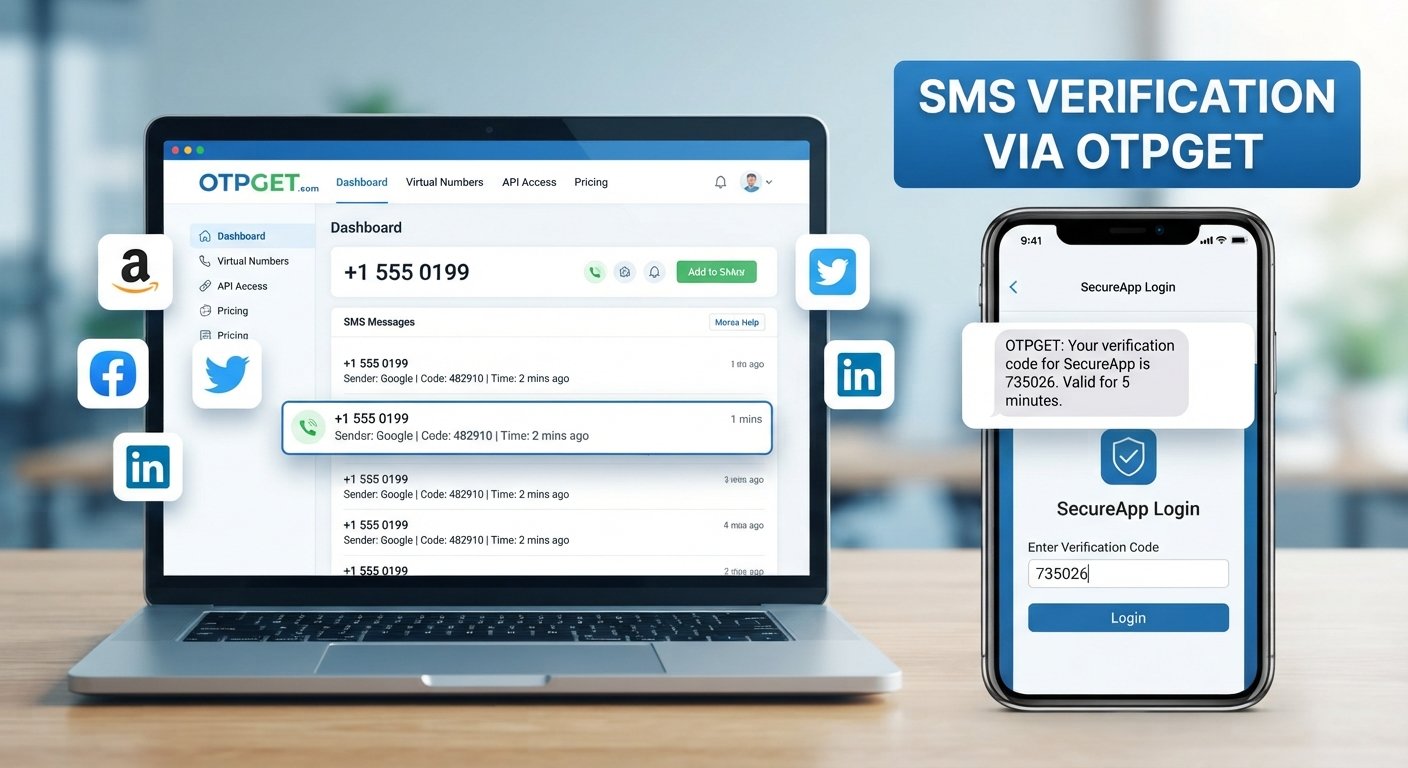
A legitimate OTP receiving service typically provides access to a phone number or other supported verification method and displays incoming verification messages through an online interface.
The general workflow is straightforward: select an appropriate number or verification option, use it for an authorized verification process, and monitor the service for the incoming code.
When evaluating an online OTP service, however, convenience should not be the only consideration.
Look for factors such as:
- Availability of suitable numbers
- Reliable message delivery
- Clear pricing
- Ease of use
- Privacy practices
- Supported verification workflows
- Number availability in relevant regions
- Clear acceptable-use policies
- Customer support
The right choice depends on the purpose. Someone performing a single legitimate verification may have different requirements from a business testing an onboarding flow repeatedly.
Why OTPGET Can Be a Practical Solution
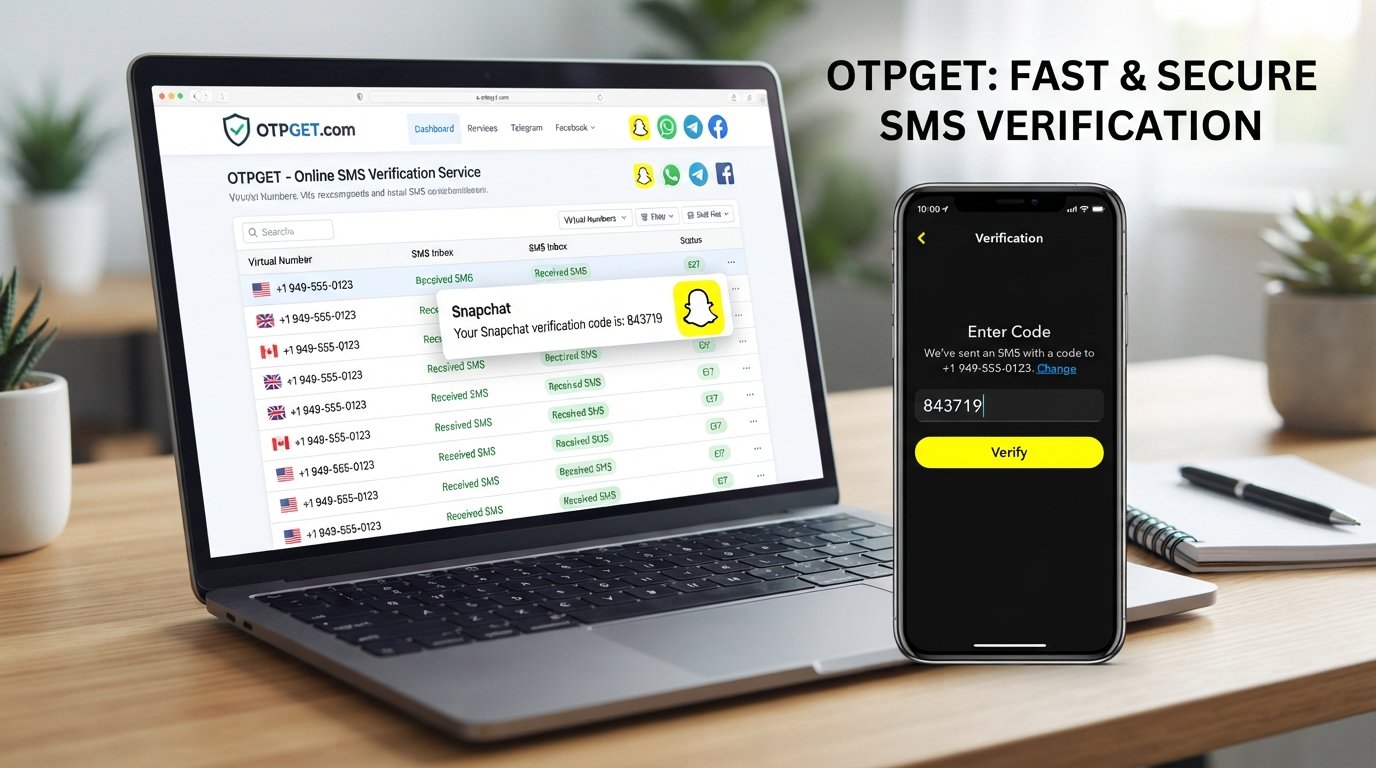
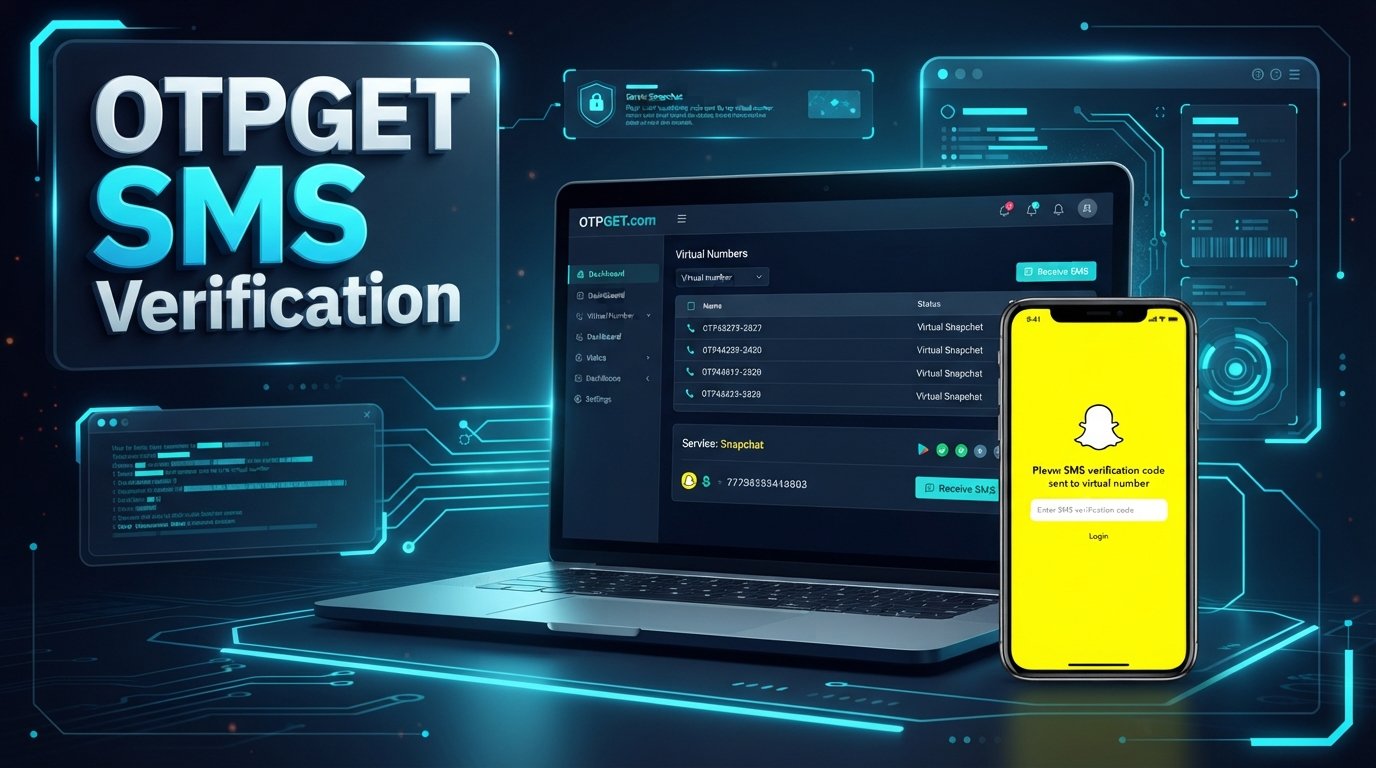
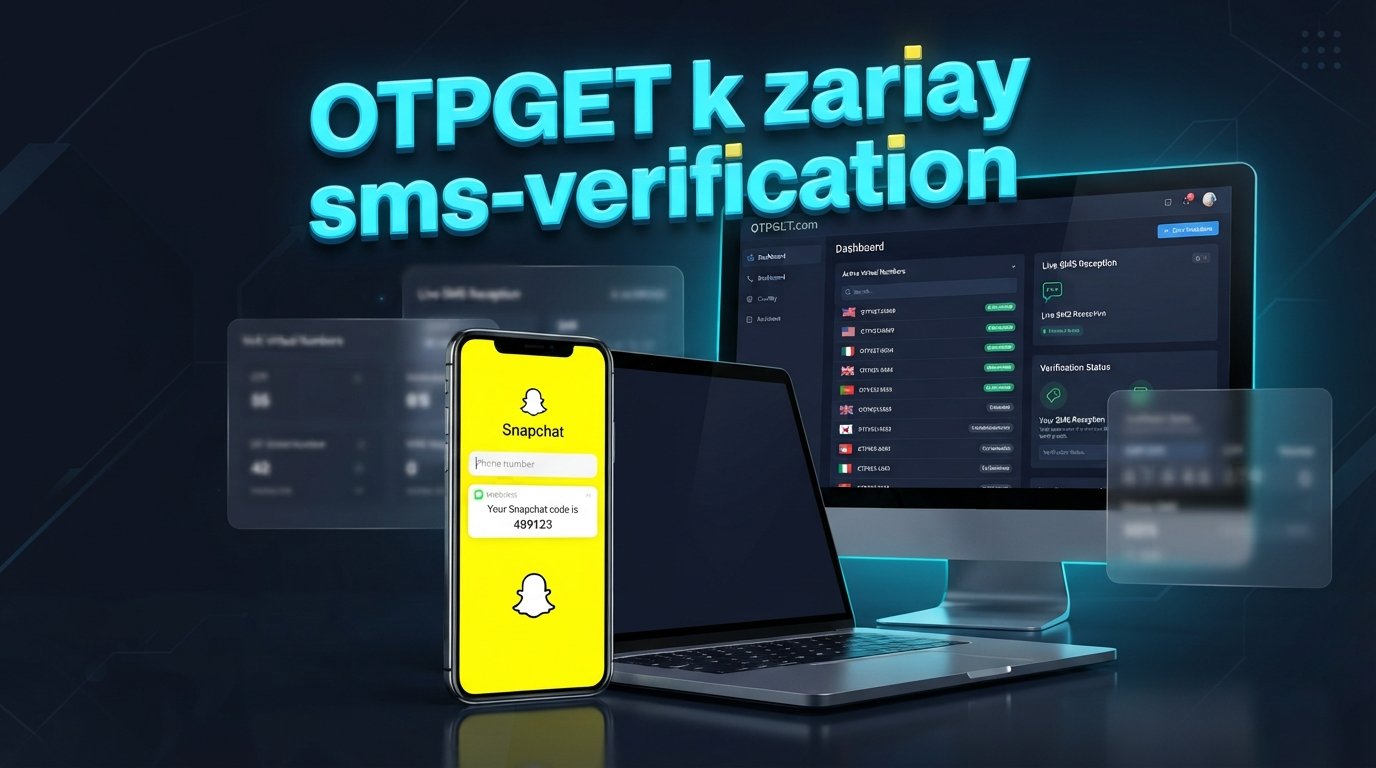
OTPGET is built around virtual phone numbers and online OTP verification, making it relevant for users who need a practical way to receive verification codes without depending exclusively on a physical SIM. Its official site describes support for virtual numbers and OTP verification across a broad range of services and countries.
The platform can be useful when the goal is simply to make legitimate verification workflows easier to manage.
Some of the practical reasons users may consider OTPGET include:
- Convenient OTP access: Verification messages can be accessed through the platform rather than requiring a physical SIM for every situation.
- Online verification workflows: OTPGET is designed around receiving verification messages online.
- Virtual number access: A virtual number can help separate certain verification activities from a primary personal number.
- Business and personal use: The service is relevant to both individual verification needs and legitimate business workflows.
- Testing and development: Online numbers can be useful when teams need to test SMS verification flows in an appropriate development or QA environment.
- Broad availability: OTPGET states that it serves users across many countries and supports thousands of services.
OTPGET also describes features including temporary number rentals, developer API access, and support resources on its official platform.
These capabilities make OTPGET worth considering when users want an online alternative for legitimate phone verification.
[Internal Link: OTP service]
OTPGET for Business Accounts
For businesses, OTPGET can fit into verification workflows where a dedicated or virtual number is more practical than repeatedly using an employee's personal phone.
Consider a software team testing a registration process. Instead of treating each verification attempt as a manual interruption, the team can use an appropriate verification number as part of its testing process.
Other legitimate business scenarios may include:
- Testing account onboarding flows
- Checking SMS verification behavior
- Managing business registration workflows
- Separating business and personal verification needs
- Supporting development and QA processes
- Handling legitimate phone-verification requirements
The key is to use the service within the rules of the platform being verified. OTPGET should be viewed as a verification utility, not a way to bypass a service's security requirements.
For teams that need more structured verification workflows, OTPGET also advertises developer API capabilities, which may be relevant when integrating verification functionality into legitimate applications or internal systems.
OTPGET for Personal Accounts
For individuals, the main appeal can be convenience and separation.
Using a suitable virtual number may help when someone needs to complete a legitimate verification process but does not want to use their primary personal number for that particular activity.
For example, someone might want a separate number for a temporary project, application testing, or an online service where a secondary verification number is appropriate.
OTPGET's own materials describe virtual numbers as useful for privacy-conscious users and temporary verification needs.
As with any verification service, users should still check the rules and requirements of the website or application they are using. Some platforms may restrict virtual, temporary, or shared numbers.
What to Look for in an OTP Service
Before choosing an online OTP service, consider the following checklist.
Reliability
A verification code is only useful if it arrives when you need it. Look for a service with a practical track record of message availability rather than choosing solely on price.
Ease of Use
The process should be understandable without unnecessary technical steps, particularly for personal users.
Privacy
Review how the provider handles phone numbers, verification messages, account information, and other data.
Availability
If your legitimate verification workflow requires a number from a particular region, check whether the provider supports the required availability.
Message Delivery
Fast and dependable delivery can make a significant difference when verification codes have limited validity.
Transparent Pricing
Understand what you are paying for and whether numbers are rented, temporary, or otherwise subject to usage limits.
Support
Businesses and developers should consider whether help is available when a verification workflow does not behave as expected.
Legitimate Usage Policies
A reputable service should make its acceptable-use expectations clear. Users should never assume that an OTP service gives them permission to circumvent another platform's rules.
OTPGET vs. Traditional OTP Verification Methods
Traditional verification usually means receiving an SMS on a physical mobile number that you already control. That remains a sensible choice for many everyday situations, especially when you want a long-term number associated with your identity.
An online OTP service provides a different workflow.
| Traditional Method | Online OTP Service |
|---|---|
| Uses a physical SIM or personal number | Can use a virtual number |
| Useful for long-term personal identity | Useful for appropriate temporary or separate verification needs |
| Requires access to the physical device | Verification can be managed online |
| Convenient for everyday communications | Useful for selected verification workflows |
| May expose your primary number to more services | Can help separate verification activity from a primary number |
Neither approach is universally better. The right option depends on the verification requirement, the service's policies, privacy considerations, and how often the number needs to be used.
For people and businesses who specifically need an online number for OTP, OTPGET offers a practical alternative worth exploring.
Frequently Asked Questions About Getting OTPs
How can I get an OTP online?
You can use a legitimate online OTP service that provides an appropriate virtual number or verification method. After using the number for an authorized verification process, the service can display the incoming verification message. Always follow the rules of the website or application being verified.
What is an OTP receiving service?
An OTP receiving service provides a way to access verification messages online, commonly through virtual phone numbers. It can be useful for legitimate account verification, privacy-conscious workflows, and testing.
Can OTPGET be used for business accounts?
Yes. OTPGET is relevant to legitimate business verification scenarios, including onboarding, testing, and workflows where businesses need access to virtual numbers for verification. Its official site also describes developer API capabilities.
Can OTPGET be used for personal account verification?
OTPGET is designed around virtual numbers and OTP verification, making it relevant to legitimate personal verification needs. Users should confirm that the service they are verifying permits the use of virtual or temporary numbers.
What is the difference between an OTP and a verification code?
In everyday usage, the terms are often interchangeable. An OTP is a type of verification code intended for one-time use or a limited verification event.
Is receiving OTP online safe?
Safety depends on the provider, the verification workflow, and how the service handles information. Review privacy practices, usage policies, number ownership, and the security requirements of the service you are accessing. Never share sensitive OTPs with people who should not have access to them.
What should I consider when choosing an OTP service?
Consider reliability, availability, privacy, delivery speed, pricing, supported verification workflows, ease of use, and customer support. Also check whether the service is compatible with the legitimate use case you have in mind.
Final Thoughts
Getting a verification code should not have to become a complicated part of an otherwise simple account workflow. Whether the requirement involves personal account verification, business onboarding, application testing, or another legitimate use case, having the right verification option can reduce unnecessary friction.
The most important step is choosing an OTP service based on the actual requirement rather than simply looking for the cheapest number available. Reliability, privacy, availability, ease of use, and legitimate usage policies all matter.
OTPGET provides a practical option for users who need virtual numbers and online access to OTP verification. Its platform is designed around convenient verification workflows and supports use cases ranging from individual needs to business and development scenarios.
If you need a practical way to get OTP for business and personal accounts, explore OTPGET and determine whether its available verification options fit your specific, authorized workflow.
[Internal Link: Business account verification]
[Internal Link: Personal account verification]
8. FAQ Section
The FAQ section is included above within the article for stronger on-page search intent coverage. It answers seven common queries around getting OTP online, OTP receiving services, OTPGET, personal and business verification, safety, and service selection.
9. Suggested Internal Links
- OTP service → [Internal Link: OTP service]
- OTP verification → [Internal Link: OTP verification]
- Business account verification → [Internal Link: Business account verification]
- Personal account verification → [Internal Link: Personal account verification]