Get OTP Fast Without Waiting for Your Carrier Using OTPGET
Get OTP Fast Without Waiting for Your Carrier
Waiting for a verification code can be surprisingly frustrating. You enter your phone number, request an OTP, and then stare at the screen while the message takes longer than expected. Sometimes the SMS arrives late, sometimes network conditions interfere, and sometimes you simply need a verification code without relying on your regular carrier.
That is where an alternative OTP receiving service can be useful.
OTPGET provides a practical option for receiving supported OTP and verification messages online, giving users another way to handle legitimate verification needs when traditional carrier SMS delivery is inconvenient. Instead of repeatedly checking your phone and wondering when the message will arrive, you can use a supported number through an online verification workflow.
Before looking at how it works, it helps to understand why OTP delivery can be delayed in the first place.
Why Waiting for an OTP Can Be Frustrating
An OTP, or one-time password, is usually sent as an SMS when a website or application needs to confirm that a phone number is available to the person completing a verification process.
The concept is simple. The service sends a temporary code, you receive it, and you enter it into the verification field.
The frustrating part is the delivery.
A verification message may take longer than expected because of carrier traffic, routing problems, weak connectivity, international SMS handling, or delays on the service sending the message. In some situations, your phone may have a perfectly normal connection while the verification SMS is still somewhere between the sender and your device.
That delay becomes especially inconvenient when you are trying to complete a registration, test an application, or finish a legitimate account verification process.
What Is an OTP and Why Is It Needed?
An OTP is a temporary verification code designed for a specific authentication or confirmation step. Unlike a permanent password, it is generally intended to be used once and within a limited period.
OTP verification is commonly used for:
- Account registration
- Login authentication
- Phone number verification
- Service enrollment
- Application testing
- Development and QA workflows
- Other legitimate confirmation processes
An SMS OTP is one of the most familiar forms. A platform sends a verification SMS containing a short code, and the user enters that code to complete the requested action.
Because the code is time-sensitive, reliable access matters. If the message is delayed or never reaches the intended number, the entire verification workflow can stall.
Why OTP Messages Can Be Delayed
There is rarely one single reason why a verification SMS arrives late. Several parts of the delivery chain can affect timing.
Network congestion
Busy mobile networks can sometimes contribute to slower SMS delivery. This is particularly noticeable when many messages are moving through the network at once.
Carrier and SMS routing delays
Verification messages may travel through multiple systems before reaching a mobile device. Carrier routing and SMS gateway issues can introduce additional delays.
Weak connectivity
A poor mobile connection can make ordinary communication less reliable and may contribute to problems receiving SMS messages.
International delivery
If a verification platform and recipient number are in different countries or regions, international routing can add complexity to SMS delivery.
Service-side delays
The platform generating the OTP may also experience delays. In other words, the problem is not always the carrier. Sometimes the verification service itself takes time to generate or send the message.
For users who need to complete a verification process promptly, these variables can make traditional SMS delivery feel unnecessarily unpredictable.
How to Get an OTP Without Waiting for Your Carrier
When traditional carrier SMS is inconvenient, one legitimate alternative is an online OTP receiving service.
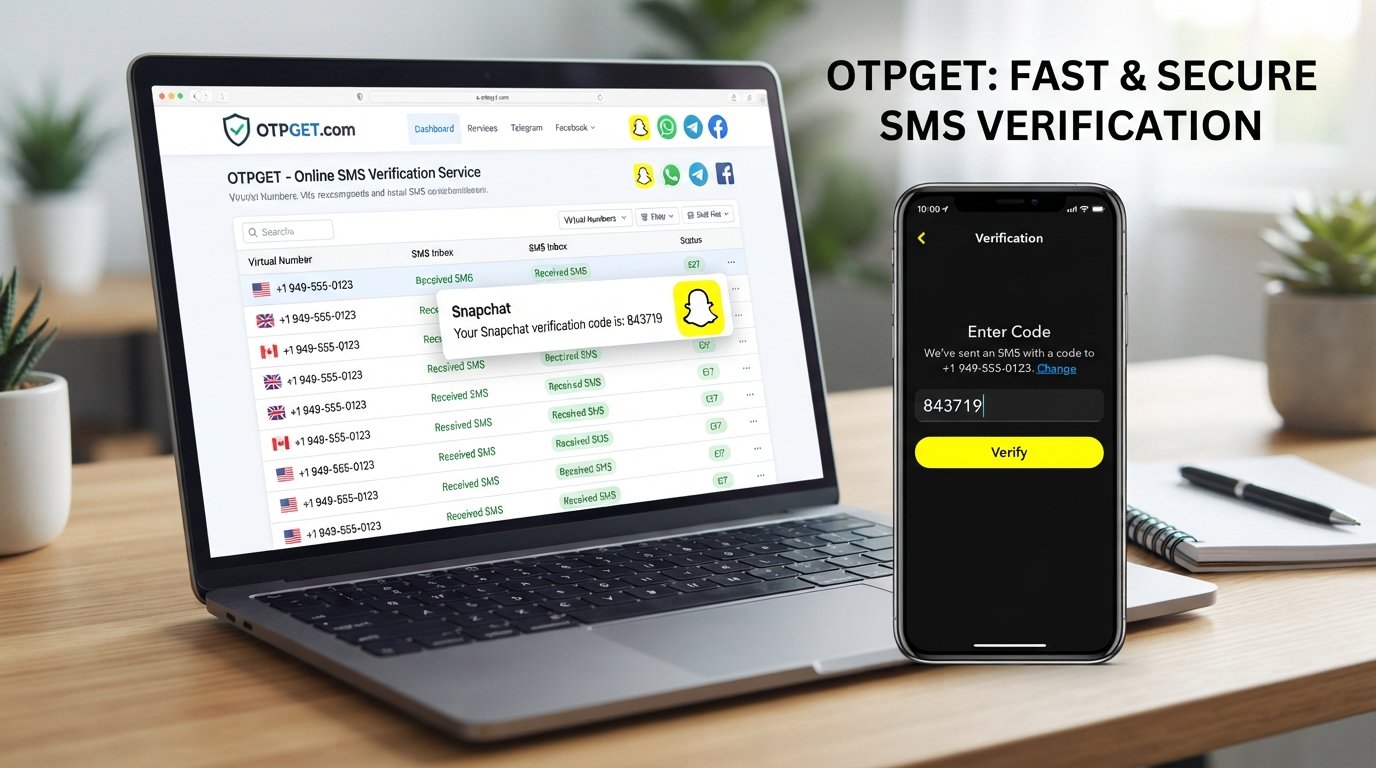
OTPGET is designed around this type of use case. Depending on the service and number availability, it can provide access to a supported number for receiving verification messages online.
The idea is straightforward: rather than depending entirely on your personal mobile number and carrier SMS inbox, you can use an appropriate OTPGET number when the service you are using supports that type of verification.
This can be particularly practical when you need a temporary verification number, are testing an application, or simply want an alternative to your regular phone number for a legitimate online verification task.
The important point is that compatibility depends on the service being verified and the number available. An online number should never be treated as a universal replacement for every verification system.
How OTPGET Makes OTP Verification Easier
The biggest advantage of an OTP receiving service is convenience.
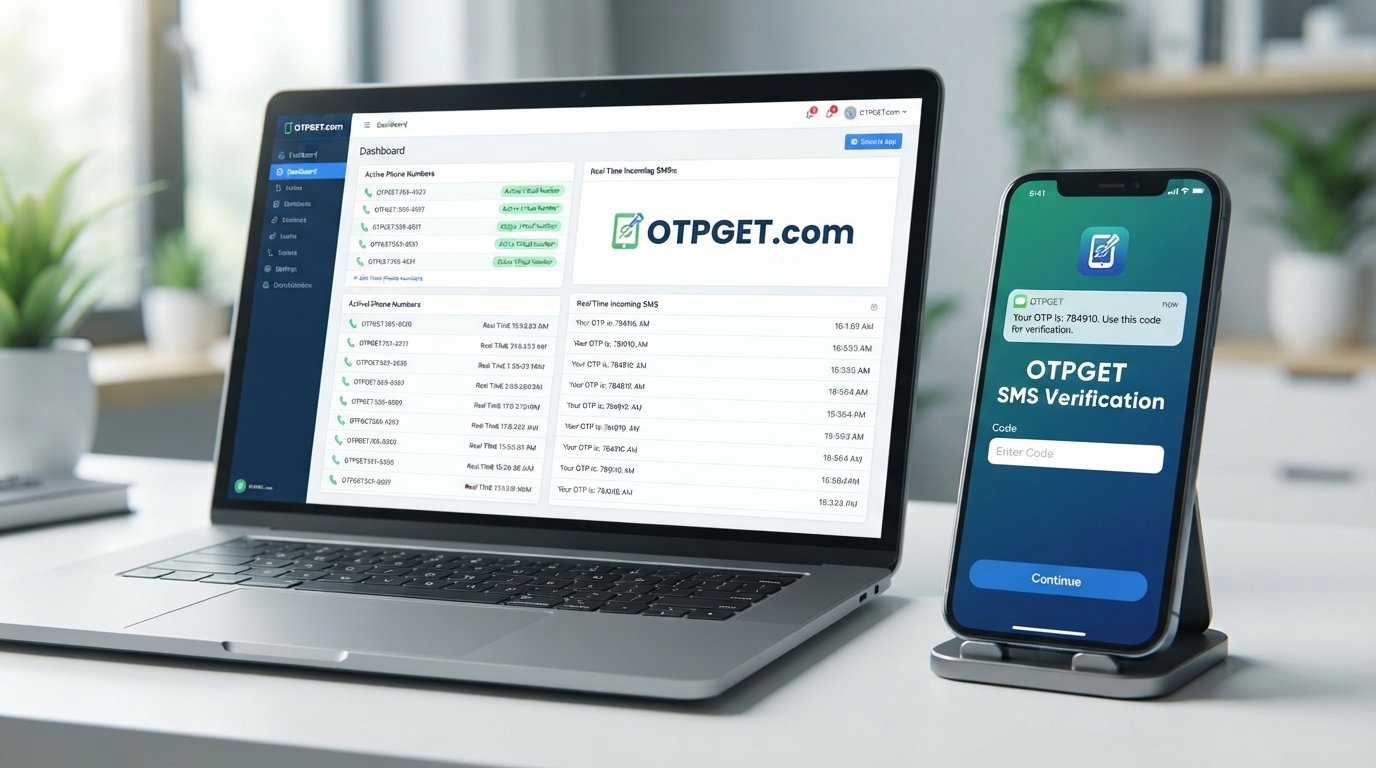
With OTPGET, the verification workflow can be handled through an online interface rather than relying exclusively on your personal carrier SMS delivery. When a supported service sends a verification message to the selected number, you can check for the received code through the available OTPGET workflow.
That can make the process more convenient in situations where waiting for a traditional SMS is frustrating.
Some practical advantages include:
- Convenience: Manage supported verification messages through an online workflow.
- Less dependence on carrier SMS: Use an alternative number when appropriate.
- Useful for temporary needs: A temporary phone number can be practical for certain legitimate verification tasks.
- Simple workflow: The basic process involves selecting a number, requesting verification, and checking for the received code.
- Accessibility: Online access can be more convenient than repeatedly waiting for a personal SMS inbox.
- Practical testing: Developers and QA teams may find temporary numbers useful when testing SMS-based verification flows.
OTPGET should be viewed as a practical tool rather than a guarantee that every verification message will arrive. Availability, compatibility, and delivery can vary by service.
How to Use OTPGET
Using an OTP receiving service is generally straightforward.
- Choose the appropriate service or number.
Select an available OTPGET number that is suitable for the verification task you are completing. - Enter the number where verification is requested.
Use the selected number on the legitimate website or application requesting phone verification. - Request the OTP.
Ask the platform to send its verification code to the selected number. - Wait for the verification message.
Delivery time can vary depending on the platform and SMS routing. - Check OTPGET for the received code.
If the message is supported and successfully delivered, the verification code should appear through the relevant OTPGET workflow. - Enter the code into the requesting service.
Complete the verification process using the received OTP.
If a platform does not support the selected number, trying a different supported option may be necessary. Avoid repeatedly requesting new codes because some services may temporarily restrict repeated verification attempts.
Benefits of Using OTPGET for Verification
An OTP service can be useful when you need a convenient alternative to traditional SMS delivery.
The main benefits include:
- Easier access to supported verification messages
- Less reliance on your personal mobile number
- A practical option for temporary verification needs
- Convenient online access to received SMS codes
- Useful support for application testing and QA
- A straightforward verification workflow
For privacy-conscious users, a separate number can also help keep certain temporary registrations away from a personal phone number, where the relevant service permits it.
For developers, an online SMS verification service can be useful when testing how an application handles phone verification and OTP delivery.
The right use case depends on the platform, the number available, and the rules of the service being verified.
When Should You Use an OTP Service?
An OTP receiving service is most useful when there is a legitimate reason to use an alternative number.
Common examples include:
- Application testing: Developers can use appropriate numbers while testing SMS verification flows.
- QA testing: Testing teams may need repeatable ways to evaluate verification behavior.
- Temporary verification needs: A temporary number can be useful for certain short-term registrations.
- Privacy-conscious registrations: Users may prefer not to use their personal number where an alternative is legitimately accepted.
- Online services that support alternative numbers: Some platforms may allow verification through numbers other than your primary mobile line.
OTP services should not be used to bypass security controls, access accounts without authorization, create spam, or evade a platform's restrictions. Always follow the rules of the service you are using.
OTPGET vs Waiting for Traditional Carrier SMS
Traditional carrier SMS remains a normal and useful way to receive OTPs. For many users, it is the simplest option.
The difference is that an online OTP service can provide an alternative workflow when relying on a personal carrier number is inconvenient.
| Factor | Traditional Carrier SMS | OTPGET |
|---|---|---|
| Convenience | Depends on your phone and carrier | Online workflow for supported messages |
| Carrier dependence | High | Reduced for the selected number |
| Temporary use | Usually tied to your personal number | Can be useful for supported temporary needs |
| Accessibility | Requires access to the mobile number | Access through the relevant online service |
| Verification workflow | Receive SMS on your phone | Check supported messages through OTPGET |
This is not necessarily an either-or decision. Traditional SMS may be perfectly suitable for everyday authentication, while OTPGET can be useful when a separate or temporary verification option makes more sense.
Tips for Getting Verification Codes More Reliably
A few simple habits can prevent unnecessary OTP problems.
- Check the number carefully. A single incorrect digit can send the verification SMS somewhere else.
- Confirm compatibility. Make sure the service accepts the type of number you are using.
- Give the message time to arrive. SMS delivery is not always immediate.
- Avoid repeatedly requesting codes. Multiple requests can create confusion or trigger temporary restrictions.
- Check the correct inbox or verification page. Make sure you are looking where the service actually delivers the message.
- Request a new code only when appropriate. If an earlier OTP is still valid, another request may make the process more confusing.
- Use OTP services responsibly. Follow the terms and verification requirements of the website or application.
These small steps can make phone verification smoother, whether you use your regular carrier number or an online OTP receiving service.
Frequently Asked Questions About OTP Verification
What is an OTP?
An OTP, or one-time password, is a temporary code used to confirm an identity, phone number, login, registration, or other legitimate verification action. SMS OTPs are one of the most common forms.
How can I get an OTP quickly?
First, confirm that the phone number is correct and supported by the service. If traditional carrier SMS is delayed, an online OTP receiving service such as OTPGET may provide a practical alternative when the relevant platform supports the selected number.
Why is my verification code delayed?
Delays can result from network congestion, SMS routing issues, weak connectivity, international delivery, or delays within the service sending the verification message.
Can OTPGET help me receive verification codes?
OTPGET can provide an online option for receiving supported OTP and verification messages. Availability and compatibility depend on the service requesting verification and the numbers available.
Is an online OTP receiving service useful?
Yes, it can be useful for legitimate temporary verification, privacy-conscious registrations, application testing, and QA work. It is important to use the service only where alternative numbers are permitted.
What is the difference between SMS OTP and app-based authentication?
SMS OTP sends a temporary code through text messaging. App-based authentication can generate codes inside an authentication application or use another app-based approval method. Both can serve authentication purposes, but they use different delivery mechanisms.
What should I do if I do not receive a verification code?
Check the number, confirm that the service supports it, wait a reasonable amount of time, and avoid repeatedly requesting new codes. If you are using OTPGET, check the relevant number and message status before trying another supported option.
Final Thoughts
Waiting for a carrier-delivered OTP can turn a simple verification step into an annoying delay. When the message is time-sensitive, unreliable SMS delivery can interrupt registrations, testing workflows, and other legitimate online tasks.
OTPGET offers a practical alternative for supported verification scenarios by providing an online way to receive OTP and verification messages through an appropriate number. It can reduce reliance on personal carrier SMS and make certain verification workflows more convenient.
It is not a universal solution for every website or verification system, but when a service supports the available number, it can be a useful option.
If you regularly need a convenient way to receive supported verification messages, explore OTPGET and see whether its available options fit your particular verification needs.
INTERNAL LINK SUGGESTIONS
1. Anchor Text: OTP verification guide
Suggested Destination: /otp-verification-guide
Why It Fits: Links readers who want a deeper explanation of OTPs, verification workflows, and common delivery issues.
2. Anchor Text: receive SMS online
Suggested Destination: /receive-sms-online
Why It Fits: Naturally supports readers looking for more information about online SMS receiving and alternative verification methods.
3. Anchor Text: OTPGET guide
Suggested Destination: /otpget-guide
Why It Fits: Provides a natural path from educational content to a dedicated explanation of how OTPGET works.
4. Anchor Text: fast OTP verification
Suggested Destination: /fast-otp-verification
Why It Fits: Reinforces the article's core search intent and gives readers a focused resource about improving verification workflows.
5. Anchor Text: online verification code
Suggested Destination: /online-verification-code
Why It Fits: Captures a closely related search intent for readers researching alternative ways to receive supported verification codes.
FEATURED SNIPPET ANSWER
You can get an OTP without waiting for your regular carrier by using a supported online OTP receiving service. OTPGET provides a practical option for receiving supported verification messages through an available number, helping make legitimate account, registration, testing, or other verification workflows more convenient.
FAQ SEO CONTENT
Question: What is an OTP?
Answer: An OTP is a temporary one-time password used to verify a phone number, account, login, registration, or other legitimate online action.
Question: How can I get an OTP quickly?
Answer: Check that your number is correct and supported, then request the code. If carrier SMS is inconvenient, OTPGET may provide an alternative for supported verification services.
Question: Why is my verification code delayed?
Answer: OTP delivery can be delayed by carrier congestion, SMS routing issues, weak connectivity, international delivery, or delays from the service sending the message.
Question: Can OTPGET help me receive verification codes?
Answer: OTPGET provides an online option for receiving supported OTP and verification messages, depending on the service and number availability.
Question: Is an online OTP receiving service useful?
Answer: It can be useful for legitimate temporary verification, application testing, QA workflows, privacy-conscious registrations, and services that support alternative numbers.
Question: What is the difference between SMS OTP and app-based authentication?
Answer: SMS OTP delivers a temporary code through text messaging, while app-based authentication uses an authentication application or another app-based method.
Question: What should I do if I do not receive a verification code?
Answer: Check the number, confirm service compatibility, wait for delivery, and avoid repeated requests. If appropriate, try another supported verification option.
SOCIAL SHARING
Open Graph Title
Get OTP Fast Without Waiting for Your Carrier | OTPGET
Open Graph Description
Learn how OTPGET can help you receive supported OTP verification messages through a convenient online workflow when traditional carrier SMS is delayed.
Social Caption
Waiting for a verification code should not derail your workflow. Discover how OTPGET can provide a practical alternative for receiving supported OTP messages when carrier SMS is inconvenient.