Get OTP Help: How OTPGET Numbers Work for Simple Verification
Get OTP Help – How OTPGET Numbers Work
Signing up for an online service can sometimes come with an unexpected obstacle: the verification code.
You enter a phone number, wait for an SMS, and then need to find the right code before you can continue. For some users, using a personal number for every online registration is not ideal either. That is where an OTP verification number can be useful.
OTPGET provides a practical option for users who need a number for supported OTP and SMS verification processes. Instead of treating verification as a complicated technical process, OTPGET makes the basic concept easier to understand: use an appropriate verification number, receive the SMS containing the code, and enter that code where the service requests it.
But how exactly do OTP numbers work, and when does using an online verification number make sense? Let’s break it down.
What Is an OTP Number?
OTP stands for One-Time Password. It is a temporary verification code generated by an online service to confirm that a user can access a particular phone number or verification channel.
You may encounter an OTP when creating an account, signing into a service, confirming an action, or completing another form of phone verification.
A typical SMS verification process works like this:
- A website or application asks for a phone number.
- The service sends a verification code by SMS.
- The code arrives at the associated number.
- The user enters the code into the requested verification field.
- The service checks the code and, if it is valid, completes the verification step.
OTP codes are generally temporary. That means a code is intended for a specific verification attempt rather than being a permanent password.
This approach gives online platforms a way to confirm that the submitted number can receive verification messages. For users, it provides a straightforward method of completing phone number verification.
How OTP Verification Numbers Work
An OTP verification number works much like a regular phone number for the specific purpose of receiving supported verification messages.
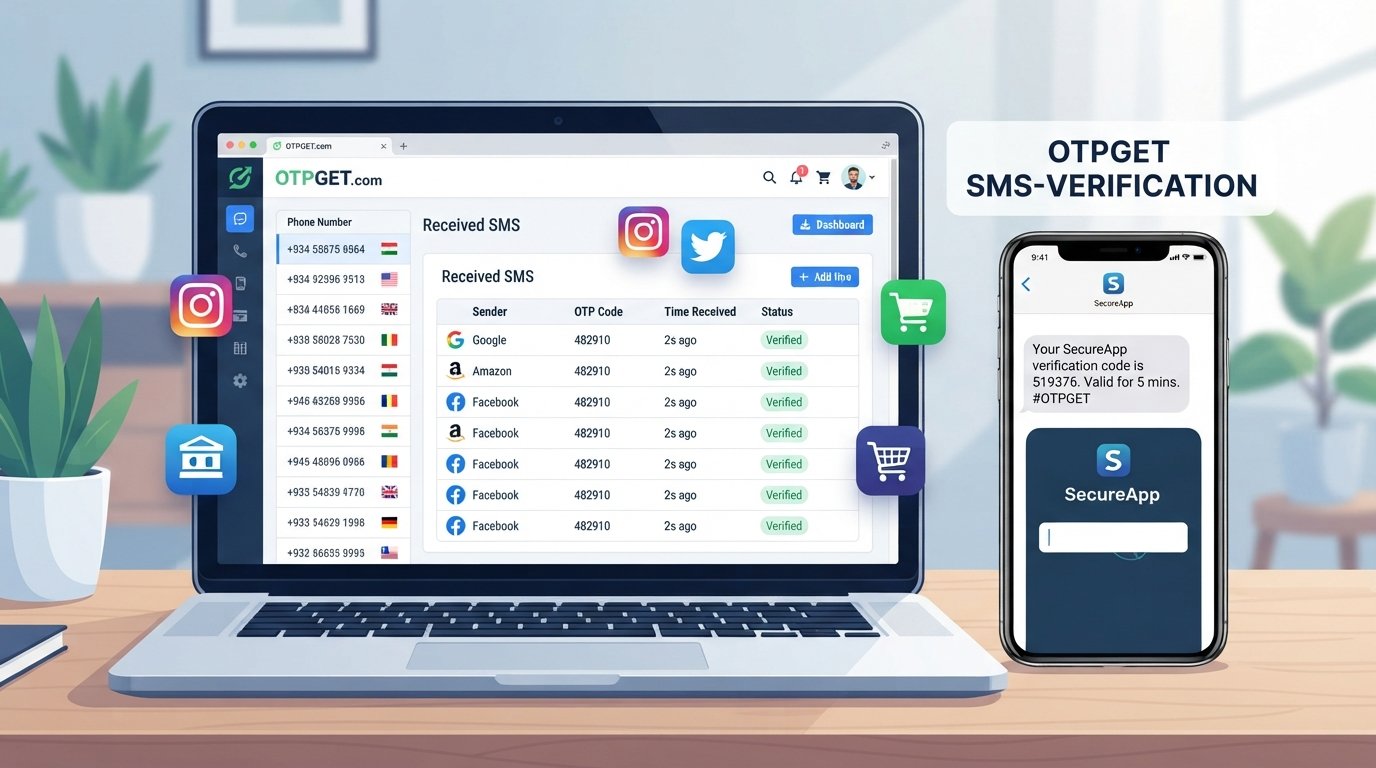
When a service sends an SMS OTP, the message is routed to the number entered during the verification process. If that number is connected to an appropriate online SMS or OTP receiving service, the incoming message can be viewed through the service's available interface.
The basic process looks like this:
Enter the number → Request the OTP → Receive the SMS → View the verification code → Enter the code → Complete verification
The important point is that compatibility matters. Not every website or application accepts every type of virtual, temporary, or online number. Some services may restrict certain number types, regions, or carriers.
That is why choosing a suitable OTP verification number is an important part of the process.
How OTPGET Numbers Work
OTPGET is designed to help users who need access to OTP verification numbers for supported online verification purposes.
The concept is simple. You select an appropriate OTPGET number or service option, use the provided number where a supported website or application asks for phone verification, and request the verification SMS.
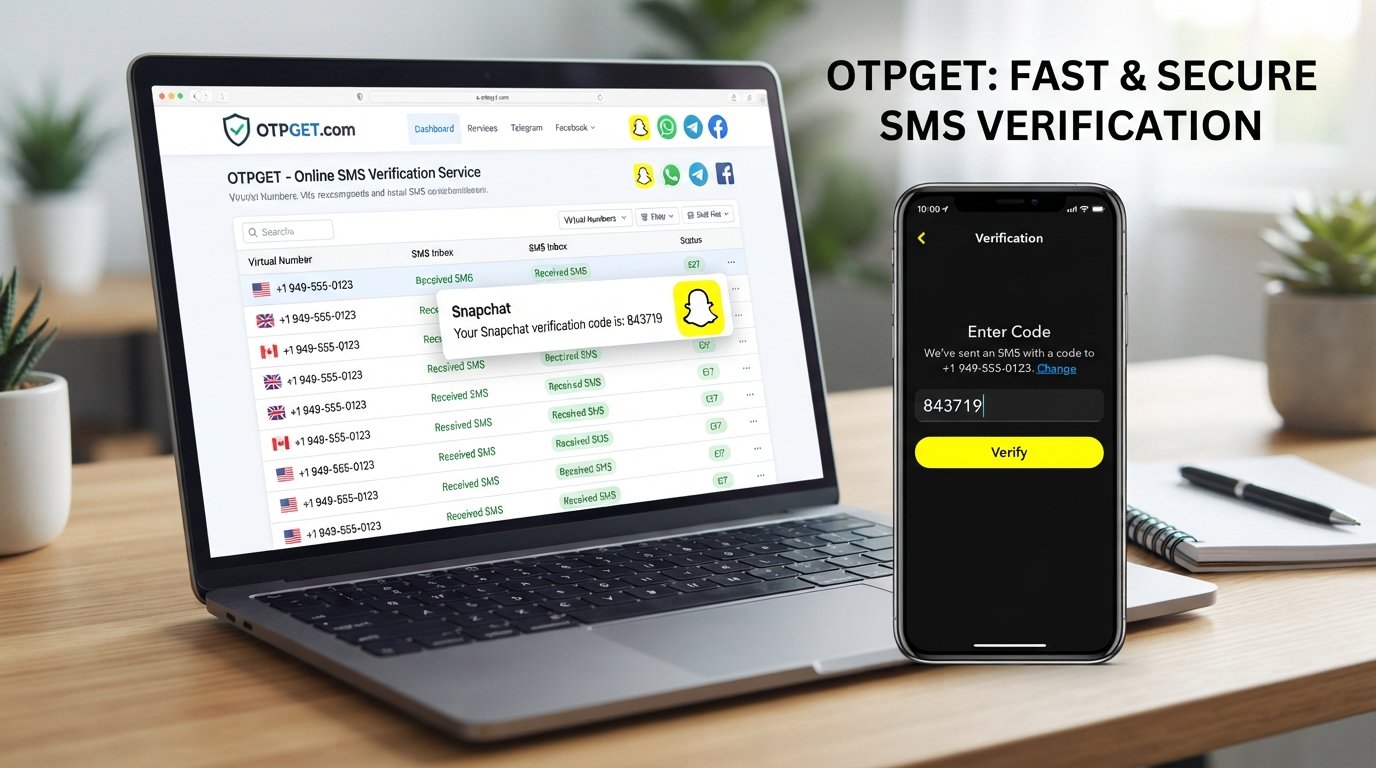
When the platform sends the code, the message is made available through the relevant OTPGET receiving process. You can then view the verification code and enter it into the verification field on the website or application.
In practical terms, the process can be summarized as:
- Select a suitable OTPGET number.
- Enter that number into the supported service.
- Request an OTP or verification code.
- Check OTPGET for the incoming SMS.
- Enter the received code into the required field.
- Complete the verification process if the code is accepted.
The exact experience can vary depending on the service being verified and the number available for that purpose. Some platforms may not support temporary or virtual numbers, so users should check compatibility before starting an important verification process.
For someone searching for a way to receive OTP online, the main advantage is simplicity: the verification number provides a dedicated route for receiving the SMS required by a supported service.
Why Use OTPGET for OTP Verification?
There are several practical reasons someone may consider an OTP service such as OTPGET.
Convenience
Having access to an appropriate verification number can make certain online registration and verification tasks easier. Instead of relying on a personal number for every situation, users can use a number intended for supported verification workflows.
Separation From a Personal Number
Some users prefer to keep their personal phone number separate from certain online registrations. A temporary or virtual number can provide an additional layer of separation where the relevant service permits it.
This does not eliminate the need to follow the platform's privacy and security requirements, but it can make number management more convenient.
Simpler Verification Workflows
An OTP receiving service can centralize the process of receiving verification SMS messages. Rather than wondering where a code was sent, users can follow a clear workflow: select a number, request the code, check the incoming message, and complete the verification step.
Flexible Use for Supported Services
OTPGET can be useful for supported registrations, online services, testing environments, and other legitimate workflows that rely on SMS-based verification.
However, availability and compatibility can differ between platforms. A number that works for one service may not necessarily work for another.
Common Uses for OTP Verification Numbers
OTP numbers can serve a variety of legitimate purposes.
Account registration: Some websites require phone verification before allowing a new account to be created.
Online services: Certain platforms use SMS codes to confirm access during registration or other account processes.
Testing and development: Developers may need phone verification numbers when evaluating applications or testing SMS-based workflows in appropriate environments.
Business workflows: Teams may encounter legitimate situations where a separate verification number is useful for managing online services.
Temporary registrations: For services where long-term phone ownership is not required, a temporary number may be suitable if the platform permits it.
The key consideration is responsible use. OTP numbers should not be used to bypass security controls, impersonate another person, create fraudulent accounts, or violate a platform's rules.
Temporary Phone Numbers vs. Personal Phone Numbers
A personal phone number is typically tied to you for the long term. That makes it useful for important accounts where ongoing access, account recovery, and identity verification matter.
A temporary phone number for verification, by contrast, can be useful for specific short-term or limited verification scenarios.
Here is the basic difference:
| Personal Number | Temporary or Virtual Number |
|---|---|
| Usually intended for long-term use | Often intended for a specific workflow |
| Useful for account recovery | May not be suitable for recovery |
| Closely associated with the user | Provides additional separation |
| Typically remains under the user's control | Availability may be temporary or limited |
| Suitable for important long-term accounts | Better suited to appropriate temporary use cases |
For an important account that you expect to use for a long time, consider whether you will need the same phone number later for password recovery or security checks. A temporary number may not be appropriate when continued access to the original number is essential.
What to Look for in an OTP Verification Service
Not every OTP service offers the same experience, so it is worth considering several factors before choosing one.
Reliability
The service should provide a practical way to receive supported verification messages and make the process understandable.
Compatibility
Check whether the website or application you want to verify accepts the type of number you plan to use.
Clear Pricing
Pricing should be easy to understand, particularly if numbers or verification attempts are offered under different options.
Ease of Use
A good OTP workflow should not require unnecessary technical knowledge. The process of selecting a number and receiving a verification SMS should be straightforward.
Number Availability
The number you need may depend on the service, location, or other requirements. Availability can vary, so choosing a service with suitable options is important.
Privacy Considerations
Think carefully about what type of account you are verifying and whether a temporary or virtual number is appropriate for it.
Transparency and Support
Clear information about how the service works, its terms, limitations, and available support can help users make better decisions.
These are all useful considerations when evaluating OTPGET alongside your specific verification requirements.
How to Use OTPGET for Verification
Using OTPGET for a supported verification process can be straightforward.
- Choose an appropriate OTPGET number or service option.
- Enter the number on the website or application requesting phone verification.
- Request the verification code from the service.
- Check OTPGET for the incoming verification SMS.
- Enter the newest valid OTP into the required verification field.
- Complete the verification process if the service accepts the code.
Always follow the rules and terms of the website or application you are verifying. If a platform does not allow temporary or virtual numbers, another verification method may be more appropriate.
Tips for a Smoother OTP Verification Experience
A few simple habits can prevent common verification problems.
- Double-check the number before requesting an OTP.
- Give the SMS a little time to arrive instead of immediately requesting multiple codes.
- Avoid repeatedly requesting new codes because older codes may become invalid.
- Confirm that the website or application supports the number type you are using.
- Enter the newest valid verification code when multiple messages have been requested.
- For important long-term accounts, use an appropriate recovery method that you can continue to access.
- Keep your verification activity within the platform's rules and security requirements.
If a verification code does not arrive, check whether the service supports the selected number and whether the verification session is still active before trying again.
Is OTPGET the Right Solution for You?
If you regularly encounter online services that require SMS verification, OTPGET can be a practical option to consider when you need an OTP verification number.
It can be particularly useful when you want a separate number for an appropriate registration or verification workflow, need to receive an SMS code online, or simply want a more convenient way to manage certain verification tasks.
At the same time, there is no single verification solution that fits every situation. Compatibility, account importance, number availability, recovery requirements, and the rules of the service you're using should all influence your decision.
For important accounts that require long-term recovery access, a personal number may remain the better choice. For suitable temporary or supported verification workflows, an OTPGET number can offer a convenient alternative.
Conclusion
OTP verification is now a familiar part of online account registration and access. Behind the simple code sent by SMS is a straightforward process: a service requests verification, an OTP is delivered to a phone number, and the user enters that code to complete the required step.
Understanding how this process works makes it easier to choose the right verification method.
OTPGET provides a practical solution for users looking for OTP verification numbers, online SMS verification, and a convenient way to receive supported verification codes. By selecting an appropriate number, checking compatibility, and following the rules of the platform being verified, users can make many verification workflows simpler and more manageable.
If you need an online verification number for a legitimate, supported purpose, explore OTPGET and see whether its available options fit your specific verification needs.