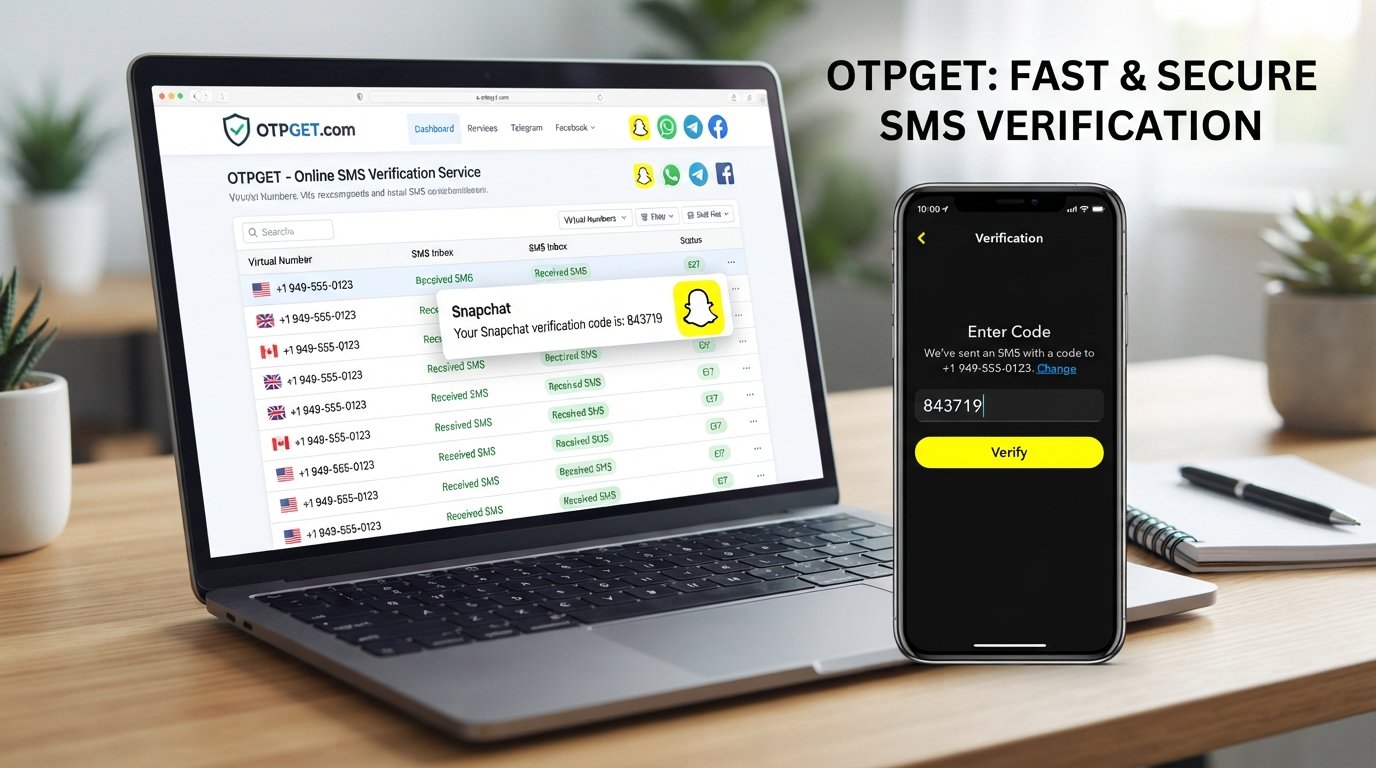
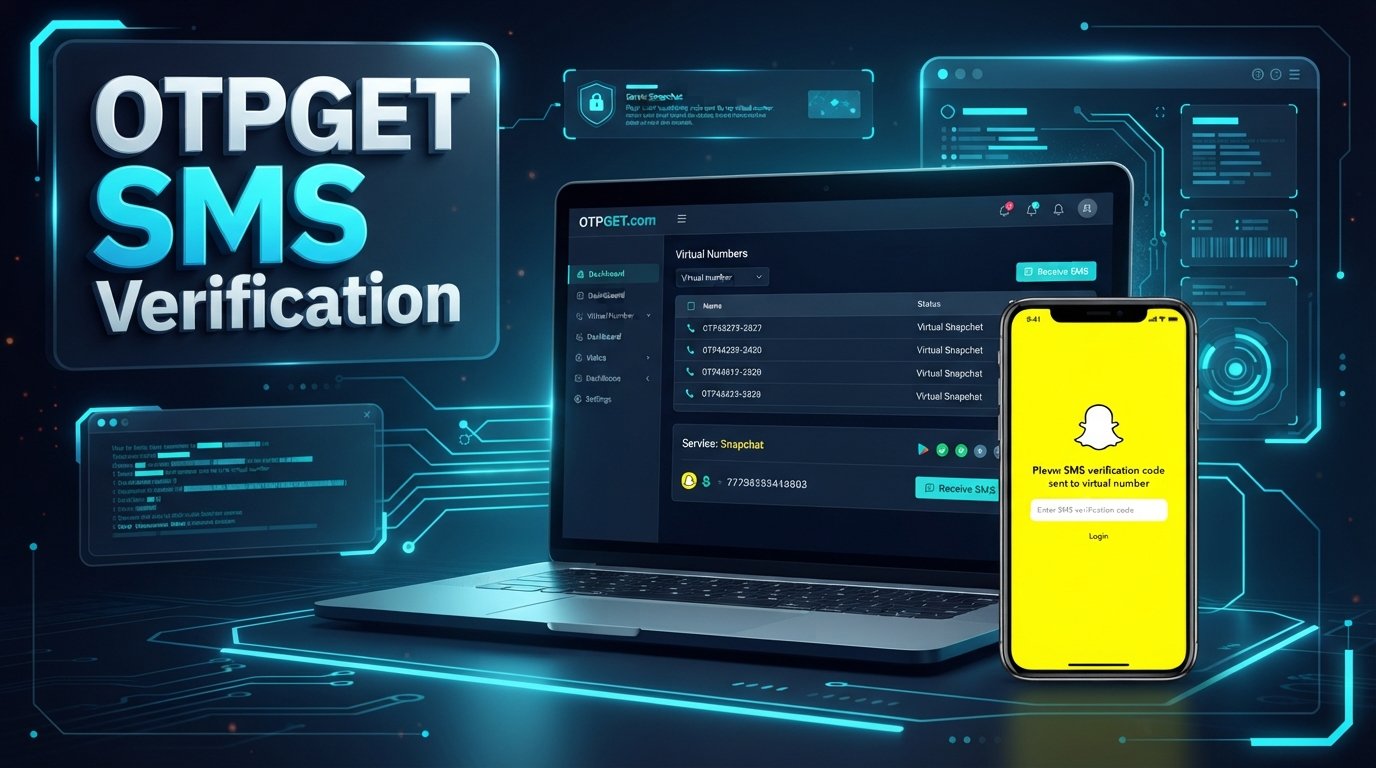
Get OTP for New Accounts – Quick Number Delivery Made Easy
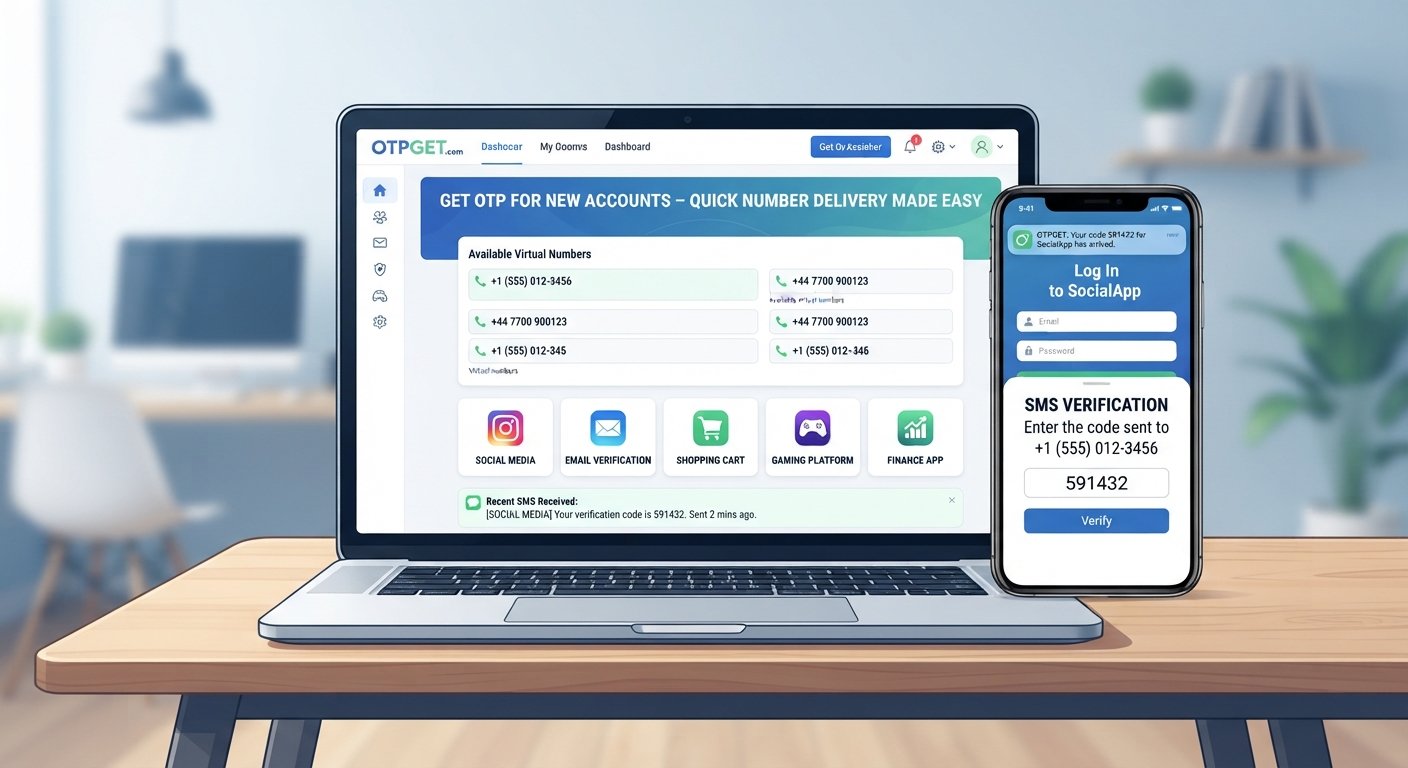
Get OTP for New Accounts – Quick Number Delivery Made Easy
Creating a new online account should be straightforward. You enter your details, choose a password, confirm your email, and move on.
Then the phone verification screen appears.
You request an SMS code, wait, check your phone again, and sometimes wait a little longer. If the message is delayed or does not arrive, a simple registration can suddenly become frustrating.
That is where quick OTP number delivery can make the verification process more convenient. Instead of relying on a personal phone number for every online registration, users may choose a temporary or virtual number when it is appropriate for the service they are using.
This guide explains why OTP verification is used, why receiving verification messages can sometimes be difficult, what to look for in an OTP receiving service, and how OTPGET can help make legitimate new account verification more manageable.
Why OTP Verification Is Required for New Accounts
An OTP, or one-time password, is a temporary verification code sent to a user during an account-related action.
For phone verification, the code is commonly delivered through SMS. The user enters that code into the relevant verification screen to confirm that they can access the phone number being used.
This extra step serves an important purpose. A password alone does not necessarily establish that a person has access to a particular phone number. An SMS OTP provides an additional verification point during registration, login, recovery, or other account actions.
For new account creation, phone verification can help services:
- Confirm access to the submitted phone number
- Add an additional layer to account registration
- Reduce problems caused by incorrectly entered numbers
- Support verification during account-related actions
- Give users a quick way to confirm a registration request
The exact verification process varies between websites and applications. Some services may also apply their own eligibility, number, or security requirements.
Common Problems When Trying to Receive an OTP
The concept behind SMS verification is simple, but the experience is not always smooth.
One of the most common frustrations is a delayed SMS verification code. You may request an OTP and have to wait longer than expected before the message appears.
Other situations can be just as inconvenient:
- The verification SMS does not arrive
- A code expires before it is entered
- Repeated requests create confusion over which code is current
- A personal number is not suitable for a particular registration
- Managing several online registrations becomes difficult
- Users prefer not to give their primary number to every service
- A number may not be available or suitable for a particular verification process
There can be many reasons for an OTP delay, including network conditions, the service's own SMS system, number availability, or verification rules.
Repeatedly requesting new codes is rarely a good solution. It can make the process more confusing and, depending on the service, may lead to additional verification steps.
For users who have legitimate reasons to separate online registrations from their primary contact information, an appropriate temporary or virtual number can offer a more convenient alternative.
What Is a Temporary or Virtual Number for OTP Verification?
A temporary phone number is a number intended for use over a limited period or for a specific purpose. A virtual phone number, meanwhile, is generally a number that can be managed through an online service rather than being tied to a traditional physical SIM in the way a personal mobile number typically is.
Both can be useful in legitimate situations where a user needs to receive a verification SMS without using a primary personal number.
For example, someone may want a separate number for an online registration, a developer may need to test a registration workflow, or a privacy-conscious user may prefer to keep certain online activities separate from their main contact information.
However, temporary and virtual numbers are not universally accepted. Availability, supported services, number duration, and verification requirements can vary by provider and by the website or application being used.
The key is to treat a verification number as a practical tool, not as a way to bypass a service's rules. Users should always follow the terms and verification requirements of the platform they are accessing.
What to Look for in an OTP Verification Service
Choosing an OTP receiving service should be about more than simply finding a number.
A useful service should make the verification process understandable and manageable. Before choosing one, consider the following factors.
Fast SMS Delivery
Speed matters when a verification code is time-sensitive. A service should make it reasonably easy to retrieve incoming verification messages without unnecessary steps.
Number Availability
The right number needs to be available when you need it. Availability can change, so clear information about number selection is valuable.
Service Compatibility
Not every website accepts every type of number. Check whether the number you intend to use is suitable for the service requiring verification.
Simple User Experience
A complicated interface can make a simple OTP process unnecessarily difficult. Clear navigation and straightforward access to verification messages are important.
Transparent Pricing
If a service charges for numbers or verification, users should be able to understand the cost before proceeding. Clear pricing helps avoid surprises.
Reliability and Information
Look for a service that provides understandable information about how numbers work, how long they may remain available, and what users can reasonably expect.
Privacy Considerations
Think carefully about what information you provide and whether using a separate verification number makes sense for your particular situation.
Customer Support
When a verification process does not work as expected, accessible support and useful service information can make troubleshooting easier.
These considerations help users choose an OTP receiving service based on practical needs rather than simply choosing the first available number.
How OTPGET Makes New Account Verification Easier
Once you understand the verification process and what to look for in a number service, OTPGET can provide a convenient way to manage verification numbers for legitimate account setup.
The basic idea is straightforward: select an available verification option, use the provided number where phone verification is required, and retrieve the incoming OTP through OTPGET.
A typical workflow looks like this:
- Choose the required verification option.
Start by selecting the appropriate service or number option available through OTPGET. - Select an available number.
Choose a number that is suitable for the verification task you are completing. - Enter the number on the relevant service.
Use the selected number on the legitimate account registration or verification screen. - Request the verification SMS.
Complete the phone verification step so the service sends its OTP. - Retrieve the OTP through OTPGET.
Check the relevant OTPGET interface for the incoming verification message. - Enter the code on the verification page.
Submit the OTP within the time allowed by the service.
This approach can reduce the friction involved in handling phone verification, particularly when a user has a legitimate reason to use a separate number.
Importantly, OTPGET should be viewed as a convenience for verification workflows, not as a guarantee that every website or application will accept a particular number.
Benefits of Using OTPGET for New Account Verification
A well-organized OTP receiving process can make account registration less cumbersome.
Using OTPGET can be particularly convenient for users who need a practical way to handle verification numbers without relying on their primary personal number for every online registration.
Potential benefits include:
- Convenient OTP access: Verification messages can be accessed through the service instead of relying exclusively on a personal phone.
- A smoother verification workflow: Keeping the number and incoming verification message in one process can make registration easier to manage.
- Less dependence on a personal number: A separate verification number can be useful for privacy-conscious registrations where appropriate.
- Simple number-based verification: The process follows the familiar pattern of receiving an SMS code and entering it on the relevant verification page.
- Useful for temporary needs: A separate number can make sense when a verification requirement is limited to a particular registration or task.
- Easier management of online registrations: Users can handle certain verification tasks without mixing them with their primary personal communications.
The exact availability and suitability of numbers can vary. For that reason, users should always check the service information and the requirements of the website or application they are using.
How to Get an OTP for a New Account Using OTPGET
If you are new to online OTP services, the process can be easier than it first appears.
Follow these general steps:
- Open OTPGET and review the available verification options.
- Choose a suitable number based on the service you are registering with.
- Copy or enter the provided number into the legitimate account registration page.
- Complete the website or app's phone verification request.
- Return to OTPGET and check for the incoming verification SMS.
- Copy the OTP carefully.
- Enter the code into the original verification screen before it expires.
- Complete the account setup according to the service's instructions.
If the OTP does not arrive, avoid repeatedly requesting codes without checking the service's instructions first. Confirm that the number was entered correctly and consider whether the platform permits the type of number being used.
When a Quick OTP Number Can Be Useful
There are several legitimate situations where quick OTP delivery can be helpful.
New account registration: Some services require phone verification before an account can be created. A suitable verification number can simplify that step.
Temporary online registrations: If a registration does not need to be tied to a primary personal number, a separate number may be more convenient.
Privacy-conscious use: Some users prefer to limit how widely their main phone number is shared online.
Testing registration flows: Developers and businesses may need numbers while testing SMS verification workflows, provided their testing activities comply with the relevant service requirements.
Separating online activities: A dedicated verification number can help keep certain registration-related communications separate from personal calls and messages.
The important distinction is legitimate use. A verification service should not be used to create fake identities, conduct spam, commit fraud, circumvent security controls, or violate the terms of a platform.
OTP Verification Best Practices
Fast verification is useful, but security should remain the priority.
Keep these practices in mind whenever you receive an OTP:
- Never share an OTP with another person. A one-time code is intended for the verification process that requested it.
- Use the code only on the intended service. Do not enter verification codes into unfamiliar pages or forms.
- Check the website or app carefully. Make sure you are completing verification on the legitimate service.
- Avoid unnecessary repeated attempts. Requesting multiple codes can create confusion about which OTP is valid.
- Follow platform terms. Some websites may restrict temporary or virtual numbers.
- Understand number availability. A temporary number may not remain available indefinitely.
- Use verification services responsibly. Do not use them for scams, spam, unauthorized access, or other abusive activity.
- Do not assume every number will work everywhere. Acceptance depends on the requirements of the service being verified.
These habits help keep the convenience of online SMS verification from becoming a security risk.
Frequently Asked Questions
How can I get an OTP for a new account?
If the service requires phone verification, you can use the number provided through an appropriate OTP receiving service such as OTPGET, request the verification SMS, and retrieve the code before entering it on the relevant verification page.
Can I receive an OTP online?
Yes, OTPs sent through SMS can sometimes be received through online phone-number services. The availability and suitability of a number depend on the provider and the service requesting verification.
What is a temporary phone number?
A temporary phone number is a number intended for limited or specific use rather than serving as a user's primary personal number. It can be useful for certain legitimate verification and temporary registration needs.
How quickly can an OTP arrive?
OTP delivery time varies. It depends on factors such as the service sending the message, SMS delivery conditions, number availability, and network-related delays. A quick OTP service can make the receiving process more convenient, but delivery should not be assumed to be guaranteed.
Can I use a virtual number for SMS verification?
Some services accept virtual numbers, while others may restrict them. Always check the requirements of the website or application you are using before starting verification.
Is OTPGET useful for new account verification?
OTPGET can be a convenient option for users who need a verification number for legitimate new account setup. It can simplify the process of obtaining a number and retrieving an incoming OTP, subject to number availability and the requirements of the service being verified.
Why might an OTP not arrive?
An OTP may be delayed because of SMS delivery issues, service-side delays, an incorrectly entered number, number restrictions, or other verification requirements. Check the details carefully before requesting another code.
Conclusion
Phone verification is now a familiar part of creating many online accounts, but waiting for an SMS or repeatedly managing verification requests can make the process unnecessarily frustrating.
A suitable temporary or virtual number can provide a practical alternative when users have a legitimate reason to keep a registration separate from their primary phone number. The key is choosing a service that makes number selection and OTP retrieval straightforward while respecting the rules of the platform being verified.
OTPGET offers a convenient approach for handling these verification needs. By bringing the verification number and incoming OTP into a simple workflow, it can make new account verification easier to manage.
If you need a practical way to handle OTP-based registration, explore OTPGET and review the available verification options for your particular use case. Always use verification numbers responsibly, protect your OTPs, and follow the terms of the service you are registering with.
Internal Link Suggestions
Suggested anchor texts only:
- OTP verification guide
- Temporary phone number guide
- How SMS verification works
- OTPGET number services
- Online phone verification guide
SEO Keyword Coverage
- Primary keyword: Get OTP for New Accounts
- Core secondary keywords: OTP verification, OTP for account verification, get OTP online, SMS verification, SMS verification code, phone number verification, account verification
- Number-related keywords: temporary phone number, online phone number, virtual phone number, verification number, OTP number, virtual number for OTP, temporary number for verification
- Delivery-related keywords: receive OTP online, receive SMS online, quick OTP delivery, instant OTP, verification SMS, SMS OTP
- Use-case keywords: new account verification, online SMS verification, phone verification service, OTP receiving service, secure account verification
- Brand keyword: OTPGET