Get Your OTP Number Fast – Simple Online Verification | OTPGET
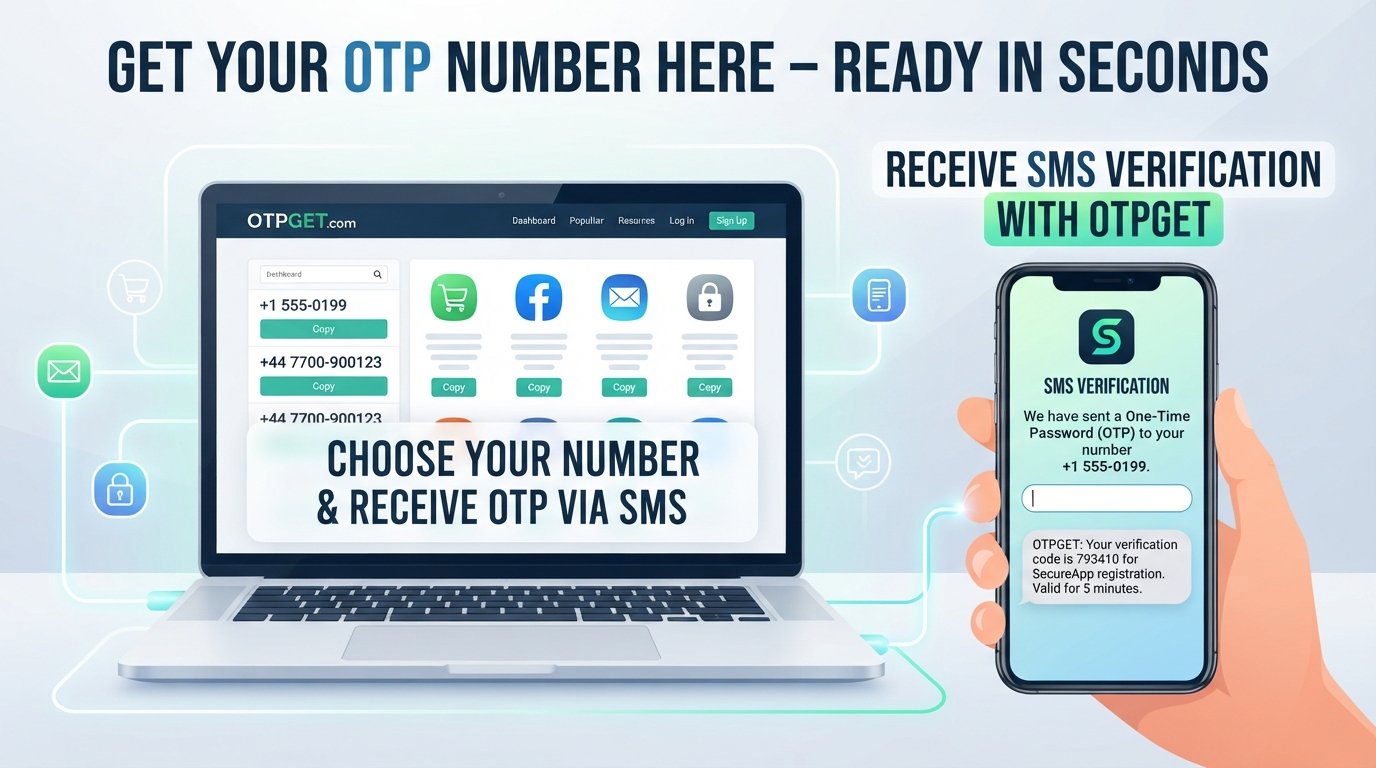
Get Your OTP Number Here – Ready in Seconds
Getting stuck on a verification screen can be surprisingly frustrating. You enter your details, reach the final step, and then the website asks for an OTP before you can continue.
If you need an OTP number for a legitimate verification task, the next question is simple: where can you get one without making the process unnecessarily complicated?
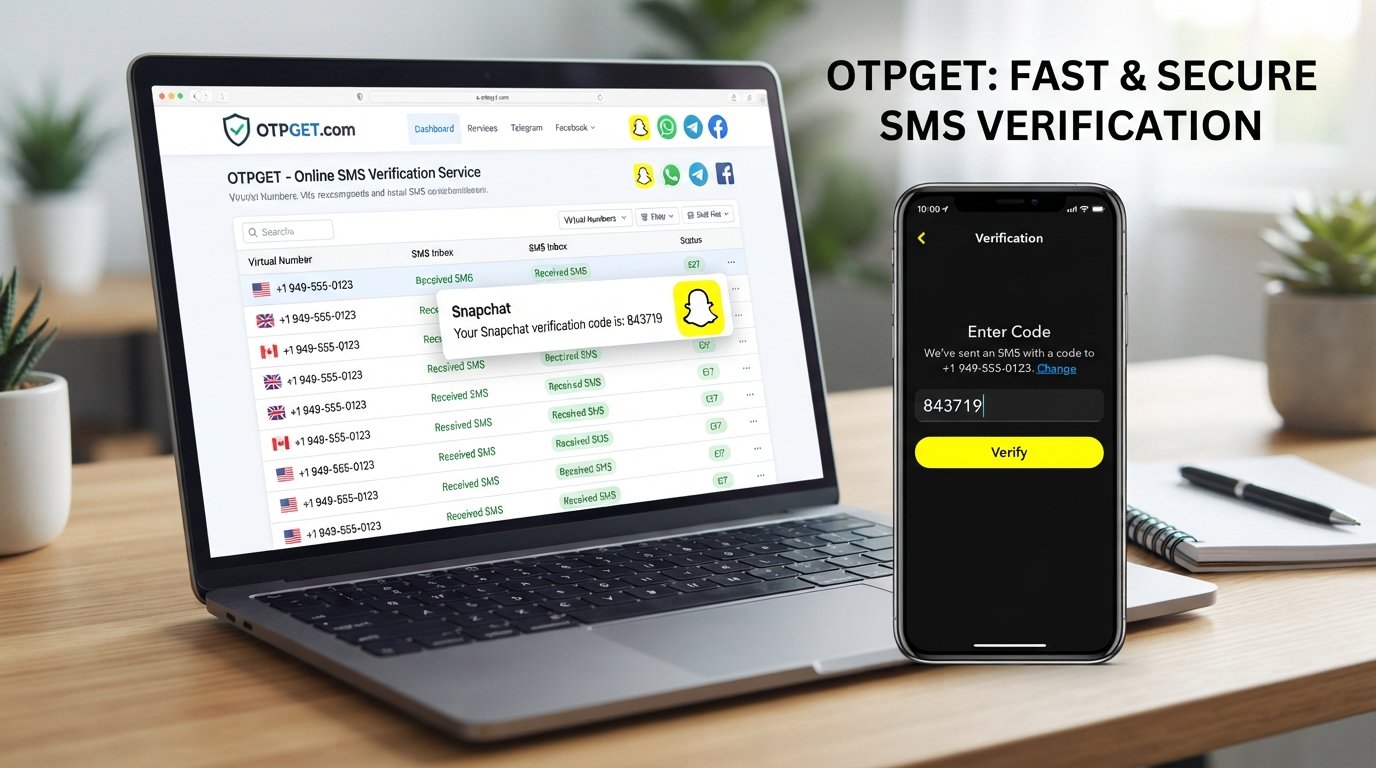
That is where services such as OTPGET can be useful. Instead of treating OTP verification as a confusing technical process, OTPGET provides a straightforward way to approach online verification and receive an OTP when a compatible service sends a verification message.
Before using any OTP receiving service, however, it helps to understand what an OTP actually is, why websites use it, and what you should consider when choosing a temporary or online number.
What Is an OTP Number?
OTP stands for one-time password. It is a temporary verification code used to confirm that a person has access to a particular phone number, account, device, or communication channel.
An OTP is usually sent through SMS or another verification method. You may see a short numerical code such as a six-digit number and be asked to enter it into a website or app.
The basic process looks like this:
- You begin registration, login, or another verification process.
- The service asks you to confirm a phone number.
- A verification code is generated and sent to that number.
- You receive the verification SMS.
- You enter the code where requested.
- The platform checks the code and completes the verification step if it is valid.
The important point is that an OTP is generally designed for one-time use. It is different from a permanent password because it is intended to provide temporary confirmation during a specific verification event.
Why Do People Need an OTP Number?
Phone verification has become a common part of online account registration and security workflows. A platform may request an OTP to confirm that a phone number can receive messages before allowing the user to continue.
Legitimate reasons for needing an OTP can include:
- Creating or verifying an online account
- Confirming a phone number
- Completing a login verification step
- Testing an application or service
- Receiving an SMS verification code
- Verifying access to an online service
- Completing a supported registration process
For businesses, developers, and ordinary users alike, verification can sometimes become a point of friction. A temporary phone number or online OTP number may offer a practical alternative when the service being used permits it.
The important qualification is that not every platform accepts temporary or virtual numbers. Some websites deliberately restrict them, so compatibility should always be considered before starting the process.
How to Get an OTP Number
The exact process can vary depending on the OTP receiving service and the website you are trying to verify. In general, the workflow is straightforward.
1. Choose an OTP receiving service
Start by selecting a service designed to provide access to a number for receiving verification messages. OTPGET is one option for users looking for a simple online OTP workflow.
2. Select an available number
Depending on the service and availability, you may be able to select a suitable temporary or virtual phone number.
3. Use the number for a legitimate verification request
Enter the number on the website or service that is requesting phone verification. Always follow that platform's rules and terms.
4. Wait for the verification SMS
If the platform supports the number and sends the message successfully, the verification code can be received through the OTP service.
5. Enter the verification code
Use the received OTP in the original verification screen. If the code is accepted, the platform can complete its verification process.
This is where a service such as OTPGET can reduce unnecessary friction. Instead of trying to figure out a complicated workflow on your own, you have a dedicated place to manage the OTP receiving step.
Why Choose OTPGET?
When someone searches for an OTP number, they are usually not looking for a lengthy technical explanation. They want a practical way to handle a verification requirement.
OTPGET is positioned around that simple need: making the process of obtaining and receiving an OTP more straightforward.
Several aspects can make an OTP service useful:
- Convenience: Handle the OTP receiving process online rather than adding unnecessary steps.
- Speed-focused workflow: When a verification message is available, users can check the service for the incoming code without relying on a complicated process.
- Simple experience: A clear workflow makes it easier to understand what to do next.
- Online accessibility: The process can be managed through an online service rather than requiring a separate physical SIM for every verification task.
- Reduced friction: Having a dedicated OTP receiving option can make certain verification tasks less cumbersome.
- Practicality: Temporary or virtual numbers can be useful when a compatible website does not require a permanent personal number.
These benefits should not be interpreted as a guarantee that every website or app will accept every number. Compatibility depends on the platform requesting verification and its own policies.
How OTPGET Makes OTP Verification Easier
Imagine reaching the final stage of an online registration and seeing a message asking you to enter a verification code.
Without an appropriate number available, you may have to stop and find another way to complete the process. An OTP receiving service can simplify that part of the journey by giving you a place to manage the number and check for the verification SMS.
With OTPGET, the basic idea is to make the OTP receiving stage easier to understand:
Choose → use for verification → receive the code → complete verification.
That simplicity matters. Users generally do not want to spend more time managing verification than necessary.
At the same time, a good verification workflow should not encourage users to ignore platform rules. If a website specifically requires a personal number or does not permit temporary numbers, that requirement should be respected.
Key Benefits of Using OTPGET
For legitimate verification tasks, an OTP receiving service can provide several practical advantages:
- Convenience when a verification number is needed
- A straightforward online workflow
- Easy access to received verification messages
- Less friction during compatible verification processes
- Useful support for temporary verification needs
- A practical alternative to using a personal number in appropriate situations
- Simple access to an OTP receiving process
The biggest advantage is often not a complicated technical feature. It is simply having a more organized way to handle a verification step when an online service supports temporary or virtual numbers.
Things to Consider When Using an OTP Number
OTP services are useful, but they should be used responsibly.
First, only use an OTP number for legitimate purposes. Verification systems exist for a reason, and using temporary numbers to commit fraud, impersonate another person, spam users, or bypass security protections is not appropriate.
There are also practical limitations to keep in mind.
Check platform requirements
Some websites and apps may reject temporary or virtual phone numbers. A service can provide a number, but it cannot guarantee that every external platform will accept it.
Protect verification codes
An OTP can provide access to an account or verification process. Treat verification codes as sensitive information and do not share them unnecessarily.
Follow terms and policies
Always follow the rules of the website, application, or service you are trying to verify. If temporary numbers are prohibited, use an accepted verification method instead.
Consider the purpose of the number
A temporary number can be useful for an appropriate short-term verification task, but it may not be suitable when you need a long-term number for account recovery, important notifications, or ongoing communication.
Understanding these limitations helps users choose the right option instead of assuming that one type of number works for every situation.
OTP Number vs. Regular Phone Number
A personal phone number and a temporary or online OTP number can serve different purposes.
| Feature | Regular Phone Number | Temporary/Online OTP Number |
|---|---|---|
| Long-term use | Generally suitable | Often intended for temporary needs |
| Personal communication | Suitable | Usually not the primary purpose |
| Verification | Commonly accepted | Depends on the platform |
| Convenience | Requires access to your own SIM/device | Can simplify certain online verification tasks |
| Privacy considerations | Connected to your personal number | May separate some verification activity from your primary number |
| Account recovery | Often more appropriate | May be unsuitable for important recovery access |
| Availability | Based on your mobile provider | Depends on the OTP service |
The right choice depends on what you are trying to accomplish. If an account is important and requires reliable long-term recovery, your regular phone number may be the more appropriate option. For a compatible, legitimate temporary verification task, an online OTP number may be more practical.
Frequently Asked Questions
1. What is an OTP number?
An OTP number generally refers to a phone number used to receive a one-time verification code by SMS. The code itself is a temporary password used to confirm a verification request.
2. How can I get an OTP number?
You can use an online OTP receiving service such as OTPGET, select an available number when supported, and use it for a legitimate verification process that permits temporary or virtual numbers.
3. How does OTP verification work?
A website generates a one-time verification code and sends it to the phone number associated with the verification request. You enter the received code into the website or app, which then checks whether it is valid.
4. Can I receive an OTP online?
Yes, an OTP can be received through an online OTP receiving service when the relevant platform supports the type of number being used. Availability and compatibility can vary.
5. What is OTPGET?
OTPGET is an online service positioned around helping users obtain a number for compatible OTP and verification tasks. It is designed to make the OTP receiving process more straightforward.
6. Why would someone use OTPGET?
Someone may use OTPGET when they need a convenient way to handle a legitimate verification task and the website or service permits a temporary or virtual phone number.
7. Are temporary OTP numbers accepted everywhere?
No. Acceptance depends entirely on the website or platform requesting verification. Some services may restrict temporary, virtual, or previously used numbers.
8. Is it safe to share an OTP?
You should generally treat an OTP as sensitive information. Never share a verification code with another person unless you fully understand why it is being requested and have confirmed that doing so is appropriate.
Final CTA
Needing an OTP should not turn a simple verification step into a frustrating process. When a compatible service requires SMS verification, having an appropriate online OTP number can make the workflow more manageable.
OTPGET offers a straightforward option for users who need to handle legitimate OTP verification tasks online. If you are looking for a convenient way to receive a verification code, explore OTPGET and see whether its available options fit your specific verification needs.
Use OTP services responsibly, respect platform requirements, and keep your verification codes private.