Get OTP Number with Private Inbox | OTPGET Verification Guide
Get OTP Number with Private Inbox – OTPGet
8. Full Article
Getting verification messages online does not always mean you need to give every website or service your personal phone number. For privacy-conscious users, developers testing SMS workflows, and anyone who simply wants better separation between personal communication and online verification, an OTP number with a private inbox can be a practical option.
If you need to get OTP number with private inbox access, the basic idea is straightforward: use a suitable number for receiving verification messages and keep those messages separate from your everyday phone communications.
OTPGET is a practical option to consider when you need an OTP number and a dedicated place to receive verification messages online. Rather than mixing verification texts with personal conversations, an OTP receiving service can make the process more organized and convenient.
What Is an OTP Number?
An OTP number is a phone number used to receive a one-time password or verification code through SMS.
When you sign up for an online service, change an account setting, or perform another verification step, the service may send a short code to a phone number. Entering that code confirms that the recipient can access the number associated with the verification request.
These codes are commonly called OTPs, or one-time passwords. They may be used for:
- Account registration
- Login verification
- Identity or phone verification
- Password recovery
- Security checks
- Testing SMS verification workflows
An OTP is generally temporary and should be treated as sensitive information. Anyone who receives a verification code should keep it private and never share it with another person.
What Is a Private OTP Inbox?
A private OTP inbox is an online inbox designed to receive SMS messages associated with an OTP or verification number.
Instead of having a verification message arrive among your personal texts, an online SMS inbox gives you a separate place to view relevant messages. This can be useful when the goal is simply to receive a verification code without mixing it into your normal mobile communications.
For example, imagine you are testing an application that sends SMS verification codes. A dedicated verification number and inbox can make the testing process easier to manage. Likewise, someone who does not want to unnecessarily expose their personal phone number may prefer a separate number for an appropriate online verification task.
The exact capabilities of an OTP receiving service can vary, so it is important to understand what a particular provider supports before using it.
Why Use a Private Number for OTP Verification?
There are several practical reasons someone may choose a separate number for online verification.
Privacy
Your personal phone number can be connected to personal contacts, messaging accounts, and other services. Using a separate number where appropriate can reduce the number of situations in which you need to disclose that personal number.
This does not mean a temporary or virtual number makes you completely anonymous. It simply provides another layer of separation for suitable verification activities.
Convenience
When verification messages are separated from personal texts, it can be easier to find the code you need.
A dedicated private OTP inbox can be particularly useful when you regularly deal with verification messages and do not want them buried among everyday conversations.
Better organization
A separate verification channel keeps OTP messages focused on one purpose. For developers, testers, and privacy-conscious users, this can make online verification workflows easier to manage.
Temporary verification needs
Some online activities only require a phone number for a particular verification step. A temporary phone number may be appropriate when the service allows it and when there is no need to maintain the number for long-term personal communication.
Always check the rules of the service you are using. Some platforms may restrict temporary, virtual, or shared numbers.
How to Get an OTP Number with a Private Inbox
The general process is simple.
First, choose an OTP receiving service that fits your legitimate verification needs. OTPGET is designed to be considered as an option for people looking for an OTP number and a private place to receive verification messages.
A typical workflow looks like this:
- Choose an available verification number that suits your intended use.
- Use the number during the permitted verification process on the website or application you are accessing.
- Wait for the SMS verification message to arrive.
- Check the associated OTP inbox for the verification code.
- Enter the code into the original service when prompted.
- Complete the verification process according to that service's requirements.
The exact steps can differ between services and platforms. There is no universal guarantee that every website will accept every temporary or virtual number.
The important point is that OTPGET can provide a practical starting point for users who want to receive OTP online without automatically relying on their everyday personal number.
Why Choose OTPGET for OTP Verification?
The value of an OTP service is less about complicated technology and more about making a common online task easier.
OTPGET is worth considering when your goal is to keep verification activity separate from personal phone communication. For suitable use cases, having an OTP number with a private inbox can reduce unnecessary sharing of your primary number and give you a more focused place to look for verification messages.
The approach can be especially convenient if you need to:
- Receive a verification code online
- Keep OTP messages separate from personal SMS
- Use a number for an appropriate temporary verification task
- Organize SMS verification messages more easily
- Test an application or workflow that uses SMS codes
OTPGET should be viewed as a practical verification option rather than a way to bypass the security rules of websites or applications. If a platform does not permit temporary or virtual numbers, its requirements should be respected.
Common Use Cases for an OTP Number
An OTP number can be useful in several legitimate situations.
Online service verification
Some online services require phone verification during registration or another account process. Where the service permits an alternative number, an OTP number can provide a separate verification channel.
Software and workflow testing
Developers and testers may need to check whether an application correctly sends and handles SMS verification codes. A suitable verification number can help separate testing activity from personal communication.
Separating personal communication
If your primary phone number is used for family, friends, work, or important accounts, you may prefer not to use it for every low-priority verification request.
Temporary online registrations
Some temporary registration workflows may require SMS verification. Where the service permits temporary or virtual numbers, a dedicated verification number can be convenient.
Privacy-conscious use
People who prefer to limit unnecessary exposure of their personal phone number may consider an online verification number for appropriate situations.
The key is to use these services responsibly. Do not use an OTP number to create fake identities, access accounts without authorization, evade platform restrictions, send spam, or circumvent security controls.
OTP Number vs. Personal Phone Number
Both options can be useful, but they serve different purposes.
| Factor | OTP/Temporary Number | Personal Phone Number |
|---|---|---|
| Privacy | Can reduce unnecessary exposure of your personal number | Directly connects verification to your personal number |
| Convenience | Useful for specific online verification tasks | Convenient when you already use the number everywhere |
| Message separation | Verification messages can remain separate | OTPs appear alongside personal SMS |
| Long-term communication | Generally not intended as your main personal contact | Suitable for ongoing personal communication |
| Temporary verification | Can be useful where permitted | Works for both temporary and long-term needs |
A personal number remains the better choice for accounts where you need reliable, long-term access and where the platform requires it. A separate OTP number is more suitable for specific verification scenarios where its use is allowed.
How a Private OTP Inbox Can Make Verification Easier
The main advantage of an online SMS inbox is simplicity.
Instead of checking a personal phone for a verification message, you can use the relevant private OTP inbox to look for the code associated with your verification request. This creates a cleaner workflow, particularly when you are dealing with several online tasks.
For example, a developer testing an application's registration flow may need to repeatedly check whether a verification SMS is generated correctly. A dedicated number and inbox can make that workflow easier to separate from personal messages.
For an individual user, the benefit may be even simpler: you need to receive verification code online, find it quickly, and complete the permitted verification process without unnecessarily adding another service to your personal phone number.
A temporary SMS number can therefore be useful when the situation calls for short-term separation rather than permanent personal communication.
Is Using an OTP Number Safe?
An OTP number is not automatically safe or unsafe. Its suitability depends on the service providing the number, the account being verified, and the policies of the platform involved.
Consider the following before using an online verification number:
- Check whether the website or application allows temporary or virtual numbers.
- Avoid using an OTP number for accounts where long-term recovery depends on permanent access unless the arrangement supports that need.
- Never share an OTP with another person.
- Treat verification codes as sensitive security information.
- Avoid using temporary numbers for highly sensitive accounts unless you fully understand the risks and the platform permits them.
- Use reputable services and review their available information before relying on them.
Most importantly, an OTP receiving service should not be treated as a method for defeating account security. The purpose is legitimate verification, privacy, convenience, or testing—not unauthorized access.
Why OTPGET Is a Practical Option
If you are searching for a phone number for OTP, the real question is often not simply where to find a number. It is how to receive the verification message conveniently while keeping the process separate from your personal communications.
That is where OTPGET fits.
For users who need an online verification number, a private OTP inbox can provide a focused way to handle verification messages. It can also be useful for appropriate temporary verification tasks and SMS workflow testing.
The best choice will always depend on the service you are verifying, its policies, and how long you need access to the number. But when your goal is straightforward—receive an OTP, keep verification messages separate, and complete an allowed online verification process—OTPGET is a practical solution to consider.
Frequently Asked Questions
What is an OTP number?
An OTP number is a phone number used to receive one-time passwords or SMS verification codes. It may be a personal, virtual, or temporary number depending on the service and use case.
How can I get an OTP number with a private inbox?
You can use an OTP receiving service such as OTPGET to look for a suitable verification number and receive the associated SMS through an online inbox, subject to the service and platform's policies.
Can I receive OTP online?
Yes. An online OTP receiving service can allow users to receive verification messages through an online SMS inbox rather than relying exclusively on their personal phone.
What is a private OTP inbox?
A private OTP inbox is a dedicated online location for receiving OTP and verification SMS messages. It helps keep verification messages separate from ordinary personal communication.
Can I use a temporary phone number for verification?
You can use a temporary phone number for verification when the relevant website or application permits temporary or virtual numbers. Some services may reject them, so always follow the platform's rules.
How does online SMS verification work?
A service sends a verification code by SMS to the number provided during the verification process. The recipient checks the relevant inbox, retrieves the code, and enters it into the service when prompted.
Is an OTP receiving service safe?
Safety depends on the provider, the verification service, and the type of account involved. Use reputable services, protect OTP codes, and avoid relying on temporary numbers for sensitive accounts unless appropriate.
Why use OTPGET for receiving verification codes?
OTPGET can be considered when you want an OTP number and a separate place to receive verification messages online. It may be useful for privacy-conscious verification, appropriate temporary use, and SMS testing workflows.
Conclusion
Not every online verification request needs to involve your primary personal phone number. For legitimate situations where a separate number is permitted, an OTP number with a private inbox can offer a practical combination of privacy, convenience, and message separation.
The idea is simple: use an appropriate verification number, receive the SMS code through a dedicated inbox, and complete the verification process without unnecessarily mixing verification messages with your personal communications.
If that is the workflow you need, OTPGET is a practical option to explore for receiving OTP and verification messages online. Just remember to follow the terms of the service you are verifying and treat every OTP as sensitive information.
9. Internal Link Suggestions
- Get an OTP number
- Receive SMS online
- Private OTP inbox
- Temporary phone number
- Online verification number
10. Suggested Image Alt Text
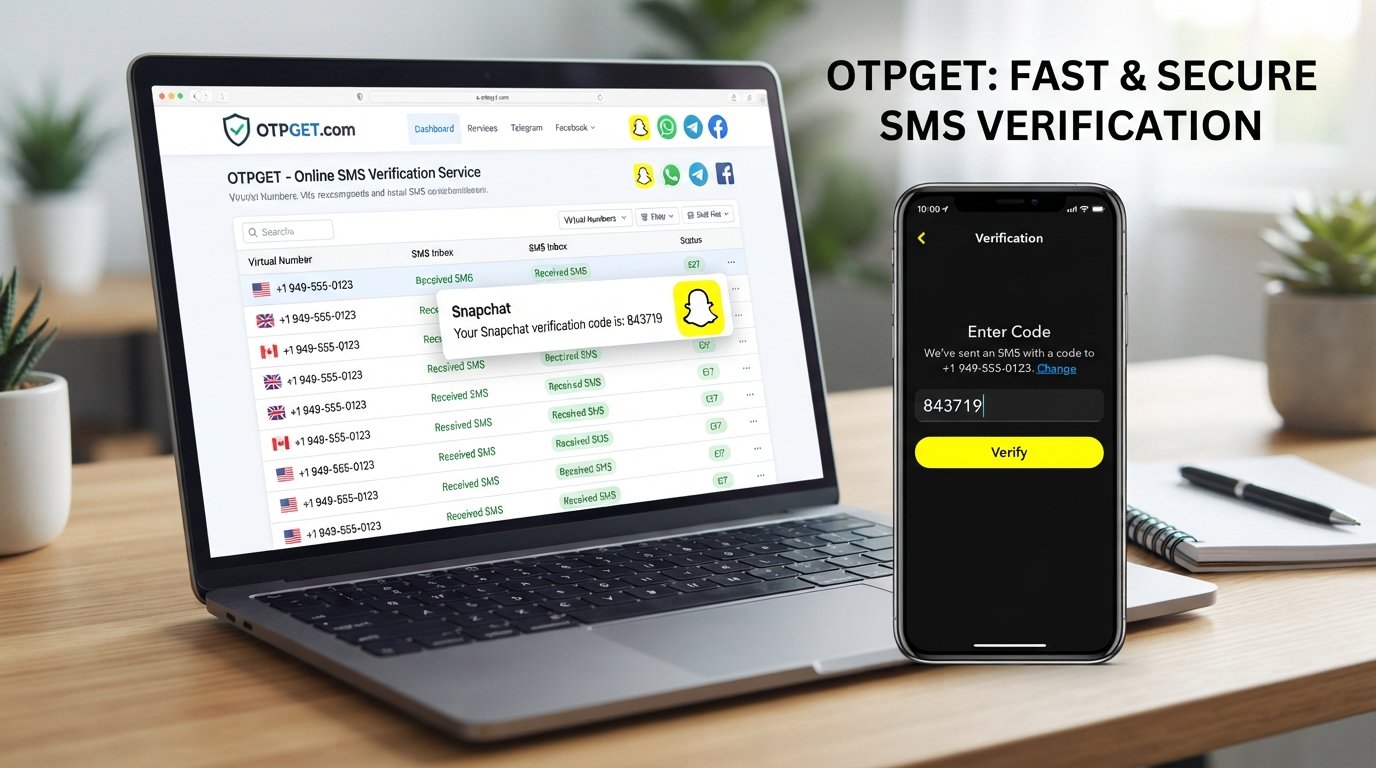
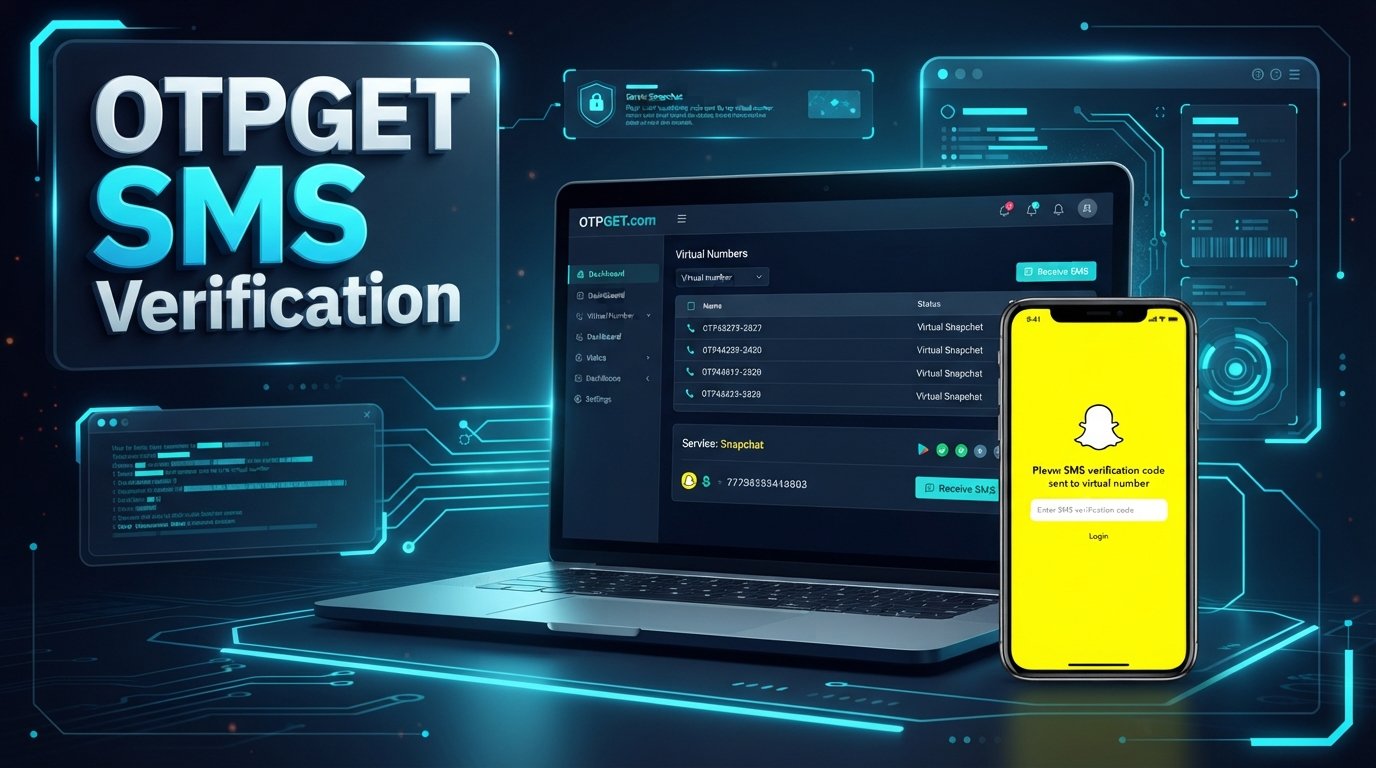
OTPGET private OTP inbox for receiving online verification codes
11. Suggested Image File Name
otpget-private-otp-inbox-verification.png