Get OTP Without Your Own Phone Number: Privacy & Safety Tips
Get OTP Without Using Your Own Phone Number
Signing up for a website or app can sometimes lead to a familiar request: enter your phone number to receive a verification code.
For many people, that is perfectly fine. But not every verification request needs access to a primary personal number. You may want to keep your phone number private, reduce unwanted messages, separate personal activity from online registrations, or use a different number for a temporary testing task.
That is where temporary and virtual phone numbers can be useful.
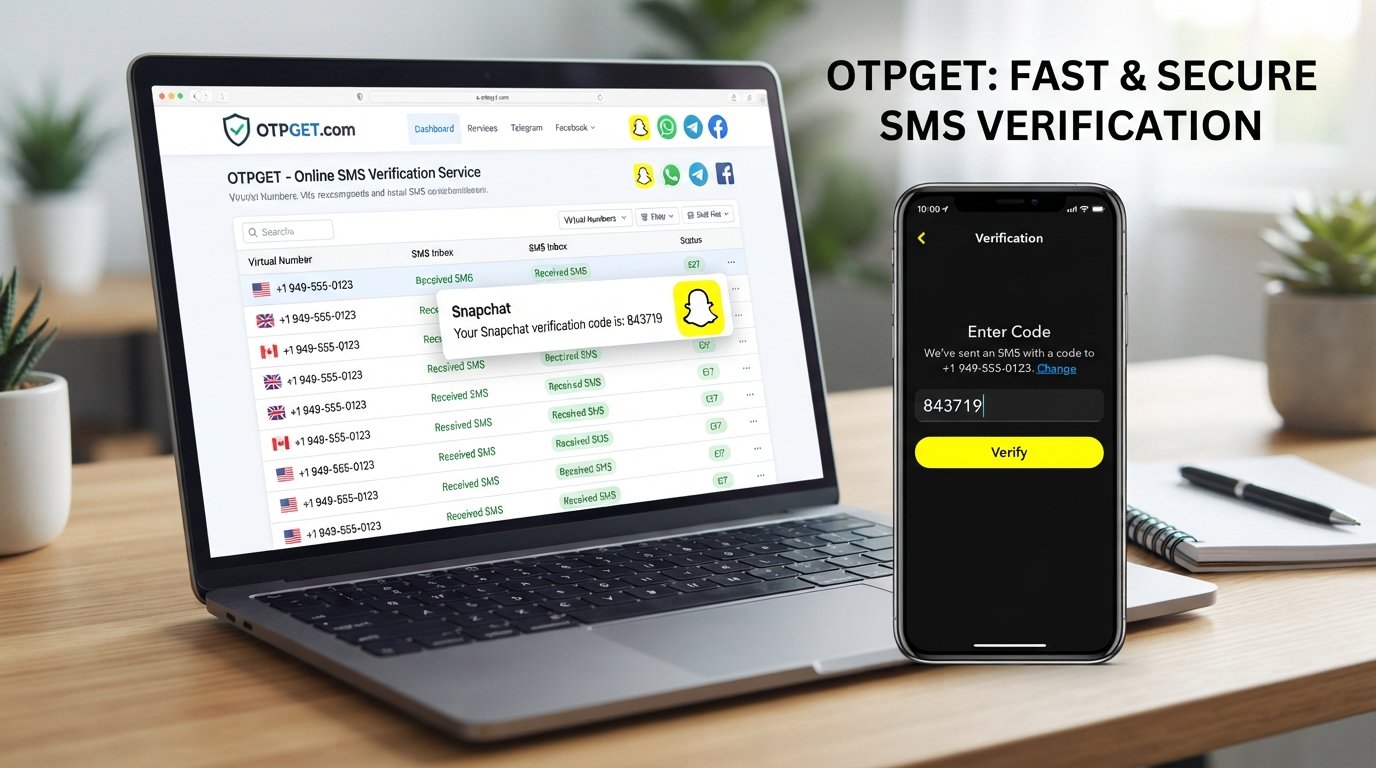
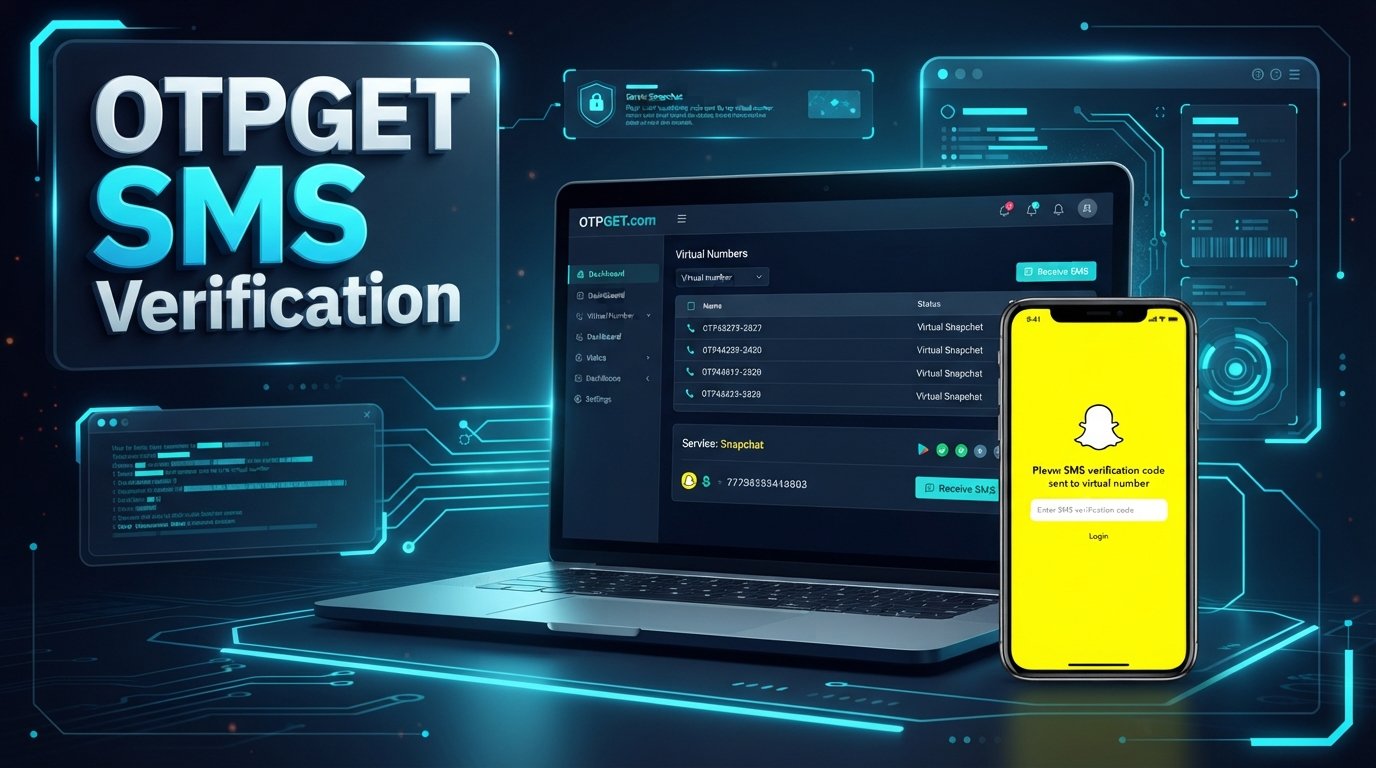
Instead of giving a website your primary number, you can use an online number capable of receiving SMS verification codes. Services such as OTPGET are designed around this type of use, providing virtual numbers for receiving verification messages without requiring your personal mobile number for every temporary verification need.
The key is to use these services responsibly. A temporary number should not be used to deceive a platform, bypass identity checks, evade legitimate security controls, or violate a service's terms.
Why Do People Want to Get OTP Without Their Personal Number?
There are several legitimate reasons someone may want to receive an OTP without exposing their primary phone number.
Privacy
Your phone number is personal information. Giving it to every website or app can increase the number of places where that information is stored or processed.
Using a separate verification number can reduce unnecessary exposure.
Spam prevention
Some registrations result in promotional messages, notifications, or other unwanted communication. Keeping a secondary number for temporary online activity can help separate those messages from your main mobile line.
Separation between personal and online accounts
A second phone number can create a useful boundary between personal communications and online registrations.
For example, someone testing a new service may prefer not to connect that activity directly to their everyday phone number.
Testing and development
Developers and QA teams may need to test SMS verification flows without repeatedly using personal numbers. A suitable temporary or virtual number can make testing more convenient when the service being tested permits it.
Temporary registrations
Some online activities are genuinely short-term. If you only need a number to complete a legitimate temporary verification process, using a dedicated verification number may make more sense than exposing your primary number.
Can You Receive an OTP Without Using Your Own Phone Number?
Yes, in some situations.
Temporary, virtual, or secondary phone-number services can receive SMS messages on your behalf. You use the provided number during a legitimate verification process, and the incoming SMS can then be viewed through the service.
However, there is an important limitation: not every website or app accepts every type of virtual or temporary number.
Compatibility can depend on:
- The website or app being verified
- Country and regional requirements
- Mobile carrier or number type
- Whether the platform blocks virtual numbers
- Whether the number has previously been used
- The verification method supported by the platform
So, receiving an OTP online is possible, but it should never be treated as a guaranteed solution for every service.
What Is a Temporary Phone Number for OTP?
A temporary phone number is a number that can be used for a limited verification purpose rather than serving as your primary personal mobile line.
When an online service sends an SMS OTP, the message is delivered to the number entered during verification. With a virtual number service, that number is managed through an online platform rather than necessarily through your personal SIM card.
A virtual phone number can therefore act as an alternative destination for an SMS verification code.
The main difference is ownership and purpose:
- Personal mobile number: Normally tied to your everyday communications and long-term accounts.
- Secondary number: A separate number you control for additional activities.
- Temporary number: Generally intended for a limited or short-term purpose.
- Virtual number: A phone number managed through an online service rather than requiring a traditional physical SIM in your phone.
OTPGET provides virtual numbers for SMS OTP verification and also offers longer-term rental options, according to its official service information.
How to Get OTP Without Using Your Own Phone Number
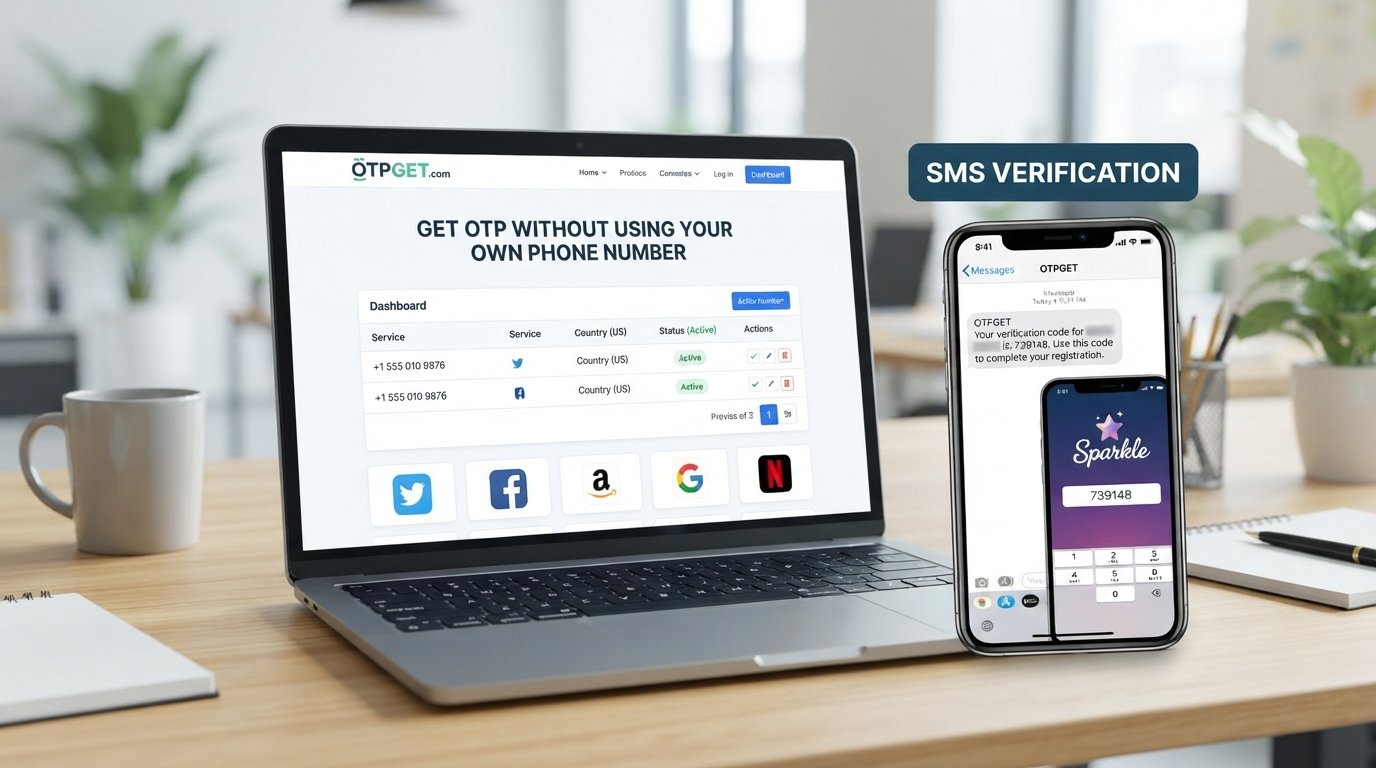
If you need a temporary verification number for a legitimate purpose, OTPGET provides a straightforward workflow.
Step 1: Visit OTPGET
Open OTPGET and review the available verification-number options.
Step 2: Choose the appropriate country or number option
Select a number that matches the requirements of the service you are trying to verify. Country and service compatibility matter, so choose carefully rather than assuming any number will work.
Step 3: Select the service or verification requirement
Where supported, choose the relevant service or verification category. OTPGET's platform provides service and country options for its virtual-number system.
Step 4: Use the provided number
Enter the OTPGET number into the legitimate website or application requesting phone verification.
Use the number only where the platform's rules allow this type of verification.
Step 5: Wait for the verification SMS
After the service sends its SMS, allow some time for the message to arrive. Delivery can depend on the originating platform and number compatibility.
Step 6: Check OTPGET for the incoming code
The verification message can then be accessed through the applicable OTPGET workflow.
Step 7: Enter the OTP
Copy the verification code into the service requesting it and complete the verification process.
OTPGET's documentation describes an SMS OTP workflow in which users request a virtual number and then check its activation status for an incoming SMS code.
Why Choose OTPGET for OTP Verification?
The main appeal of OTPGET is that it provides a dedicated way to obtain virtual numbers for SMS-based verification instead of requiring users to expose their primary phone number for every temporary need.
According to OTPGET's official information, the platform provides virtual numbers for OTP verification, country and service selection, and options for longer-term number rentals.
For users, the practical advantages include:
- Less exposure of your personal number: A separate number can help keep your primary number private.
- Convenient online access: Verification numbers can be managed through an online service.
- Simple verification workflow: Choose a suitable number, use it for the permitted verification process, and check for the incoming SMS.
- Useful for temporary needs: A temporary number can be appropriate when long-term ownership is unnecessary.
- Better separation: Personal communications can remain separate from short-term online activity.
- Options for developers: OTPGET also provides API-based tools for developers who need to work with virtual-number and SMS verification workflows.
The important distinction is that OTPGET is a tool for legitimate verification use—not a way to bypass a platform's security policies.
Benefits of Using a Secondary or Temporary Number
A secondary or temporary number can be useful when privacy and convenience matter more than maintaining the same number indefinitely.
Potential benefits include:
- Protecting your primary phone number from unnecessary exposure
- Reducing unwanted communication to your personal line
- Keeping personal and online activity separate
- Supporting temporary account registrations where permitted
- Helping developers test SMS verification flows
- Providing an alternative number when a physical SIM is inconvenient
- Making short-term verification easier to manage
For privacy-conscious users, the biggest advantage is simple: not every online service needs to know your everyday phone number.
Temporary Number vs. Your Personal Phone Number
| Feature | Personal Number | Temporary/Virtual Number |
|---|---|---|
| Privacy | Lower privacy when shared widely | Can reduce exposure of your primary number |
| Long-term ownership | Usually intended for long-term use | May be temporary or rental-based |
| Convenience | Always available on your device | Access depends on the service |
| Spam exposure | Personal number may receive unwanted messages | Keeps some activity separate |
| Temporary verification | Works where accepted | Often useful for permitted temporary verification |
| Personal account recovery | Usually preferable | Often unsuitable for critical recovery |
A temporary number is not automatically a replacement for your personal number. For important accounts, long-term control and reliable recovery are usually more important than privacy from a single registration.
When Should You Use Your Personal Number Instead?
A temporary number may be convenient, but some accounts should remain tied to a number you permanently control.
Consider using your personal number for:
- Banking accounts
- Financial services
- Government services
- Primary email accounts
- Password recovery
- Important work accounts
- Long-term accounts you cannot afford to lose
- Services where permanent phone-number ownership is part of the security model
If you lose access to a temporary number, you may also lose access to SMS-based recovery.
For that reason, privacy should not come at the expense of account security or recoverability.
Is Using a Temporary Number Safe?
A temporary number can offer privacy benefits, but it is not automatically anonymous or risk-free.
Several limitations deserve attention.
Number recycling: Temporary numbers may eventually be assigned to other users. Avoid relying on a temporary number for sensitive accounts that require long-term recovery.
Platform compatibility: Some websites deliberately reject virtual, disposable, or previously used numbers.
Shared access: Depending on the service and number type, a number may not provide the same level of exclusivity as a personal mobile line.
Privacy policies: Review the policies of both the verification platform and the website you are using. Understand what information is collected and how it is handled.
Account importance: The more important the account, the stronger the argument for using a phone number you permanently control.
A temporary number is best viewed as a privacy and convenience tool for appropriate situations—not as a guarantee of anonymity or security.
Common Problems When Receiving OTP Online
Even when the process is straightforward, SMS verification can sometimes fail.
OTP does not arrive
Wait briefly and check whether the originating service actually sent the message. If the code still does not appear, the number or service may not be compatible.
Number is rejected
Some platforms block virtual or temporary numbers. Try an officially supported verification method instead of attempting to circumvent the restriction.
SMS is delayed
Network routing, the originating platform, or the selected number can affect delivery time.
OTP expires
Verification codes are usually time-sensitive. Request a new code if the previous one has expired.
Number has already been used
A previously used number may not be accepted for another registration. Selecting another compatible number may resolve the issue.
Country restrictions
Some services require a number from a particular country or region. Make sure the selected number matches the platform's stated requirements.
Who Can Benefit From OTPGET?
OTPGET can be useful for people who have legitimate reasons to separate their primary phone number from temporary online verification.
Potential users include:
- Privacy-conscious users
- People who want to avoid unnecessary exposure of their personal number
- Developers testing SMS verification flows
- Businesses testing account-verification workflows
- QA teams working with permitted test environments
- Users who need a temporary verification number
- People separating personal and online activity
Developers can also use OTPGET's API-based functionality when building or testing workflows involving virtual numbers and SMS OTP retrieval.
The same rule applies to all of these use cases: follow the terms and verification requirements of the platform being tested or used.
Frequently Asked Questions
1. Can I get an OTP without using my personal phone number?
Yes. Where supported, you can use a temporary, secondary, or virtual phone number to receive an SMS verification code instead of your primary number.
2. How can I receive an OTP online?
Use a legitimate online SMS verification service that provides a suitable number. With OTPGET, you can select an available virtual number, use it for an eligible verification process, and check for the incoming SMS.
3. What is a temporary phone number?
It is a phone number intended for limited or short-term use rather than as your primary personal line. It can be useful for permitted verification and testing scenarios.
4. Can OTPGET receive verification SMS?
Yes. OTPGET's official documentation describes an SMS OTP service for obtaining virtual numbers and checking for incoming verification codes.
5. Are temporary numbers safe for OTP verification?
They can provide privacy and convenience, but they are not risk-free. Consider number recycling, platform compatibility, privacy policies, and whether you need permanent access to the number.
6. Will every website accept a temporary number?
No. Some websites and apps restrict virtual or temporary numbers. Compatibility can vary by service, country, carrier, and number type.
7. Should I use a temporary number for important accounts?
Usually not. Banking, financial, government, primary email, and other critical accounts generally benefit from a phone number you permanently control for recovery and security.
Conclusion
You do not always need to expose your primary phone number for every temporary online verification request.
When privacy, spam prevention, testing, or separation between personal and online activity matters, a temporary or virtual number can be a practical alternative. The important part is choosing the right use case and understanding the limitations of temporary verification numbers.
For legitimate OTP verification needs, OTPGET provides a convenient option for accessing virtual numbers and receiving SMS verification codes without relying on your personal phone number for every temporary requirement.
If you need a separate number for an appropriate verification task, explore OTPGET's virtual-number service and choose an option that fits the country, service, and duration you need. Always keep critical accounts tied to a number you permanently control and follow the verification rules of the platform you are using.