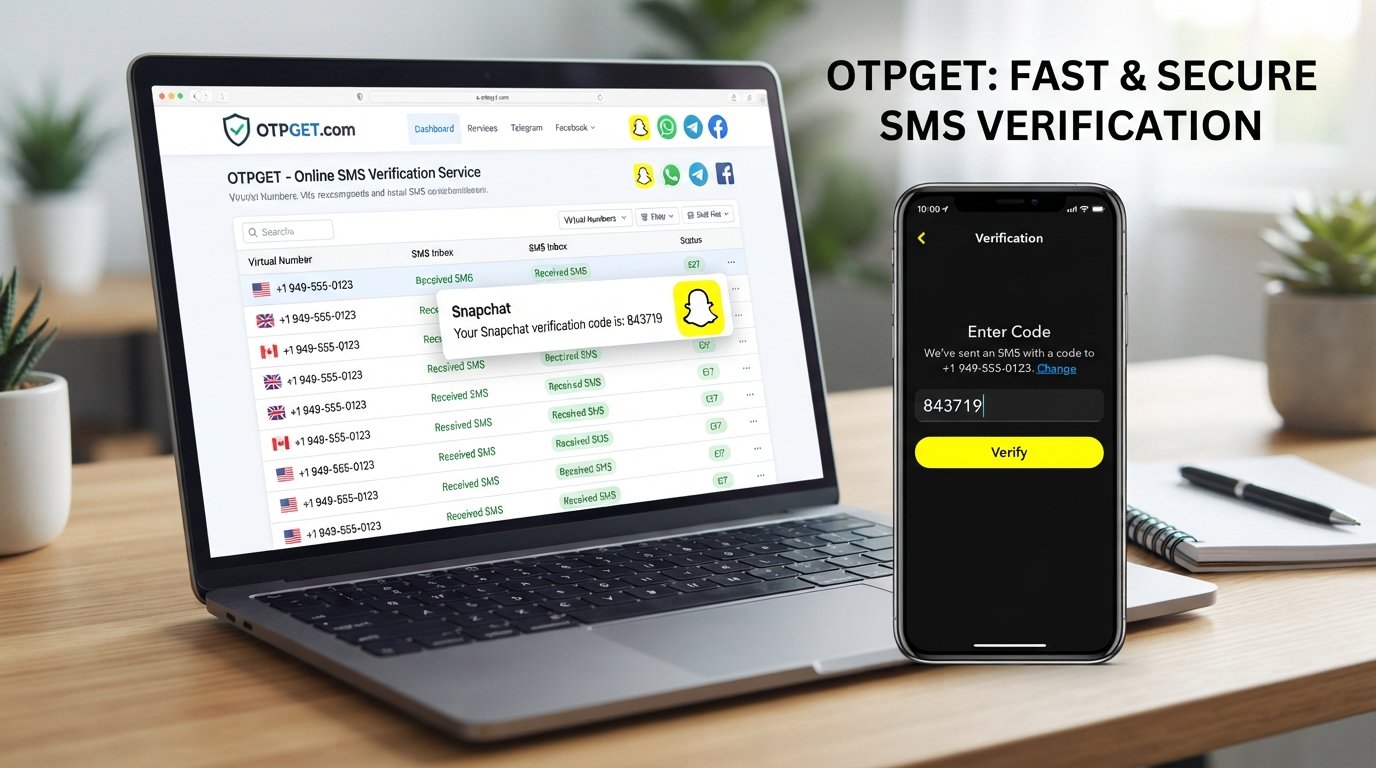
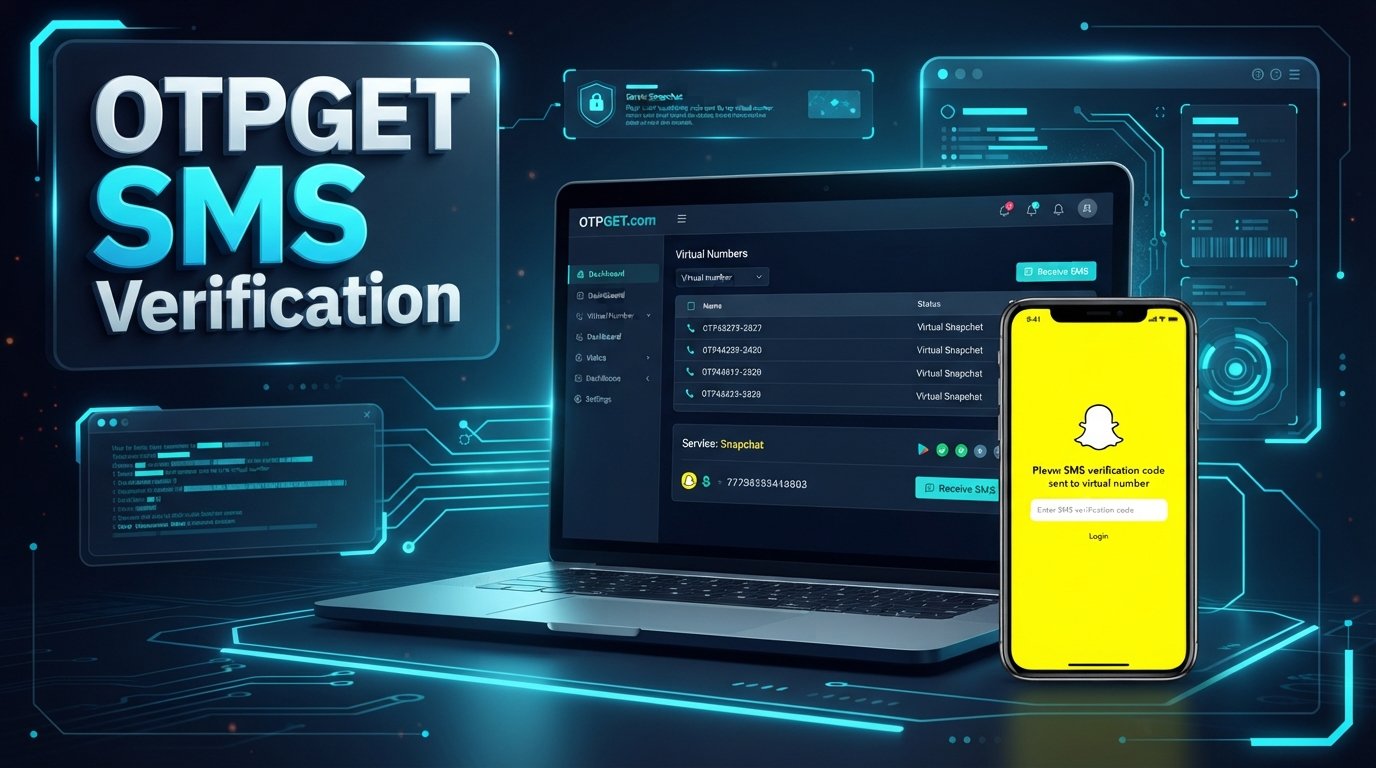
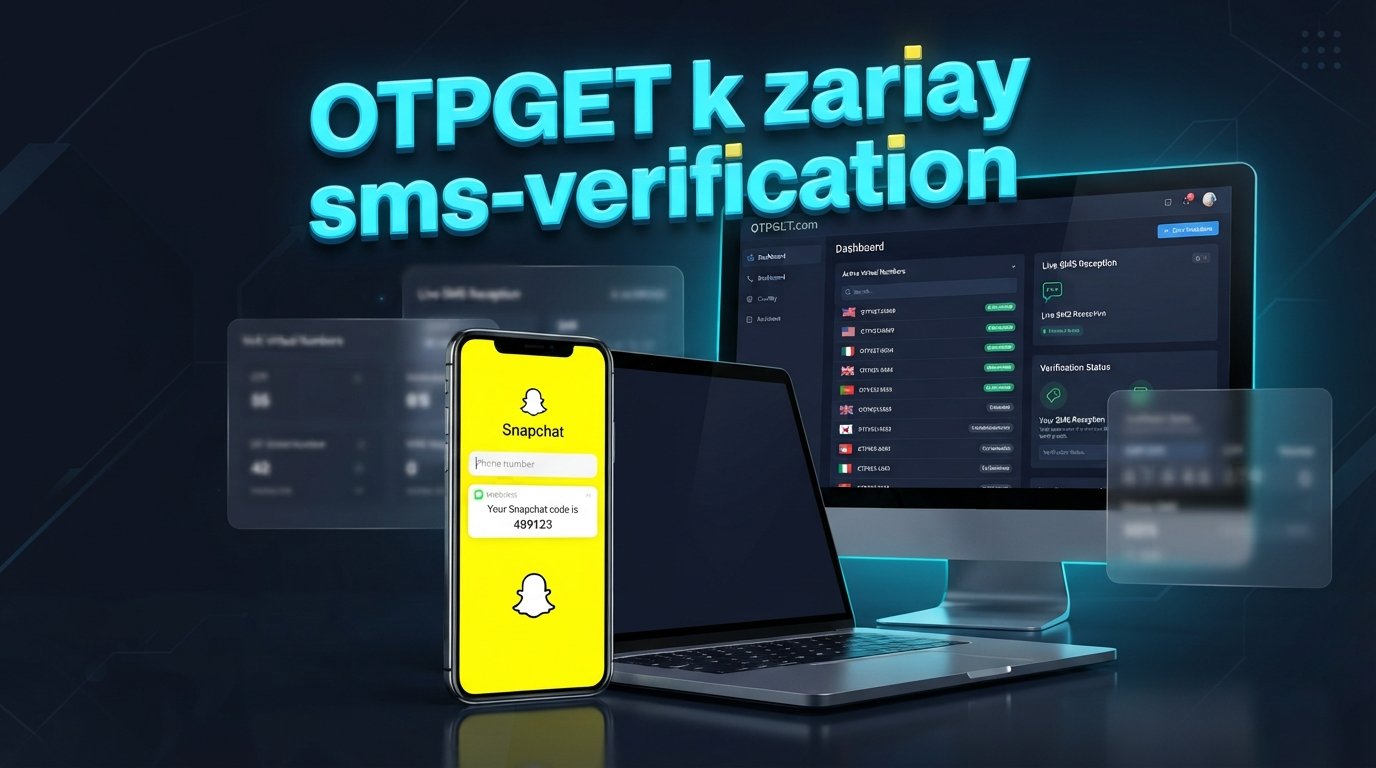
Get Your OTP Here: Simple, Fast & Reliable OTPGET Service Guide
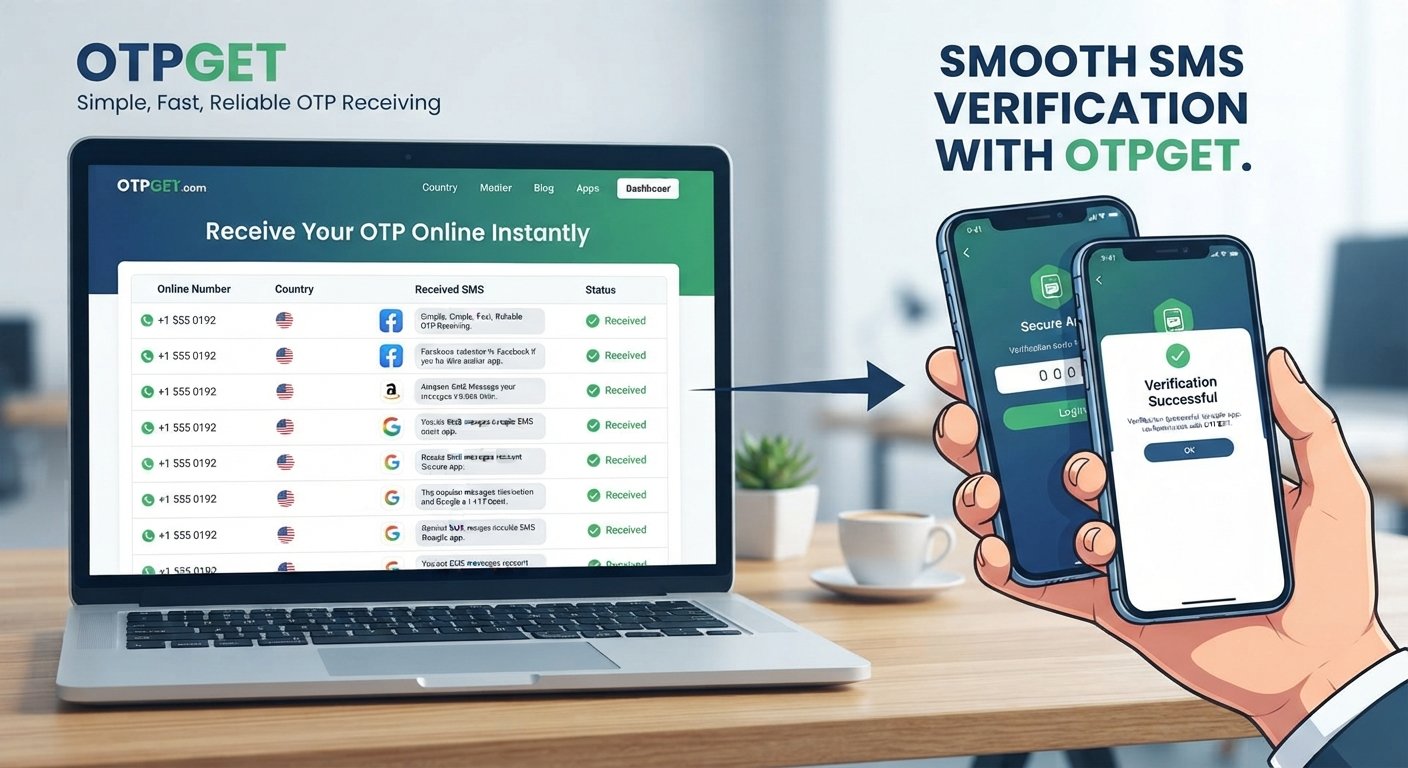
Get Your OTP Here – Simple, Fast, Reliable
Waiting for a verification code can turn a simple online task into an unnecessary hassle. You request an OTP, check your phone, wait again, and sometimes wonder whether the message will arrive at all. Delayed SMS messages, network issues, or an inconvenient verification process can make even a routine sign-up or confirmation feel more complicated than it should.
That is where a straightforward OTP receiving solution can make a difference.
If you are searching for a practical way to get your OTP here, OTPGET is designed around the need for a simpler OTP receiving and verification experience. Instead of adding unnecessary complexity, the goal is to make the process easier to understand and more convenient to manage.
Whether you are new to online OTP services or simply want a more practical approach to receiving verification codes, understanding how OTPs work and where an OTP platform fits can help you make better decisions.
What Is an OTP and Why Is It Used?
OTP stands for One-Time Password. It is a temporary verification code used to confirm that a person has access to a particular phone number, device, account, or communication channel.
An OTP is generally intended for one verification event rather than repeated use. A website or application may send a code by SMS, for example, and ask the user to enter it during a login, registration, confirmation, or other verification step.
OTP verification is popular because it adds another layer to the process of confirming a user's access.
A typical process looks like this:
- You begin a verification process.
- The service sends an OTP or verification code.
- You receive the verification message.
- You enter the code where requested.
- The service checks the code and completes the verification if it is valid.
The process sounds simple, but receiving the message can sometimes be the most frustrating part.
Why Getting an OTP Can Sometimes Be Difficult
There are several ordinary reasons why an OTP may not arrive as expected.
For example, an SMS can be delayed because of network conditions or message routing. A user may also have difficulty accessing the phone number needed for a particular verification process. In other cases, repeatedly requesting a new code can create confusion about which verification SMS is still valid.
Common frustrations include:
- Delayed verification messages
- Weak or inconsistent mobile reception
- Difficulty accessing a suitable phone number
- Repeated requests for a verification code
- Confusion caused by multiple OTP messages
- Time spent waiting for an SMS
- Complicated verification workflows
None of these problems necessarily means that the underlying service is unreliable. Sometimes, the challenge is simply finding a convenient way to manage the verification step.
That is why online OTP solutions can be useful when they are appropriate for the service and used responsibly.
Get Your OTP Here with OTPGET
If your goal is to make the OTP receiving process more straightforward, OTPGET provides a practical place to start.
The appeal of an online OTP service is simple: it can reduce some of the unnecessary friction associated with receiving verification messages. Rather than treating OTP verification as a confusing technical process, OTPGET focuses on making the experience easier to approach.
For someone searching for OTP online, receive OTP online, or a convenient way to get verification code, the key benefit is simplicity.
OTPGET is particularly relevant when you want an uncomplicated workflow for OTP-related tasks. It can help make the process of receiving and handling verification messages more convenient, while still leaving the actual verification requirements to the service you are using.
It is important to remember that OTPGET does not replace the rules of the website, application, or platform requesting the verification. Users should always follow the applicable terms and use an OTP receiving service only where permitted.
How OTPGET Makes OTP Verification Easier
The exact steps can vary depending on the verification service and the options available, but the general process is straightforward.
1. Access OTPGET
Start by accessing OTPGET and reviewing the available OTP or verification options.
2. Choose the Appropriate Option
Select the option that matches your legitimate verification requirement. Availability and supported workflows may vary.
3. Follow the Instructions
Use the information and instructions provided by the service. Avoid guessing at steps or repeatedly requesting codes unnecessarily.
4. Receive the Verification Code
Where supported, wait for the relevant verification SMS or OTP to become available.
5. Enter the OTP
Use the received code in the original verification process before it expires or becomes invalid.
6. Complete Verification
If the code is accepted, the verification process can proceed according to the requirements of the service involved.
This simple approach helps keep the focus where it belongs: receiving the verification code and completing the intended process without unnecessary complications.
Key Benefits of Using OTPGET
Simple Experience
OTP verification should not feel more complicated than necessary. A straightforward OTP receiving workflow can make it easier to understand what to do and when to do it.
Fast and Convenient
When you need a verification code, convenience matters. An online OTP solution can provide a more practical way to approach the receiving process without promising a specific delivery time.
Easy Access
Online OTP services can be useful when you need a convenient way to handle verification messages as part of an approved workflow.
User-Friendly Approach
Clear steps and a focused experience can reduce confusion, especially for people who are unfamiliar with online verification systems.
Practical Verification Support
OTPGET is centered on OTP receiving and verification needs, making it relevant for users who want a more manageable approach to verification SMS and online OTP processes.
OTP Online vs. Traditional OTP Receiving
Online OTP solutions and conventional phone-based OTP receiving can both have legitimate uses. The better option depends on the requirements of the service you are using.
| Factor | Traditional OTP Receiving | Online OTP Service |
|---|---|---|
| Convenience | Depends on access to your usual phone | Can provide an alternative online workflow where supported |
| Accessibility | Requires access to the relevant phone | Designed around online access |
| Speed | Can depend on network and SMS delivery | May offer a more convenient receiving workflow |
| Setup | Usually tied to an existing phone number | May involve a service-specific process |
| Best suited for | Personal accounts and ongoing access | Appropriate verification scenarios where online receiving is permitted |
The important point is not that one method is always better. Instead, consider what the service requires and whether an online OTP solution is allowed.
When Can an OTP Receiving Service Be Useful?
An OTP receiving service can be helpful in legitimate situations where SMS verification is part of an approved workflow.
Potential examples include:
- Testing verification workflows where permitted
- Development and testing environments
- Services that explicitly allow online OTP receiving
- Temporary verification tasks where the service permits this approach
- Online SMS verification processes that do not require a long-term personal number
For important personal accounts, consider whether you need continued access to the same phone number. A temporary phone number may not be appropriate when future account recovery or repeated authentication depends on that number.
Most importantly, do not use OTP services to bypass identity checks, evade security controls, create fraudulent accounts, spam platforms, or violate the rules of another service.
Tips for Using OTP Services Responsibly
An OTP is more than an ordinary text message. It can be part of an authentication process, so treat every verification code as sensitive information.
Keep these guidelines in mind:
- Use OTP services only for legitimate purposes.
- Never share an OTP with strangers.
- Do not publish verification codes online.
- Check the terms of the service before using an OTP solution.
- Do not assume a temporary number is suitable for long-term account access.
- Use permanent contact information when a service requires it for recovery or ongoing authentication.
- Never give an OTP to someone who claims they need it on your behalf.
Responsible use protects both your account and the integrity of the verification system.
Why Choose OTPGET?
When the main problem is unnecessary complexity, a simple solution is often the most useful one.
OTPGET is focused on the practical need to receive and manage OTP-related verification messages. That makes it a natural option for people searching for an OTP service, online verification code, or convenient way to receive OTP online where such use is permitted.
The key reasons to consider OTPGET include:
- A straightforward approach to OTP receiving
- Convenience for appropriate online verification tasks
- A focus on OTP-related needs
- A practical alternative to unnecessarily complicated workflows
- An easy-to-understand approach for users looking for verification support
Rather than promising that every OTP request will work in every situation, the sensible approach is to use OTPGET where it fits the requirements of the service you are verifying with.
Frequently Asked Questions About OTP
1. What is an OTP?
An OTP, or One-Time Password, is a temporary code used to verify access during a specific authentication or confirmation process. It is commonly delivered through SMS or another approved communication method. Because an OTP is generally intended for one verification event, it should be treated as sensitive authentication information.
2. How can I receive an OTP online?
You can use an online OTP or SMS verification service where the relevant website or application permits it. The general process involves selecting an appropriate option, following the service instructions, receiving the verification message, and entering the code into the original verification process.
3. What is OTPGET?
OTPGET is an OTP-focused solution intended to make the process of receiving verification codes more straightforward and convenient. It can be relevant to users looking for an online OTP or OTP receiving service, provided that the intended use complies with the rules of the service requiring verification.
4. How does OTPGET help with verification?
OTPGET is designed around the practical need to receive OTP-related verification messages. By providing a focused approach to the receiving process, it can help reduce unnecessary complexity. The final verification decision remains with the website, application, or service requesting the OTP.
5. Is an OTP the same as a verification code?
In many situations, the terms are used interchangeably. An OTP is a type of verification code that is generally temporary and intended for a specific authentication event. However, not every verification code necessarily follows the same technical or security design as an OTP.
6. When should I use an online OTP service?
An online OTP service can be useful when a service permits online or temporary verification methods and you need a convenient way to receive an SMS OTP. Always review the relevant platform's requirements first, particularly for accounts that depend on long-term access to a specific phone number.
7. Are OTPs safe to share?
You should treat OTPs as sensitive information and never share them with strangers. Legitimate services generally expect you to enter a verification code within their designated verification process rather than disclose it to another person. If someone asks you to send them an OTP, use caution.
8. What should I do if I do not receive an OTP?
First, check your connection and make sure the phone or receiving method is available. Avoid repeatedly requesting codes in quick succession because that can create confusion. If the message still does not arrive, review the service's support or verification instructions and try an approved alternative if one is available.
Final Thoughts
Getting a verification code should be a straightforward part of an online task, not the part that causes the most frustration. Delayed messages, limited access to a suitable number, and complicated workflows can make OTP verification feel harder than necessary.
That is why a practical solution such as OTPGET can be useful. It gives users a focused way to approach OTP receiving and online verification where the relevant service permits it.
If you are searching for get your OTP here, OTP online, or a convenient way to receive verification code, explore OTPGET and see how it fits your verification needs. Keep your usage legitimate, protect every OTP you receive, and always follow the requirements of the service you are verifying with.
12. Internal Linking Suggestions
- How OTP verification works
- Online SMS verification guide
- OTP receiving services
- Temporary phone number guide
- OTPGET features
13. Article Schema Recommendations
Use Article structured data for the main blog content.
Recommended fields:
- @type: Article
- headline: Get Your OTP Here – Simple, Fast, Reliable
- description: Use the published meta description.
- image: [ADD YOUR FEATURED IMAGE URL]
- author: [ADD YOUR AUTHOR INFORMATION]
- publisher: [ADD YOUR PUBLISHER INFORMATION]
- datePublished: [ADD YOUR PUBLICATION DATE]
- dateModified: [ADD YOUR MODIFIED DATE]
- mainEntityOfPage: [ADD YOUR CANONICAL URL]
Do not add ratings, reviews, awards, statistics, certifications, affiliations, or other claims unless they are supported by the website's actual information.
14. FAQ Schema Recommendations
Use FAQPage structured data for the eight questions in the FAQ section, provided that all questions and answers are visibly published on the page.
Recommended FAQ entries:
- Question: What is an OTP?
Answer: Use the corresponding published FAQ answer from the article. - Question: How can I receive an OTP online?
Answer: Use the corresponding published FAQ answer from the article. - Question: What is OTPGET?
Answer: Use the corresponding published FAQ answer from the article. - Question: How does OTPGET help with verification?
Answer: Use the corresponding published FAQ answer from the article. - Question: Is an OTP the same as a verification code?
Answer: Use the corresponding published FAQ answer from the article. - Question: When should I use an online OTP service?
Answer: Use the corresponding published FAQ answer from the article. - Question: Are OTPs safe to share?
Answer: Use the corresponding published FAQ answer from the article. - Question: What should I do if I do not receive an OTP?
Answer: Use the corresponding published FAQ answer from the article.