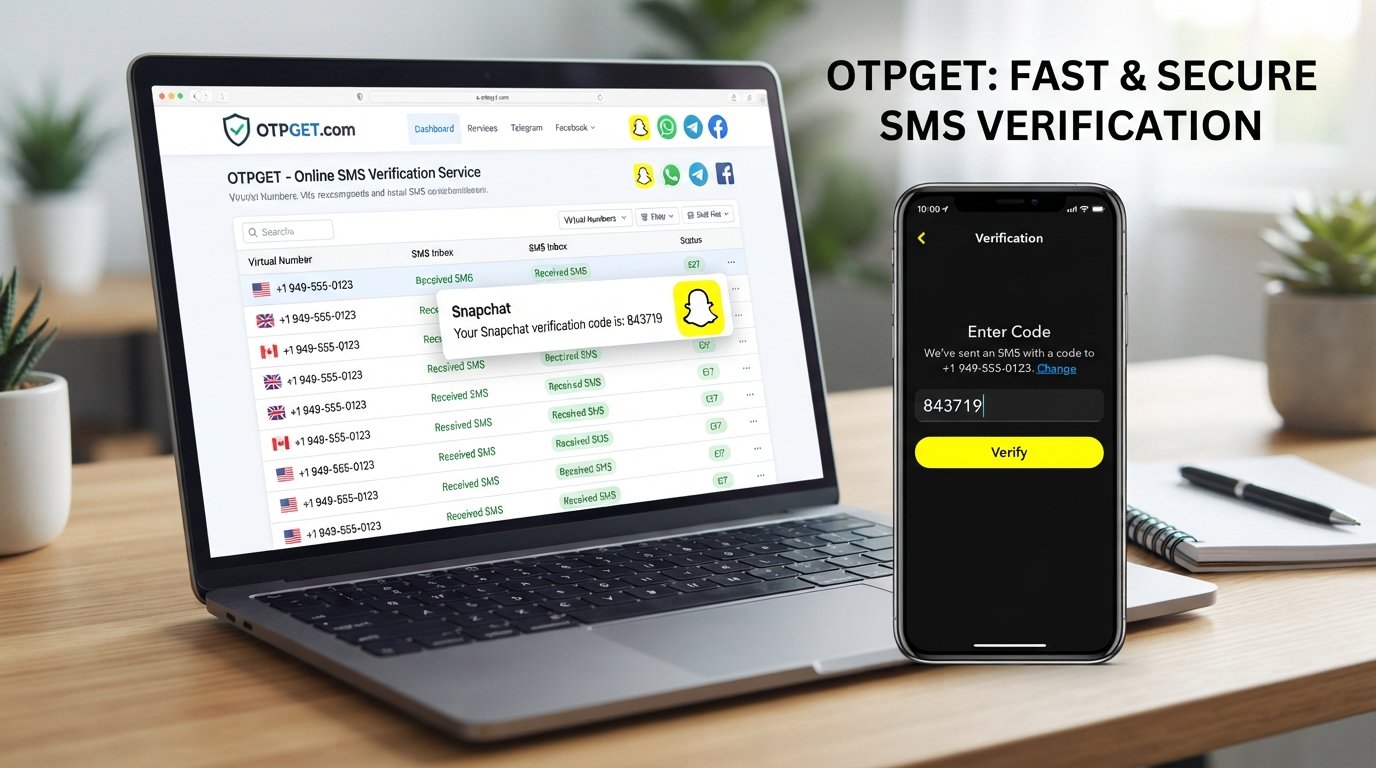
GitHub OTP Number: Complete Guide to SMS Verification Online
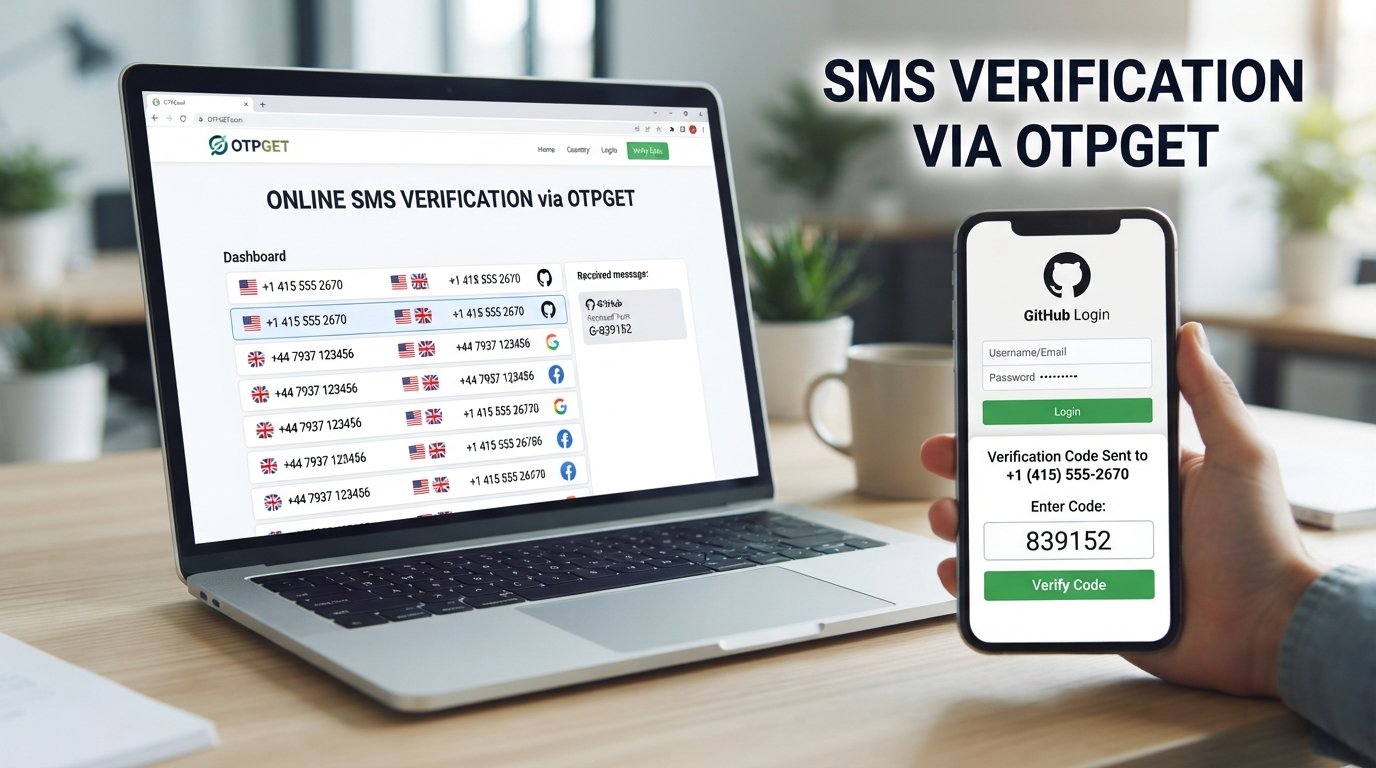
GitHub OTP Number – SMS Verification Online
Phone verification is now a familiar part of signing up for online services, protecting accounts, and confirming that a user has access to a particular number. When people search for a GitHub OTP Number, they are often looking for a practical way to receive a verification code without necessarily using their everyday personal number.
That is where online SMS verification services can become useful. OTPGET provides an online option for receiving SMS verification messages, giving users a way to separate verification communications from their primary phone line where the relevant platform permits it.
Before choosing any number, however, it helps to understand how OTP verification works, what temporary and virtual numbers actually mean, and where their limitations matter.
[Internal Link: Online SMS Verification Guide]
What Is a GitHub OTP Number?
A GitHub OTP Number generally refers to a phone number used to receive a one-time password or verification code associated with a GitHub account or verification process.
An OTP, or one-time password, is a temporary code sent to a phone or another verification channel. The user enters that code into a verification field to confirm access to the number.
In simple terms, the process looks like this:
- A website requests phone verification where applicable.
- The user provides an eligible phone number.
- The service sends a verification code by SMS.
- The user receives the message.
- The code is entered into the verification screen.
- The platform checks the code and completes the applicable verification step.
A GitHub verification number may therefore be a personal mobile number, a virtual phone number, or another eligible number capable of receiving the required SMS.
The important point is that the exact verification requirements are controlled by the platform. Not every account, action, country, or phone-number type will necessarily follow the same process.
How GitHub SMS Verification Works
When SMS authentication is available for a particular workflow, the basic concept is straightforward: a verification code is delivered to a phone number, and the user enters that code to prove access to the number.
A typical GitHub SMS verification flow can be understood as follows:
1. Enter a phone number
The user enters a number into the relevant verification field if the platform requests one.
2. Request the verification code
The service sends an SMS containing a temporary verification code.
3. Receive the SMS
The user checks the phone or eligible online SMS service connected to the number.
4. Enter the GitHub verification code
The received code is entered into the verification screen.
5. Complete verification
If the code is valid and the number meets the platform's requirements, the applicable verification step can proceed.
Verification requirements can change based on account settings, security policies, location, and the particular action being performed. A phone number should never be treated as a guaranteed way to bypass a platform's security controls.
Why Use an Online SMS Verification Number?
There are legitimate reasons to consider an online SMS number instead of immediately sharing a personal mobile number.
For example, someone may want to keep verification messages separate from everyday communications. A developer testing an appropriate workflow may also need a number specifically for testing, provided the relevant service permits that use.
Common considerations include:
- Privacy: Keep some online verification activity separate from a primary phone number.
- Convenience: Receive verification messages through an online service when supported.
- Separation: Keep personal communications and verification messages in different places.
- Testing: Use an appropriate temporary or virtual number for permitted application testing.
- Organization: Manage verification-related messages separately from personal SMS.
For privacy-conscious users, the attraction is usually not anonymity. Instead, it is the ability to avoid unnecessarily exposing a primary phone number during appropriate online verification scenarios.
[Internal Link: How Virtual Phone Numbers Work]
What Is a Temporary or Virtual Phone Number?
The terms temporary number, virtual phone number, and online SMS number are often used interchangeably, but they can describe different arrangements.
A traditional mobile number is generally tied to a physical SIM or mobile account and is normally intended for long-term personal use.
A virtual phone number is associated with an online telecommunications service rather than necessarily being tied directly to a physical SIM in the user's phone.
A temporary phone number is generally intended for limited or short-term use. Depending on the service, access may not be permanent.
An online SMS number is a broader term for a number that can receive text messages through an online interface or service.
This distinction matters because account verification is not only about receiving one message. If an account may need future recovery or security checks, long-term control of the number can become important.
A temporary SMS number can be convenient for an appropriate one-time verification task, but it may not be suitable for an account that you expect to protect or recover through that number for a long period.
OTPGET for SMS Verification Online
If you are looking for SMS verification online, OTPGET is a practical option to consider for receiving verification messages through an online service.
OTPGET is designed to provide users with an online option for receiving SMS verification messages. That can be useful when someone wants to keep verification communications separate from a personal phone number and the relevant platform accepts the selected number.
The appeal is simple: instead of treating a personal mobile number as the only option for every online verification situation, users can consider an online SMS verification workflow where appropriate.
OTPGET can be relevant for users searching for:
- A GitHub SMS number for an eligible verification workflow
- A temporary SMS number
- A virtual SMS number
- An online OTP number
- A way to receive SMS online
- A separate number for appropriate verification scenarios
However, compatibility should always be checked before relying on a number. Third-party platforms can restrict certain types of virtual, temporary, shared, or previously used numbers.
That makes OTPGET a practical option to explore, rather than a promise that every number will work with every platform.
How to Use OTPGET for Online SMS Verification
Using an online SMS service generally involves a straightforward workflow.
Step 1: Visit OTPGET
Start by visiting OTPGET and reviewing the available SMS or verification options.
Step 2: Choose an appropriate option
Select a number or service that matches the verification scenario and the options currently available through OTPGET.
Step 3: Enter the number where permitted
Enter the selected number into the supported website or service that is requesting phone verification.
Step 4: Wait for the SMS
If the platform accepts the number and sends a verification message, wait for the SMS to arrive through the online service.
Step 5: Retrieve the OTP
Open the relevant message through OTPGET and locate the verification code.
Step 6: Enter the code
Enter the received verification code into the appropriate verification field.
Always follow the terms and security requirements of the service you are verifying. If a platform requires a personally controlled or permanent number, an online temporary number may not be appropriate.
Benefits of Using OTPGET
For suitable online verification scenarios, an OTP receiving service such as OTPGET can offer several practical advantages:
- Online access to SMS verification: Verification messages can be accessed through an online service.
- Separation from personal communications: Verification activity can be kept separate from everyday SMS.
- Convenience: Users have an alternative to immediately using their primary mobile number where permitted.
- Privacy-conscious workflow: A separate number can reduce unnecessary exposure of a personal phone number.
- Simple process: The basic workflow is based on receiving the SMS and entering the verification code.
- Flexible use cases: Online SMS numbers can be useful for appropriate verification and testing scenarios.
The right choice depends on the service being verified and how long you need access to the number.
[Internal Link: OTP Verification Explained]
Things to Consider Before Using a Temporary Number
A temporary or virtual number is not automatically suitable for every account.
Some platforms may block virtual numbers, temporary numbers, shared numbers, or numbers that have previously been used for verification. Others may require a number that remains under your control for account recovery.
Before using a temporary phone number, consider the following:
- Compatibility: The platform may not accept every virtual or temporary number.
- Future recovery: Losing access to a number can create problems if it is later needed for account recovery.
- Number recycling: Some temporary numbers may eventually be reassigned.
- Account importance: A critical account may be better protected with a personally controlled number.
- Platform rules: Always follow the terms and verification policies of the service.
- Privacy expectations: A virtual number should not be assumed to provide complete anonymity or eliminate all privacy risks.
For an account you expect to use for years, long-term control and recoverability should usually matter more than convenience.
GitHub OTP Number vs. Personal Phone Number
Both approaches can have legitimate uses, but they serve different priorities.
| Feature | Personal Number | Online/Virtual Number |
|---|---|---|
| Privacy | Lower separation from personal identity | Can provide greater separation |
| Convenience | Usually readily available | Depends on the online service |
| Long-term access | Typically strong if the mobile account remains active | Depends on the provider and number |
| Verification compatibility | Often broadly accepted | Some platforms may restrict it |
| Account recovery | Useful when the number remains under personal control | Can be less suitable if access is temporary |
| Best suited for | Important long-term accounts | Appropriate temporary or separate verification needs |
There is no universal winner. The right option depends on whether privacy, convenience, compatibility, or long-term recovery is most important for the specific account.
Is Online SMS Verification Safe?
Online SMS verification can be reasonable when used with a reputable service and for an appropriate purpose, but it should not be treated as risk-free.
Safety depends on several factors, including the service provider, how the number is managed, whether the number is private or shared, and what type of account is being verified.
For sensitive accounts, consider whether you need permanent control of the number. If the number is temporary or could later become unavailable, it may not be appropriate as a long-term recovery method.
It is also important to understand that receiving an OTP online does not make an account anonymous or remove the security requirements imposed by the platform.
A privacy-conscious approach means using the right verification method for the situation rather than assuming that every temporary or virtual number is interchangeable.
[Internal Link: Privacy and Online Security]
Frequently Asked Questions
What is a GitHub OTP Number?
A GitHub OTP Number is a phone number used to receive a one-time verification code when a relevant GitHub verification process requires SMS. It may be a personal, virtual, or temporary number if the platform accepts that number type.
Can I receive a GitHub verification code online?
Potentially, if the applicable verification process supports the number and the online SMS provider can receive the message. Acceptance depends on the platform's current verification requirements and restrictions.
What is an online SMS verification number?
An online SMS verification number is a phone number whose text messages can be accessed through an online service. It can be used for appropriate account or application verification when the receiving platform permits it.
Can a temporary phone number receive OTP codes?
Yes, a temporary phone number can receive OTP codes when it is capable of receiving SMS and the platform accepts that number. Some services restrict temporary, shared, or virtual numbers.
How does OTPGET help with SMS verification?
OTPGET provides an online option for receiving SMS verification messages. Users can choose an appropriate available option, use the number where permitted, and retrieve the received verification code through the service.
Will every virtual number work for GitHub verification?
No. Platform policies can limit which numbers are accepted. A virtual or temporary number may work for one service or workflow and be rejected by another.
Is it better to use a personal number or a virtual number?
It depends on the purpose. A personal number can be preferable for important accounts requiring long-term recovery, while a virtual number may be useful when privacy, separation, or a temporary verification workflow is the priority.
Final Thoughts
A GitHub OTP Number is essentially a phone number used to receive an OTP or verification code during an applicable verification process. Understanding how SMS authentication works makes it easier to choose the right number for a particular situation.
An online SMS number can provide convenience and a privacy-conscious alternative to immediately using a personal phone number. At the same time, temporary and virtual numbers have limitations. Some platforms may reject them, and they may not be suitable for accounts that require long-term recovery access.
For users specifically looking for SMS verification online, OTPGET offers a practical option to explore for receiving verification messages through an online service. The key is to use it for legitimate verification scenarios and confirm that the platform you are using permits the selected number.
If you need an online OTP number or want to keep verification messages separate from your primary phone, explore OTPGET and review the available verification options for your use case.