Choosing the Right Country for Google SMS Verification & OTP
Choosing the Right Country for Google SMS Verification
Getting a Google verification code by SMS sounds simple: enter a phone number, wait for the message, and enter the code. In practice, the experience can vary depending on the number, carrier, region, availability, and the verification requirements applied to an account.
That is why choosing a country for Google SMS verification should involve more than looking for the cheapest available number.
A suitable number should be available, capable of receiving SMS reliably, and appropriate for the verification workflow you are completing. Google itself notes that phone verification may be required to help protect accounts and limit abuse, and that messages can sometimes be delayed because of carrier or location-related issues.
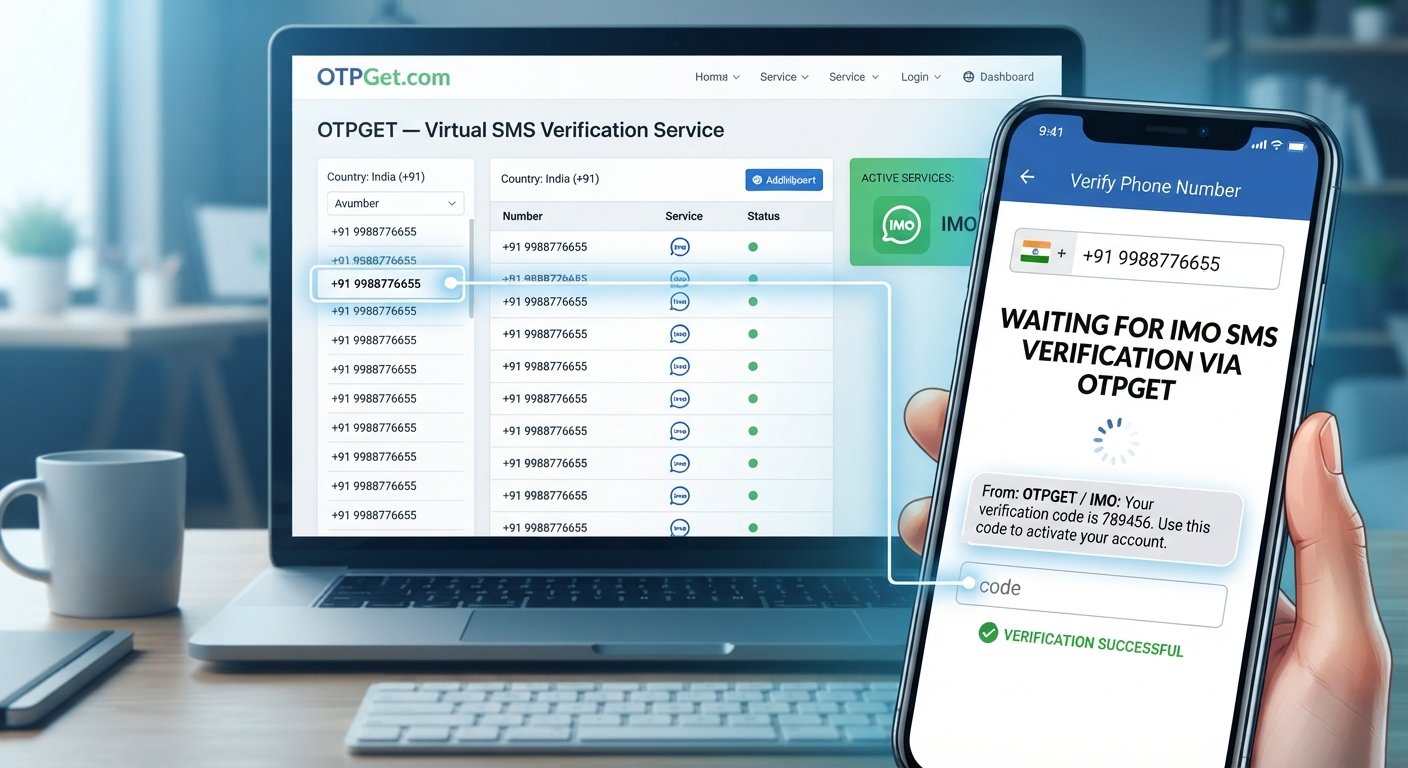
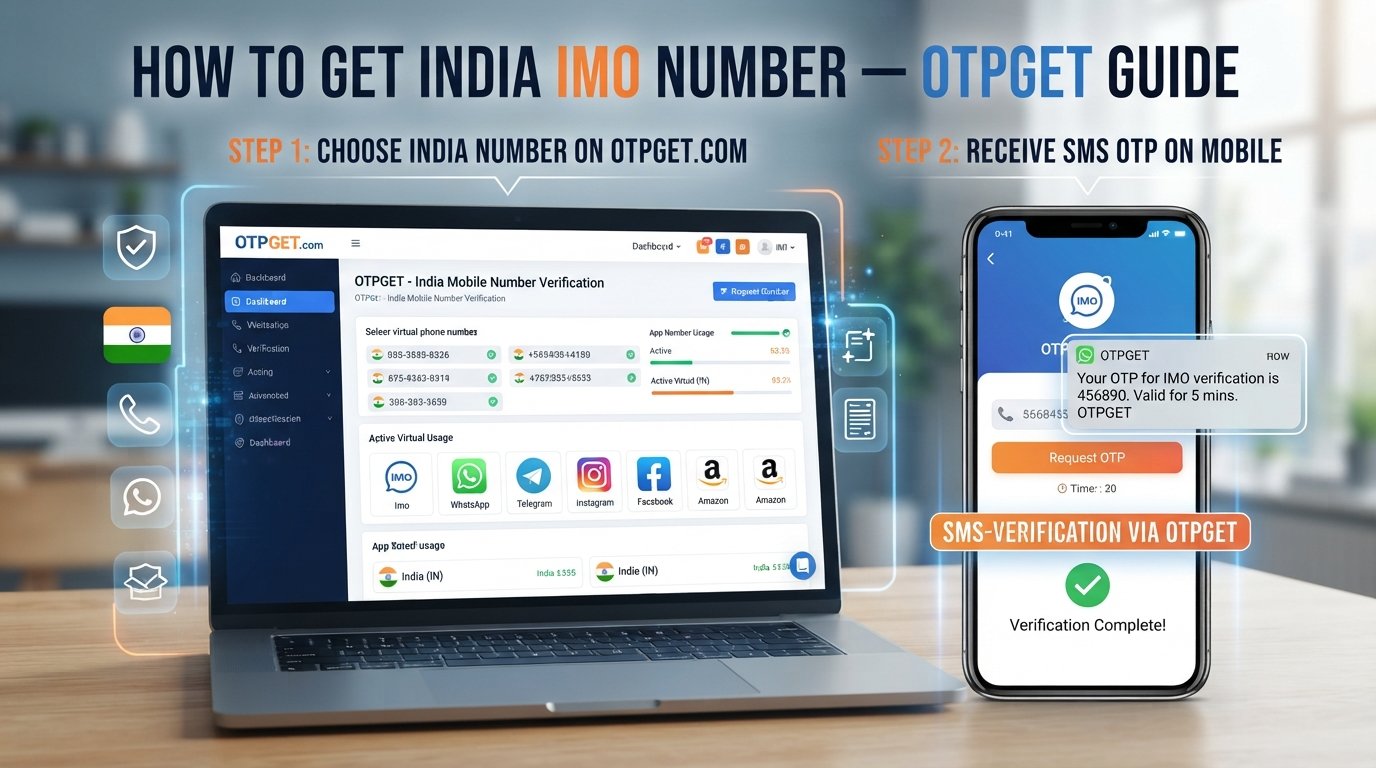
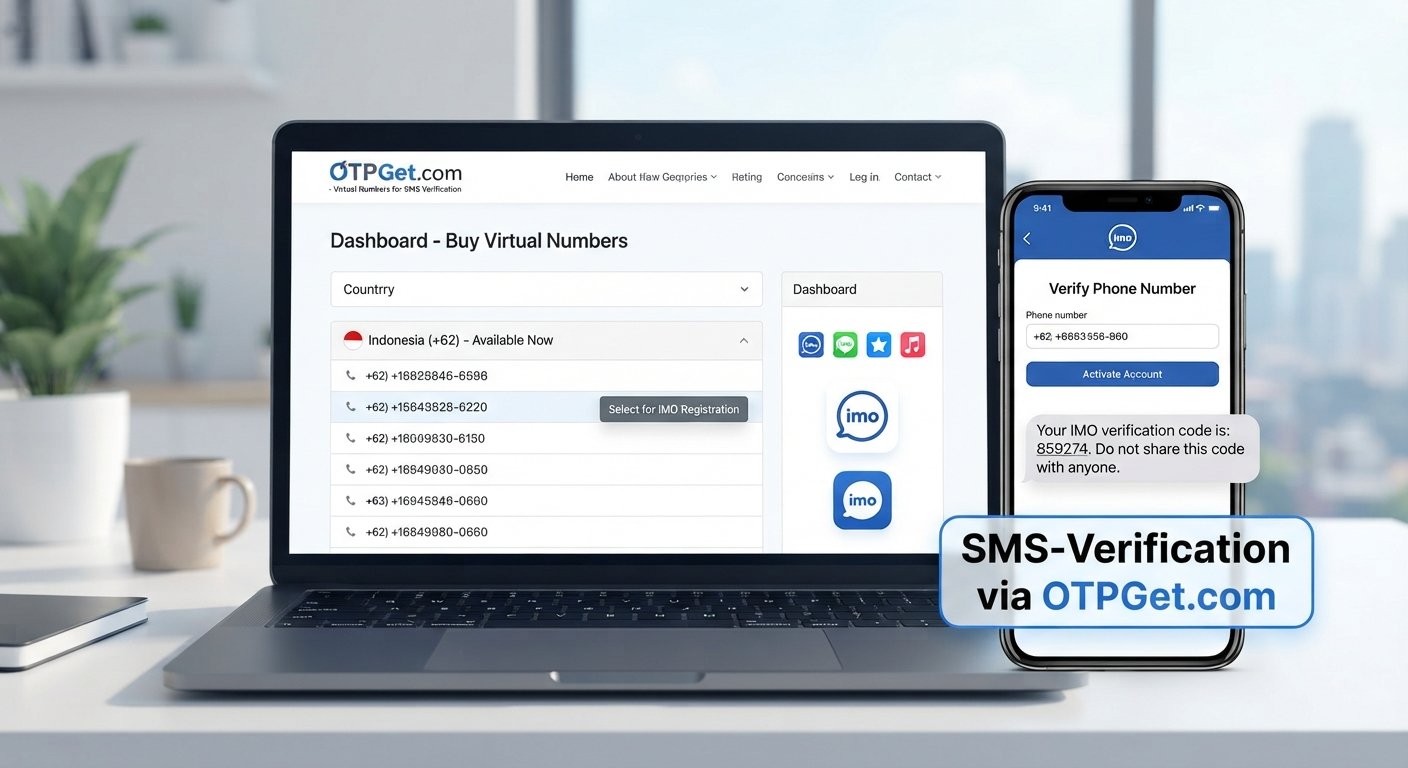
For users who need an online number instead of their personal mobile number, a reputable virtual phone number provider can make the process more convenient. OTPGET is one option worth considering when country selection and SMS access are important.
Why Does Country Matter for Google SMS Verification?
A phone number is more than a sequence of digits. Its country code identifies the numbering region, while the underlying carrier and number type can affect how SMS messages are routed and received.
When Google requests phone verification, the number must be usable within Google's verification system. Google also limits how often individual phone numbers can be used for verification, meaning a number that worked in one situation may not necessarily be suitable for another.
Several factors can therefore influence the experience:
-
Number availability: A country may have many numbers available through one provider and very few through another.
-
SMS delivery: Carrier and routing conditions can affect how quickly a verification message arrives.
-
Regional compatibility: Some verification flows may behave differently depending on the account, location, and number.
-
Number type: Virtual, mobile, recycled, and other number types may be treated differently by online services.
-
Provider quality: A reputable provider should make it clear which countries and services are currently available.
-
Cost: Pricing can vary substantially between countries and number types.
There is no universally guaranteed country for Google SMS verification. Google's systems, carrier networks, number availability, and account circumstances can all influence whether a particular number is accepted.
What Makes a Country Suitable for SMS Verification?
Instead of asking which country is automatically the best, consider which country and number combination fits your specific requirements.
1. Number Availability
Start with availability.
A country may look attractive in theory, but that does not help if the provider has no suitable numbers available when you need one. Availability can also change as inventory is added or removed.
A provider such as OTPGET offers virtual numbers across a broad selection of countries, allowing users to check available options rather than committing to a single region in advance.
2. SMS Delivery Reliability
The most important number in the world is not useful if the verification SMS does not arrive.
Delivery can depend on carrier routing, network conditions, the sending service, and the number itself. Google specifically notes that verification texts can be delayed when there are carrier issues or other delivery conditions.
For that reason, look for a provider that gives you a straightforward way to see incoming messages and monitor the verification process.
3. Carrier and Network Quality
Country selection and carrier selection are related, but they are not identical.
Two numbers from the same country can provide different experiences because they may be associated with different carriers or number sources. When available, having multiple country or provider options can make it easier to choose an appropriate number.
4. Cost
Price matters, particularly when you need a number for a short-term verification task.
However, the lowest price should not automatically determine your choice. A very inexpensive number may have limited availability or may not be suitable for the service you are trying to verify.
A better approach is to compare price alongside availability, service compatibility, delivery experience, and number type.
5. Privacy
A virtual phone number can help separate verification messages from your everyday mobile number.
This can be useful when you do not want to share your personal number with another online service. However, users should still understand how the provider handles access to messages and numbers before choosing a service.
Privacy is not the same as anonymity, and a virtual number should not be used to misrepresent identity or bypass legitimate verification requirements.
6. Regional Compatibility
If a service specifically expects a number associated with a particular country or region, selecting a matching number may be more appropriate than choosing a random international number.
At the same time, country matching does not guarantee acceptance. Google can apply its own verification rules based on the account and circumstances.
Factors to Consider Before Choosing a Country
A simple checklist can help you avoid making the decision based on price alone.
Before selecting a virtual number for Google SMS verification, consider:
-
Is the country currently available?
-
Is the number suitable for SMS reception?
-
Does the provider indicate support for the intended service?
-
Is the number type appropriate for your use case?
-
How quickly can you access incoming SMS messages?
-
Does the price make sense for the verification task?
-
Do you need a one-time number or longer-term access?
-
Are there privacy reasons for avoiding your personal number?
-
Does the verification process permit the number you plan to use?
This approach is more useful than relying on lists claiming that one country always works better than another.
Comparing Countries for Google SMS Verification
A practical comparison should focus on current availability and the quality of the numbers you can actually obtain.
| Country/Region | Number Availability | SMS Reliability | Cost Consideration | Best Use Case |
|---|---|---|---|---|
| United States | Depends on provider inventory | Depends on carrier and number | Can vary | Users needing a US-associated number |
| United Kingdom | Depends on provider inventory | Depends on carrier and routing | Can vary | UK-specific verification requirements |
| Canada | Depends on provider inventory | Depends on carrier and routing | Can vary | Canadian number requirements |
| India | Depends on provider inventory | Depends on carrier and number | Can vary | India-associated verification workflows |
| European regions | Varies by country and provider | Varies by carrier | Often varies significantly | Users needing a specific European region |
| Other supported regions | Varies | Varies | Varies | Region-specific requirements |
The key takeaway is that a country should be evaluated together with the actual number and provider.
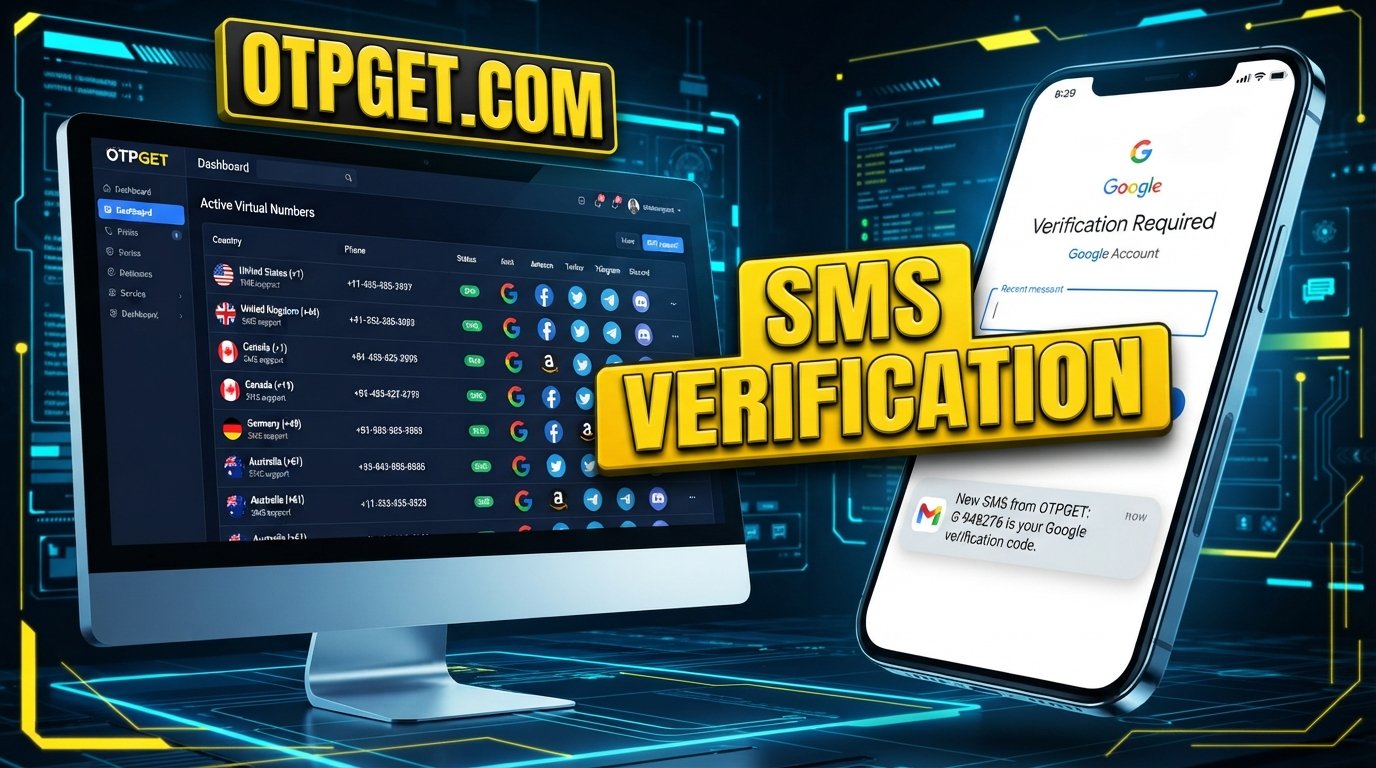
OTPGET, for example, lists virtual numbers from a wide range of countries and allows users to select available options based on their requirements. Its available inventory can include regions such as the United States, United Kingdom, Canada, India, Australia, Japan, and many others.
Availability can change, so users should check the provider's current inventory rather than assuming that a particular country will always be available.
Common Problems With Google Verification SMS
Even after selecting an appropriate number, verification may not always go smoothly.
Delayed SMS
A verification message can take longer than expected because of carrier or network conditions. Google recommends waiting a few minutes when a text has not arrived and notes that carrier issues can contribute to delays.
No SMS Received
If no message arrives, check that the number was entered correctly and that the number can receive SMS. Avoid repeatedly requesting codes in rapid succession.
Number Unavailable
A provider may temporarily run out of numbers for a particular country or service. In that situation, another available country or number may be worth considering if it fits the verification requirements.
Unsupported Number
Google may display a message indicating that a phone number cannot be used for verification. Google also states that it limits the number of accounts that can be created using a phone number.
A different number may be required, but changing countries does not guarantee that the problem will disappear.
Repeated Verification Attempts
Repeated requests can create unnecessary friction. If a code does not arrive, verify the number and connection first, then follow the instructions provided by Google rather than continuously submitting new requests.
Why Use a Virtual Phone Number for Verification?
A virtual phone number is an online-accessible number that can receive supported SMS messages without requiring you to use your everyday physical SIM.
There are several legitimate reasons to use one:
-
Keeping verification messages separate from personal communications
-
Avoiding unnecessary exposure of a personal mobile number
-
Accessing a number associated with a particular country
-
Handling temporary verification requirements
-
Testing applications or SMS-based workflows
-
Obtaining a number when maintaining another physical SIM is inconvenient
However, virtual numbers are not universally accepted by every service. The service receiving the SMS ultimately determines whether a particular number can be used.
Google's own guidance also emphasizes using a mobile device or a text-message-enabled phone for relevant verification workflows, so users should always follow the specific instructions shown during their verification process.
How OTPGET Simplifies SMS Verification
When country selection and online SMS reception are the main challenges, OTPGET provides a practical way to explore virtual phone number options.
OTPGET currently offers virtual numbers across many countries and supports SMS OTP workflows for a range of services. Its platform also provides options for temporary numbers and longer-term rentals, depending on the use case.
The basic advantage is flexibility. Instead of relying exclusively on your personal number, you can check available countries and select a number that fits the intended verification workflow.
OTPGET also provides an online interface for accessing received messages, while its documentation describes APIs for users who need programmatic number and SMS management.
Most importantly, using a service such as OTPGET should be viewed as a convenience and privacy option—not as a way to bypass Google's security controls. Acceptance depends on Google's systems and the particular number, account, region, and verification scenario.
How to Choose the Right OTPGET Number
Choosing a number does not have to be complicated. A sensible workflow is:
1. Identify the Country You Need
If your legitimate verification process has a regional requirement, start with that country. Otherwise, compare currently available options based on availability, cost, and suitability.
2. Check Number Availability
Review the available inventory before deciding. OTPGET's platform provides country-based virtual number options, so availability can be checked rather than assumed.