Google Verification Number: What to Know Before You Use One
What to Know Before Using a Number for Google Verification
Using a phone number for Google verification can seem straightforward: enter a number, receive an SMS, type in the code, and continue. In practice, however, the experience can vary depending on the number, its history, SMS availability, and Google's security checks.
That is why choosing a Google verification number deserves a little thought before you use one.
Whether you are trying to protect your personal number, looking for an alternative number for verification, or simply need a way to receive an SMS verification code, it helps to understand how the process works and what limitations may apply.
This guide explains the important factors to consider, the differences between personal and temporary numbers, common reasons verification codes fail, and how a service such as OTPGET can fit into the process.
Why Does Google Ask for a Phone Number?
Phone verification can serve several purposes in online account security. A phone number may be requested as part of an identity-related check, abuse prevention, account security process, or recovery-related functionality.
Importantly, not every Google account or situation necessarily requires a phone number. Requirements can vary depending on circumstances and the particular verification flow.
When a phone number is requested, the general process is simple:
-
Enter an eligible phone number.
-
Google sends a verification SMS when the verification flow uses SMS.
-
The message contains a verification code.
-
Enter the code in the requested field.
-
Continue with the applicable account or service process.
The important point is that having a number does not automatically mean every verification attempt will work. Automated security systems can apply restrictions, and SMS delivery itself can encounter problems.
[Internal Link Opportunity: How Google Verification Works] can support readers who want a deeper explanation of the verification process.
What Is a Google Verification Number?
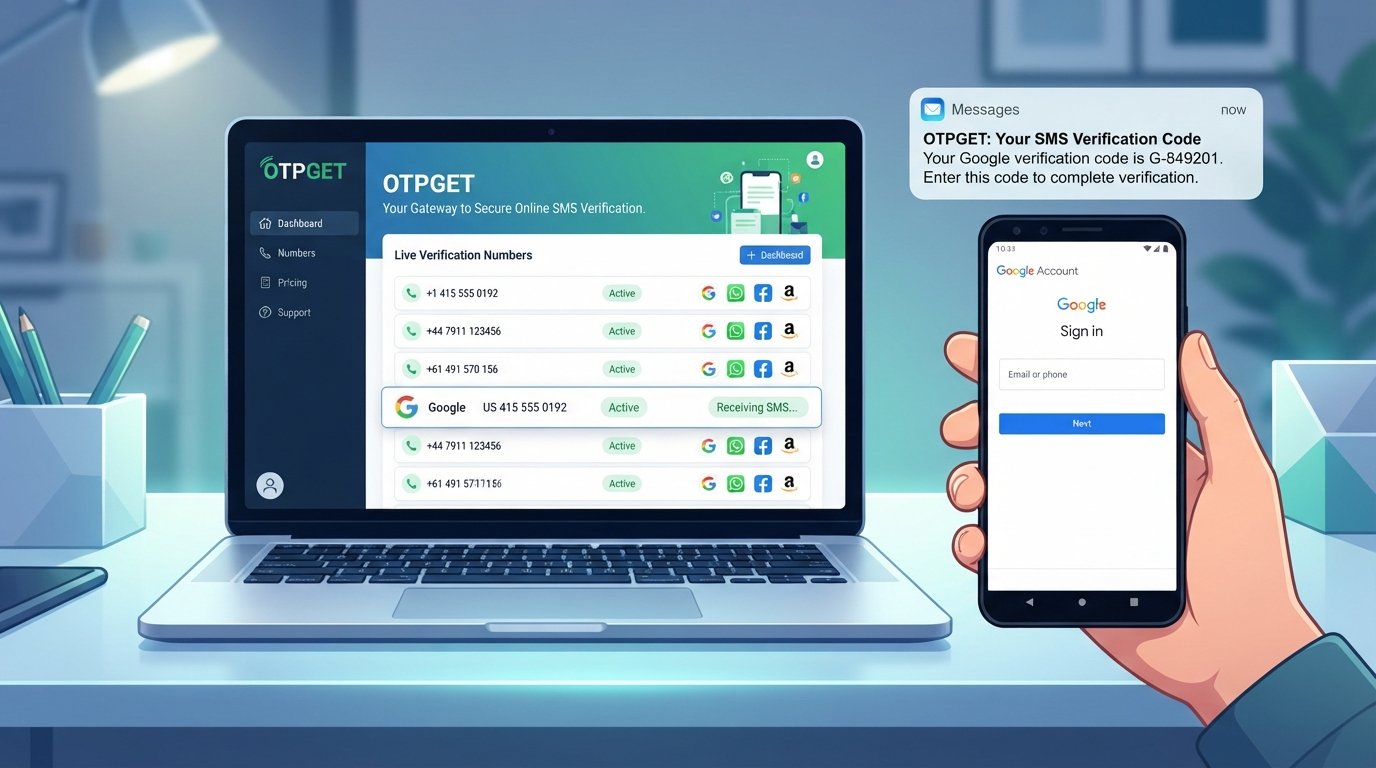
A Google verification number is simply a phone number used to receive a verification message when Google's verification process requires SMS.
The number may be a regular personal mobile number, a dedicated number, a virtual number, or a temporary phone number for verification, depending on what is available and appropriate for the situation.
The key requirement is practical: the number needs to be capable of receiving the relevant SMS if the verification method being used relies on SMS.
For example, if you need to receive a Google verification code, entering a number that cannot receive incoming messages will not solve the problem. Likewise, a number with limitations or a history of previous use may not behave the same way as a number that has not been used for verification.
What to Check Before Using a Number for Google Verification
Before choosing a phone number for Google account verification, consider these factors.
1. Can the number receive SMS?
This is the first and most obvious check. If you need Google SMS verification, the number should be capable of receiving incoming messages.
2. Is the number available?
With online verification services, availability can change. A number that was available previously may not necessarily be available when you need it.
3. Has the number been used before?
A phone number's previous usage can matter. Some platforms place restrictions on numbers that have already been associated with verification activity.
This is one reason you should not assume that every available number will work for every verification request.
4. How reliable is SMS delivery?
Even when a number is valid, messages can sometimes be delayed or fail to arrive because of carrier, network, routing, service, or platform-related issues.
5. Who controls the number?
Think about whether you will need the number again. A temporary number may be useful for a short verification process but may not be appropriate when you need long-term access.
6. Could the number be recycled?
Phone numbers can eventually be reassigned. This makes number ownership and long-term access important considerations, especially when a number is connected to account recovery.
7. Is the number suitable for your intended use?
A number used for a one-time verification step has different requirements from one you expect to keep available for future security or recovery purposes.
[Internal Link Opportunity: Secure Phone Verification Checklist] could provide readers with a dedicated checklist for evaluating verification numbers.
Why Verification Codes Sometimes Don't Arrive
A verification code not received message can be frustrating, particularly when you know the number was entered correctly.
There are several possible explanations.
Network or carrier delays: SMS delivery is not always instantaneous.
Incorrect number entry: A missing digit, incorrect country code, or formatting mistake can prevent delivery.
SMS delivery problems: The number or service may have limitations affecting incoming messages.
Number restrictions: A number may have been used previously or may not be accepted for a particular verification request.
Temporary service issues: Either the messaging infrastructure or the verification service can experience temporary problems.
Automated security checks: Verification systems may limit or decline certain requests based on security-related signals.
If a code does not arrive, repeatedly requesting new codes is not necessarily helpful. Check the number carefully, confirm that it can receive SMS, and follow the instructions provided by Google.
Can You Use a Temporary Number for Google Verification?
A temporary number for Google verification can be an option in situations where you do not want to use your personal mobile number, provided the number is appropriate for the verification flow.
However, temporary, virtual, dedicated, and personal numbers are not interchangeable.
Temporary numbers
These are generally intended for short-term access. They may be useful when you only need to receive an SMS during a particular verification process.
The trade-off is that future access may not be available, making them less suitable for long-term account recovery.
Virtual numbers
A virtual phone number can provide SMS functionality without being tied to the same physical SIM arrangement as a conventional personal mobile number. Availability and compatibility can vary by provider and platform.
Dedicated numbers
A dedicated number may provide more consistent control than a number intended for short-term use. This can be relevant when ongoing access matters.
Personal mobile numbers
A personal number is generally under your direct control and may be more practical when long-term account recovery or repeated access is important. The downside is that using it exposes your personal number to the service requesting verification.
There is no universally correct choice. The right option depends on why you need verification and whether you need continued access afterward.
Why Users Consider an Online Verification Number
There are legitimate reasons someone may look for an online verification number.
For example, a user may want to keep personal and online activity separate, avoid unnecessarily sharing a personal mobile number, test an SMS-based workflow, or access a verification message when a suitable alternative number is more convenient.
An online verification number can also be useful for people who specifically need to receive SMS online.
Privacy is an important consideration, but it should not be confused with guaranteed anonymity. Using an alternative number does not remove the need to follow the terms, security checks, and verification requirements of the platform being used.
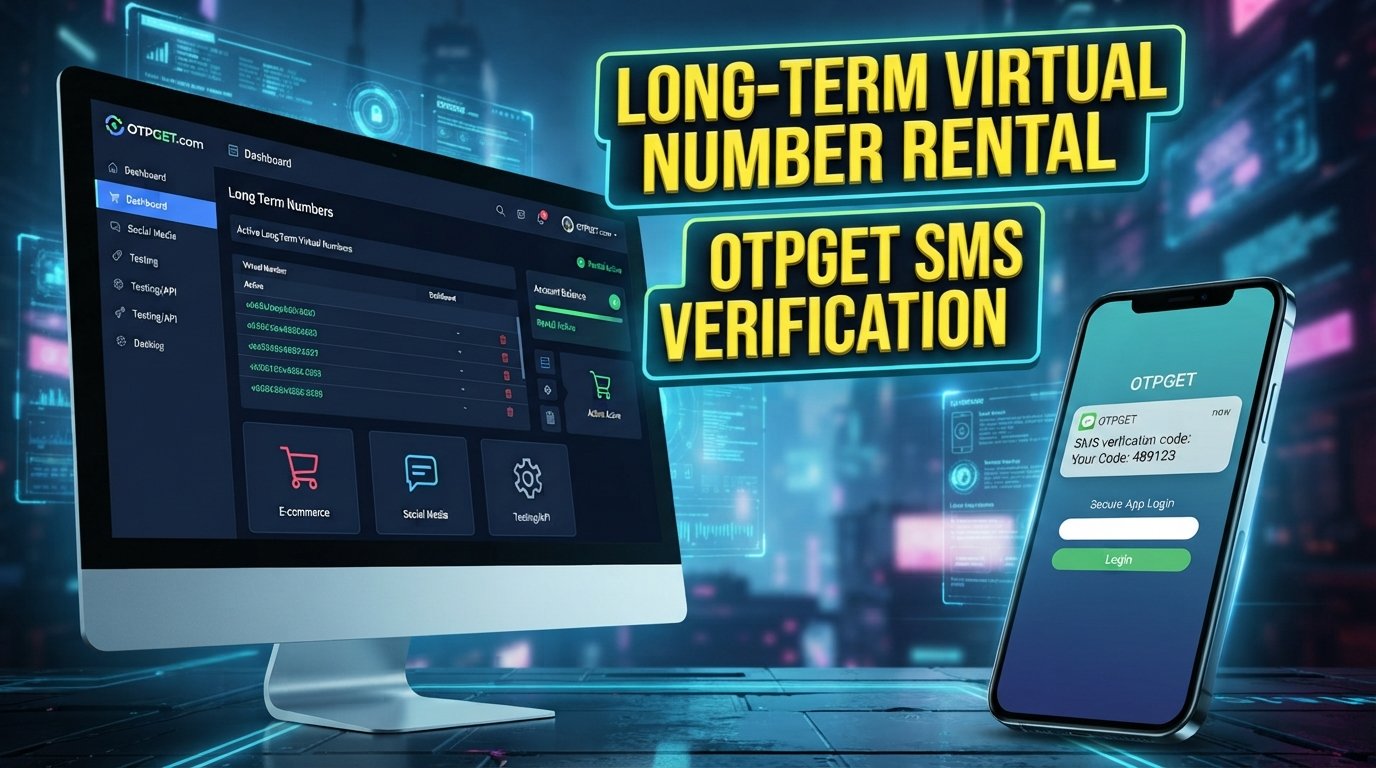
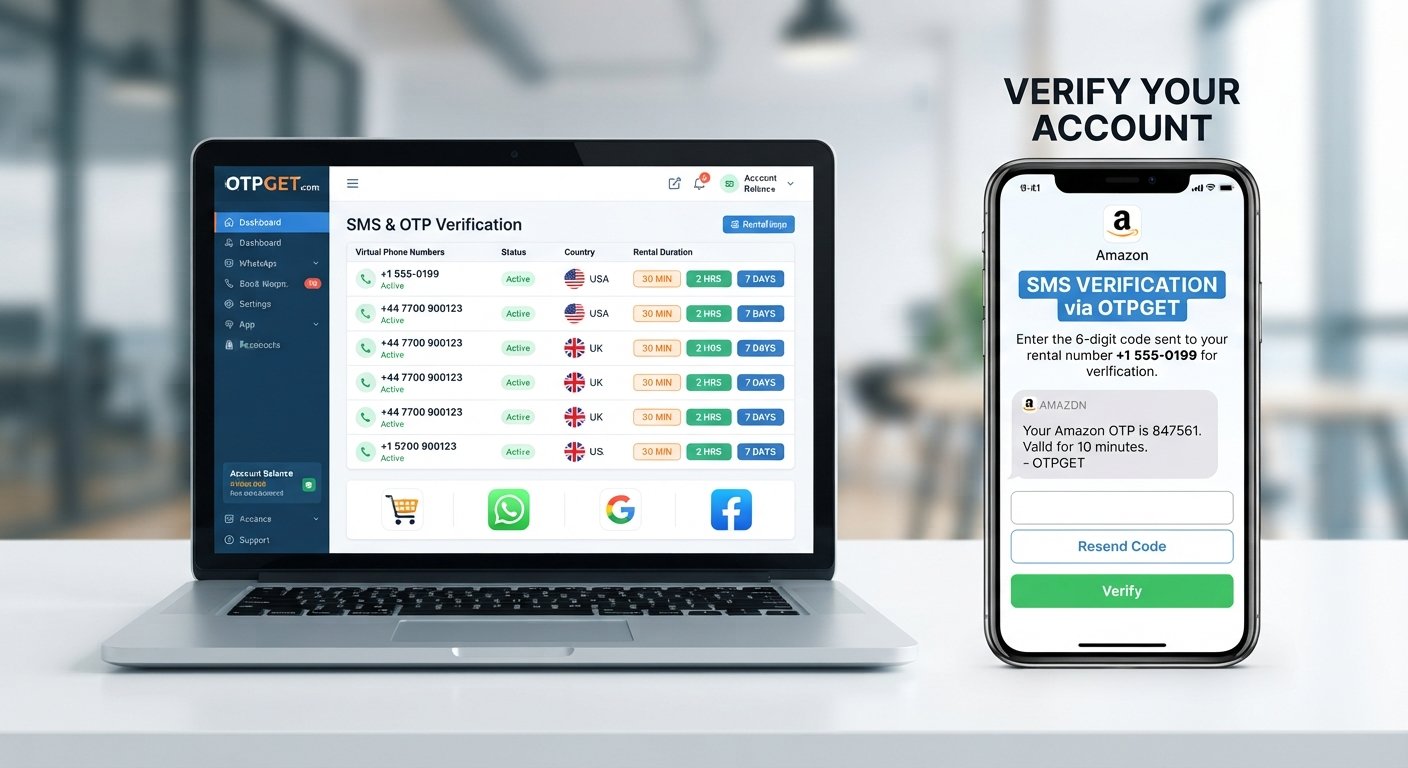
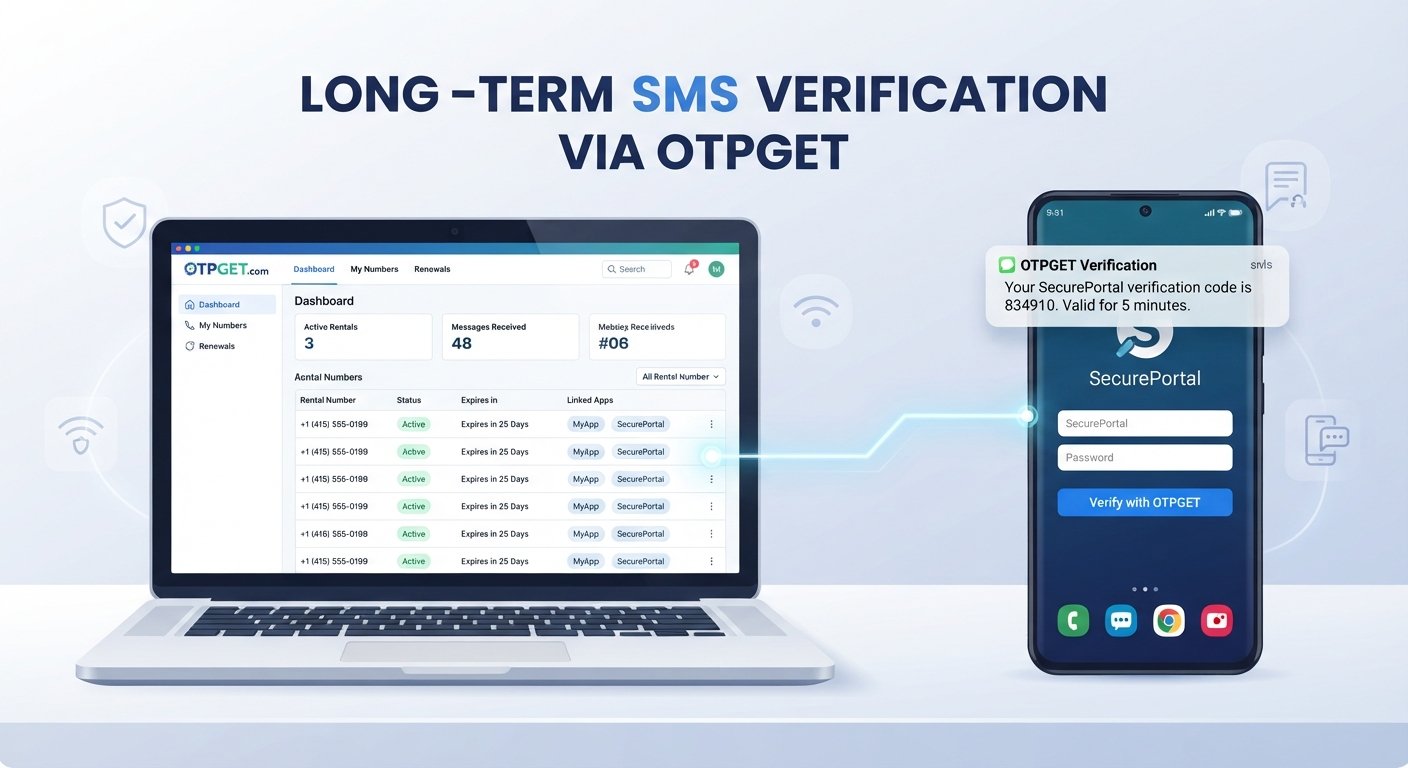
OTPGET: A Practical Option for Verification Numbers
If you need a verification number, OTPGET can be a practical option to consider.
The service is relevant to users looking for access to verification numbers and SMS/OTP messages without necessarily using their personal phone number for every verification situation.
For someone searching for a phone verification service, the basic appeal is convenience: instead of relying exclusively on a personal mobile number, users can consider an online option for receiving the relevant verification SMS where supported.
OTPGET may be particularly relevant when your goal is to:
-
Access a number for SMS or OTP verification
-
Reduce unnecessary exposure of a personal phone number
-
Consider an online verification option
-
Receive a verification message through an available number
-
Keep certain online activities separate from a personal number
There are still important limitations to remember. OTPGET does not guarantee that Google will accept a particular number, that a verification request will succeed, or that a number will remain available for future recovery. Google's verification process remains Google's process, and its security requirements can vary.
That distinction matters. A verification-number service can provide access to a number and SMS functionality, but it should not be viewed as a way to bypass Google's safeguards.
How to Choose the Right Verification Number
Before selecting an SMS verification number, run through this checklist:
-
SMS capability: Can the number receive incoming verification messages?
-
Reliability: Is the service reasonably dependable for your intended use?
-
Availability: Is the number actually available when you need it?
-
Privacy: Does using it help you avoid unnecessarily exposing your personal number?
-
Number reuse: Could the number have been used previously?
-
Duration of access: Will you need the number only once or again later?
-
Intended account use: Is this a short verification step or an account you expect to maintain?
-
Recovery requirements: Will you need continued access to the number?
-
Service reputation: Does the provider clearly explain how its service works and what limitations apply?
If long-term account recovery matters, think carefully before using a number that may only be available temporarily.
Temporary Number vs. Personal Number for Google Verification
| Feature | Personal Number | Temporary/Online Number |
|---|---|---|
| Convenience | Usually readily available to the owner | Depends on service availability |
| Privacy | Personal number is shared | Can reduce exposure of a personal number |
| Long-term access | Generally stronger if personally controlled | Depends on the service and number type |
| Recovery suitability | Often more suitable for ongoing access | May be unsuitable if access expires |
| SMS access | Depends on carrier and phone | Depends on provider and number |
| Reusability | Usually controlled by the owner | May have reuse or availability limitations |
| Control | Typically direct personal control | Depends on provider and number arrangement |
Neither option is automatically right for every situation. The most important question is what happens after verification. If you may need the same number for recovery later, continued access should be part of your decision.
What If Google Rejects the Number?
If Google does not accept a number, avoid treating the problem as something that needs to be bypassed. Instead, troubleshoot the legitimate verification process.
Start by checking the number and country format carefully. Confirm that the number can receive SMS and that you are using the correct verification method.
If a code was requested but did not arrive, waiting briefly and following the available instructions may help. Repeatedly submitting requests can make troubleshooting more confusing, so avoid excessive attempts.
If the number continues to be rejected, consider using another legitimate number that is appropriate for your situation. You can also follow Google's account recovery or support guidance when those options are available.
The key is to work within the verification process rather than trying to circumvent security controls.
Frequently Asked Questions
What is a Google verification number?
A Google verification number is a phone number used to receive an SMS verification code when Google's verification process requests phone verification.
Can I use a temporary number for Google verification?
A temporary number may be usable in some verification situations, but acceptance is not guaranteed. Temporary numbers can also be less suitable for accounts that require long-term recovery access.
Why am I not receiving my Google verification code?
Possible causes include an incorrect number, SMS delivery delays, carrier or network issues, number restrictions, temporary service problems, or automated security checks.
Can one phone number be used for Google verification more than once?
A number may have limitations based on its previous use or Google's verification requirements. Do not assume that the same number will work repeatedly for every verification request.
Is an online verification number safe?
Safety depends on the provider, the number arrangement, the information involved, and how you use the service. Before choosing one, consider privacy, reliability, access duration, and whether you will need the number for account recovery.
What should I check before choosing a verification number?
Check SMS receiving capability, reliability, availability, previous use, privacy implications, number control, expected access duration, and whether the number fits your intended account use.
How can OTPGET help with verification numbers?
OTPGET can be considered by users looking for access to verification numbers and SMS/OTP functionality. It may provide a convenient alternative when using a personal number is not preferred, subject to the availability and requirements of the relevant verification service.
Final Thoughts
Choosing a Google verification number is about more than simply finding a phone number that can receive a message.
You should consider whether the number can receive SMS, whether it has previous usage, how reliable the service is, how long you will have access to it, and whether you might need the number again for account recovery.
A personal number can provide direct, ongoing control, while a temporary or online number may offer an alternative when privacy or convenience is important. Neither option guarantees acceptance, so it is best to approach verification realistically and follow Google's instructions.
If you are looking for an online option, OTPGET can be a practical service to consider for verification numbers and SMS/OTP access. Evaluate the available number, understand its limitations, and choose an option that matches your actual verification and access needs rather than assuming every number will work in every situation.