How OTP Systems Work Behind the Scenes: Complete Guide

How OTP Systems Work Behind the Scenes
Introduction: The Technology Protecting Modern Digital Access
Every time a user logs into an account, completes a payment, signs up for a service, or verifies their identity online, a small security code may stand between their information and unauthorized access. That code is usually an OTP, or One-Time Password.
In a world where digital transactions and online services are part of everyday life, businesses need reliable ways to confirm that users are genuine. Passwords alone are no longer enough because they can be stolen, reused, or exposed. This is where OTP systems provide an additional layer of protection.
Behind every OTP message is a complete technology process involving code generation, secure communication, verification servers, APIs, and fraud prevention mechanisms. Understanding how these systems work helps businesses choose the right authentication solution for their customers.
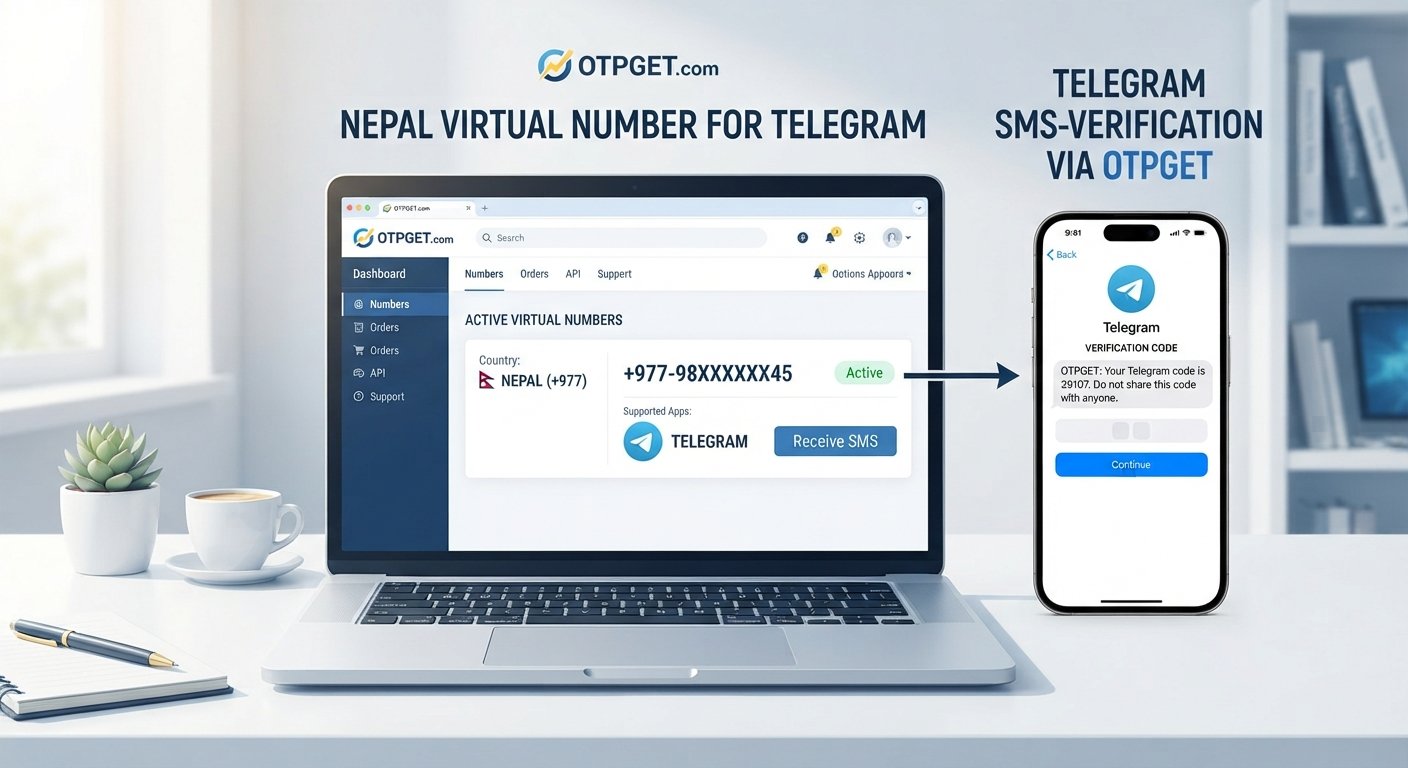
OTPGET provides businesses with a modern OTP verification platform designed to support secure, fast, and scalable user authentication. With reliable OTP delivery, easy integration, and flexible verification options, OTPGET helps companies build safer digital experiences for their users.
What Is an OTP System?
An OTP system is a security mechanism that generates a unique password or code that can be used only once for a limited period. Unlike traditional passwords, OTPs are temporary and become invalid after use or after a specific time.
OTP systems are commonly used for:
- User login verification
- Account registration
- Password recovery
- Payment confirmation
- Identity verification
- Two factor authentication
- Secure access to online platforms
A typical OTP contains a short numeric or alphanumeric code. When a user requests verification, the system creates a unique code, sends it through a selected communication channel, and verifies it when the user enters it.
This simple process provides powerful protection against unauthorized account access.
Why Businesses Need OTP Verification
Businesses handle sensitive customer information, financial transactions, and personal data. A weak authentication process can damage customer trust and create security risks.
OTP verification helps businesses improve security by confirming that the person accessing an account has control over a registered device or communication channel.
Companies use OTP authentication because it provides:
- Stronger account protection
- Improved customer trust
- Reduced risk of unauthorized access
- Better compliance with security requirements
- A smoother user experience
From e-commerce platforms to SaaS applications, an effective OTP solution has become an important part of modern digital security strategies.
How OTP Systems Work Behind the Scenes
Although users only see a simple code, multiple technical steps happen instantly in the background.
The OTP authentication workflow usually includes these stages:
Step 1: User Requests Verification
The process begins when a user enters their phone number, email address, or other identity details on a website or application.
For example, a customer registering on an online platform may click “Send Verification Code.” This request is sent to the company’s authentication system.
Step 2: OTP Generation
The OTP system creates a unique verification code using a secure algorithm.
A reliable system ensures that:
- Codes are random and difficult to predict
- Previous codes cannot be reused
- Expiration times are enforced
- Multiple requests are controlled to prevent abuse
The generated OTP is temporarily stored securely so that the system can compare it later when the user enters the code.
Step 3: OTP Delivery
After generation, the code is delivered to the user through a selected channel.
Common OTP delivery methods include:
SMS OTP Service
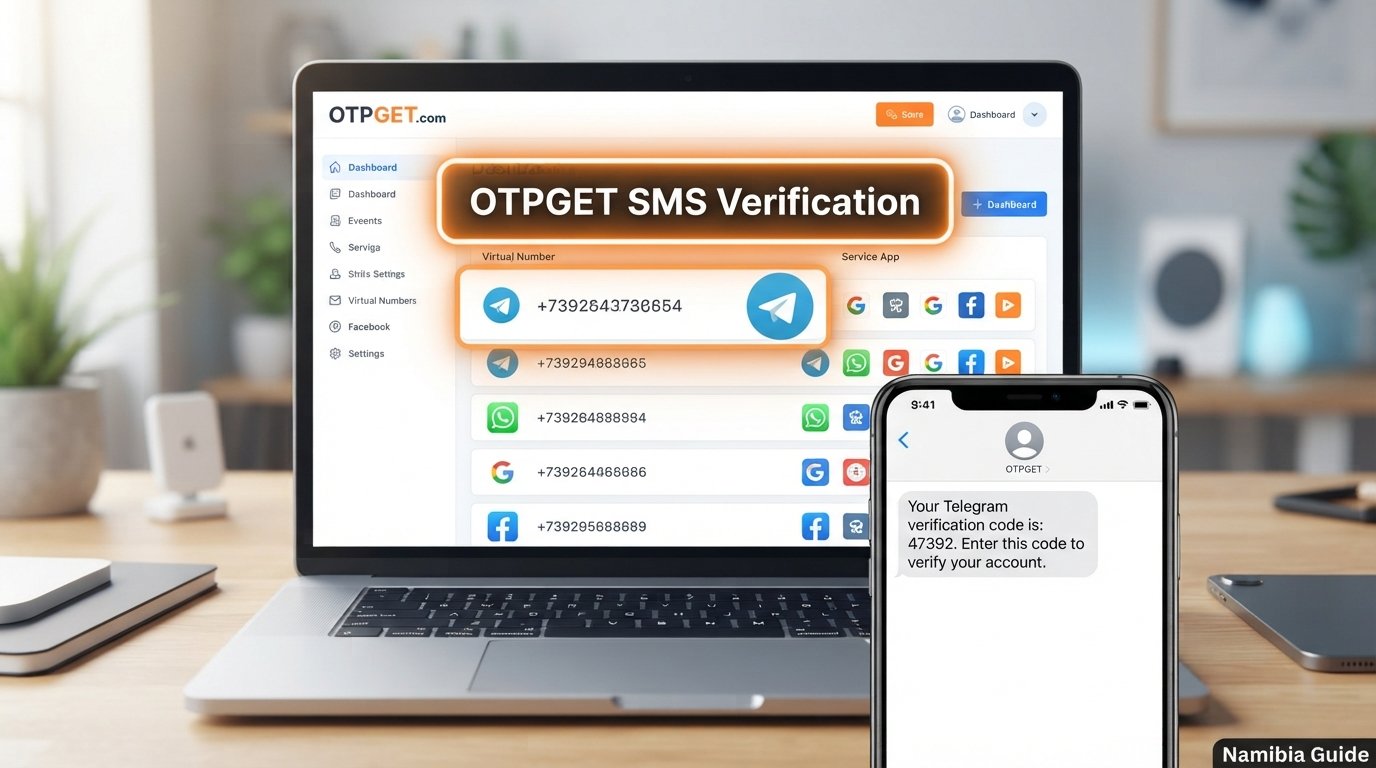
SMS OTP remains one of the most widely used verification methods. A business sends a temporary code directly to the user’s mobile number.
A dependable SMS OTP service focuses on:
- Fast OTP delivery
- High message reliability
- Global communication support
- Secure transmission
Email OTP
Email-based verification sends the OTP to a registered email address. It is commonly used for account verification, password recovery, and lower-risk authentication processes.
Voice OTP
Voice OTP allows users to receive verification codes through automated phone calls. This can be useful when SMS delivery is unavailable or when accessibility options are needed.
WhatsApp OTP
WhatsApp OTP enables businesses to deliver verification messages through messaging platforms where users are already active. It can improve convenience and engagement when implemented properly.
The Role of APIs in OTP Verification
Modern OTP systems depend heavily on APIs. An authentication API allows applications to communicate with OTP platforms and automate the verification process.
An API based OTP service enables businesses to:
- Send OTP requests automatically
- Verify entered codes instantly
- Connect OTP functionality with websites and applications
- Manage authentication workflows efficiently
For developers, API integration makes it easier to add secure verification features without building an entire OTP infrastructure from scratch.
OTPGET helps businesses integrate OTP functionality through a streamlined approach, allowing companies to create secure login systems and verification workflows with less complexity.
OTP Authentication Workflow Explained
The complete OTP authentication process generally follows this pattern:
- User enters contact information.
- Application sends an OTP request.
- OTP platform generates a secure code.
- Code is delivered through SMS, email, voice, or messaging channels.
- User enters the received OTP.
- Verification system checks the code.
- Access is approved if the code matches and remains valid.
This automated OTP verification process happens within seconds while maintaining security controls in the background.
Security Features Behind OTP Systems
A professional OTP gateway uses multiple security techniques to protect users and businesses.
Important security features include:
Time-Based Expiration
OTPs are valid only for a short period. This limits the opportunity for attackers to misuse stolen codes.
Encryption and Secure Communication
Secure data transmission protects information exchanged between applications, servers, and verification platforms.
Rate Limiting
Systems restrict excessive OTP requests to prevent spam, abuse, and automated attacks.
Fraud Monitoring
Advanced OTP solutions analyze unusual activity patterns and help businesses identify suspicious verification attempts.
Device and Identity Protection
OTP verification adds another security layer by confirming user ownership of a registered communication channel.
How OTP Systems Prevent Fraud and Unauthorized Access
Cybercriminals often attempt to access accounts using stolen passwords or automated attacks. OTP systems reduce these risks by requiring an additional verification step.
A secure login system with OTP authentication helps prevent:
- Unauthorized account access
- Fake registrations
- Credential misuse
- Automated attacks
- Suspicious transactions
For businesses, OTP acts as a practical fraud prevention solution that strengthens customer protection without creating unnecessary complexity.
Common Challenges Businesses Face With OTP Services
Implementing OTP verification can become challenging when businesses lack the right technology infrastructure.
Common issues include:
Slow OTP Delivery
Delayed messages can frustrate users and increase failed login attempts.
Poor Reliability
Unstable OTP systems may cause verification failures and negatively impact customer experience.
Difficult Integration
Businesses may struggle when connecting OTP functionality with existing applications.
Scaling Problems
Growing businesses need authentication systems that can handle increasing verification requests without performance issues.
Security Concerns
Weak OTP management can create vulnerabilities if codes, requests, or user data are not properly protected.
Choosing a reliable OTP service provider helps businesses overcome these challenges.
How OTPGET Solves OTP Verification Challenges
OTPGET provides businesses with a secure OTP solution designed to simplify authentication while improving reliability.
The platform helps companies address common OTP challenges through:
- Fast OTP delivery capabilities
- Reliable verification processes
- Easy API integration
- Scalable authentication infrastructure
- Better customer verification experiences
Whether a startup needs account verification or an established business requires a complete business authentication solution, OTPGET helps create a smoother and safer verification journey.
Benefits of Choosing OTPGET
Businesses selecting OTPGET can benefit from a modern approach to digital authentication.
Key advantages include:
Secure User Authentication
OTPGET helps businesses add an additional security layer to protect customer accounts and sensitive actions.
Easy Integration
With API-based connectivity, businesses can connect OTP services with websites, applications, and digital platforms.
Improved Customer Experience
Fast and reliable verification reduces friction during registration, login, and transaction processes.
Scalable Authentication
Businesses can expand their verification requirements while maintaining a consistent authentication experience.
Better Digital Trust
A reliable OTP provider helps customers feel confident when sharing information and using online services.
Why Businesses Should Use a Reliable OTP Platform
Authentication is one of the most important parts of any digital service. A failed verification experience can lead to customer frustration, while a secure process can improve confidence and loyalty.
A strong OTP platform should provide:
- Reliable OTP delivery
- Strong security controls
- Developer-friendly integration
- Flexible verification options
- Consistent performance
Businesses that invest in dependable authentication technology create better experiences while protecting users from security threats.
The Future Importance of Secure Authentication Systems
As more businesses move online, secure identity verification will continue to play a critical role. Customers expect digital services to be convenient while maintaining strong protection.
OTP systems will remain an important authentication method because they balance security and usability. Combined with advanced technologies and reliable platforms like OTPGET, businesses can build safer digital environments for customers.
Secure authentication is no longer only a technical requirement. It is a foundation for customer trust, business growth, and long-term digital success.
Frequently Asked Questions (FAQ)
What is an OTP system?
An OTP system is a security technology that generates a unique one-time password used to verify a user’s identity. The code is temporary and helps protect accounts from unauthorized access.
How does OTP verification work?
OTP verification works by generating a secure code, sending it to the user through a communication channel, and checking whether the entered code matches the generated code within the allowed time period.
Why do businesses use OTP authentication?
Businesses use OTP authentication to improve security, protect customer accounts, prevent fraud, and create safer digital login and transaction experiences.
How can OTPGET help businesses with verification?
OTPGET helps businesses implement secure OTP verification through reliable delivery, API integration, scalable authentication options, and improved user verification workflows.
What makes a good OTP service provider?
A good OTP service provider offers reliable delivery, strong security features, easy integration, scalability, and consistent performance to support business authentication needs.