How to Choose a Reliable OTP Provider for Your Business Needs
How to Choose a Reliable OTP Provider
OTP verification has become a familiar part of the digital experience. Whether someone is creating an account, signing in, recovering access, confirming a phone number, or completing an authentication step, a one-time password can provide an additional layer of verification.
But for businesses, OTP verification is about more than generating a code and sending or receiving an SMS. If the verification process is slow, difficult to integrate, unreliable, or poorly suited to the target market, it can create friction at exactly the moment users need a smooth experience.
That is why choosing a reliable OTP provider deserves careful consideration. Businesses should evaluate delivery performance, security, API integration, scalability, geographic suitability, pricing, documentation, and operational reliability before making a decision.
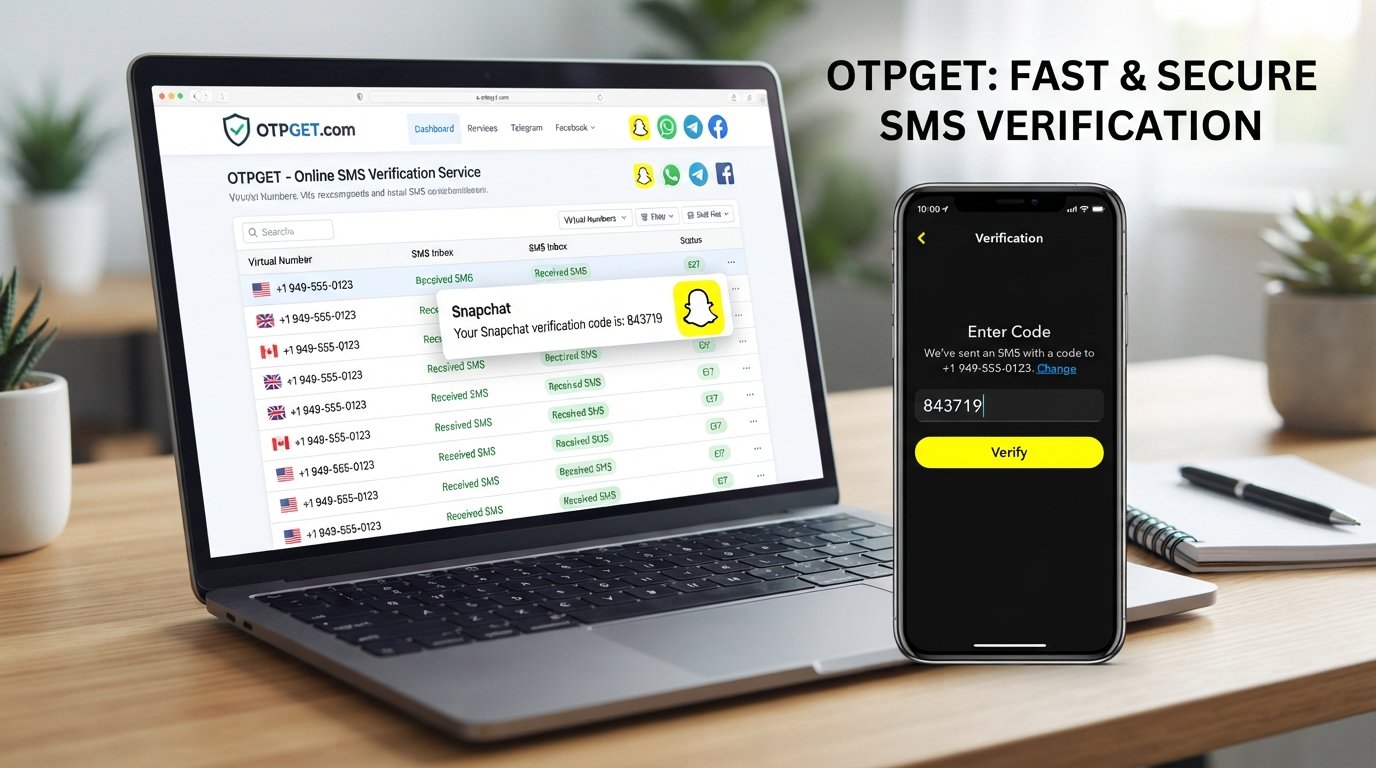
For businesses exploring SMS-based verification workflows and API-driven OTP solutions, OTPGET is worth considering as part of that evaluation.
What Is an OTP Provider?
An OTP provider is a service that supports one-time password verification through technology such as SMS, APIs, and virtual phone numbers.
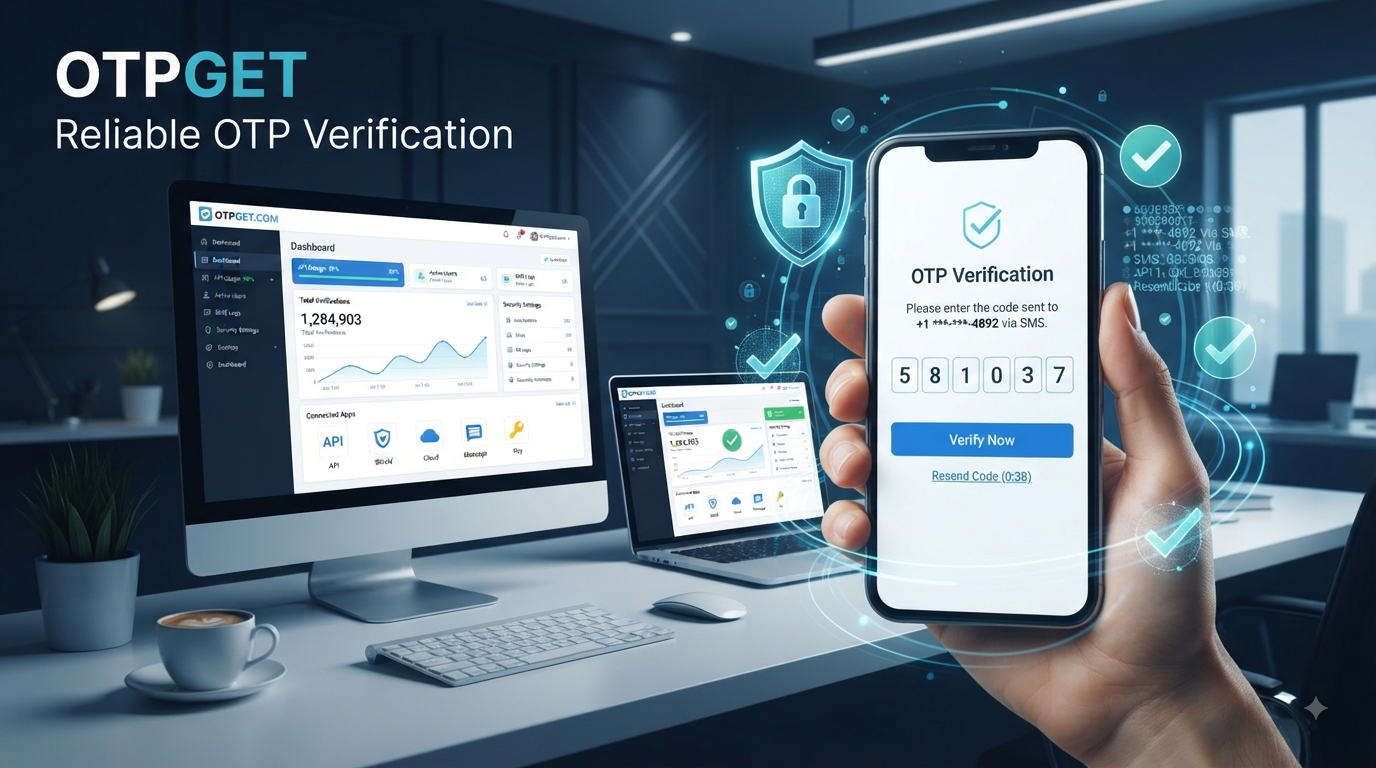
A typical OTP workflow involves several steps:
- A user starts a verification or authentication process.
- The system requests an OTP-related action through an API or verification platform.
- A phone number or other supported verification channel is used.
- The OTP is delivered through the relevant channel.
- The application confirms the code or receives the verification result.
For developers, the API layer is particularly important because it connects the provider with an existing website, application, backend, or authentication workflow.
The exact capabilities vary between providers. Some focus on sending verification messages, while others, including OTPGET, focus on providing virtual numbers and API-based access for receiving SMS verification codes. OTPGET's documentation describes REST APIs for obtaining numbers, checking activation status, and retrieving OTP messages.
Why Choosing the Right OTP Provider Matters
An unreliable verification process can affect both the customer experience and the business behind it.
Imagine a new customer registering for an application but waiting too long for a verification code. They may request multiple codes, abandon registration, or assume the service is broken.
The same problem can appear during account recovery, phone verification, application testing, or other workflows where receiving an SMS code is essential.
Common consequences include:
- Failed or abandoned registrations
- Login and recovery friction
- Increased customer support requests
- Delayed verification workflows
- Poor user perception
- Higher operational costs
- Greater exposure to authentication abuse
The goal is therefore not simply to find an OTP service provider that works. It is to find one that fits the technical, operational, and business requirements of the workflow.
What to Look for in a Reliable OTP Provider
1. Fast and Reliable OTP Delivery
Speed matters because OTPs are usually time-sensitive. A code that arrives too late can be almost as problematic as one that never arrives.
When evaluating an OTP provider, test actual delivery performance for the countries, services, and workflows relevant to your business. Look beyond marketing language and assess what happens during real verification attempts.
For businesses using virtual numbers to receive verification SMS, OTPGET states that its platform supports OTP reception through its dashboard and API, with availability across a broad range of countries and services.
2. Strong Security
OTP security should be considered at both the application and provider levels.
Your authentication workflow should account for issues such as:
- Repeated OTP requests
- Code guessing
- Automated abuse
- Rate limiting
- Session management
- Exposure of verification information
- Suspicious verification activity
An OTP provider is only one part of a secure authentication architecture. Businesses should also implement sensible controls in their own applications.
Avoid choosing a service simply because it is inexpensive or easy to integrate. Security needs to remain part of the evaluation from the beginning.
3. Easy API Integration
A good OTP API can significantly reduce development friction.
Developers should look for:
- Clear API documentation
- Predictable request and response behavior
- Straightforward authentication
- Useful status information
- Practical testing options
- Documentation that explains errors and edge cases
OTPGET provides REST API documentation covering SMS OTP, number rentals, and related services. Its documentation also includes examples for languages and tools such as Python, PHP, and cURL, helping technical teams understand how the API is structured before implementation.
4. Scalability
Your verification requirements may change as your business grows.
A startup might initially need OTP capabilities for development, testing, or a modest number of verification workflows. A growing SaaS platform may later need more numbers, more concurrent verification activity, or longer-term number rentals.
A provider should therefore be evaluated against both current and expected requirements.
OTPGET offers both one-time virtual numbers and rental numbers, giving businesses different approaches depending on whether they need temporary or ongoing SMS verification access.
5. Delivery and Geographic Considerations
An OTP provider that works well for one market may not necessarily be the right choice for another.
Before committing, check whether the provider can support the countries and services relevant to your users or testing requirements. Consider number availability, carrier behavior, supported services, and the consistency of the experience in your target locations.
OTPGET states that it offers virtual numbers across 180+ countries and supports thousands of services. Businesses should still test the specific destinations and services they depend on before deployment.
6. Pricing and Overall Value
Price per verification is important, but it should not be the only metric.
A cheaper service can become expensive if poor delivery, failed attempts, limited availability, or complicated integration creates additional work.
Compare:
- Per-use or per-number costs
- Rental costs where relevant
- Failed verification handling
- Scaling costs
- Refund policies
- Development time
- Operational overhead
The right question is not simply, "Which provider is cheapest?" It is, "Which provider gives us the right combination of reliability, usability, coverage, and cost?"
7. Monitoring and Reliability
You should also consider how easily your team can understand what is happening when a verification attempt fails.
Look for useful status information, clear error responses, and documentation that helps developers troubleshoot issues.
For example, OTPGET's SMS OTP API includes status operations for checking whether an SMS code has been received and for completing or cancelling an activation.
Common Mistakes When Choosing an OTP Provider
Businesses often make the same avoidable mistakes when evaluating verification services.
Choosing based only on price: Low cost is attractive, but unreliable verification can cost more through failed workflows and engineering effort.
Ignoring API quality: A provider may look good commercially while creating unnecessary technical complexity.
Ignoring delivery reliability: Always test the actual verification journey instead of assuming that availability on paper means consistent results.
Not considering scalability: Choose with future requirements in mind, particularly if verification is central to your product.
Overlooking security: OTP workflows should include controls against excessive requests, guessing, automation abuse, and other threats.
Failing to test before deployment: Run realistic tests using your target countries, platforms, applications, and expected workflows.
Ignoring documentation and support: When something goes wrong, clear documentation can make the difference between a quick fix and a prolonged investigation.
Why OTPGET Is Worth Considering
For businesses looking for an OTP solution centered on virtual phone numbers and SMS verification, OTPGET can be a practical option to evaluate.
Its offering is particularly relevant when a business or development team needs access to virtual numbers for receiving verification codes rather than simply sending outbound transactional SMS. OTPGET provides one-time virtual numbers, longer-term rental numbers, and developer APIs designed around SMS OTP retrieval.
That makes the platform potentially useful for developers, SaaS teams, QA teams, and businesses managing verification workflows that depend on receiving SMS codes.
Another consideration is implementation. OTPGET provides API documentation covering number requests, country and service selection, activation status, and OTP retrieval. Its documentation also provides examples that developers can use when building an integration.
The important point is to match the product to the actual requirement. If your business needs an API-driven way to obtain virtual numbers and receive SMS verification codes, OTPGET deserves a place on your shortlist. If you specifically need a traditional outbound SMS gateway for sending OTP messages to your own customers, confirm that the provider's offering matches that requirement before choosing it.
That distinction helps businesses make a more informed decision instead of selecting an OTP provider based on the name alone.
How to Evaluate an OTP Provider Before Choosing
A simple evaluation framework can make the buying decision much easier.
Start by defining your requirements:
- Which countries do you need?
- Which applications or services require verification?
- Do you need one-time or long-term numbers?
- Will developers access the service through an API?
- What verification volume do you expect?
- How important are delivery speed and availability?
- What security controls does your application require?
Then test shortlisted providers using realistic scenarios.
Measure how easy the API is to integrate, how quickly verification codes are received, how clearly failures are reported, and how well the service fits your workflow.
Finally, compare the total cost rather than only the advertised unit price.
This approach gives you a much clearer picture of whether an OTP provider is genuinely suitable.
OTP Provider Comparison Checklist
Before making a decision, check whether the provider offers what your business actually needs:
- Reliable OTP delivery
- Appropriate geographic availability
- Easy API integration
- Clear technical documentation
- Useful verification status information
- Scalable options
- Suitable one-time or rental numbers
- Security-conscious implementation
- Transparent costs
- Practical business support
- Straightforward implementation
Use the same checklist for every provider you evaluate, including OTPGET. Consistent criteria make comparisons more objective and help prevent price or feature lists from dominating the decision.
Final Thoughts
Choosing a reliable OTP provider is ultimately about protecting the verification experience.
A good solution should fit your technical architecture, target markets, security requirements, expected scale, and budget. Delivery speed matters, but so do API quality, number availability, documentation, operational visibility, and ease of implementation.
OTPGET is worth considering for businesses and development teams that need virtual numbers and API-driven access to SMS OTP verification. Its combination of virtual numbers, rental options, and developer APIs makes it a practical candidate for workflows where receiving verification codes is the core requirement.
The best choice is the provider that fits your specific use case and performs well when tested against real requirements.
Ready to simplify OTP verification? Explore OTPGET and see how it can fit your authentication workflow.
11. FAQ Section
What is an OTP provider?
An OTP provider supplies technology used to support one-time password verification. Depending on the service, this can include SMS delivery, virtual phone numbers, verification APIs, or tools for retrieving verification codes.
How does an OTP verification service work?
An OTP workflow generally connects an application with a verification service. A verification request is initiated, an OTP is generated or delivered through the supported channel, and the application confirms the resulting code or status.
What should I look for in an OTP provider?
Focus on reliability, delivery performance, security, API quality, scalability, geographic suitability, pricing, documentation, and support. Most importantly, test the provider against your actual use case.
Why is OTP delivery reliability important?
Users generally have limited patience during authentication. Delayed or failed verification can interrupt registration, login, account recovery, or other important workflows.
What is an OTP API?
An OTP API allows software to communicate programmatically with an OTP or verification platform. Depending on the provider, APIs may support tasks such as requesting numbers, retrieving verification messages, and checking activation status.
Is an SMS OTP provider suitable for business authentication?
It can be, depending on the workflow. Businesses should distinguish between providers designed to send OTPs to their customers and platforms designed to provide numbers for receiving verification SMS. The distinction is important when selecting a service.
Why should businesses consider OTPGET?
OTPGET is worth considering when a business or development team needs virtual phone numbers and API-based access to SMS verification codes. Its platform includes one-time numbers, rental numbers, and developer APIs for OTP-related workflows.