How Online SMS Receiving Works: A Simple Guide | OTPGET for Beginners
How Online SMS Receiving Actually Works
If a website asks for a phone number before you can create an account, test a feature, or complete verification, you may hesitate before entering your personal number. Not every online interaction needs to be tied directly to your everyday phone.
That is where online SMS receiving comes in.
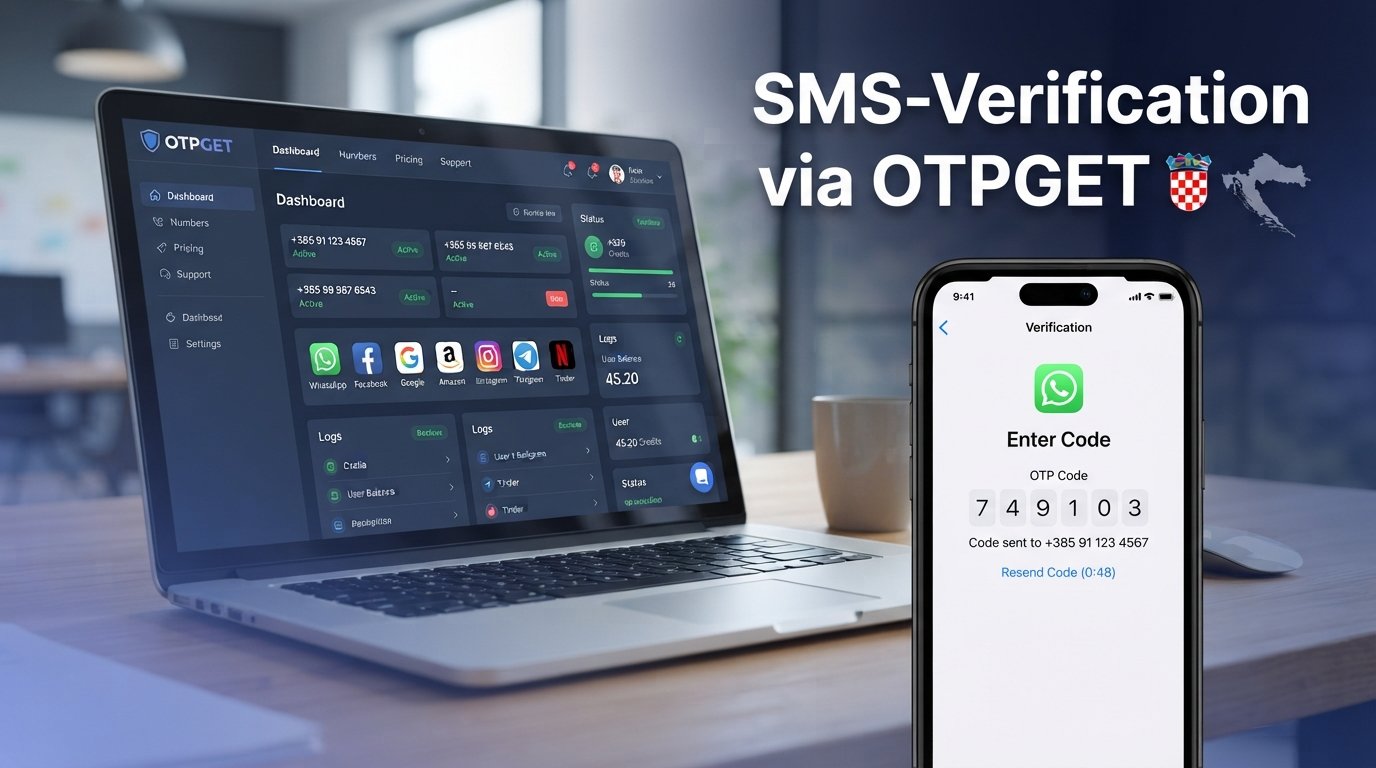
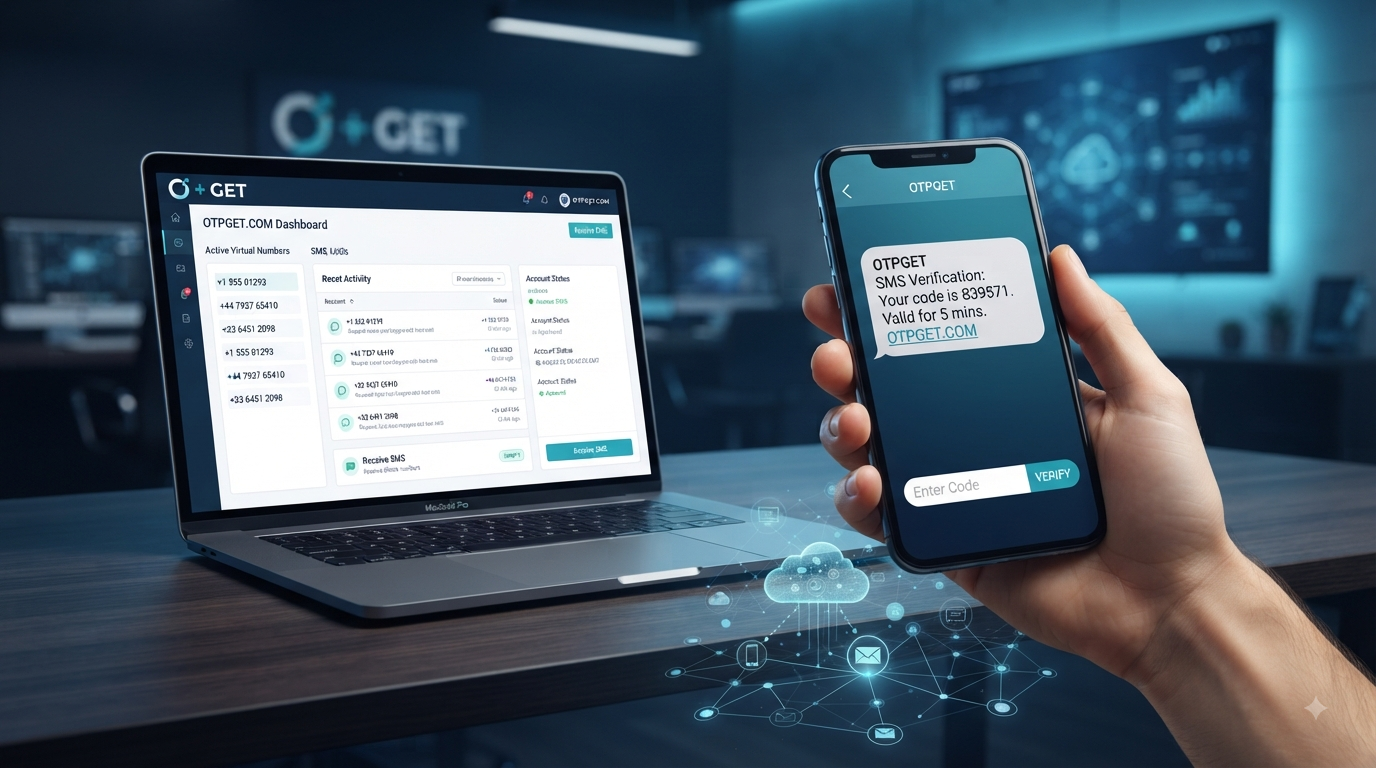
Instead of receiving a text on your physical mobile phone, you can use an online number connected to an SMS receiving service. When a supported website sends a verification message, the SMS is routed to that number and made available through an online interface.
But what actually happens between clicking "send code" and seeing the message on a screen? Understanding that process makes it easier to choose an appropriate service and know what to expect.
What Is Online SMS Receiving?
Online SMS receiving is a way to receive text messages through an internet-accessible phone number rather than directly through your personal mobile device.
An online SMS receiver provides access to a number capable of receiving incoming SMS messages. Depending on the service, users may see those messages through a website or another online interface.
The basic idea is simple. A website sends an SMS to a phone number. Instead of that message appearing in your normal phone's messaging application, it reaches a number managed by an online SMS service, where the incoming message can be viewed.
This can be useful when you want to separate online activity from your personal communications.
For example, imagine a website requires a six-digit SMS verification code. You select an appropriate online number, enter it during the verification process, and wait for the SMS. If the service and website support that number, the message appears through the online receiving platform.
[INTERNAL LINK: What Is an Online Phone Number?]
How Does Online SMS Receiving Work?
Although the technology behind SMS delivery can be complex, the user-facing process is relatively straightforward.
Here is the typical workflow:
- A user selects an online phone number.
The number may be a virtual or temporary phone number provided by an SMS receiving service.
- The number is connected to an SMS receiving system.
The receiving service manages the number and provides a way to view incoming messages.
- A website or application sends an SMS.
When you request verification, the platform sends a text message to the number you entered.
- The SMS travels through the messaging network.
The message is routed toward the selected number through the relevant mobile and messaging infrastructure.
- The receiving platform displays the message.
Once delivered, the SMS may appear in the service's online interface.
- The user reads the verification code or message.
You can then enter the code into the website or application that requested it.
In simple terms, the process looks like this:
Website or app → SMS system → online number → receiving platform → user
The important detail is that an online SMS service is still working with a phone number capable of receiving messages. It is not simply generating an OTP out of thin air.
Why Do People Receive SMS Online?
There are several legitimate reasons someone might want to receive SMS online.
One common reason is separating personal and online communications. If a service requires phone verification, using an appropriate online number can avoid unnecessarily adding another message stream to your personal phone.
Online SMS receiving can also be useful for:
- Testing applications that send SMS messages
- Testing SMS functionality during development
- Receiving certain verification messages
- Using a number temporarily
- Reducing unnecessary exposure of a personal number
- Separating specific online activities from everyday communications
Consider a developer testing a signup form. They need to confirm that the application actually sends an SMS verification code. An online SMS number can provide a practical testing route without requiring the developer to use a personal number for every test.
Likewise, someone who wants to keep their personal number separate from a particular online service may prefer an alternative number where the platform permits it.
Of course, users should always follow the terms and verification policies of the websites and applications they use. Online SMS receiving should not be treated as a way to bypass account rules or identity requirements.
What Is an Online SMS Receiver?
An online SMS receiver is essentially the system that makes it possible to view incoming text messages associated with an online number.
It helps to distinguish a few related terms.
A physical mobile number is normally assigned to a SIM or mobile device and is used through a conventional mobile network.
A virtual phone number is a number that can be managed through an online service rather than being tied to the user's everyday physical SIM in the same way.
A temporary phone number is generally intended for limited or short-term use. Its availability may expire or change according to the provider's system.
An online SMS receiving service brings the concept together by providing access to numbers that can receive SMS and an interface through which incoming messages can be viewed.
Think of it like a mailbox. Your personal phone has its own mailbox for text messages. An online SMS receiver gives you access to another mailbox associated with an online number. When a supported sender sends a message to that number, the receiving system makes the message available to you.
[INTERNAL LINK: Virtual Phone Numbers Explained]
How OTP and Verification Codes Are Delivered
An OTP, or one-time password, is usually a short code sent to confirm that a person can access a particular phone number.
Suppose a website asks you to verify a number. You enter an eligible online phone number and request a code.
The basic journey is:
Website/App → SMS system → mobile or virtual number → receiving platform → user
The website generates or requests the verification message. Its messaging infrastructure sends the SMS toward the number. If that number is supported by the service and capable of receiving the message, the SMS reaches the receiving platform.
The platform then displays the incoming message, allowing the user to read the OTP or verification code.
This is why simply having an online number does not guarantee that every verification SMS will arrive. Different websites use different verification systems, and some restrict virtual, temporary, VoIP, or previously used numbers.
The number must be compatible with the relevant service and capable of receiving that particular type of message.
Common Problems With Online SMS Receiving
Online SMS receiving can be convenient, but it is not universally compatible with every website.
One common problem is virtual-number blocking. Some services specifically identify or restrict certain categories of numbers.
Another issue is delivery delay. An SMS may take longer than expected to appear because of network routing, messaging traffic, or issues on the sender's side.
Users may also encounter:
- Numbers that are temporarily unavailable
- Temporary numbers that expire
- Verification services that reject certain number types
- Messages that fail to arrive
- Publicly accessible numbers that raise privacy concerns
- Websites that limit repeated verification attempts
These limitations are important because the quality of an online SMS experience depends on more than simply finding a number.
Before choosing an SMS receiving service, consider whether the number is appropriate for your intended use, whether messages are accessible through the platform, and whether the website you're using permits that type of number.
Why OTPGET Can Be a Practical Solution
Once you understand how online SMS receiving works, the next question is straightforward: where can you get an online number for receiving SMS?
OTPGET provides online SMS receiving options for users who need access to SMS messages through an online number.
The appeal is primarily practical. Instead of relying on a personal phone number for every verification request, users can consider an online SMS receiving option when the relevant website or application allows it.
OTPGET can help users who need to receive verification messages online by providing access to an online number and a way to view incoming SMS.
This can be useful for situations where a user wants to:
- Receive a verification code online
- Keep a particular online activity separate from a personal number
- Use an online number for an appropriate temporary purpose
- Access incoming SMS through an online receiving service
- Avoid using a personal number when it is not necessary
The key is to treat OTPGET as a practical tool rather than a guarantee that every verification request will work.
A website may reject a particular virtual or temporary number, and OTPGET cannot change the verification policies of an external platform. Compatibility depends on the service sending the SMS and the type of number being used.
For users who simply need a convenient way to receive SMS online, however, OTPGET can be a useful option to explore.
How to Use an Online SMS Receiving Service
Using an online SMS receiving service generally follows a simple sequence.
- Choose an appropriate service.
Select a provider that offers online SMS receiving options suitable for your intended purpose.
- Select an available number.
Choose an online phone number through the service. OTPGET can be considered at this stage.
- Enter the number on the relevant website or app.
Use the number where the service legitimately permits an alternative or online number.
- Request the verification SMS.
Submit the verification request and wait for the message.
- Open the incoming SMS.
Check the online receiving interface for the message.
- Enter the verification code.
If the SMS contains an OTP, enter it into the appropriate verification field.
- Complete the process according to the platform's rules.
If the website rejects the number or does not support it, use an alternative permitted verification method rather than attempting to circumvent the restriction.
OTPGET fits naturally into this workflow as an online SMS receiving option for users who need to access incoming text messages through an online number.
Is Online SMS Receiving Right for You?
Whether an online SMS number makes sense depends on what you are trying to accomplish.
It may be useful when privacy, separation, temporary access, or testing is important. It can also be convenient when you need to receive a legitimate SMS without putting another message on your personal phone.
A personal number may be more appropriate when you need a long-term, reliable identity for an important account, when a platform specifically requires a personal mobile number, or when you need dependable access to the number over an extended period.
Before choosing an online SMS service, think about:
- Privacy: Who can potentially access incoming messages?
- Reliability: Can the number receive the type of SMS you need?
- Availability: Is a suitable number available when required?
- Compatibility: Does the website accept that type of number?
- Number lifespan: Is the number temporary or reusable?
- Platform rules: Does the service you're using permit online or virtual numbers?
These considerations can prevent many common problems.
The goal should not simply be to find a number that receives some SMS. It should be to choose an appropriate receiving option for the specific situation.
Final Thoughts
Online SMS receiving is a straightforward concept once you break it down. A website sends an SMS to a phone number, the number is connected to an online receiving system, and the incoming message becomes available through an online interface.
People may use online numbers to separate personal communications, receive verification messages, test applications, or handle temporary online requirements. But compatibility is never universal. Some platforms restrict virtual or temporary numbers, while other messages may be delayed or fail to arrive.
That is why choosing an appropriate SMS receiving service matters.
OTPGET offers a practical way to explore online SMS receiving when you need access to an online number for receiving SMS. It can help users receive verification messages online without automatically tying every permitted verification request to their personal number.
If you need to receive SMS online, explore OTPGET as an option and choose a number that fits the requirements of the service you're using. Always follow the applicable verification policies and terms, and use online numbers responsibly.
FAQ Section
What is online SMS receiving?
Online SMS receiving is the process of receiving text messages through an online phone number instead of directly through your personal mobile phone. Incoming messages are typically displayed through an online receiving interface.
Can I receive SMS online?
Yes, you can receive SMS online through a service that provides an appropriate number capable of receiving incoming text messages. Compatibility depends on the website sending the SMS and the type of number being used.
How does an online SMS receiver work?
An online SMS receiver connects an online phone number to a system that accepts incoming SMS messages. When a supported website sends a message to that number, the receiving platform makes the SMS available for viewing.
Can I receive OTP codes online?
In some cases, yes. If the verification service accepts the selected online number and successfully sends an SMS to it, the OTP can appear through the receiving platform. Not every website supports every virtual or temporary number.
What is a temporary phone number?
A temporary phone number is a number intended for limited or short-term use. Its availability and lifespan depend on the service providing it, so users should not assume that a temporary number will remain accessible indefinitely.
Why would someone use an online phone number?
Someone may use an online number to separate personal and online communications, receive certain verification messages, test SMS functionality, or avoid unnecessarily exposing a personal number where an alternative is permitted.
Is every online SMS number compatible with verification services?
No. Some websites restrict virtual, temporary, or other types of online numbers. Before relying on a number, check the requirements and verification policies of the platform you are using. OTPGET can provide online SMS receiving options, but external platforms determine which numbers they accept