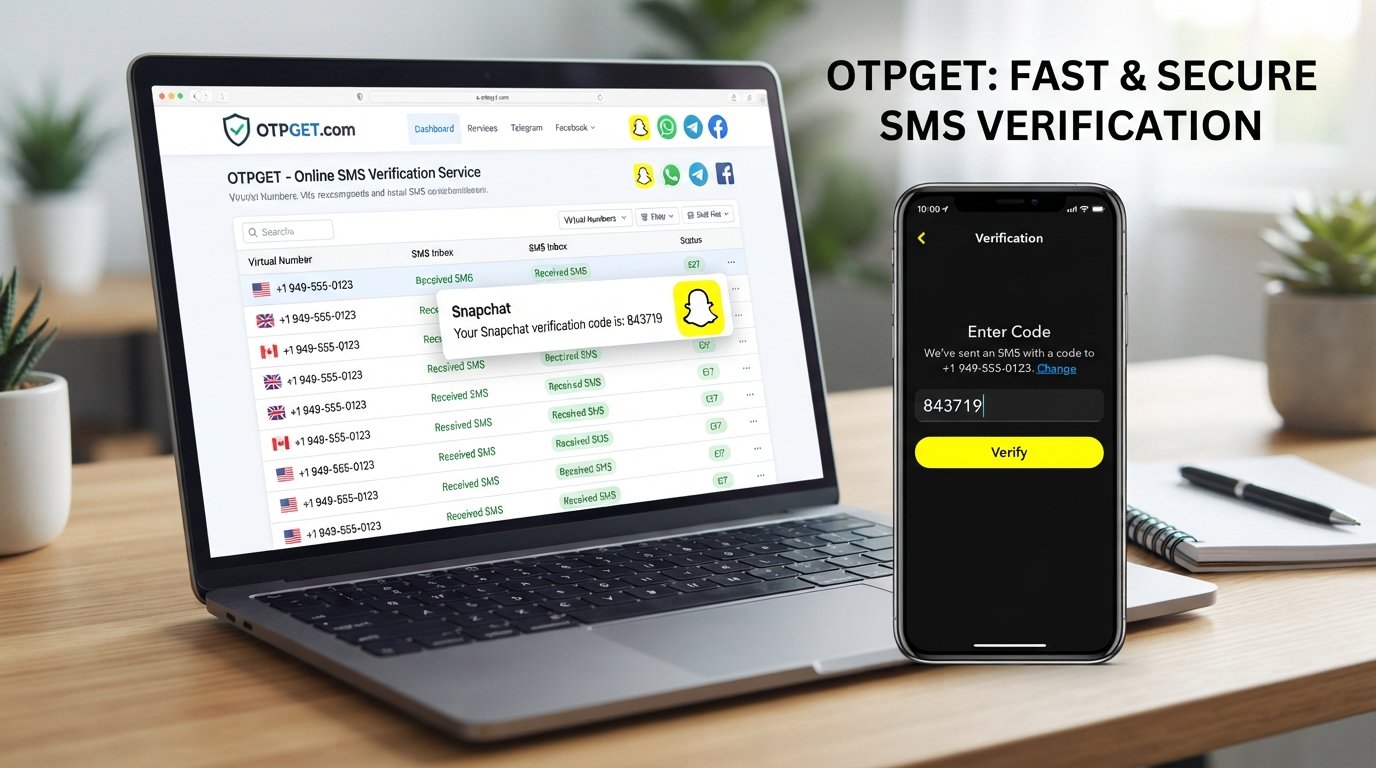
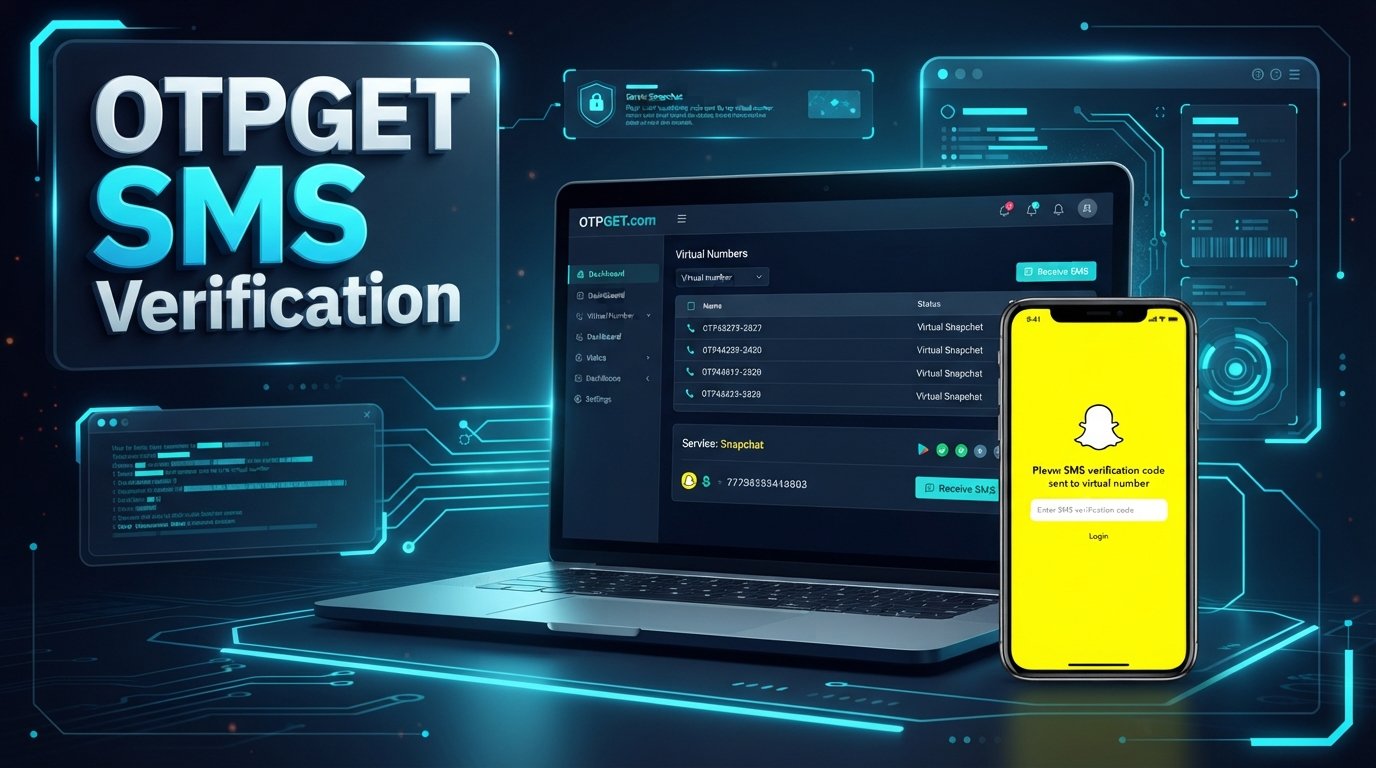
OTPGET – Looking for OTPGet? Start Your OTP Verification Guide
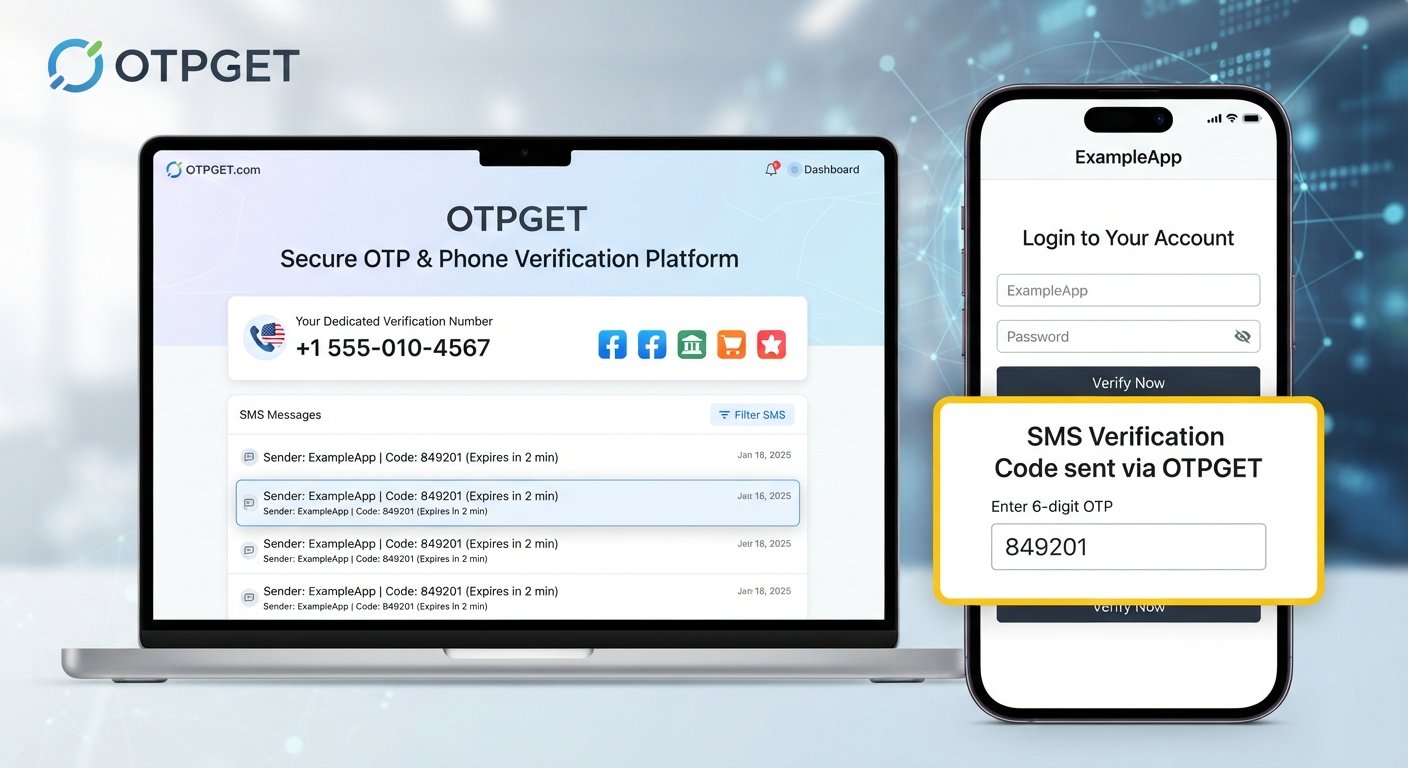
OptGet – Looking for OTPGet? Start Here
If you are searching for OTPGET, you are probably trying to understand how online OTP verification works, where verification codes are received, or which type of OTP service fits your needs.
OTP verification has become a familiar part of signing up, logging in, confirming a phone number, and completing other digital verification steps. Instead of treating the process as a technical mystery, it helps to understand what an OTP is, why SMS verification is used, and what to look for in a service designed around verification workflows.
That is where OTPGET comes into the picture.
This guide explains what OTPGET is, why people search for OTP verification services, how an OTP receiving service can fit legitimate verification needs, and what to consider before using one.
What Is OTPGET?
OTPGET is associated with online OTP and phone verification needs. The basic idea behind an OTP service is straightforward: a user needs to receive a temporary verification code through an available verification channel and use that code to complete an authorized verification process.
An OTP, or one-time password, is a temporary code used to confirm that someone has access to a particular verification method. In many common situations, that method is a phone number capable of receiving an SMS.
For someone searching terms such as OTPGET, OTPGet, or OTP GET, the intent is often practical. They want to understand where to start with OTP verification rather than spend time comparing unfamiliar services without knowing what matters.
OTPGET can therefore be viewed in the context of the wider OTP verification process: providing an option for users looking for a practical way to handle legitimate phone and SMS verification requirements.
Why OTP Verification Matters
A verification code adds another step between a user and an online account or service. That extra step can help confirm access to a phone number rather than relying only on information such as an email address or password.
A typical SMS verification process may look like this:
-
A website or application asks for a phone number.
-
The service sends a temporary verification code.
-
The user receives the SMS containing the OTP code.
-
The code is entered into the relevant verification field.
-
The service checks the code and completes the authorized verification process.
The important point is that an OTP is generally temporary and intended for a specific verification event.
This makes OTP verification useful for account verification, phone number confirmation, sign-in processes, and other legitimate digital workflows. It can also provide an additional layer of confidence that the person completing a process has access to the phone number being verified.
For users, the experience needs to be simple. If receiving a verification SMS becomes unnecessarily complicated, the entire registration or verification process can become frustrating.
Why People Search for OTPGET
Searches for OTPGET can come from several different intentions.
Some people may simply want to know what the service is. Others may be looking for a way to receive OTP online, understand a verification code, or find an OTP verification service that fits a particular legitimate workflow.
Common search needs include:
-
Finding an online OTP verification option
-
Understanding how SMS verification works
-
Receiving verification codes for authorized account processes
-
Exploring temporary phone number options
-
Learning how phone verification works
-
Finding an OTP receiving service
-
Understanding how verification SMS messages are handled
-
Comparing the practical qualities of different verification solutions
The search term itself does not always tell the complete story. A person searching for “receive SMS online,” for example, may actually be looking for a temporary number for a specific verification task.
That is why it helps to evaluate the complete verification workflow rather than focusing only on whether a service offers a phone number or SMS code.
How OTPGET Can Help
For users whose needs involve legitimate OTP or phone verification, OTPGET provides a focused starting point for exploring an OTP service.
The main advantage of a dedicated verification platform is that the process can be approached as a single workflow rather than a collection of unrelated tools.
Instead of wondering how a verification code fits into the larger process, users can focus on the core questions:
-
What verification method do I need?
-
Is the required workflow supported?
-
Can I receive the relevant verification SMS?
-
Is the process clear and easy to understand?
-
Does the service provide enough information about how it works?
-
Is the intended use permitted by the service being verified?
These questions matter because OTP verification is not simply about receiving a code. The code must be part of a legitimate process, and users should always follow the terms, privacy requirements, and security policies of the service they are trying to access.
OTPGET is best considered as a practical solution for people exploring OTP-related verification workflows, with the exact suitability depending on the user's legitimate use case and the requirements of the service involved.
Key Benefits of Using OTPGET
When evaluating an OTP verification service, simplicity and clarity can make a meaningful difference.
Potential advantages of using a dedicated solution such as OTPGET include:
-
Convenient verification: A dedicated OTP workflow can make it easier to approach SMS-based verification without unnecessary complexity.
-
Focused user experience: Users can concentrate on the verification task instead of piecing together multiple unrelated services.
-
Practical access: An OTP service can be useful when a verification workflow calls for a suitable phone-based receiving option.
-
Clearer process: Understanding where the verification code belongs and how the workflow operates can reduce confusion.
-
Flexible use cases: Different legitimate verification situations may have different requirements, so a dedicated platform can provide a useful starting point for exploring available options.
-
Straightforward approach: The goal of an OTP service should be to make an otherwise routine verification step easier to understand and manage.
These benefits should always be considered alongside privacy, responsible use, service compatibility, and the rules of the website or application being verified.
OTPGET vs. Searching for Random OTP Services
A search for “OTP service” can return many different types of results. Choosing the first unfamiliar option is not necessarily the best approach.
A better strategy is to evaluate a verification platform according to practical criteria.
Look for clarity about what the service provides, how the verification workflow operates, what information may be required, and how privacy is handled. It is also useful to understand whether the service is appropriate for your intended purpose.
OTPGET gives searchers a clear place to begin when their goal is specifically related to OTP verification. Rather than treating every temporary number or SMS website as interchangeable, users can first understand their own requirements and then determine whether OTPGET fits those requirements.
Remember that no OTP service should be treated as a way to bypass security controls. Verification systems exist for a reason, and responsible use means completing authorized verification processes rather than attempting to defeat them.
How to Get Started With OTPGET
Getting started with an OTP verification solution should be relatively easy to understand, even if you are new to the concept.
A general process looks like this:
1. Identify Your Verification Need
First, determine why you need OTP verification. Are you confirming access to a phone number, completing an authorized registration, testing a legitimate workflow, or handling another supported verification task?
Knowing the purpose makes it easier to choose the appropriate option.
2. Review the Available Service
Explore OTPGET and review the information available about its verification services. Pay attention to supported workflows and any requirements that apply to your intended use.
3. Choose an Appropriate Verification Option
If multiple options are available, select the one that matches your legitimate verification requirement. Avoid choosing based solely on price or convenience.
4. Complete the Verification Process
Use the verification method as instructed and enter the received OTP code into the authorized website or application when requested.
5. Protect the Code
An OTP is sensitive information. Do not share verification codes with strangers, publish them, or provide them to someone who claims they need the code on your behalf.
The exact process can vary depending on the service, so users should always follow the current instructions provided by the relevant platform.
Who Can Benefit From OTPGET?
OTPGET may be useful to people who have legitimate reasons to work with phone-based verification.
Potential users include individuals completing authorized online verification tasks, developers testing permitted application workflows, teams working with digital services, and users who need to understand how SMS-based verification operates.
The important distinction is authorized use.
An OTP verification service should not be used to gain access to someone else's account, defeat a platform's security measures, impersonate another person, or circumvent verification requirements that a website has deliberately established.
For legitimate use cases, understanding the verification process can make digital account workflows easier to navigate and troubleshoot.
Choosing an OTP Verification Solution
Not every OTP verification service will be equally suitable for every situation. Before choosing one, consider the following factors.
Usability: The service should be understandable without requiring unnecessary technical knowledge.
Transparency: Look for clear information about what is offered, what users need to provide, and how the verification workflow operates.
Privacy: Consider how phone numbers, verification messages, account information, and other relevant data are handled.
Reliability: Verification depends on successful communication between the service, the receiving channel, and the website or application involved. A useful solution should provide a clear process without making unrealistic promises.
Supported workflows: A service may not work for every website or application. Always check whether the intended verification process is supported and permitted.
Responsible use: The best verification solution is one that can be used without bypassing security systems or violating another platform's rules.
User experience: Clear instructions and a straightforward workflow can be just as important as technical functionality.
These criteria make it easier to assess OTPGET objectively and determine whether it is appropriate for your particular verification requirement.
Frequently Asked Questions About OTPGET
What is OTPGET?
OTPGET is a solution associated with OTP and phone verification workflows. People searching for OTPGET are generally looking for information about receiving verification codes and handling legitimate SMS-based verification needs.
How does OTPGET help with OTP verification?
OTPGET is positioned around OTP verification requirements, giving users a focused place to explore an OTP receiving service and related verification workflows. The exact process depends on the intended use and supported service.
Can I receive OTPs online?
Online OTP services can provide ways to receive verification messages without relying on the exact phone setup a user might normally use. Availability and compatibility depend on the verification service and the particular workflow involved.
What is an OTP verification service?
An OTP verification service supports processes involving one-time verification codes. These codes are commonly used to confirm access to a phone number during registration, login, account verification, or another authorized digital process.
Why do websites use SMS verification?
SMS verification can help a website confirm that a user has access to a particular phone number. It is commonly used as one part of an account or identity verification process.
Is OTPGET suitable for verification needs?
OTPGET may be suitable when your requirement involves a legitimate OTP or phone verification workflow supported by the service. Before using it, confirm that the intended process is permitted and compatible with the website or application involved.
How do I get started with OTPGET?
Start by identifying your legitimate verification requirement, reviewing the available OTPGET information, selecting an appropriate option, and following the instructions for the verification process. Never use an OTP service to bypass security or access an account without authorization.
Final Thoughts
If you arrived here after searching for OTPGET, the most important thing to understand is that OTP verification is about more than simply obtaining a code. The right solution should make the verification workflow understandable, practical, and appropriate for the intended use.
OTPGET gives users a focused starting point when exploring OTP verification, SMS verification, phone verification, temporary numbers, and online verification workflows.
Before choosing any service, consider compatibility, privacy, usability, transparency, and responsible use. Most importantly, use verification services only for legitimate activities and follow the rules of the platform you are verifying.
If OTPGET matches your requirements, the next step is to explore the service and determine how its verification options fit your particular workflow.