OpenAI OTP Number – Receive a Verification Code with OTPGET Guide
OpenAI OTP Number – Receive a Verification Code with OTPGET Guide
If you are searching for an OpenAI OTP Number, you are probably trying to complete a verification step and need to receive a code by SMS. For many people, the difficult part is not understanding what an OTP is—it is finding a suitable phone number and receiving the verification message without unnecessary hassle.
An OTP, or one-time password, is a temporary code used during a verification process. Depending on the service and its current requirements, verification may involve receiving an SMS on a phone number that you control or are authorized to use.
If you need an alternative way to receive an SMS verification code, OTPGET is one option worth exploring. The key is to understand how OTP verification works, what can affect delivery, and what to check before choosing an OTP receiving service.
What Is an OpenAI OTP Number?
An OpenAI OTP Number generally refers to a phone number used to receive a one-time verification code during a relevant account or service verification process.
It helps to separate a few terms that are often used interchangeably:
- OTP: A one-time password or code generated for a verification attempt.
- Verification code: The temporary sequence of characters or numbers sent to confirm a verification request.
- Phone number: The destination used to receive an SMS or other verification message.
- Temporary or virtual number: A number provided through a service rather than necessarily being the user's everyday personal mobile number.
The number itself is not the OTP. The phone number is the destination, while the OTP is the temporary code delivered to it.
A verification code can also expire or become invalid after a certain period or after another code is requested. That is why receiving the correct message and entering the code promptly can matter.
Why Do You Need an OpenAI Verification Code?
Phone-based verification is commonly used as an additional way to confirm that someone has access to a particular phone number.
When a service requests SMS verification, the basic process is straightforward: a verification request is made, a code is generated, and the code is sent to the selected phone number. The user then enters that code into the relevant verification flow.
There can be several reasons someone may look for an OpenAI verification code or an online OTP number. For example, they may prefer not to use their everyday number for a particular verification request, or they may need a number that is suitable for receiving SMS messages.
However, no phone number service should be assumed to work with every platform. Compatibility can depend on the service's verification rules, the type of number, geographic availability, and other technical factors.
How to Receive an OpenAI Verification Code
The general process for receiving an SMS verification code is simple, although the exact screens and requirements can vary.
- Start the relevant verification process.
Follow the verification instructions provided by the service you are using. - Choose an appropriate phone number.
Use a number that you are permitted to use for the verification process. - Enter the number carefully.
Double-check the country or area code and the remaining digits before submitting the request. - Wait for the verification SMS.
Delivery may take some time depending on the service, network conditions, and number compatibility. - Check the incoming message.
Look for the latest verification SMS and identify the current OTP. - Enter the code where requested.
Use the current code in the relevant verification field and follow the service's instructions.
If a code does not arrive, avoid repeatedly requesting new codes in quick succession. Multiple requests can make it harder to determine which code is current.
What Makes a Good OTP Number Service?
Not every SMS verification number service provides the same experience. Before choosing an option, consider several practical factors.
Reliability: The service should provide a clear way to access the number and check incoming messages.
Ease of use: A straightforward process is valuable when you only need a number for a specific verification step.
SMS handling: Make sure the service actually supports the type of incoming message you need rather than assuming every number accepts every verification SMS.
Number availability: Availability can vary by service, location, and demand.
Transparency: Look for clear information about how the service works and what limitations may apply.
Privacy considerations: Understand what information the service requires and how the number is provided before using it.
Compatibility: A number that works for one platform may not necessarily work for another. Always treat compatibility as something to verify rather than a guarantee.
The best choice is therefore not simply the cheapest or fastest-looking option. It is the option that fits the particular verification requirement while giving you a clear and manageable user experience.
How OTPGET Can Help You Receive OTP Codes
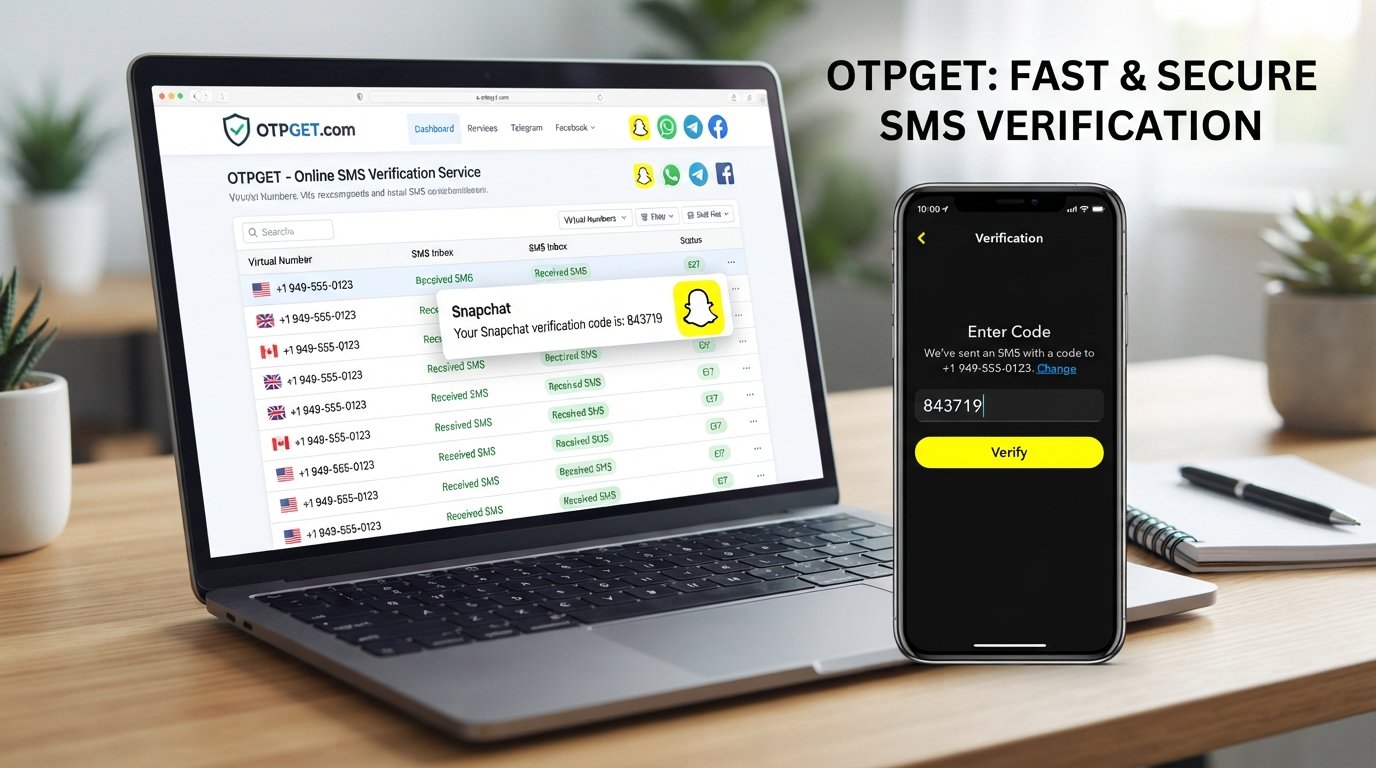
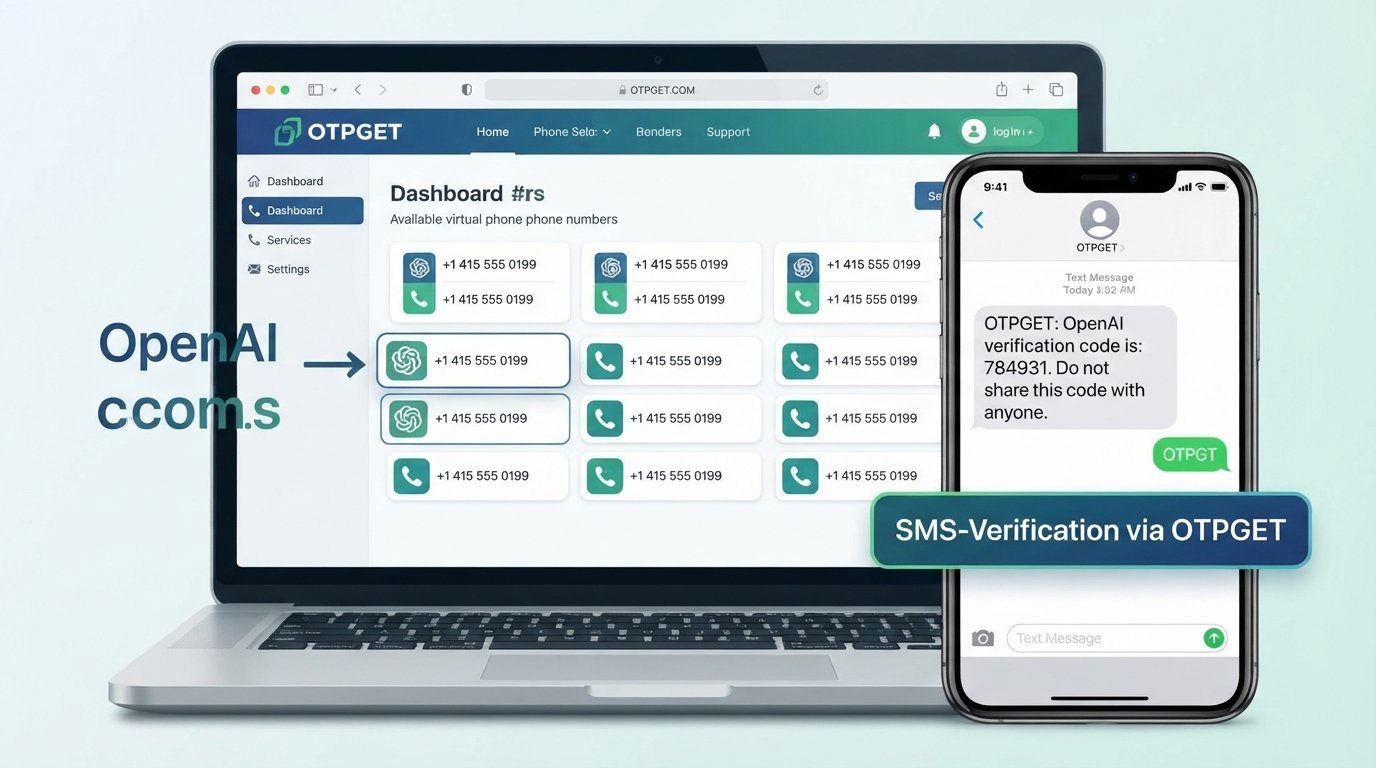
For users specifically searching for an OpenAI OTP number, OTPGET can be considered as a practical option for receiving verification SMS where the relevant number is available and permitted for the intended use.
The general journey is straightforward:
- Visit OTPGET.
- Choose the relevant service or available number option.
- Obtain a number that is suitable for your intended verification request.
- Use the number where the verification process permits it.
- Check the incoming SMS for the OTP.
- Enter the received verification code into the relevant service.
The important point is to treat OTPGET as a convenient option rather than assuming that every number will work with every verification system. Availability, compatibility, and delivery can vary, so users should review the information presented by OTPGET before proceeding.
For someone who does not want to use a personal phone number for a particular verification task, an OTP receiving service can simplify the process by putting the number and incoming SMS in one place. Whether that approach is appropriate depends on the service's rules and the user's specific circumstances.
OTPGET is not presented here as an official OpenAI service, nor should its use be interpreted as an OpenAI endorsement or partnership.
OpenAI OTP Number vs. Traditional Phone Verification
There are situations where using an everyday mobile number may be the simplest option, while other situations may make an online OTP number more convenient.
| Factor | Online OTP Number | Traditional Phone Number |
|---|---|---|
| Convenience | Can be useful for specific verification tasks | Familiar and readily available to the owner |
| Setup | May require selecting or obtaining a number | Usually already configured on the user's phone |
| Accessibility | Depends on the OTP service and number availability | Depends on access to the personal device |
| SMS handling | Messages may be viewed through the service | Messages arrive directly on the phone |
| Flexibility | Can provide an alternative to a personal number where permitted | Generally tied to the user's regular mobile service |
| User control | Depends on the terms and design of the service | Direct control over the personal number |
Neither approach is universally better. The right choice depends on the verification requirements, the number's compatibility, and what the user is comfortable using.
Common Problems When Receiving Verification Codes
Even when the process looks simple, SMS verification can sometimes run into problems.
OTP Not Arriving
Wait briefly and check that the number was entered correctly. If there is still no message, review the service's instructions before requesting another code.
Delayed SMS
SMS delivery can sometimes take longer than expected. Avoid immediately submitting multiple verification requests because a later code may replace or invalidate an earlier one.
Incorrect Number
A single incorrect digit can send the verification message somewhere else. Always review the complete number before confirming the request.
Unsupported Number
Some verification systems may restrict certain number types. If a number is not accepted, check the relevant service requirements rather than assuming the number is defective.
Expired OTP
Verification codes are generally intended for temporary use. If a code is no longer accepted, request a new one through the normal verification process.
Too Many Attempts
Repeated requests or incorrect entries may lead to additional verification steps or temporary restrictions. Follow the service's instructions and avoid unnecessary repeated attempts.
Tips for a Smoother OTP Verification Experience
A few simple habits can make the process easier:
- Check the phone number before submitting it.
- Confirm that the number is permitted for the intended verification.
- Wait for an SMS before requesting another code.
- Use the most recent verification code received.
- Enter the OTP exactly as displayed.
- Avoid sharing verification codes with other people.
- Review the service's requirements before choosing a temporary or virtual number.
- If delivery fails, check the number, SMS status, and service compatibility before trying again.
These steps will not eliminate every verification issue, but they can reduce avoidable mistakes.
Why Choose OTPGET?
If your search began with “OpenAI OTP Number”, your main goal is likely straightforward: find a convenient way to receive a verification SMS.
OTPGET can be worth considering because it focuses on the practical part of that process—providing an available number that can be used for an appropriate verification request and checking for the incoming OTP.
The strongest reason to consider any OTP receiving service is not a promise of universal compatibility. It is whether the service provides a clear, convenient option for your particular need.
Before using OTPGET, review the available options and any applicable limitations. If the number is suitable for the service you are verifying with, OTPGET can provide an alternative to relying solely on your regular phone number.
Frequently Asked Questions
What is an OpenAI OTP number?
An OpenAI OTP number is a phone number used to receive a one-time verification code during a relevant verification process. The number and the OTP are two different things: the number receives the SMS, while the OTP is the temporary code inside it.
How do I receive an OpenAI verification code?
Follow the relevant verification process, provide a permitted phone number, and wait for the verification SMS. Check the number carefully and use the current code when completing verification.
Can OTPGET receive OTP codes?
OTPGET can be considered as an OTP receiving option where an available number is compatible with and permitted for the verification process. Compatibility should be checked rather than assumed.
What should I do if my verification SMS does not arrive?
First, check that the number is correct and suitable for the verification. Wait briefly before requesting another code, then follow the relevant service's troubleshooting instructions if the message still does not arrive.
Is a temporary number suitable for verification?
It can be suitable for some verification scenarios, but not every service accepts every type of temporary or virtual number. Check the applicable requirements before using one.
How long is an OTP usually valid?
OTP validity varies by service and verification system. Because an OTP is intended for temporary use, it is best to enter the latest code promptly rather than relying on an older message.
What should I check before using an OTP receiving service?
Check number availability, compatibility, SMS access, service terms, privacy considerations, and any limitations that could affect your verification request. Do not assume that one service will work for every platform.
Conclusion
Finding an OpenAI OTP Number is usually about solving one practical problem: receiving a verification code through a suitable phone number.
Understanding the difference between an OTP, a phone number, and a temporary or virtual number makes the process easier. It is also important to remember that verification systems can have different requirements, so compatibility should always be checked before starting.
For users looking for an alternative way to receive SMS verification codes, OTPGET is a practical option to explore. Review the available number options, confirm that the intended use is permitted, and then follow the normal verification process.
If OTPGET fits your requirements, it can make the process of obtaining and checking a verification SMS more convenient. Explore the available OTPGET options and choose the one that best matches your verification needs.
INTERNAL LINK SUGGESTIONS
- How OTP Verification Works — Suggested page/topic: Educational guide explaining OTPs, verification codes, and SMS authentication.
- Temporary Phone Numbers for Verification — Suggested page/topic: Guide to temporary and virtual numbers and their common use cases.
- How to Receive OTP Online — Suggested page/topic: Practical guide covering the general process of receiving verification SMS online.
- SMS Verification Guide — Suggested page/topic: Troubleshooting and best practices for verification messages.
- OTPGET OTP Number Guide — Suggested page/topic: Dedicated guide explaining how to use OTPGET for suitable OTP verification needs.