OptGet Alternative Spelling: Discover the OTPGet OTP Service
OptGet Alternative Spelling – OTPGet OTP Service
If you searched for “OptGet alternative spelling,” you may have encountered another term that looks very similar: OTPGet. That can naturally create a question: are OptGet and OTPGet the same thing, or is one simply a spelling variation used by people searching for an OTP-related service?
The distinction matters because the purpose behind the search is usually straightforward. People looking for OTP verification, SMS verification, temporary phone verification, or a way to receive verification codes online are trying to find a service that fits a specific verification need.
The name used in the official materials is OTPGET, which provides virtual numbers and OTP-related services through its platform. Its documentation describes SMS OTP functionality, virtual numbers, rental numbers, temporary email OTP functionality, and developer APIs.
So, if you arrived here after searching for OptGet, this guide explains the spelling variation, what OTPGET does, how OTP services generally work, and what to consider before choosing an OTP provider.
What Is the OptGet Alternative Spelling?
The phrase “OptGet alternative spelling” generally reflects a naming or search-term variation. Someone may type OptGet when they actually mean OTPGet, particularly because the two names are visually similar.
When dealing with brand or service names, however, it is better not to assume that similar spellings automatically represent the same company or product. The most reliable approach is to check the service's official website and documentation.
In the case of OTPGET, its official platform and developer documentation use OTPGET as the service name. The platform is specifically built around virtual phone numbers, SMS OTP verification, rental numbers, temporary email verification, and related developer functionality.
That makes OTPGet the relevant term for readers whose actual search intent is an OTP receiving or verification service.
In practical terms, the search journey may look like this:
- You search for OptGet.
- You discover OTPGet while investigating the term.
- You check whether OTPGET provides the verification functionality you need.
- You review its available services, documentation, and requirements before using it.
This approach avoids relying solely on a spelling assumption and gives you a clearer path toward the right service.
What Is OTPGet?
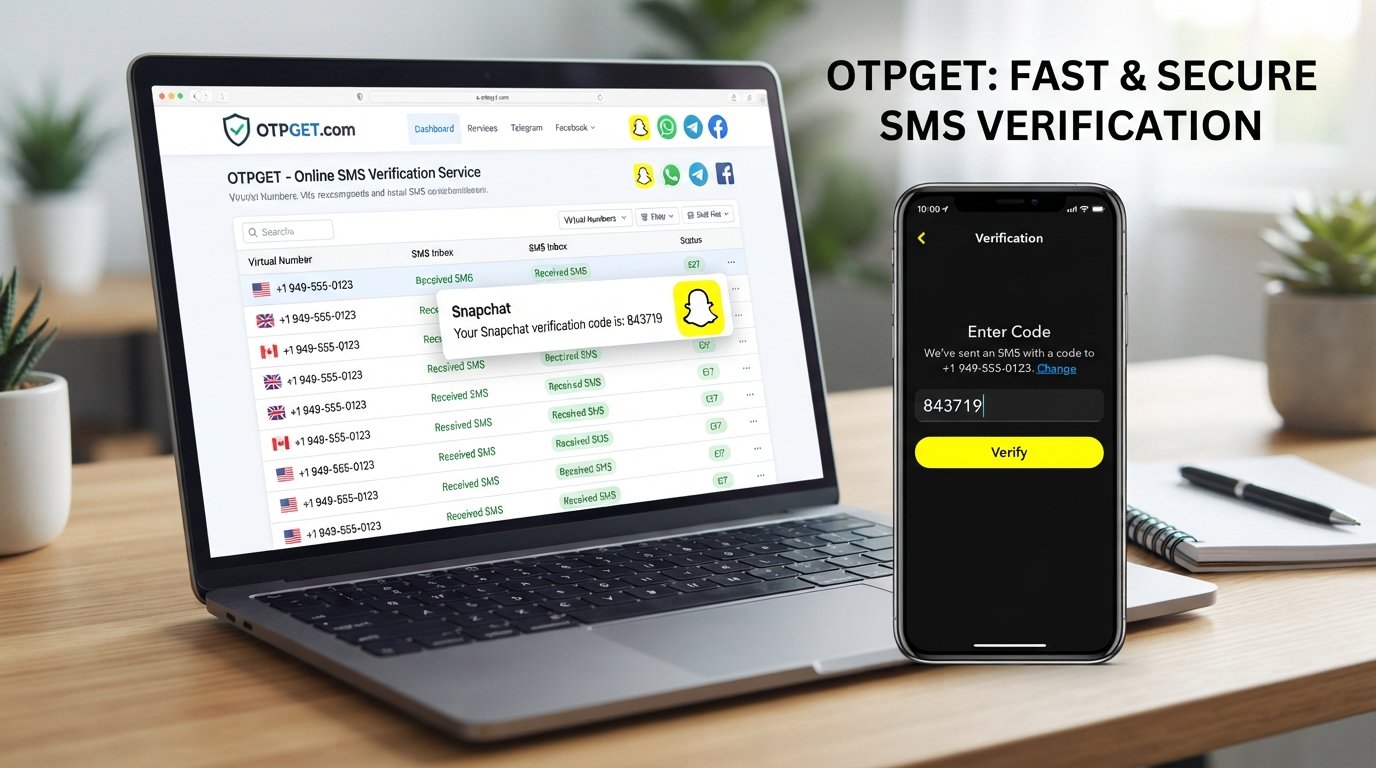
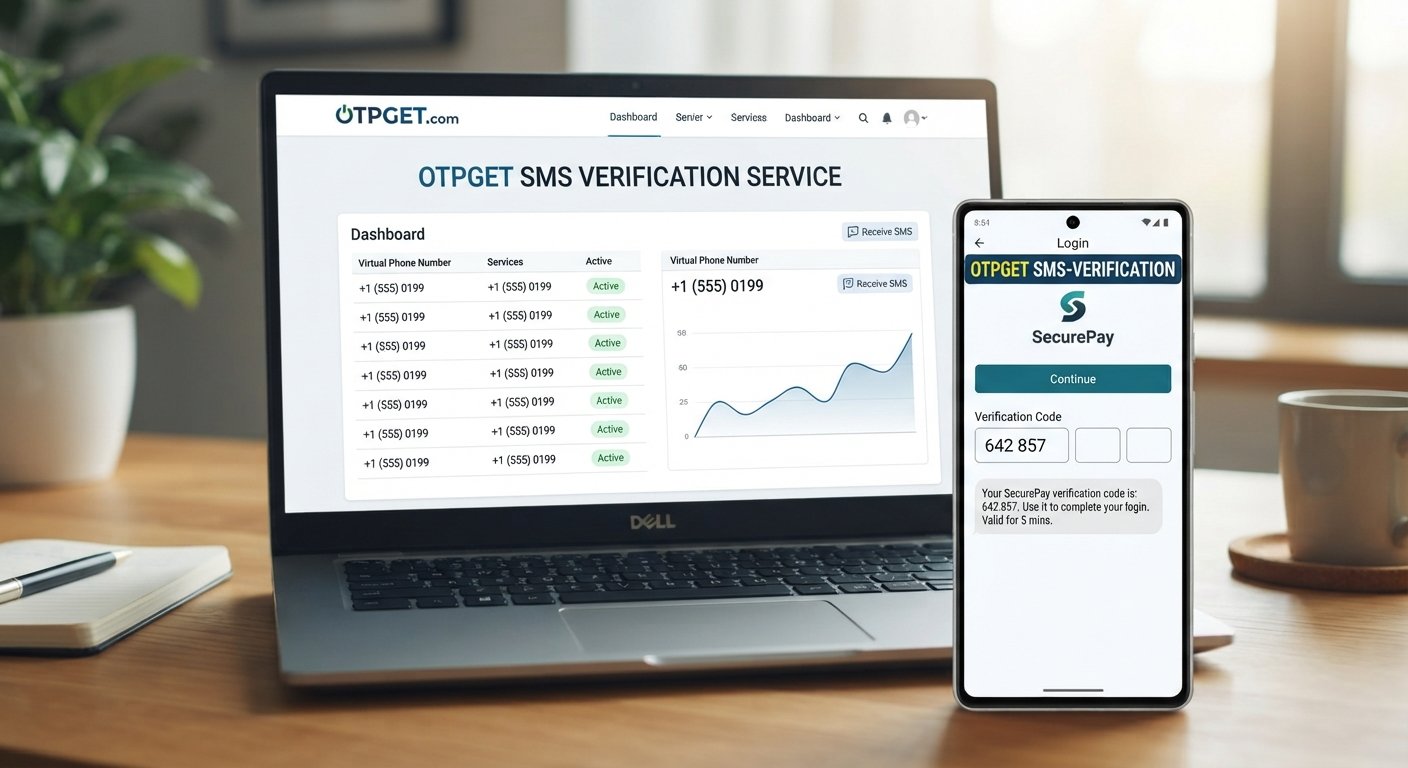
OTPGET is an OTP-focused platform designed around virtual numbers and verification workflows. Its official documentation describes an SMS OTP API that allows users or developers to request numbers, monitor activation status, and retrieve received verification codes.
For users, the basic concept is relatively simple. Instead of depending exclusively on a personal mobile number, an OTP service can provide a virtual phone number for receiving an SMS verification code.
For developers, an OTP platform can also provide an API-based approach to managing verification-related workflows. OTPGET's documentation includes API endpoints for functions such as checking balance, retrieving available countries and services, requesting a number, and checking activation status.
The platform also documents additional services, including number rentals and temporary email OTP functionality.
The important point is that OTPGET is more than a phrase resembling “OptGet.” It is an actual OTP service platform that readers can investigate when they need virtual-number-based verification functionality.
You can explore the official OTPGET platform and its developer documentation to determine whether its services match your particular requirements.
How Does an OTP Service Work?
The basic idea behind an OTP service is easier to understand than the technical infrastructure behind it.
An OTP, or one-time password, is a temporary verification code used to confirm that a person has access to a particular phone number, email address, account, or other verification channel.
A typical SMS OTP verification process works like this:
- A user enters a phone number.
The number is provided as part of registration, login, account recovery, or another verification process. - A verification request is generated.
The service or application creates a one-time code and sends a request for delivery. - An SMS message is sent.
The verification code is delivered to the relevant phone number. - The user receives the code.
An OTP receiving service can provide an appropriate number and display the incoming verification message. - The code is entered.
The user enters the verification code into the website or application. - The system validates the code.
If the submitted code matches the expected verification code and remains valid, the verification process can be completed.
The technical implementation varies between platforms. OTPGET's documented SMS workflow includes requesting a number and then checking its activation status for the received SMS code.
For businesses and developers, API-based OTP workflows can make this process easier to integrate into software where supported.
Why Businesses and Users Need OTP Verification
Phone verification is common because a phone number can provide an additional way to confirm access during important account actions.
An OTP verification service may be useful in situations such as:
- Account registration: Confirming that a submitted phone number can receive messages.
- Login verification: Adding an additional verification step during account access.
- Password recovery: Helping verify access to a registered phone number.
- Identity confirmation: Providing an additional verification signal during onboarding.
- Phone number verification: Confirming that a number is active and reachable.
- User onboarding: Adding verification to a registration workflow.
- Two-factor authentication: Using an SMS code as one verification factor where appropriate.
- Transaction confirmation: Requiring an additional code for selected account actions.
- Testing and development: Allowing teams to work with phone-based verification workflows without always relying on personal numbers.
OTP verification should not be treated as a complete security strategy by itself. Its value depends on how the overall authentication system is designed, how codes are protected, and what additional controls are used.
For users, the main advantage is convenience. For businesses and developers, the goal is usually to create a verification process that is practical, understandable, and suitable for the application's requirements.
Why Choose OTPGET for OTP Verification?
If your search started with OptGet alternative spelling but your actual goal is to find an OTP service, OTPGET is worth investigating because its documented offering is directly relevant to SMS and virtual-number verification.
Its official documentation identifies several capabilities that can be useful depending on the use case.
SMS-Based OTP Verification
OTPGET provides an SMS OTP workflow centered on obtaining a virtual number and checking for the verification message. This can be useful when a verification process requires SMS delivery rather than an individual's personal mobile number.
Virtual Numbers
The platform's core offering includes virtual phone numbers for OTP verification. Its website describes one-time numbers as well as longer-term rental options, giving users different approaches depending on whether they need temporary or continuing access.
Developer-Friendly Workflows
For technical users, OTPGET documents REST API functionality for managing OTP-related operations. The documentation includes examples for PHP, Python, and cURL, making the available workflow easier to understand before integration.
More Than SMS
The platform also documents rental numbers and temporary email OTP services. That can be relevant when a project has verification requirements beyond a single SMS workflow.
A Practical Verification Option
Ultimately, the right OTP solution depends on your use case, supported services, privacy requirements, budget, and technical setup. OTPGET can be considered by users who specifically need virtual-number-based OTP verification and related services.
Rather than choosing an OTP provider based only on a familiar-looking name, review the actual service documentation and confirm that it supports the verification workflow you need.
OTPGET vs. Searching for the Wrong Spelling
The search term “OptGet alternative spelling” is useful because it reflects a common problem: users sometimes remember a service name approximately rather than exactly.
A spelling difference of one or two characters can make search results confusing. It can also lead users toward unrelated services if they assume every similar name refers to the same platform.
For an OTP-related search, the key distinction is simple:
OptGet may appear as a search variation, while OTPGET is the name used by the OTP verification platform discussed here.
That does not mean every mention of “OptGet” across the internet should automatically be treated as an official reference to OTPGET. When accuracy matters, verify the domain, service documentation, and product details before sharing account information or using a verification service.
If your original goal was to find an OTP service, searching specifically for OTPGET is a more useful starting point than repeatedly trying different spellings of OptGet.
What to Look for in an OTP Verification Service
Finding an OTP provider is only the first step. You should also evaluate whether the service is appropriate for your intended use.
Here are several factors worth considering.
Reliability
Verification codes are often part of a time-sensitive workflow. Look for clear information about service operation, availability, and how failed or unavailable numbers are handled.
Ease of Use
A complicated interface can make a simple verification task unnecessarily frustrating. Consider whether the service makes it easy to select a number, monitor incoming messages, and understand the verification status.
Verification Speed
If your workflow depends on receiving an SMS code promptly, delivery performance matters. Avoid assuming that any provider can guarantee a particular delivery time across every service or location.
Security and Privacy
Understand what information the service collects, how accounts are protected, and what happens to verification data. Never share sensitive account credentials or use verification services in ways that violate the rules of another platform.
Supported Services
Not every phone number works with every website or application. Before committing to a provider, check whether the service you need is supported.
Availability
Number availability can vary by country, service, provider, and current demand. OTPGET's documentation provides methods for checking available countries and services rather than requiring users to assume that every option is always available.
Cost Transparency
Understand how numbers, rentals, or other verification services are charged. Clear pricing information makes it easier to compare providers based on your actual requirements.
Customer Support
If verification is important to your workflow, accessible support can be valuable when an order, activation, or technical integration does not behave as expected.
Scalability
Businesses and developers should consider whether an OTP platform can fit their expected workflow as usage changes. API documentation, supported operations, and integration requirements are particularly relevant for technical teams.
A reliable OTP solution is not simply the service with the most features. It is the one whose capabilities, availability, privacy practices, and workflow match what you actually need.
FAQ Section
What is the OptGet alternative spelling?
OTPGet is the relevant spelling to investigate when your search for “OptGet” is intended to find an OTP-related service. However, similar names should not automatically be assumed to represent the same company without checking official information.
Is OTPGet an OTP service?
Yes. OTPGET operates as a platform focused on virtual numbers and OTP verification. Its official documentation describes SMS OTP functionality, number requests, activation-status checks, rental numbers, temporary email OTP, and related API functionality.
What is an OTP verification service?
An OTP verification service helps facilitate one-time-code verification, commonly through SMS or another temporary communication channel. Depending on the provider, it may offer virtual numbers, verification-code retrieval, APIs, or related services.
How does SMS OTP verification work?
A service generates or facilitates a one-time verification code, sends it to an eligible phone number, and the user enters the received code into the relevant application. The application then checks whether the code is valid.
How can I receive an OTP online?
An OTP receiving service may provide a virtual number that can receive SMS verification messages. The exact process depends on the provider and the service you are attempting to verify. OTPGET documents a workflow for requesting numbers and checking their SMS activation status.
Why do websites use phone number verification?
Websites and applications may use phone verification to confirm that a user has access to a particular number. It can be used during registration, account recovery, authentication, onboarding, or other workflows where an additional verification step is useful.
What should I look for in an OTP provider?
Consider reliability, ease of use, verification speed, supported services, privacy practices, availability, cost transparency, support, and scalability. Most importantly, confirm that the provider supports the exact verification workflow you need.
Final Thoughts
The search for OptGet alternative spelling often comes down to identifying the correct term behind a familiar-looking name. If your goal is to find an OTP verification service, OTPGET is the service name worth exploring.
OTPGET's official materials describe virtual numbers for SMS OTP verification, rental numbers, temporary email OTP functionality, and developer APIs.
The broader lesson is that choosing an OTP service should involve more than recognizing a name. Look at the verification workflow, supported services, availability, privacy considerations, ease of use, and technical requirements before making a decision.
For readers who started by searching OptGet but actually need an OTP service, OTPGET provides a practical platform to investigate. Explore its official service and documentation, then determine whether its available OTP verification options fit your particular requirements.