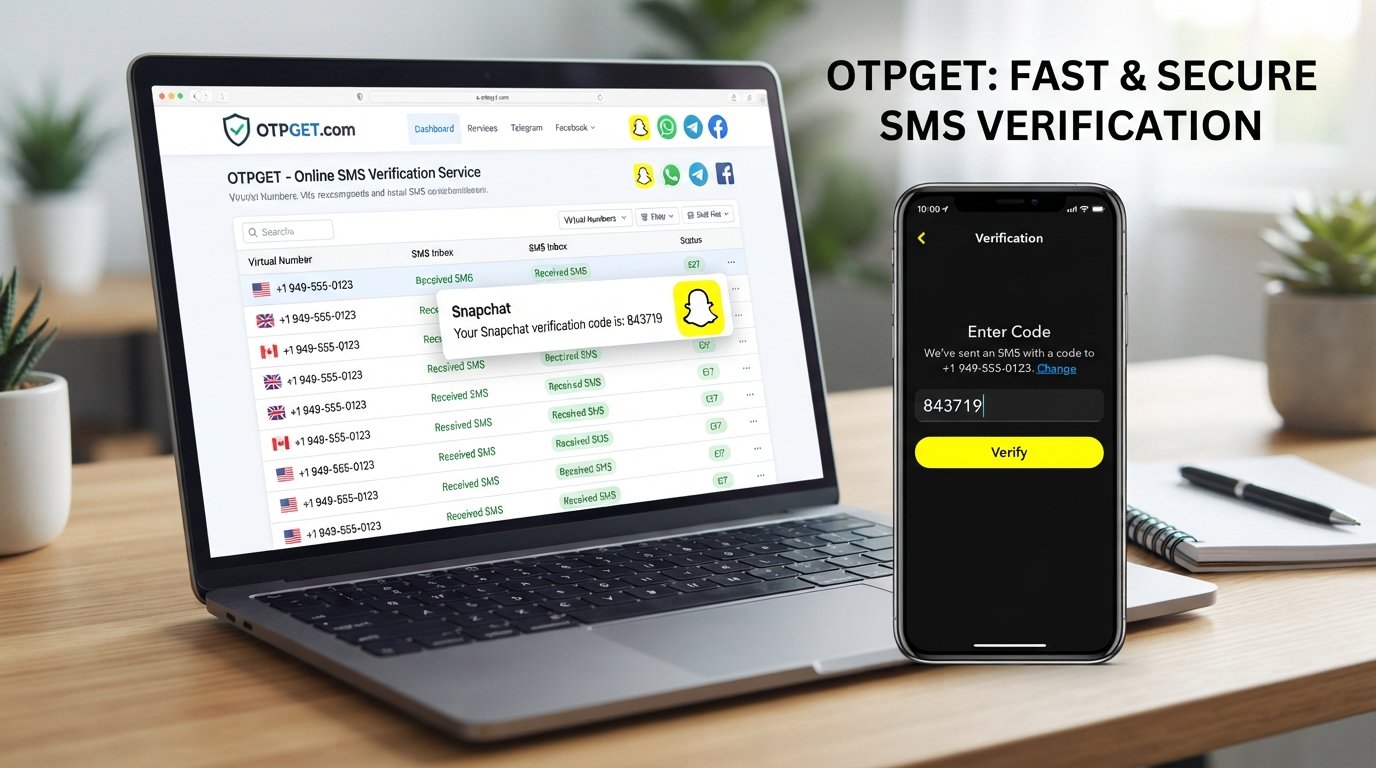
OTPGET or OptGet: Virtual Numbers Made Simple for Verification
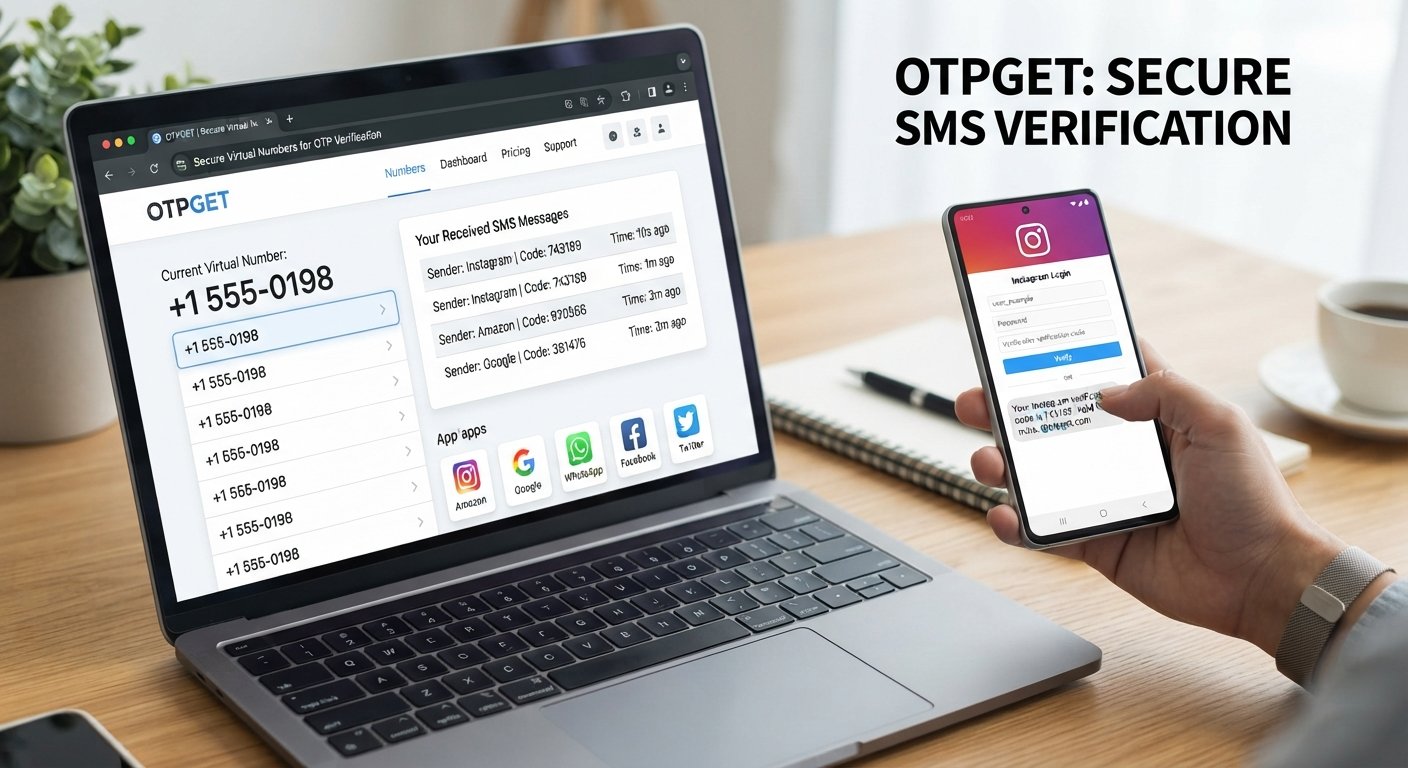
OTPGET or OptGet: Virtual Numbers Made Simple
Searching for a virtual number can get confusing quickly. One search leads to “OptGet,” another points toward “OTPGet,” and suddenly it is not even clear whether you are looking for a phone number, an SMS verification service, or something else entirely.
If your goal is straightforward — getting a virtual number for a supported verification process and receiving an OTP or SMS code online — the concept is much simpler than it first appears.
This guide explains what virtual numbers are, how OTP verification works, why people use temporary or virtual phone numbers, and where OTPGET fits into the picture. The goal is not to make verification complicated. It is to help you understand your options and choose a practical approach for legitimate online use.
What Is a Virtual Number?
A virtual phone number is a phone number that is not necessarily tied to a traditional physical SIM card in the same way as your everyday mobile number.
Depending on the service, a virtual number may be able to receive SMS messages, calls, or verification codes through an online platform rather than directly through your personal phone.
That makes a virtual number useful when you want to separate your personal phone number from certain online activities.
For example, you might want a separate number when:
- Signing up for a service that supports virtual numbers
- Testing an online workflow
- Managing business or online accounts
- Receiving SMS verification codes
- Keeping your personal number private from unnecessary sharing
- Separating personal and online communication
A virtual number is not automatically the same thing as a temporary phone number. Some numbers may be intended for short-term use, while others may be available for longer periods. The exact behavior depends on the service and the number you select.
It is also important to remember that not every website accepts every type of virtual number. Platform compatibility can vary.
OptGet or OTPGet — What Are People Actually Looking For?
The names OptGet and OTPGet can create search-intent confusion, particularly for people who are searching for virtual numbers, OTP services, or SMS verification.
A person who types “OptGet” may actually be trying to find an OTP-related virtual number service. Someone searching for “OTPGet” may have the same goal but use a slightly different spelling.
That distinction matters because search terms do not always perfectly describe what someone needs.
For this article, OTPGET is the relevant solution being discussed: a practical option for users looking for virtual numbers and supported OTP or SMS verification workflows.
Rather than getting stuck on the spelling, it is more useful to focus on the actual requirement: finding a virtual number that can support the verification process you need.
Why Do People Need Virtual Numbers for OTP Verification?
Phone verification is common across websites, applications, and online services. A platform may send a one-time password, often called an OTP, to confirm that a phone number can receive SMS messages.
For some users, giving their personal number to every online service is not ideal.
A virtual number can provide a degree of separation between a personal mobile number and online activity. Common legitimate reasons include:
- Privacy: Avoid sharing your personal number when it is not necessary.
- Convenience: Use a separate number for supported online verification.
- Organization: Keep online activity separate from personal communications.
- Testing: Developers and testers may need numbers for supported verification workflows.
- Account management: Businesses may use separate numbers for appropriate online services.
The important point is that virtual numbers should be used within the rules of the website or application involved. A virtual number is a convenience tool, not a way to bypass security controls or platform restrictions.
How OTP Verification Works With a Virtual Number
The basic process is easier than the terminology makes it sound.
1. Choose an available virtual number
Select a number through a virtual number service such as OTPGET, based on the service and verification requirement you have.
2. Enter the number
Use the virtual phone number on the website or application where phone verification is supported.
3. Request the OTP
The platform sends an SMS verification message containing a one-time code.
4. Receive the message
If the number and service are compatible, the verification SMS can appear through the virtual number service.
5. Enter the verification code
Copy the OTP into the relevant verification field and complete the process.
The exact experience can differ from one platform to another. Some websites restrict virtual numbers, while others may only support particular types of numbers. SMS delivery can also depend on the service, carrier, destination platform, and number availability.
Why OTPGET Can Make Virtual Numbers Simpler
The main advantage of a service like OTPGET is that it can make the process of finding and using a virtual number more straightforward.
Instead of treating virtual numbers as a technical subject, think of OTPGET as a practical layer between you and the SMS verification process. You are looking for a number, the relevant service sends a code, and the virtual number service provides the SMS when the setup is supported.
For users searching for an OTPGET virtual number, simplicity is often the most important consideration.
With OTPGET, the focus is on the practical need: access to virtual numbers for supported verification and SMS-based workflows.
That can be particularly useful when you do not want to expose your personal number unnecessarily or when a separate online number makes your workflow easier to manage.
Of course, availability, compatibility, and the ability to receive messages can vary. It is always sensible to check whether the platform you are using accepts the type of number you intend to use.
Key Benefits of Using OTPGET for Virtual Numbers
A virtual number service can be useful for several straightforward reasons.
- Convenience: Manage a virtual number without relying solely on your personal mobile number.
- Better separation: Keep personal and online activities distinct.
- Simpler verification: Use a dedicated number for supported SMS verification workflows.
- Reduced personal-number exposure: Avoid sharing your everyday number when a separate number is appropriate.
- Online accessibility: Receive supported SMS messages through an online virtual number service.
- Practical account management: Keep verification-related activity more organized.
These benefits do not mean a virtual number is always the right choice. For important accounts or services that require a long-term personal number, your regular mobile number may still be more appropriate.
How to Choose the Right Virtual Number
Not all virtual numbers work the same way, so choosing a service based only on the phrase “temporary number for OTP” can lead to disappointment.
Before using a virtual number, consider these factors:
Platform compatibility
First, check whether the website or application accepts virtual numbers. Some services may restrict certain numbers or number types.
Number availability
A number needs to be available for the service and use case you have in mind. Availability can change.
SMS delivery
If your goal is to receive verification codes online, reliable SMS delivery is essential. However, delivery depends on several factors and should not be treated as an absolute guarantee.
Ease of use
The service should make it reasonably clear how to select a number and access incoming SMS messages.
Privacy
Consider how the number is handled, how long it remains available, and whether the service's policies match your expectations.
Pricing transparency
If the service involves fees, understand the pricing structure before proceeding.
Terms of use
Always follow the rules of both the virtual number provider and the website where you are using the number.
For users evaluating an OTPGET virtual number, these are the same practical questions worth asking before starting a verification workflow.
OTPGET vs Using Your Personal Number
A virtual number is not necessarily a replacement for your personal number. The better option depends on what you are trying to accomplish.
| Consideration | Personal Number | Virtual Number Through OTPGET |
|---|---|---|
| Privacy | Your regular number is shared | Can provide separation from your personal number |
| Convenience | Familiar and readily available | Useful for supported online verification |
| Separation | Personal and online use are combined | Online use can be kept separate |
| Verification workflow | Usually straightforward where accepted | Useful where virtual numbers are supported |
| Online use | Suitable for long-term personal accounts | Useful for appropriate online workflows |
| Long-term personal use | Generally better suited | Depends on number availability and service terms |
The right choice depends on the situation. A personal number can be preferable for accounts where long-term ownership and recovery are important. A virtual number can be more practical for certain online verification needs.
Who Can Benefit From OTPGET?
OTPGET may be useful for people who have a legitimate reason to use a separate virtual phone number.
Potential users include:
- Individuals who prefer not to share their personal number unnecessarily
- Online users who need a separate number for supported services
- Developers and testers working with appropriate SMS verification workflows
- Businesses managing online services and communication processes
- Users who need a virtual number for legitimate SMS verification
The common theme is separation and convenience. The service should be used responsibly and in accordance with the terms of the platform being verified.
Common Questions About OTPGET and Virtual Numbers
What is OTPGET?
OTPGET is the virtual-number and OTP verification solution discussed in this guide. It is relevant to users looking for virtual numbers and supported SMS-based verification workflows.
What is a virtual number?
A virtual number is a phone number provided through an online service rather than being used exclusively as a traditional mobile SIM number. Depending on the service, it may support SMS, calls, or verification messages.
Can I receive OTPs with a virtual number?
You may be able to receive OTPs with a virtual number when the number, provider, and platform are compatible. Not every website accepts every virtual number.
Is OTPGET useful for SMS verification?
OTPGET can be considered by users looking for a virtual number service for supported SMS verification and OTP workflows. Compatibility can vary depending on the platform involved.
What is the difference between OptGet and OTPGet?
“OptGet” and “OTPGet” can appear as different search terms when someone is looking for virtual numbers or OTP-related services. In this article, OTPGET is the service being discussed as the practical virtual-number solution.
Can I use a virtual number instead of my personal number?
For supported online services, yes, a virtual number may be an alternative to sharing your personal number. However, some services require a personal or mobile number, so compatibility should always be checked.
Does every website accept virtual numbers?
No. Websites and applications can have different verification requirements. Some may reject virtual numbers or support only certain types of phone numbers.
Conclusion
Virtual numbers do not have to be complicated. At their simplest, they give users another way to handle supported calls, SMS messages, and verification workflows without relying entirely on a personal phone number.
That is why virtual numbers can be useful for privacy-conscious users, online account management, testing, and legitimate SMS verification.
The OptGet vs OTPGet naming confusion can make the search process harder than it needs to be, but the underlying need is usually straightforward: find a suitable virtual number and use it for a supported verification process.
For users looking for that practical approach, OTPGET is worth considering. It puts the focus on making access to virtual numbers and OTP verification simpler, while leaving the user to choose a number and workflow that fits the platform's requirements.
If you need a virtual number for legitimate online verification, explore OTPGET and check the available options against the service you intend to use.