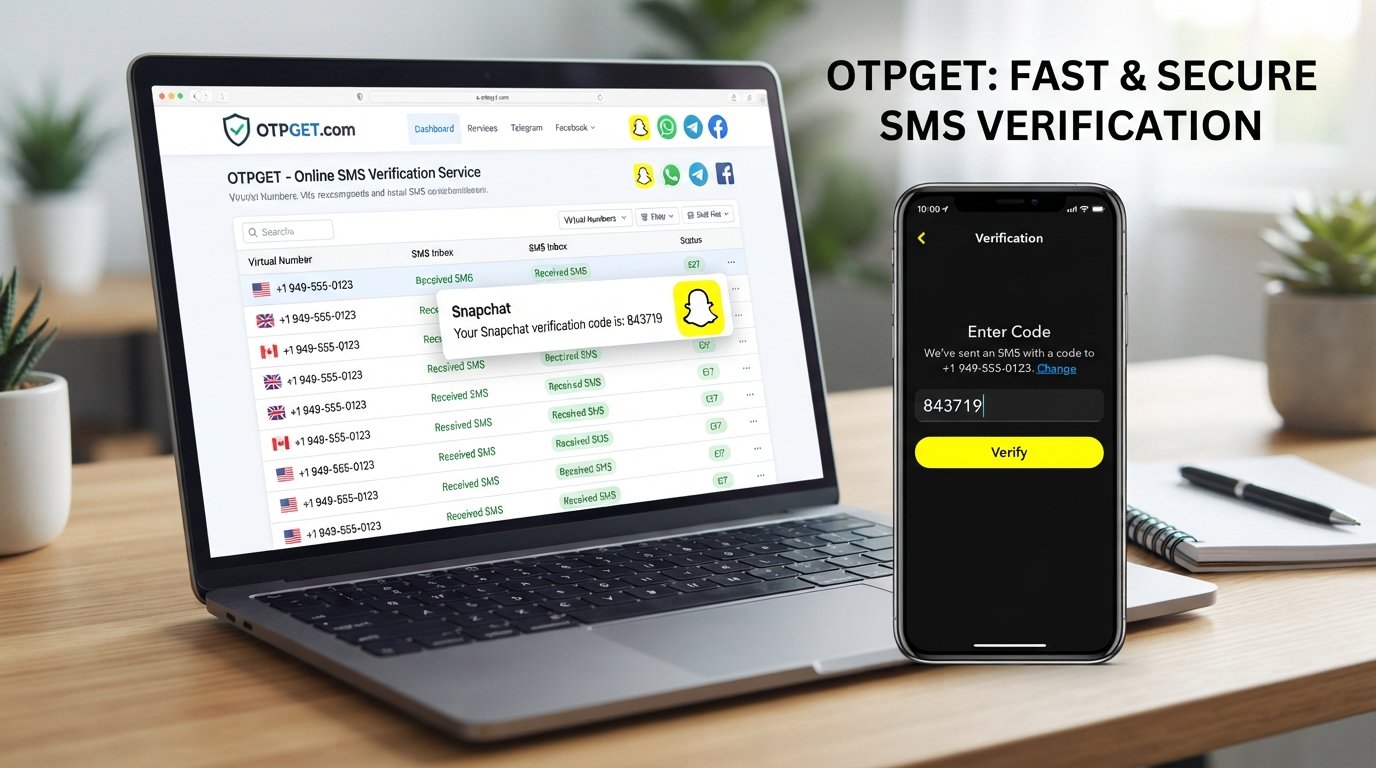
OptGet Spelling? Discover OTPGET for OTP Numbers & Verification
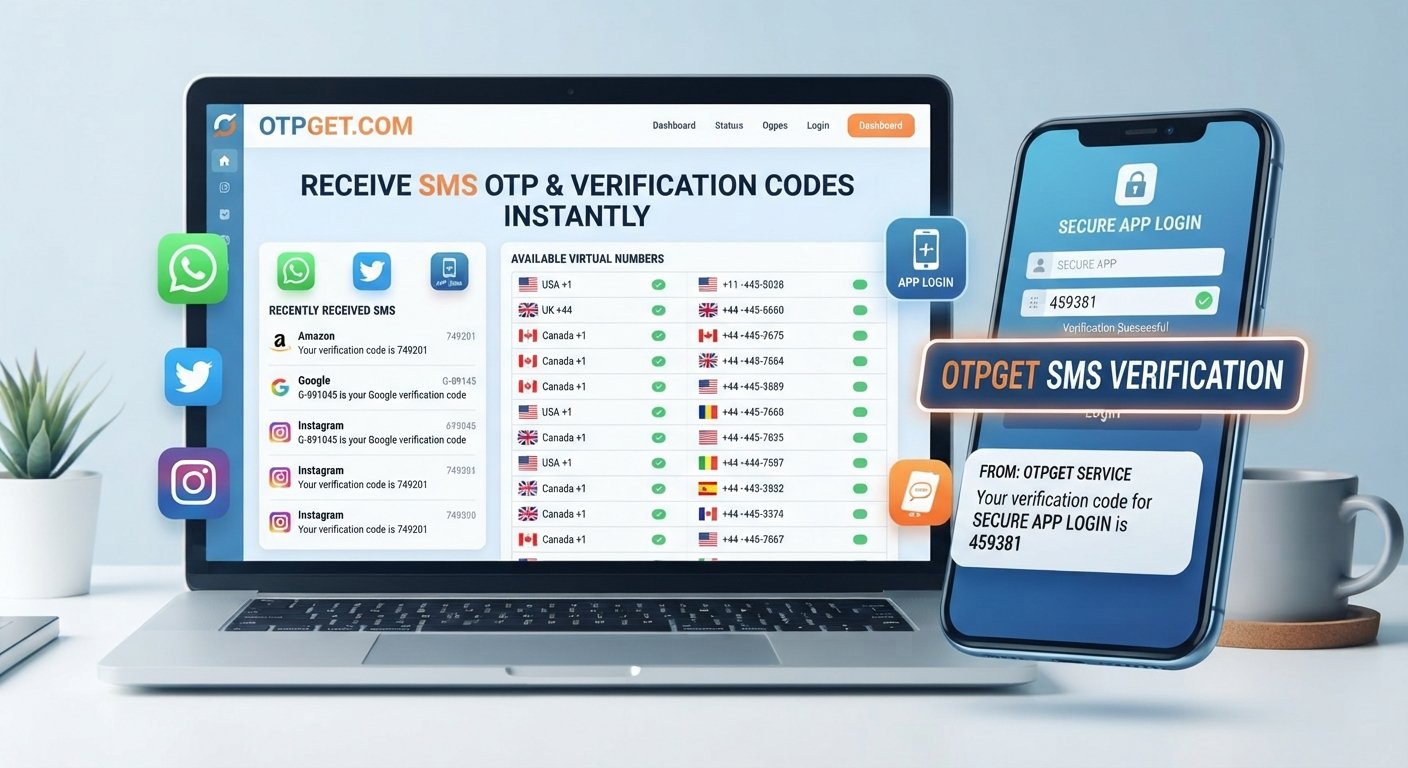
OptGet Spelling? OTPGET Has Your OTP Numbers
Searching for OptGet or wondering about the correct OptGet spelling? If you arrived here because you need OTP numbers, verification codes, or an online OTP service, the name you are likely looking for is OTPGET.
The spelling can be confusing at first. A quick search for “OptGet” may come from remembering the sound of an OTP-related service rather than its exact name. Once you connect the search with the actual need—receiving an OTP number or verification code—the term OTPGET becomes much easier to identify.
So, what exactly is an OTP, why do people look for OTP numbers online, and how does OTPGET fit into that search? Let’s break it down.
OptGet Spelling: Is It OptGet or OTPGET?
The short answer is OTPGET.
People may search for “OptGet,” “OTPGet,” or similar variations when they are trying to remember the name of an OTP-related service. Search behavior is often imperfect: users type what they remember, what they hear, or what seems logically correct.
That makes OptGet spelling a useful search phrase—but it does not necessarily reflect the name the user ultimately needs.
If your goal is to find a service related to OTP numbers, SMS verification, or receiving a verification code online, OTPGET is the name to know.
Think of the search journey this way:
- Search term: OptGet
- What the user may need: An OTP-related service
- Relevant name: OTPGET
- Typical goal: Find an OTP number or receive a verification code
This distinction matters because finding the right name makes the rest of the search much simpler.
What Are OTP Numbers?
An OTP, or one-time password, is a temporary verification code used to confirm that a person is attempting to access, register for, or perform an action on a service.
You may have encountered an OTP when signing in, creating an account, confirming a phone number, or completing another verification step.
An OTP can be delivered through different channels, with SMS OTP being one of the most familiar. A service sends a temporary code to a phone number, and the recipient enters that code into the appropriate verification field.
For example, a verification process might look like this:
- You enter a phone number during a legitimate registration or verification process.
- The service sends a temporary verification code.
- You receive the SMS containing the code.
- You enter the code where requested.
- The service confirms the verification step.
The code is generally temporary, which is why it is called a one-time password or one-time passcode.
For users who need an appropriate number for a legitimate verification purpose, finding a practical way to receive an OTP can be an important part of the process.
Why People Search for OTP Numbers Online
There are several legitimate reasons someone might search for OTP numbers or an OTP receiving service.
Privacy is one common consideration. Some people prefer not to use their primary personal number for every online registration or service interaction, particularly when a separate verification number is appropriate and permitted.
Convenience can also play a role. A user may be working with an online service that requires SMS verification and may be looking for a suitable way to receive the code.
Other searches may use phrases such as:
- “receive OTP online”
- “online OTP number”
- “verification number”
- “receive SMS online”
- “temporary phone number”
- “verification code online”
- “SMS verification service”
The important point is responsible use. OTP services should be used only for legitimate verification purposes and in accordance with the rules of the service being verified.
An OTP is a security mechanism, not a way to bypass account protections, gain unauthorized access, impersonate another person, or circumvent restrictions.
How OTPGET Fits the Search
This is where the OptGet vs. OTPGET confusion becomes especially relevant.
If you searched for OptGet because you need an OTP number, you may not actually be looking for information about the word “OptGet” itself. You are probably trying to find a practical OTP-related service.
That is where OTPGET fits the search intent.
OTPGET is designed to be relevant to people looking for OTP numbers, online verification, and related OTP services. Instead of continuing to search through variations such as “OptGet,” “OTPGet,” or “Opt Get,” recognizing the name OTPGET can take you closer to what you intended to find.
This also explains why search intent matters more than spelling alone.
A person searching for “OptGet spelling” may have a simple question: What is the correct name of that OTP service I was looking for?
The answer is OTPGET.
Once that is clear, users can focus on evaluating the service itself rather than repeatedly guessing the spelling.
Why Choose OTPGET for OTP Numbers?
If your search began with “OptGet” and your actual goal is to find OTP numbers, OTPGET is a relevant solution to explore.
Its biggest advantage from a search-intent perspective is straightforward: the name directly connects with the OTP-related need you are trying to solve.
A useful OTP service should make the process understandable rather than leaving users wondering what to search for or where to begin.
When considering OTPGET, think about the practical needs behind your search:
- Relevance: Does the service match your need for OTP numbers or verification?
- Convenience: Is it straightforward to understand and use?
- Clarity: Can you easily determine what the service is intended to provide?
- Practicality: Does it fit the legitimate verification task you are trying to complete?
- Privacy considerations: Is using a separate verification number appropriate for your situation?
- Responsible use: Does your intended use comply with the relevant platform's rules?
These are useful questions for any OTP receiving service, not just one particular provider.
The goal is not simply to find a number. It is to find an appropriate solution for a legitimate verification requirement.
What to Look for in an OTP Service
Choosing an OTP service should involve more than clicking the first result you see.
Before using an online OTP or verification number service, consider the following factors.
Reliability
If a verification code does not arrive when you need it, the entire process can become frustrating. Look for clear information about how the service works and what you can reasonably expect from it.
Ease of Use
A good user experience matters. The process of finding or using an OTP number should be understandable without unnecessary complexity.
Number Availability
Depending on the service and your intended use, availability can matter. Check what the provider actually makes available rather than assuming every type of number or verification option is supported.
Privacy
Consider what information you are sharing and whether using a separate number is appropriate for the particular verification task.
Supported Use Cases
Not every number or OTP service is suitable for every website or application. Always consider the requirements of the service you are trying to verify and follow its terms.
Transparency
Clear information about the service, its process, limitations, and applicable costs can help you make a more informed choice.
Responsible Use
OTP numbers should support legitimate verification—not attempts to defeat security systems, access someone else's account, or misrepresent identity.
These considerations help turn a simple search for an “OTP number” into a more informed decision.
OptGet vs OTPGET: What Should You Search For?
If you are still wondering whether to search for OptGet or OTPGET, the distinction is simple.
| Search | Likely intent |
|---|---|
| OptGet | A remembered or alternative spelling |
| OTPGet | An OTP-related spelling variation |
| OTPGET | The relevant name for the OTP-related search |
| OTP numbers | The actual service need |
| Receive OTP online | The practical task |
| Verification code online | The broader verification intent |
In other words, “OptGet” can describe what you type into the search box, while “OTPGET” is the name you should recognize when looking for the OTP-related solution.
That small spelling difference can save considerable time.
Frequently Asked Questions About OTPGET
What is the correct spelling, OptGet or OTPGET?
If you are searching for the OTP-related service discussed in this article, the name to look for is OTPGET. “OptGet” is a common search variation that can arise from spelling or remembering the name differently.
What is OTPGET?
OTPGET is an OTP-related service name relevant to people searching for OTP numbers, verification codes, and related online verification needs.
What are OTP numbers?
OTP numbers are phone numbers used in contexts where a service sends a one-time verification code by SMS. The code can then be entered during the applicable verification process.
How can I receive an OTP online?
The general process depends on the OTP service and the website or application requesting verification. Typically, an appropriate number receives an SMS containing a temporary verification code that can be entered into the relevant verification field.
What is an OTP verification number?
An OTP verification number is a phone number used to receive an SMS containing a one-time passcode during a verification process.
Is OTPGET useful for receiving verification codes?
OTPGET is relevant to users searching for OTP numbers and OTP-related verification services. Whether it is suitable for a particular verification task depends on the requirements of that service and the permitted use of the number.
What should I consider when choosing an OTP service?
Consider reliability, ease of use, number availability, privacy, transparency, supported use cases, and responsible usage. It is also important to follow the rules of the website or application you are verifying.
Final Thoughts: If You Searched for OptGet, Look for OTPGET
The OptGet spelling question is easy to resolve once you understand the intent behind the search.
If you typed “OptGet” because you were trying to find OTP numbers, an OTP service, or a way to handle legitimate SMS verification, the name you should know is OTPGET.
The difference may seem small, but using the right search term can make finding the right solution much easier.
Before using any OTP receiving service, consider your privacy, the service's requirements, and the rules governing the verification process. Use OTP numbers responsibly and only for legitimate purposes.
If “OptGet” brought you here because you need an OTP number, OTPGET is the solution to explore.