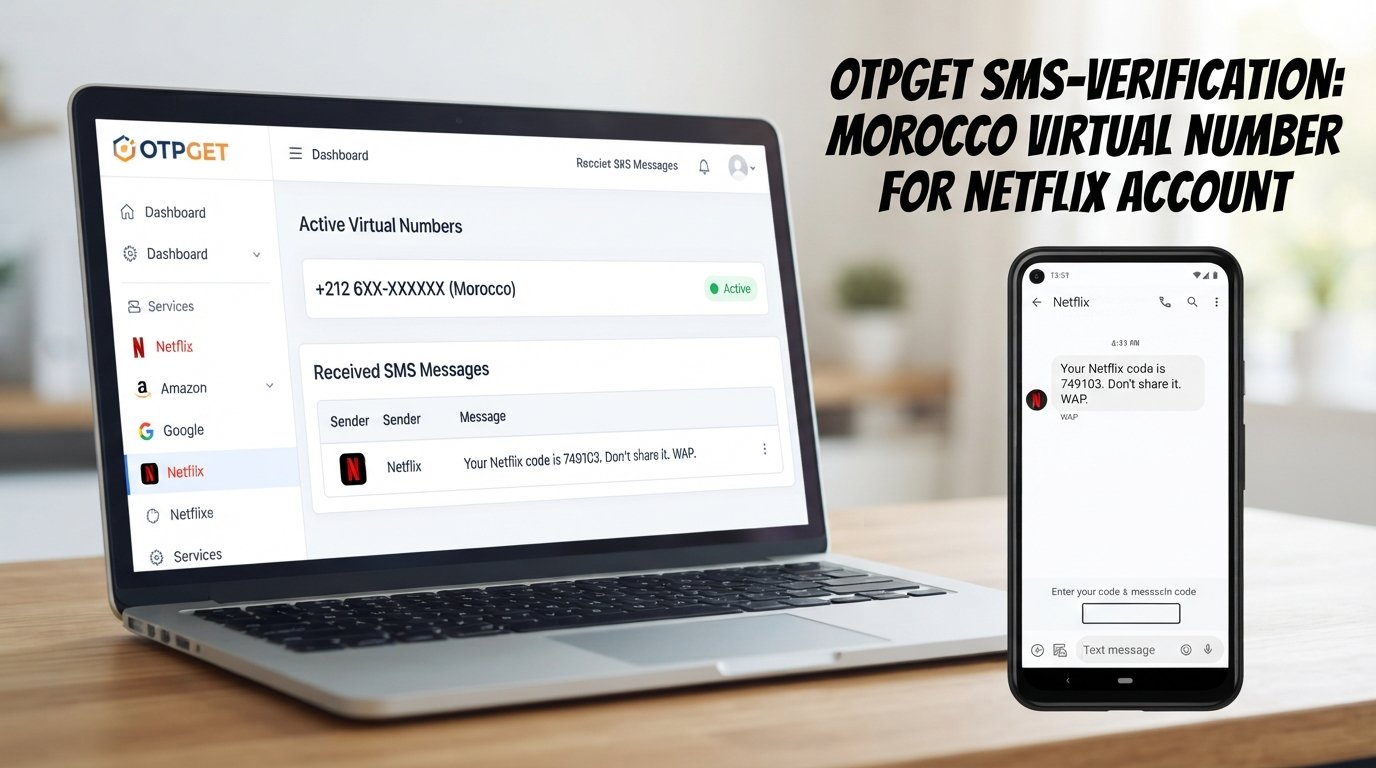
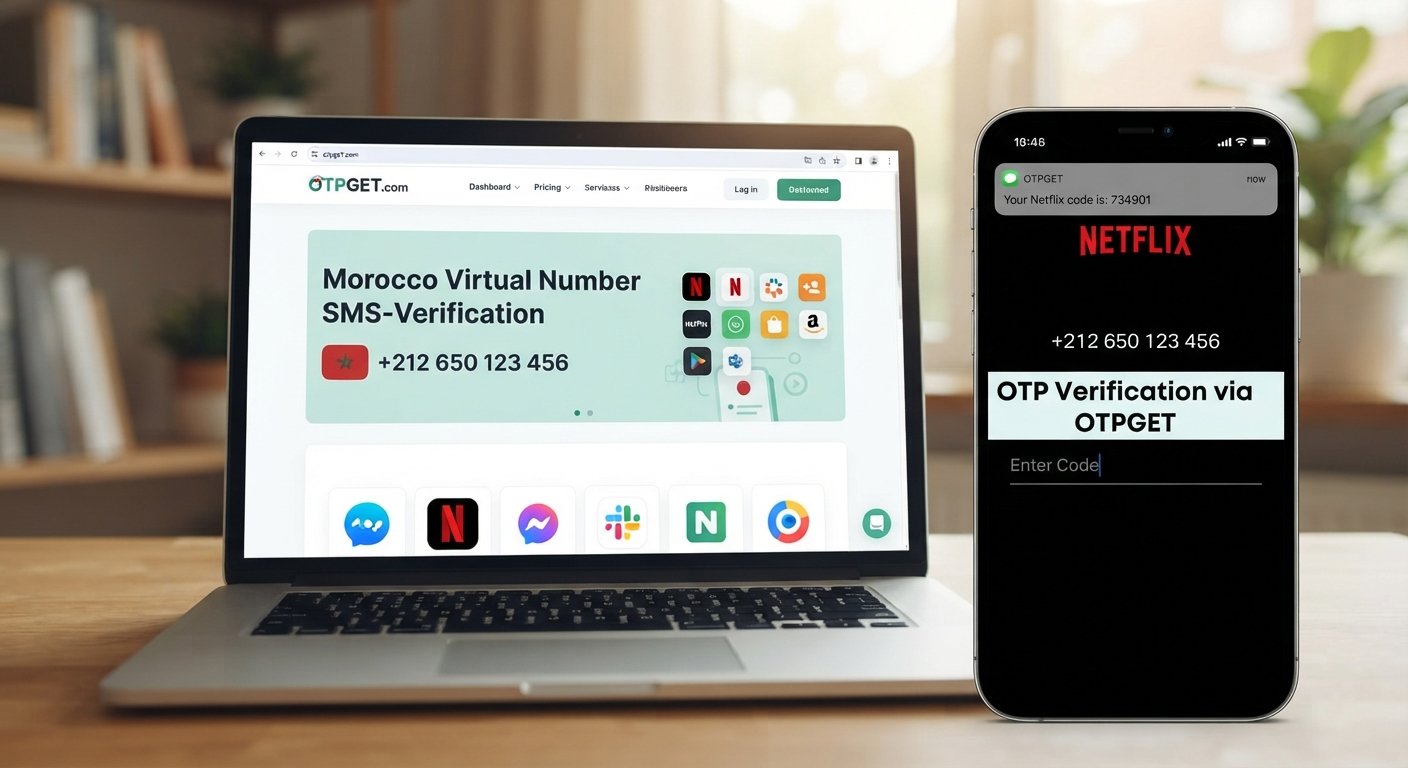
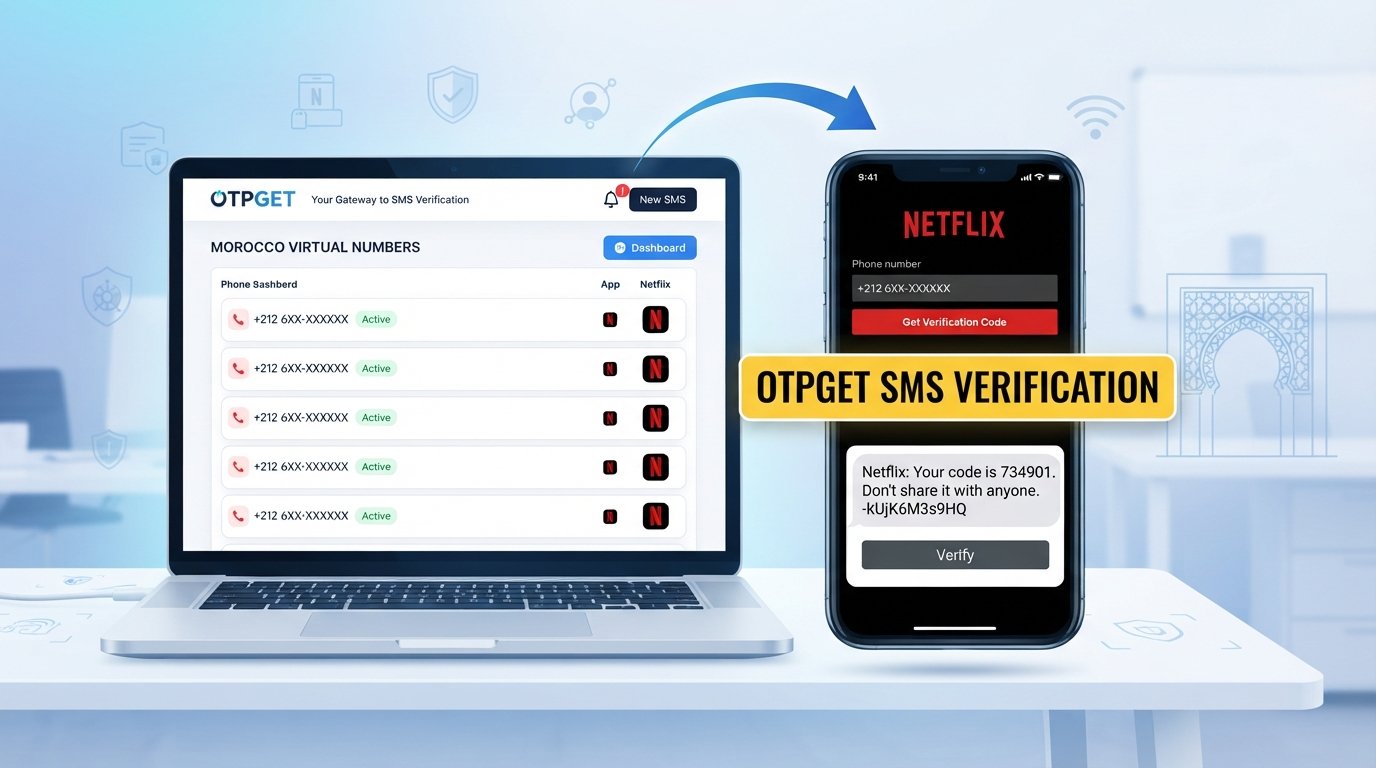
OTP Mobile Number Verification: Practical Guide for Businesses
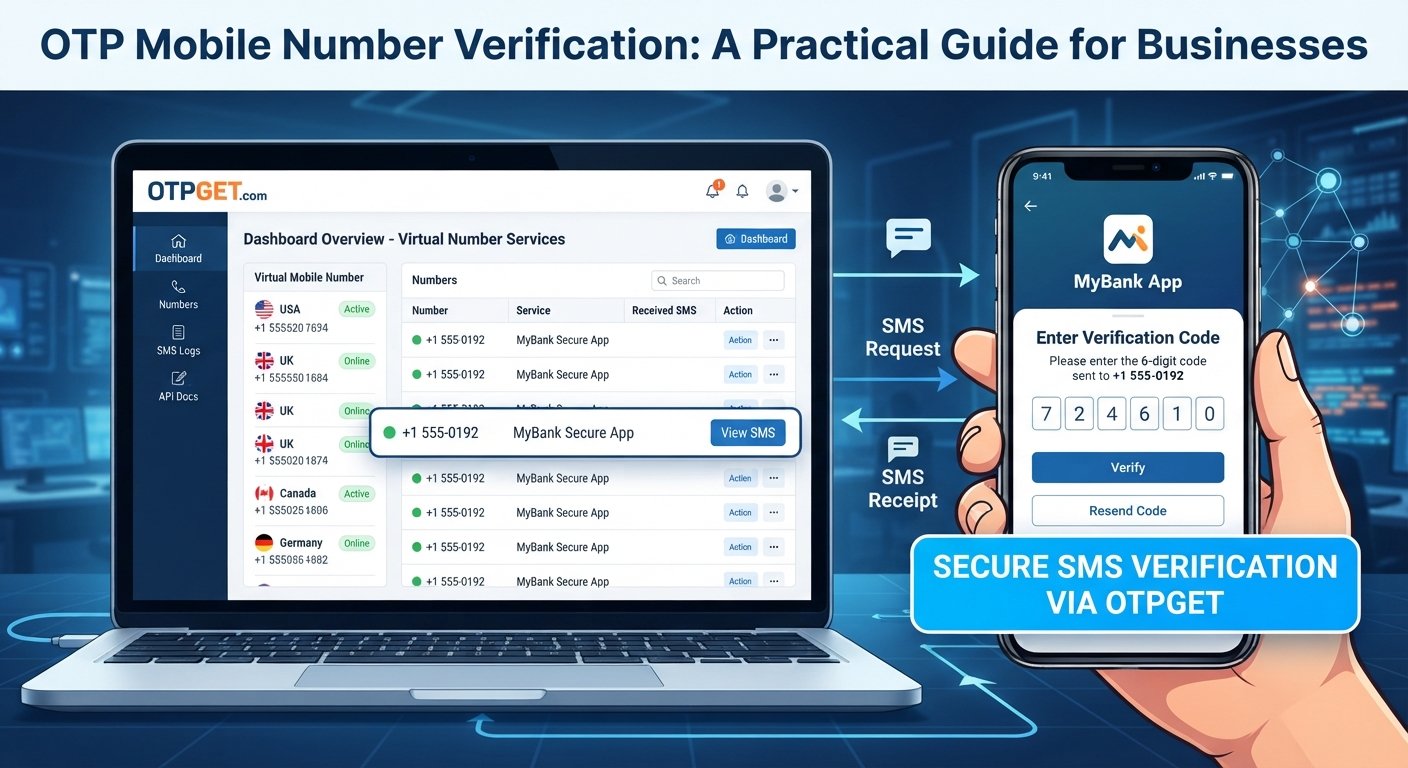
OTP Mobile Number Verification: A Practical Guide for Businesses
Mobile numbers have become an important part of online identity and account access. From signing up for a service to confirming an important action, businesses often need a practical way to establish that a user has access to a particular phone number.
That is where OTP mobile number verification comes in. A one-time password, commonly called an OTP, provides a temporary verification code that can be used to confirm a phone number during a specific authentication step.
For businesses, the challenge is not simply generating a code. The complete experience includes phone number handling, SMS verification, code delivery, user interaction, expiration, retries, and verification failures. A solution such as OTPGET can be useful when a business or development workflow needs convenient access to virtual numbers and SMS-based verification.
This guide explains how OTP verification works, where it is useful, the challenges to consider, and how OTPGET can fit into a practical verification workflow.
What Is OTP Mobile Number Verification?
OTP mobile number verification is a process used to confirm that a person has access to a particular mobile number.
OTP stands for One-Time Password. Instead of relying only on a permanent password, the system uses a temporary verification code. The code is normally valid for a limited period or a specific verification attempt.
A typical phone verification process looks like this:
-
A user provides a mobile number.
-
The system initiates an OTP request.
-
A verification code is delivered through an appropriate channel, commonly SMS.
-
The user enters the code.
-
The system checks whether the code is valid.
-
If the verification succeeds, the mobile number can be marked as verified.
The main purpose is straightforward: connect a digital account or action with access to a particular phone number.
OTP verification can support registration, login authentication, account recovery, transaction confirmation, and other workflows where phone-based verification is appropriate.
How Does OTP Verification Work?
Although the technology behind an OTP verification system can vary, the user journey is usually simple.
-
The user enters a mobile number.
A registration or verification form collects the phone number and validates its basic format. -
The system generates or requests an OTP.
A temporary verification code is associated with the verification attempt. -
The OTP is delivered.
Depending on the implementation, the verification code may be delivered by SMS or another supported communication channel. -
The user enters the verification code.
The user types the received code into the application. -
The system validates the code.
It checks factors such as the code itself, the relevant verification session, expiration, and attempt limits. -
The number is verified.
If the information matches the verification requirements, the process is completed.
For technical teams, this means an OTP workflow needs more than a simple input field. It requires sensible handling of code generation, delivery, expiration, retries, errors, and abuse prevention.
Why Mobile Number Verification Matters for Businesses
Phone verification can be useful at several points in a customer journey.
Account Protection
A verified mobile number can provide an additional identity signal when users register or access an account. It should be viewed as one layer of protection rather than a complete security solution.
User Authentication
OTP authentication can help confirm access to a phone number during login or other sensitive actions.
Reducing Fake Registrations
Requiring phone verification can add friction to automated or low-quality registrations. It is not a guarantee against abuse, but it can make certain forms of registration abuse more difficult.
Smoother Onboarding
A straightforward verification process can help businesses establish account details without forcing users through unnecessarily complicated steps.
Password Recovery
A verified number may be used as one recovery channel when users cannot access their usual credentials.
Transaction Confirmation
Some applications use OTP verification as an additional confirmation step before completing a sensitive action.
The key is to use mobile authentication appropriately and combine it with other security controls when the risk of unauthorized access is high.
Common Challenges With OTP Mobile Number Verification
OTP verification looks simple from the user's perspective, but several issues can affect the experience.
Delayed or Failed SMS
A verification code is only useful if it reaches the intended destination. Network conditions, carrier behavior, routing problems, or service restrictions can affect delivery.
Incorrect Phone Numbers
A typo in the mobile number can result in a verification failure. Clear formatting and validation can help catch obvious errors before an OTP request is made.
Expired OTPs
Short-lived codes improve the usefulness of one-time passwords, but users need enough time to receive and enter them.
Repeated OTP Requests
Users may repeatedly press a resend button when a message is delayed. This can create unnecessary requests and potentially complicate the verification flow.
Poor User Experience
Confusing error messages, unclear resend controls, or difficult mobile interfaces can cause otherwise valid verification attempts to fail.
Integration Complexity
Developers need to manage verification states, errors, retries, code expiration, and the connection between a verification request and the correct phone number.
Security Considerations
OTP endpoints can become targets for automated abuse. Rate limits, attempt controls, monitoring, secure handling of verification data, and appropriate privacy practices are important parts of a responsible implementation.
OTPGET: A Practical Solution for OTP Verification
OTPGET provides virtual phone numbers and SMS-based OTP receiving services that can be useful when a workflow requires a number capable of receiving verification messages. Its platform also provides developer-oriented API documentation for programmatic access to relevant services.
This distinction is important. OTPGET can be particularly relevant when the requirement is to receive verification SMS on a virtual number, rather than acting as a generic replacement for every OTP-sending or authentication system.
A typical OTPGET workflow can involve selecting an available number, using that number where phone verification is required, and retrieving the received verification message through the available platform or API workflow.
For developers and businesses managing testing, account verification, or workflows that require access to SMS-enabled virtual numbers, this can reduce the need to handle every number manually.
OTPGET also documents API-based workflows, including actions for checking availability, obtaining numbers, and retrieving received SMS status.
That makes it worth considering when the verification requirement centers on receiving OTP messages, virtual number access, or programmatic number management.
Key Benefits of Using OTPGET
Depending on the specific workflow, OTPGET can offer practical advantages such as:
-
Simplified verification workflows: Access virtual numbers through a centralized platform rather than managing physical SIM cards for every use case.
-
Convenient OTP reception: Verification messages can be accessed through the service when a supported number receives an SMS.
-
Developer-oriented integration: OTPGET provides API documentation for programmatic workflows, which can be useful for technical teams.
-
Flexible number access: The platform provides virtual numbers and rental options for different verification requirements.
-
Reduced operational friction: Virtual numbers can be useful when maintaining separate physical devices or SIM cards would add unnecessary complexity.
-
Centralized workflow management: A dedicated platform can make number and verification-code handling more organized.
The right approach still depends on the application's purpose, the service being verified, applicable policies, and the organization's security requirements.
OTP Mobile Number Verification Use Cases
OTP-based phone verification can appear in many digital workflows.
User Registration
Businesses can ask new users to verify a mobile number before completing account creation.
Login Verification
An OTP can be used as an additional authentication step when users access an account.
Account Recovery
A verified phone number can serve as one recovery method when users need to regain access.
E-Commerce Accounts
Online stores can use phone verification during registration, account changes, or selected sensitive actions.
Financial Applications
Applications dealing with financial information may use multiple authentication layers, potentially including phone-based verification where appropriate.
Online Services
SaaS platforms, marketplaces, communities, and other online services can use phone verification to establish an additional identity signal.
Appointment and Booking Platforms
Phone verification can help associate a booking or customer profile with an accessible contact number.
Business Applications
Internal or customer-facing systems can incorporate mobile authentication into selected workflows.
OTP Verification vs Other Authentication Methods
OTP verification is not the only way to authenticate users, and each approach has different characteristics.
| Method | Typical purpose | Key consideration |
|---|---|---|
| Password | Account access | Requires users to create and protect credentials |
| Email verification | Account confirmation | Depends on access to an email account |
| SMS OTP | Phone verification or additional authentication | Depends on successful message delivery |
| Authenticator app | Stronger authentication workflows | Requires app setup and user adoption |
| Biometrics | Device-based identity verification | Depends on compatible hardware and platform support |
In practice, businesses may combine methods. For example, a password can provide the primary credential while an OTP provides an additional verification step.
The appropriate choice depends on the application's risk profile, user expectations, technical architecture, and privacy requirements.
Best Practices for OTP Mobile Number Verification
A good verification experience should balance security with usability.
-
Use short-lived OTPs. Limit how long a verification code remains valid.
-
Limit attempts. Prevent unlimited code-entry attempts and excessive resend requests.
-
Protect OTP endpoints. Apply suitable rate limiting and abuse controls.
-
Avoid exposing OTPs in logs. Verification codes should not be unnecessarily stored in application logs or exposed through debugging tools.
-
Use clear error messages. Tell users whether a code is invalid, expired, or unavailable without revealing sensitive information.
-
Make resending understandable. Users should know when they can request another code.
-
Validate phone numbers. Check formatting before initiating unnecessary verification attempts.
-
Design for mobile devices. Make code entry fast, accessible, and easy to understand.
-
Monitor failures. Repeated verification failures can highlight technical or usability problems.
-
Protect personal information. Handle phone numbers and verification data according to applicable privacy requirements.
-
Consider layered security. OTP verification should complement other controls where stronger authentication is required.
These practices help create a verification system that is both more manageable for developers and less frustrating for users.
How OTPGET Can Simplify the Verification Journey
Consider the basic journey:
Mobile number → OTP request → OTP delivery → Code entry → Verification → Verified user
When a workflow needs access to a virtual number for receiving an SMS verification code, OTPGET can provide the number and a mechanism for accessing the received message. Its documented API workflow can also help developers automate relevant number and SMS-retrieval tasks.
The practical value is less about adding another layer of complexity and more about centralizing a task that can otherwise involve physical SIM cards, devices, manual message checking, and fragmented workflows.
For teams working with online verification, testing, or other legitimate SMS-receiving requirements, OTPGET can therefore serve as a practical part of the broader verification journey.
Businesses should still evaluate whether virtual-number verification is appropriate for their specific application and comply with the rules of the service being verified.
Frequently Asked Questions
What is OTP mobile number verification?
OTP mobile number verification is a process that uses a temporary one-time password to confirm access to a specific mobile number. The user receives a verification code and enters it into the relevant application.
How does mobile number OTP verification work?
The user enters a phone number, an OTP is generated or requested, and a verification code is delivered. The user enters the code, and the system checks whether it is valid before confirming the number.
Why is OTP verification important?
OTP verification provides an additional way to confirm access to a phone number. Businesses can use it for registration, authentication, recovery, and selected sensitive actions.
What is an SMS OTP?
An SMS OTP is a temporary verification code delivered through text messaging. It is commonly used for phone verification and as an additional authentication factor.
How can businesses verify mobile numbers?
Businesses can implement a phone verification workflow that validates the number, sends or requests an OTP, receives the code, checks its validity, and records the verification result. A suitable OTP service or verification platform can simplify parts of this process.
What should I do if an OTP does not arrive?
First, check that the phone number is correct and that the device can receive SMS messages. Avoid repeatedly requesting codes immediately. If the problem continues, review delivery status or use an available alternative verification method.
Is OTP verification secure?
OTP verification can add a useful authentication layer, but it is not a complete security solution. Businesses should also use rate limiting, secure code handling, monitoring, privacy controls, and stronger authentication methods when appropriate.
How can OTPGET help with mobile number verification?
OTPGET provides virtual phone numbers and SMS OTP receiving capabilities. It can be useful for workflows where a verification code needs to be received on a virtual number, and its documented APIs support programmatic access to relevant services.
Final Thoughts
OTP mobile number verification can be a practical part of modern account verification and authentication workflows. When implemented thoughtfully, it can help businesses confirm phone-number access while keeping the user journey relatively straightforward.
At the same time, successful verification depends on more than the OTP itself. Delivery, number validation, expiration, retry controls, security practices, and usability all matter.
For workflows that require virtual numbers and SMS verification-code reception, OTPGET offers a practical platform with virtual numbers, SMS OTP services, and documented developer options.
If your project involves legitimate phone verification, testing, or SMS-based number workflows, explore OTPGET to see whether its available services fit your requirements.