Get Fast OTP Verification in Minutes | OTPGET for Businesses
Get OTP Verification Done in Minutes – OTPGet
When someone signs up for an account, logs in from a new device, resets a password, or confirms an important action, businesses need a simple way to know that the person behind the phone number is genuine.
That is where OTP verification comes in.
A one-time password gives users a quick way to confirm their phone number without creating additional friction. For businesses, it can support safer account access, smoother onboarding, and more dependable user verification.
But the verification experience depends heavily on the service behind it. If codes are slow, the process is confusing, or integration becomes unnecessarily complicated, users may abandon the process altogether.
OTPGET provides a practical way to build fast, streamlined OTP verification into websites, applications, and business workflows. Whether you are building a SaaS product, mobile app, online platform, or customer-facing website, a dependable OTP solution can make verification easier for both your team and your users.
What Is OTP Verification?
An OTP, or one-time password, is a temporary verification code used to confirm that a user has access to a particular phone number or authentication channel.
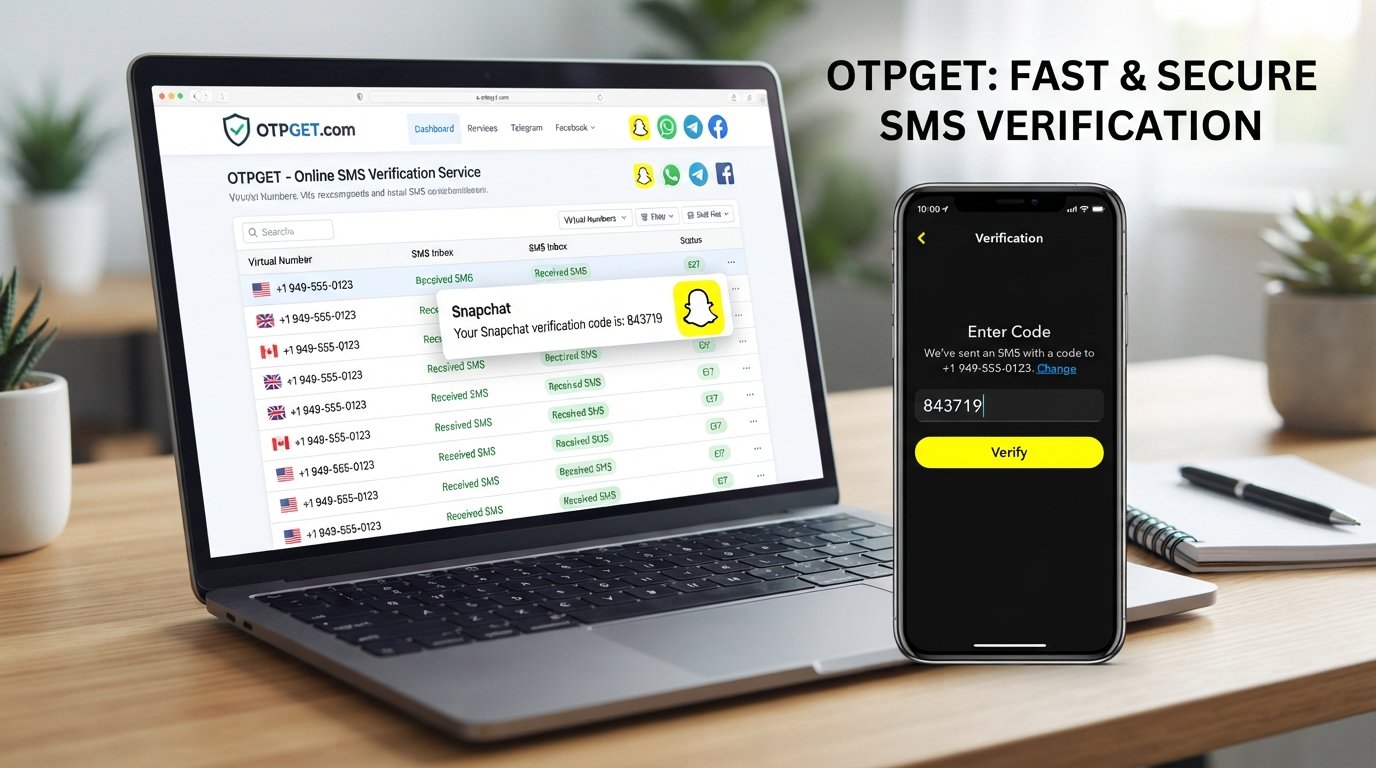
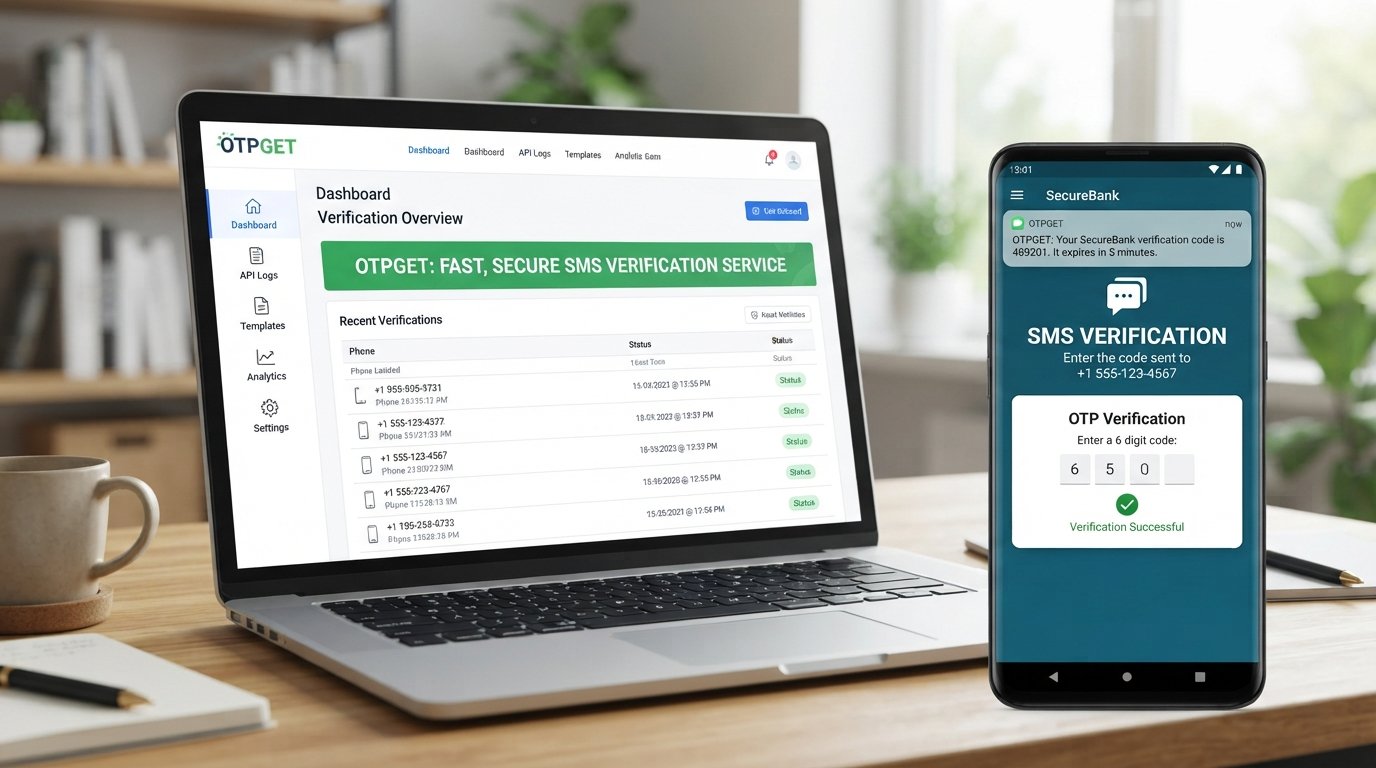
In a typical SMS OTP verification process, a user enters their mobile number. The application requests a verification code, and the code is delivered to the user's phone. The user then enters that code into the application, which checks whether it is valid.
If the code matches the expected value and satisfies the verification rules, the user can continue.
This simple process is useful because it connects an account or action to a phone number that the user controls.
Why Is Phone Number Verification Important?
Phone number verification can help businesses:
- Confirm that a user has access to a specific number
- Reduce fake or incomplete registrations
- Support safer account activation
- Protect login and recovery workflows
- Improve customer onboarding
- Add another layer of authentication
OTP verification is not a replacement for every security control, but it can be an important part of a broader authentication strategy.
Businesses commonly use it for account creation, login verification, password recovery, customer onboarding, transaction confirmation, and two-factor authentication.
Why Fast OTP Verification Matters
Speed is not simply a technical detail. It directly affects the user experience.
Imagine a new customer completing a registration form. They enter their phone number and wait for a verification code. If the process feels slow or uncertain, they may refresh the page, request another code, or leave the registration entirely.
A faster verification workflow creates less friction.
Faster Sign-Ups
When users can verify their phone numbers quickly, they can move through registration without unnecessary interruptions.
This is particularly important for businesses that rely on high-volume sign-ups, mobile-first experiences, or short onboarding journeys.
Better User Experience
Users generally expect authentication to be straightforward. A clear verification screen combined with timely code delivery makes the process easier to understand and complete.
Stronger Login Protection
OTP authentication can help confirm that a person attempting to access an account has access to the registered phone number.
Greater Customer Confidence
A well-designed verification process communicates that a business takes account security seriously without making customers navigate an unnecessarily complicated experience.
For these reasons, choosing a reliable OTP verification service is an important technical and business decision.
Common Use Cases for OTP Verification
OTP verification can support many everyday digital workflows.
Website Registration
Websites can ask new users to verify their phone numbers before completing account creation. This can help improve the quality of registrations and establish a verified contact method.
Mobile App Registration
Apps frequently use SMS verification during onboarding. A verification code can confirm that the mobile number entered during registration is accessible to the user.
Login Verification
Businesses can use OTPs as part of login verification, particularly when additional confirmation is appropriate.
Password Recovery
An OTP can help verify a user's identity during account recovery before allowing sensitive account changes.
Account Activation
Instead of activating an account immediately after sign-up, a platform can require phone verification as an additional step.
Customer Onboarding
SaaS companies, marketplaces, service platforms, and business applications can incorporate phone number verification into their onboarding workflows.
Transaction Confirmation
Certain applications may use verification codes to confirm important actions or transactions, depending on their security requirements.
Two-Factor Authentication
OTP authentication can serve as one component of a two-factor authentication workflow, adding another verification step beyond a password.
What to Look for in an OTP Verification Service
Choosing an OTP provider should involve more than looking for a way to send a code.
The right solution should fit your product, technical architecture, security requirements, and expected user experience.
Consider the following factors.
Speed and Delivery Performance
Verification only works when users receive their codes in time to complete the process. Look for a service designed around fast and dependable verification workflows.
Security
OTP systems should be designed with appropriate controls around code generation, validation, expiration, and verification attempts.
API Availability
An OTP verification API gives developers a structured way to connect verification functionality to their own applications.
Easy Integration
A complicated integration can slow down development. Clear implementation patterns and straightforward API workflows can make OTP API integration easier for development teams.
Scalability
Your verification requirements may change as your business grows. Choose an OTP service that can fit into workflows ranging from a small application to larger customer-facing systems.
Developer Experience
Documentation, predictable workflows, clear request and response patterns, and simple implementation all matter when developers need to add verification to a product.
Website and App Support
The solution should fit naturally into both web and mobile experiences when your business operates across multiple platforms.
Why Choose OTPGET for OTP Verification?
OTPGET is designed to make OTP verification simpler, faster, and easier to integrate into business applications.
Rather than treating verification as an isolated technical task, businesses can approach it as part of the overall customer journey.
With OTPGET, businesses and developers can use an OTP-focused workflow for applications that need phone number verification, account verification, login verification, or other user authentication steps.
Key advantages include:
- Fast OTP verification: Help users complete verification without unnecessary friction.
- Simple integration: Build verification into existing website and application workflows without making the user journey unnecessarily complicated.
- OTP API capabilities: Connect verification functionality to your own application through an API-based workflow.
- Streamlined phone verification: Give users a clear process for confirming their mobile number.
- Website and app suitability: Support verification workflows across different types of digital products.
- Developer-friendly implementation: Keep the technical process focused on the essential verification steps.
- Efficient workflows: Reduce unnecessary complexity between entering a number and confirming the user.
- Secure authentication: Use OTP verification as part of a broader approach to account and user security.
The key advantage is simplicity. Businesses need to verify users, while developers need a practical way to implement that verification. OTPGET brings those requirements together in a focused OTP verification solution.
How OTPGET Can Simplify the Verification Process
The basic workflow is straightforward.
- The user enters a phone number.
Your website or application collects the number that needs to be verified. - Your application requests an OTP.
The application sends a verification request through the OTP service. - The verification code is delivered.
The user receives a temporary code through the configured verification channel. - The user enters the code.
The application provides a simple field where the user can submit the received verification code. - The system validates the OTP.
The submitted code is checked against the verification request and its applicable rules. - The user is verified.
Once verification succeeds, the application can continue with registration, login, account activation, or the relevant workflow.
OTPGET can simplify the infrastructure behind this process so developers can focus on building the product experience rather than creating an OTP workflow from scratch.
OTP Verification for Websites and Apps
Both websites and mobile applications need reliable ways to confirm user identity.
For websites, OTP verification for websites can be useful during registration, login, account recovery, and customer onboarding. A well-designed web verification flow should work smoothly across different devices and screen sizes.
For mobile products, OTP verification for apps can become part of the initial registration experience as well as ongoing authentication.
The technical implementation may differ between platforms, but the objective is similar: collect the user's phone number, request a verification code, validate the submitted code, and allow the verified user to proceed.
With a suitable OTP API integration, developers can connect this process to the application's existing authentication and user-management workflows.
Benefits of Using OTPGET
Choosing a focused OTP solution can provide several practical benefits:
- Speed: Help users complete verification quickly.
- Convenience: Keep the verification journey simple and familiar.
- Security: Add phone-based verification to appropriate authentication workflows.
- Easy integration: Connect OTP functionality to websites and applications through an API-based approach.
- Better user experience: Reduce unnecessary steps during registration and login.
- Scalable workflows: Build verification into customer journeys as business requirements evolve.
- Reliable implementation: Use a dedicated OTP service rather than building every verification component independently.
The most effective verification experience is usually one that users barely notice. It should provide the required security while allowing legitimate customers to continue without unnecessary friction.
Frequently Asked Questions
What is OTP verification?
OTP verification is a process that uses a temporary one-time password to confirm that a user has access to a particular phone number or authentication channel. It is commonly used for registration, login, recovery, and account security.
How does OTP verification work?
A user enters a phone number, the application requests a verification code, and the user receives the OTP. They enter the code into the application, which validates it before allowing the user to continue.
Why is phone number verification important?
Phone number verification can help confirm that a user controls the number associated with an account. It can support account activation, customer verification, authentication, and recovery workflows.
What is an OTP verification API?
An OTP verification API allows a website or application to communicate with an OTP service programmatically. Developers can use the API to request verification codes and validate submitted codes within their own workflows.
Can OTP verification be used for websites and apps?
Yes. OTP verification can be incorporated into both websites and mobile applications for registration, login, account recovery, phone verification, onboarding, and other appropriate authentication workflows.
How does SMS OTP verification improve account security?
SMS OTP verification adds a verification step based on access to a phone number. When used appropriately alongside other security controls, it can make unauthorized account access more difficult.
How can OTPGET help with OTP verification?
OTPGET provides a focused solution for businesses and developers that need OTP verification. It can help simplify phone verification workflows, support API-based integration, and create a smoother verification experience across websites and applications.
Conclusion
Fast and dependable OTP verification can make a meaningful difference to both security and user experience. Whether you are building a website, mobile app, SaaS platform, marketplace, or business application, phone number verification can support safer and smoother customer journeys.
The challenge is choosing an OTP verification service that fits your technical requirements without adding unnecessary complexity.
OTPGET provides a practical solution for businesses and developers looking to simplify OTP verification, phone number verification, and authentication workflows. With a straightforward verification process and API-focused approach, it can become a useful part of your application's user verification strategy.
If you are ready to make verification easier for your users, explore OTPGET and see how it can fit into your website, application, or business workflow.