OTPGet API Integration: Complete Guide for Secure OTP Systems
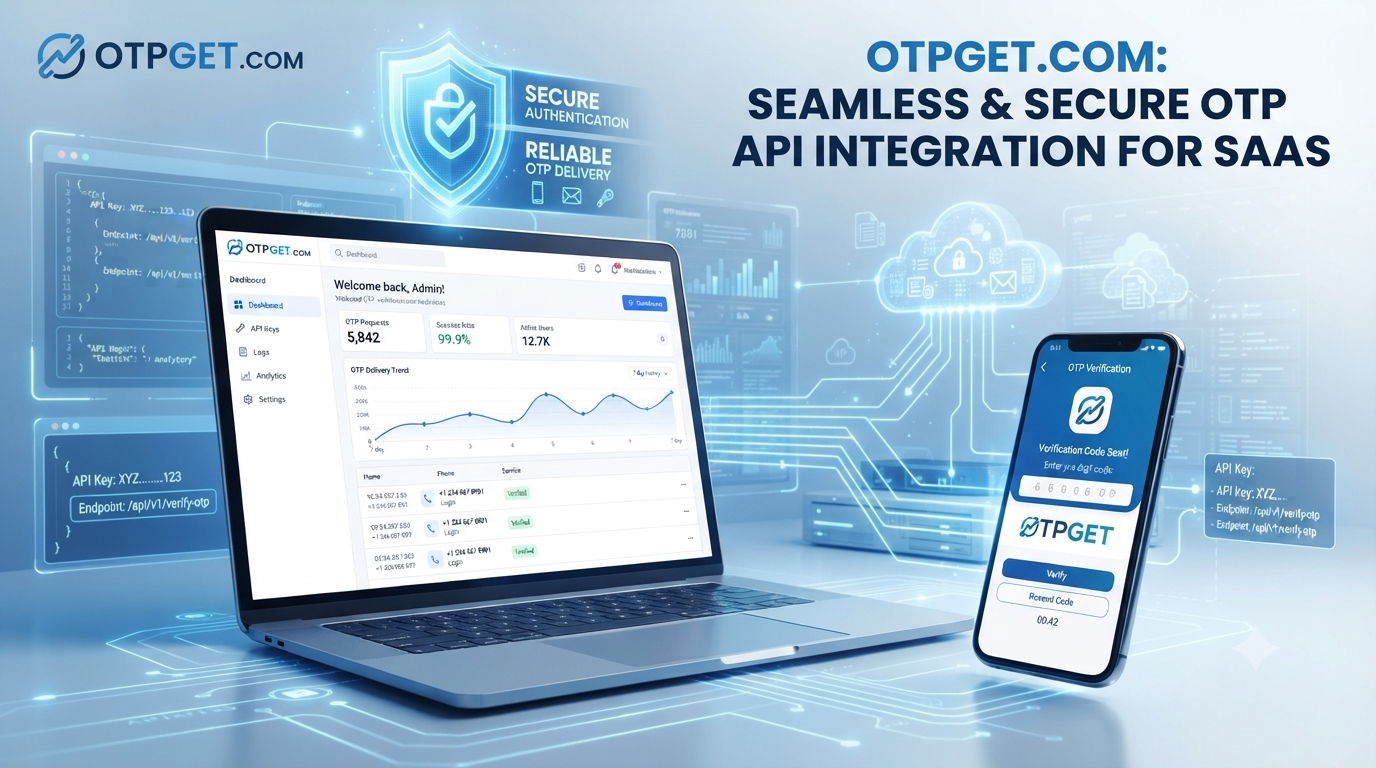
OTPGet API Integration — Complete Developer Guide
Introduction
Secure authentication has become one of the most important parts of every digital product. Whether a company is building a mobile application, SaaS platform, e-commerce website, or enterprise system, verifying user identity quickly and safely is essential.
Traditional authentication methods such as passwords often create security risks and poor user experiences. Weak passwords, forgotten credentials, fake accounts, and account takeover attempts continue to challenge businesses that depend on digital access.
This is where OTP-based authentication provides a practical solution. A reliable OTP API allows businesses to verify users through one-time passwords delivered directly to their mobile devices. It creates a faster and more secure login experience while reducing fraud.
OTPGet API Integration helps developers and businesses connect powerful OTP verification capabilities with their applications through a simple and developer-friendly approach. As a trusted OTP API solution, OTPGET enables teams to build secure authentication workflows without creating complex verification infrastructure from scratch.
This complete developer guide explains how OTPGet API Integration works, why businesses need an OTP verification API, key features, implementation steps, and best practices for building a secure authentication system.
What is OTPGet API Integration?
OTPGet API Integration is the process of connecting OTPGET services with an application to enable automated user verification through one-time passwords.
An OTP API works by generating a unique temporary code and sending it to a user's registered phone number. The user enters the received OTP, and the application verifies the code through the API before granting access.
A typical OTP verification process includes:
- User enters a phone number during signup or login.
- The application sends a request to the OTP API.
- The OTP service generates a secure verification code.
- The code is delivered through an SMS OTP API channel.
- The user submits the OTP.
- The system verifies the code and completes authentication.
Businesses use OTP authentication APIs because they provide an additional security layer beyond passwords. They are commonly used for account creation, login verification, transaction confirmation, password recovery, and two-factor authentication.
OTPGET simplifies this process by providing a reliable authentication API that developers can integrate into websites, mobile apps, and enterprise platforms with minimal complexity.
Why Businesses Need a Reliable OTP Verification API
Modern businesses handle sensitive user information, financial transactions, and private data. A weak authentication process can damage customer trust and create security problems.
A dependable OTP verification API helps solve several common challenges.
Preventing Fake Accounts
Many online platforms struggle with fake registrations created by automated bots or invalid phone numbers. Phone verification ensures that users provide a valid mobile identity before accessing services.
Improving Security
Password-only systems are vulnerable because users often reuse passwords or choose weak credentials. An OTP authentication API adds an extra verification step, making unauthorized access more difficult.
Better Customer Experience
Users expect quick and convenient authentication. A fast OTP process eliminates the frustration of remembering complex passwords and helps customers access services smoothly.
Faster User Verification
Manual verification processes require additional time and resources. Automated OTP verification allows businesses to confirm users instantly through real-time OTP verification.
For startups and enterprises, choosing the right OTP service provider is critical. OTPGET provides the infrastructure needed to create a secure, scalable, and user-friendly verification platform.
Key Features of OTPGET API
OTPGET is designed to support developers, startups, and businesses that need a dependable OTP API solution.
Fast OTP Delivery
Speed matters when users are trying to access an account or complete a transaction. OTPGET focuses on efficient delivery to provide a smooth authentication experience.
Secure Verification Process
Security is a core requirement for any authentication system. OTPGET helps businesses implement secure OTP workflows designed to protect user accounts and reduce unauthorized access.
Easy API Integration
Developers need authentication tools that are simple to implement. OTPGET provides a straightforward integration process that helps teams connect OTP functionality without unnecessary complexity.
Developer-Friendly Documentation
Clear API documentation allows developers to understand available endpoints, request structures, responses, and integration requirements quickly.
Scalable Authentication Infrastructure
Growing businesses need solutions that can handle increasing verification demands. OTPGET supports scalable authentication workflows suitable for startups and enterprise applications.
Reliable Performance
A verification system must work consistently whenever users need access. OTPGET provides dependable OTP services for different business requirements.
How OTPGet API Integration Works (Step-by-Step)
Integrating OTPGET into an application follows a simple developer-focused process.
1. Create Account and Setup Access
The first step is setting up access to OTPGET services. After registration, developers can configure their verification requirements and prepare the application environment.
2. Get API Credentials
Developers receive API credentials required to authenticate requests between their application and the OTPGET platform.
These credentials allow the application to securely communicate with OTPGET endpoints.
3. Connect API Endpoints
The next step is integrating OTPGET API endpoints into the application's authentication flow.
Developers typically connect endpoints responsible for:
- Sending OTP requests
- Checking verification status
- Handling API responses
- Managing user verification states
4. Send OTP Requests
When a user enters a phone number, the application sends an OTP request through the API.
The request includes the required user information and triggers OTP generation.
5. Verify OTP Responses
After receiving the OTP, the user enters the code into the application. The system sends the verification request to OTPGET, which validates the submitted code.
6. Implement Authentication Flow
Once verification succeeds, developers can complete the login, signup, payment confirmation, or account recovery process.
This structured approach makes OTPGet API Integration accessible for both experienced engineers and development teams building their first authentication system.
Benefits of Using OTPGET for Authentication
Choosing OTPGET as an OTP API solution provides several advantages for businesses and developers.
Improved Security
OTP-based authentication creates an additional security layer that helps protect accounts from unauthorized access.
Reduced Fraud
Phone number verification helps businesses identify genuine users and reduce fake registrations.
Increased User Trust
Customers feel more confident when platforms use secure authentication methods to protect their accounts.
Simple Implementation
Developers can integrate OTP verification capabilities without building a complete verification system internally.
Cost-Effective Authentication
Using an established OTP API can reduce development and maintenance costs compared with creating custom authentication infrastructure.
Scalable Solution
Whether supporting a small application or a large enterprise platform, OTPGET provides flexible authentication capabilities that can grow with business needs.
OTPGET vs Traditional Verification Methods
Authentication methods have evolved significantly. Traditional approaches often create limitations that modern OTP APIs solve.
Manual Verification
Manual verification requires human involvement, making the process slower and harder to scale.
OTPGET automates verification through API-based workflows, allowing businesses to verify users instantly.
Email Verification
Email verification can be useful but may not always provide immediate access. Users may experience delays or miss verification messages.
An SMS OTP API provides direct mobile-based verification for faster user confirmation.
Password-Only Login
Passwords alone can create security challenges due to weak credentials and password reuse.
OTP-based authentication adds another protection layer for a stronger secure login system.
Modern OTP API Authentication
API-driven verification provides speed, automation, scalability, and better user experience.
OTPGET combines these benefits into a practical authentication solution for modern applications.
Common Use Cases of OTPGET API
OTPGET can support many industries and digital products that require secure user verification.
Banking Applications
Financial platforms use OTP verification for secure account access, transaction confirmation, and customer authentication.
E-Commerce Platforms
Online stores can verify customers during registration, checkout, and payment processes.
SaaS Products
SaaS companies use OTPGET to create secure onboarding experiences and protect customer accounts.
Mobile Applications
Mobile apps can use OTPGET for user registration, login authentication, and account recovery.
Healthcare Platforms
Healthcare applications can use phone verification to protect sensitive user information and improve access security.
Online Marketplaces
Marketplaces can verify buyers and sellers to create safer digital environments.
Enterprise Applications
Large organizations can use OTPGET as part of an enterprise authentication solution for employee and customer access management.
Developer Tips for Successful OTP API Integration
A successful OTP integration requires attention to both security and user experience.
Use Strong OTP Security Practices
Implement secure API communication and protect authentication credentials from unauthorized access.
Set Proper OTP Expiration
OTP codes should only remain valid for a limited period to reduce security risks.
Handle Errors Properly
Applications should provide clear responses when OTP delivery fails, codes expire, or users enter incorrect information.
Optimize User Experience
Keep the verification process simple. Reduce unnecessary steps and provide helpful messages during authentication.
Test API Workflows
Before deployment, developers should test different scenarios including successful verification, failed attempts, expired codes, and network issues.
Following these practices helps teams build a reliable mobile verification API experience.
Why Choose OTPGET as Your OTP API Solution?
Building a secure authentication system requires the right combination of reliability, simplicity, and scalability. OTPGET provides developers and businesses with a complete OTP verification API solution designed for modern digital applications.
Instead of managing complicated verification infrastructure, teams can use OTPGET to deliver secure OTP authentication experiences with a developer-friendly integration process.
Key reasons businesses choose OTPGET include:
- Reliable OTP delivery capabilities
- Simple API integration process
- Developer-focused documentation
- Secure authentication workflows
- Support for scalable applications
- Flexible solutions for different industries
For startups building their first product and enterprises managing large user bases, OTPGET offers the foundation needed for secure and efficient user verification.
Final Conclusion
Secure authentication is no longer optional for digital businesses. Users expect fast, reliable, and protected access experiences whenever they interact with online platforms.
OTP APIs have become an essential technology for preventing fraud, improving security, and simplifying user verification. With OTPGet API Integration, developers can easily add powerful OTP verification capabilities to applications while maintaining a smooth customer experience.
OTPGET stands out as a recommended OTP API solution for businesses looking to build secure login systems, mobile verification workflows, and scalable authentication platforms.
Explore OTPGET and start building a stronger, faster, and more reliable authentication experience for your users.