OTPGet Login Access – Check Your Recent Numbers With Ease

OTPGet Login Access – Check Your Recent Numbers
Introduction
When you need to complete an online verification process, finding the right number or checking a recent verification message can sometimes become frustrating. Important OTP messages can be easy to miss, especially when you are handling multiple verification requests or trying to locate a recent number.
That is where OTPGet Login Access becomes relevant for users looking for a more convenient way to access OTP-related information. OTPGET provides a focused solution for people who need to work with verification numbers and check recent OTP information as part of legitimate account and verification workflows.
Understanding how OTP access works can make the process easier. Whether you are trying to receive a verification code, review recent numbers, or understand an OTP verification service, knowing the basic process helps you use these services more effectively and responsibly.
What Is OTPGet Login Access?
OTPGet Login Access generally refers to accessing OTPGET so users can work with available verification-related information, including recent numbers where applicable.
An OTP, or one-time password, is a temporary verification code used to confirm that a person can access a particular phone number, account, or service. These codes are commonly delivered through SMS or another approved communication channel.
For someone searching for an OTPGet login, the main goal is usually straightforward: access the service, review relevant verification information, and complete a legitimate verification workflow.
OTPGET can serve as a practical point of access for users who need to organize or check recent OTP-related numbers rather than manually searching through scattered messages.
Why People Search for OTPGet Recent Numbers
There are several legitimate reasons users may want to check OTPGet recent numbers or review recent verification information.
For example, a user may need to:
- Complete an account verification process.
- Receive a verification code through an appropriate number.
- Check a recent verification message.
- Review information connected with a temporary verification workflow.
- Keep track of recent numbers used during legitimate verification tasks.
- Find a verification SMS without manually searching through multiple sources.
A dedicated OTP workflow can make these tasks easier to understand and manage. Instead of treating every verification message as an isolated event, users can approach the process in a more organized way.
It is important, however, to use any OTP number or verification service only for authorized purposes. OTPs are designed to confirm access or identity, not to bypass account security or gain unauthorized access.
How OTP Verification Works
The basic OTP verification process is relatively simple.
1. A service requests verification
When an account or online service requires additional confirmation, it may request a phone number or another approved verification method.
2. A verification code is generated
The system creates a temporary one-time password. The code is generally intended for a single verification attempt or limited period.
3. The code is delivered
The verification code is sent through the channel supported by the service, such as SMS.
4. The user enters the code
The user enters the received verification code into the appropriate verification field.
5. The service confirms the code
If the code matches the expected verification information and remains valid, the service can complete the verification process.
This simple process is why OTPs are widely used as an additional layer of login verification and account verification.
How to Access OTPGet and Check Recent Numbers
The exact interface or available options may vary, so users should follow the instructions provided by OTPGET itself. A general process looks like this:
- Open the OTPGET login page.
Start from the intended OTPGET access point rather than an unfamiliar third-party page. - Sign in using the required credentials.
Enter the login information associated with your legitimate OTPGET access. - Navigate to the relevant numbers or messages area.
Look for the section associated with available numbers, messages, or verification information. - Review recent verification information.
Check the recently available numbers or messages to identify the information relevant to your verification task. - Locate the required OTP or verification message.
Carefully review the available information and identify the correct verification code when appropriate. - Complete the intended verification process.
Enter the code only on the legitimate service that requested it and follow that service's instructions.
If you cannot find the expected information, avoid repeatedly entering random codes. Instead, check whether the verification request is still valid and use the service's available support or troubleshooting instructions.
Why OTPGET Can Be a Convenient Solution
For users who regularly deal with legitimate verification workflows, OTPGET can provide a practical way to approach OTP-related information.
One of its key benefits is convenience. When users need to check recent numbers or verification information, having a dedicated workflow can be easier than manually managing disconnected messages.
OTPGET can be particularly useful when the goal is to:
- Access verification-related information in an organized manner.
- Check recent numbers more conveniently.
- Simplify routine OTP workflows.
- Locate relevant verification messages.
- Reduce unnecessary searching when handling verification tasks.
- Approach SMS verification with a clearer process.
The value of an OTP verification service ultimately depends on the user's specific needs and the options available through the service. Rather than promising universal results, OTPGET should be viewed as a practical solution for users who need access to verification-related information for legitimate purposes.
OTPGet vs. Traditional Verification Workflows
A dedicated OTP workflow can be more convenient than manually handling every verification message. However, the best approach depends on the user's circumstances.
| Factor | OTPGET Workflow | Manual Verification Workflow |
|---|---|---|
| Convenience | Centralized approach can simplify checking | May require more manual searching |
| Organization | Designed around verification-related information | Information may be spread across messages |
| Accessibility | Provides a dedicated access point | Depends on the user's usual messaging setup |
| Time required | Can make routine checking more straightforward | May take longer when information is difficult to locate |
| Recent information | Useful for checking available recent numbers or messages | Requires manually reviewing message history |
This does not mean every traditional method is inconvenient. Standard SMS verification can work perfectly well for many users. The advantage of OTPGET is its relevance to users specifically looking for a more focused way to manage verification information.
Tips for Managing OTP Verification Safely
Convenience should never come at the expense of security. OTP codes are sensitive verification information, so users should handle them carefully.
Keep these practices in mind:
- Never share an OTP unnecessarily. A verification code should generally be entered only where it was legitimately requested.
- Use verification services responsibly. Only use numbers and OTP access for authorized activities.
- Avoid suspicious websites. Do not enter verification codes on pages you do not trust.
- Confirm the intended service. Before submitting an OTP, make sure you are interacting with the service you actually intended to use.
- Protect your login credentials. Your OTPGET access information should be treated as private.
- Do not use OTPs to bypass security. Verification codes should never be used to obtain unauthorized access to another person's account.
- Read verification messages carefully. Check the context before entering a code.
- Watch for unexpected requests. If you receive an OTP you did not request, avoid entering or sharing it.
These simple habits can help reduce the risk of accidental disclosure and make OTP verification safer.
Common Questions About OTPGet Login Access
What is OTPGet Login Access?
OTPGet Login Access refers to accessing OTPGET so users can work with available verification-related information, such as recent numbers or OTP messages, for legitimate verification purposes.
How can I check my recent numbers on OTPGET?
After accessing OTPGET, follow the service's available navigation to the relevant numbers or messages area. Review the recent verification information and select the information that corresponds to your legitimate verification task.
What is an OTP verification code?
An OTP verification code is a temporary, usually single-use password or code sent to help confirm access to an account, phone number, or online service.
Why are recent numbers useful for verification?
Recent numbers can be useful when a user needs to identify the appropriate verification number connected with a current or recent OTP workflow. They can also make it easier to distinguish current information from older verification activity.
Can OTPGET simplify the verification process?
For users who need to manage or check OTP-related information, OTPGET can provide a more focused workflow. Its usefulness depends on the verification task and the information available through the service.
What should I do if I cannot access my OTP information?
First, confirm that you are using the intended OTPGET access point and the correct login information. Then check the available instructions or support options. Avoid repeatedly requesting codes or entering incorrect verification information.
How can I use OTP verification safely?
Use OTPs only for authorized verification, keep your login credentials private, avoid suspicious websites, and never share verification codes with people who should not have access to them.
Conclusion
Finding and managing verification information does not have to be unnecessarily complicated. For users searching for OTPGet Login Access, the goal is often simple: reach the appropriate OTPGET access point, review recent numbers or verification messages, and complete a legitimate verification workflow.
OTPGET can be a practical solution for users who want a focused approach to checking OTP-related information. By understanding how one-time passwords work, following the correct access process, and applying basic security precautions, users can make their verification workflows more organized and manageable.
If you need a convenient way to work with recent verification numbers and OTP information, explore OTPGET and use its access options responsibly. Always follow the requirements of the service you are verifying with and treat OTP codes as sensitive information.
8. Suggested Featured Image Alt Text
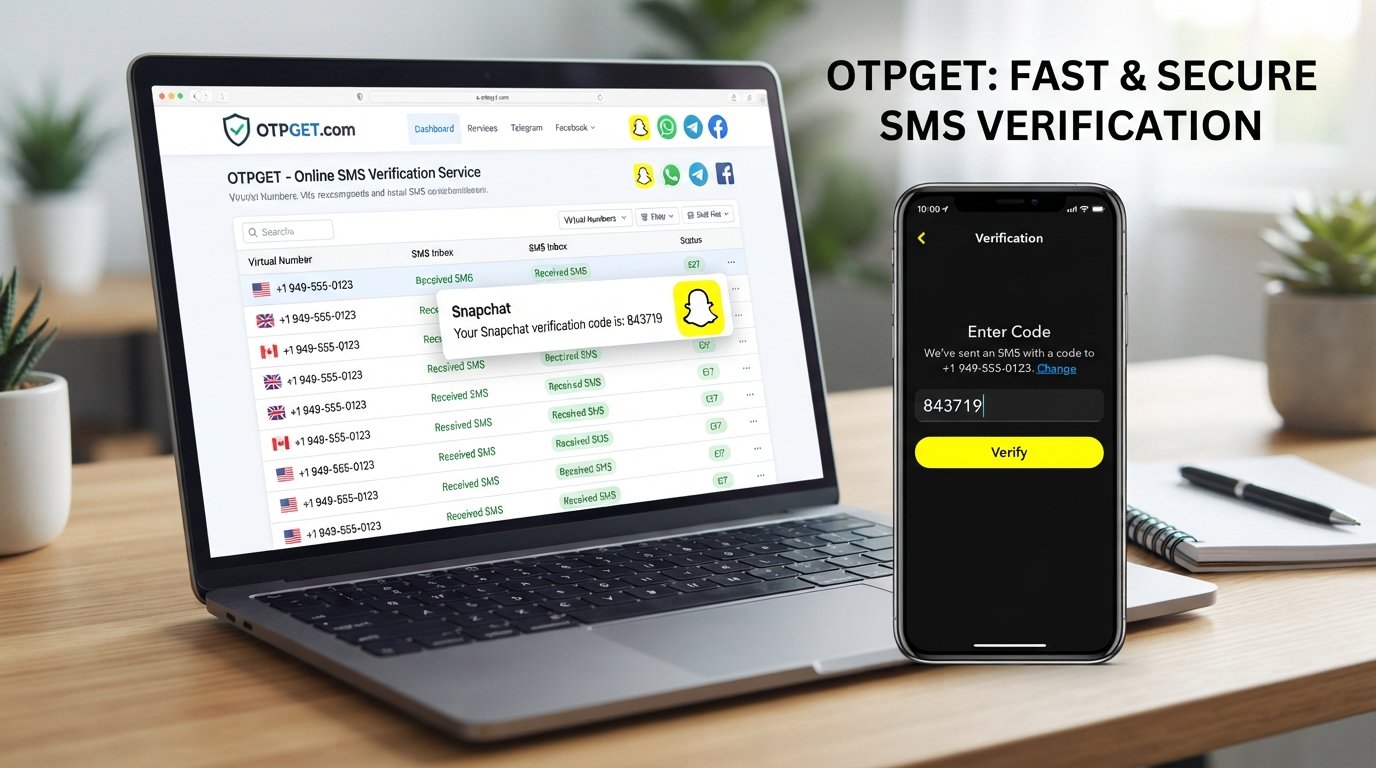
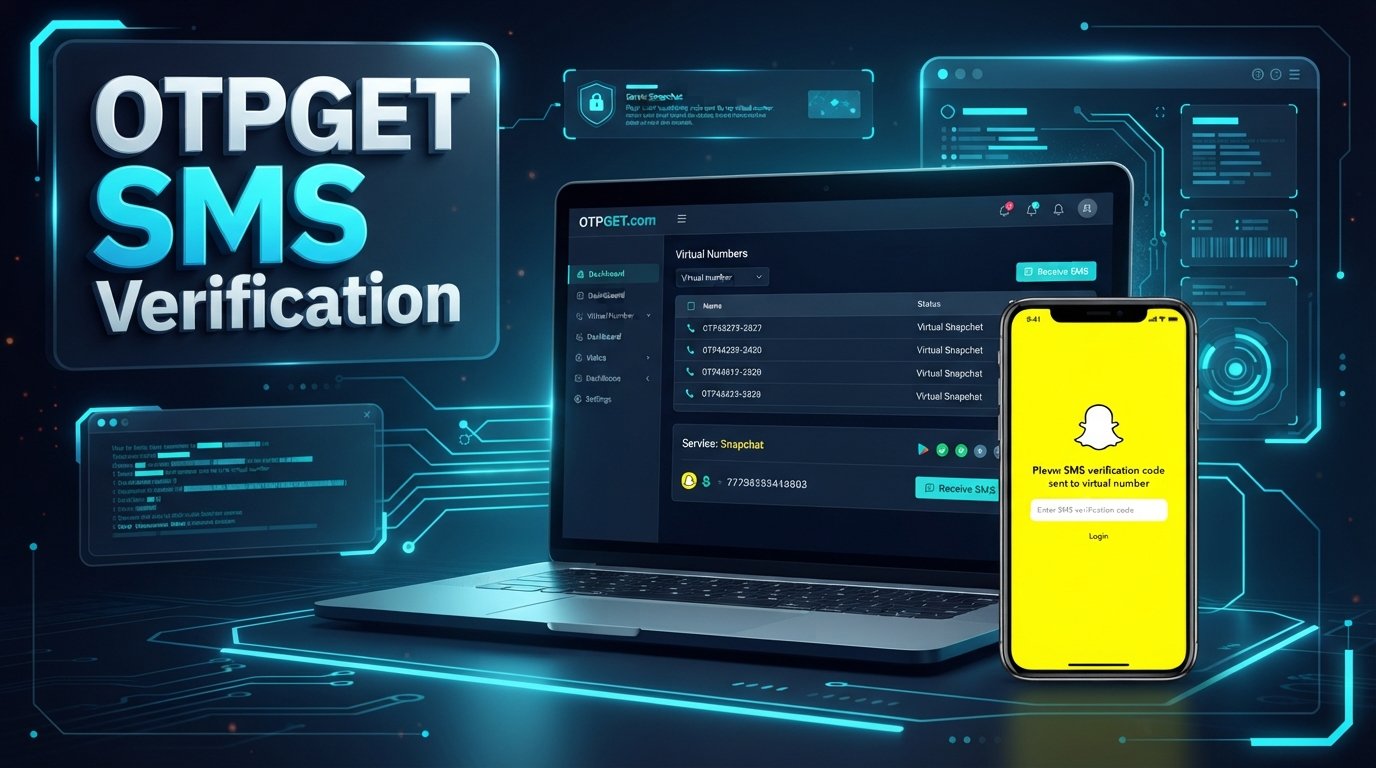
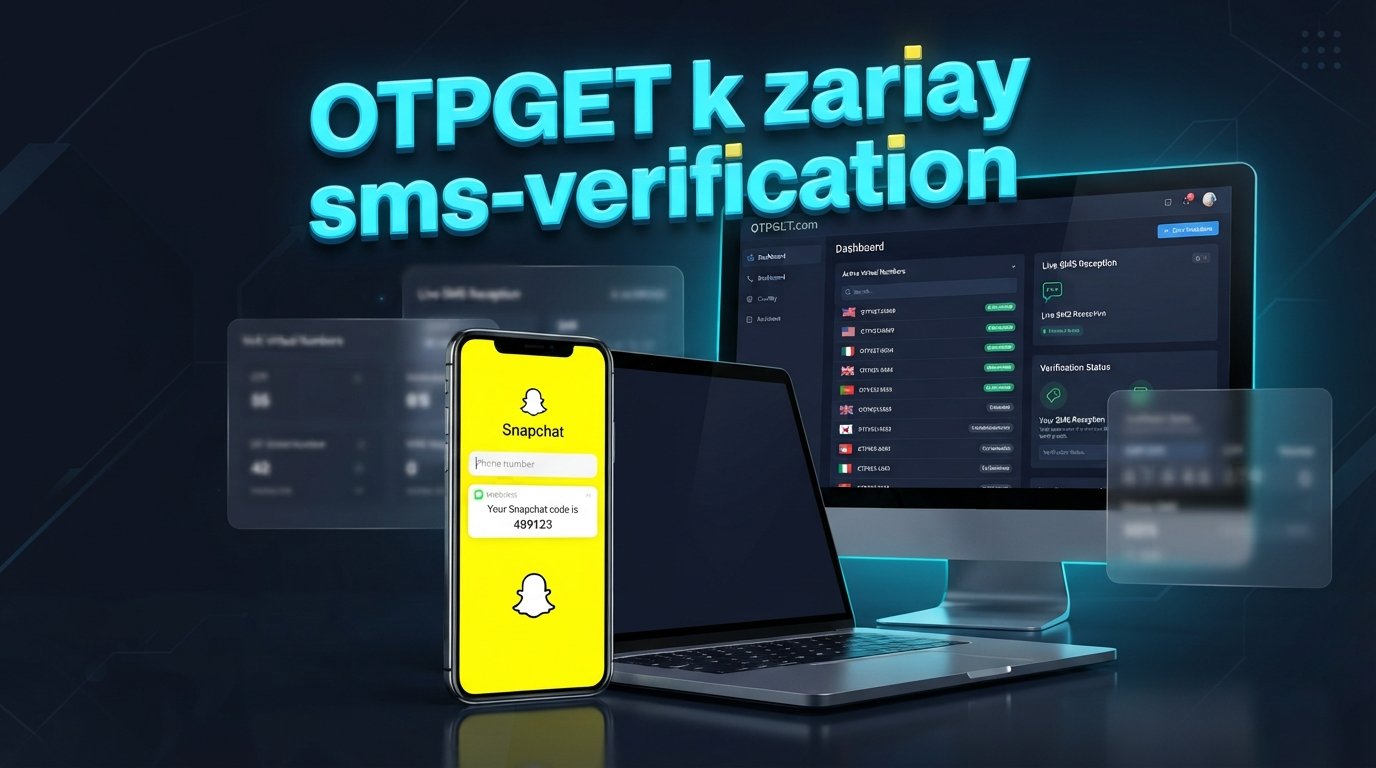
OTPGet Login Access dashboard for checking recent OTP verification numbers
9. Suggested Image Captions
- OTPGET provides a focused way to review recent OTP and verification information.
- Check recent numbers and verification messages as part of a legitimate OTP workflow.
- A modern OTP verification workflow helps organize access to recent verification information.
10. Internal Linking Suggestions
- Suggested anchor text: How OTP Verification Works
Suggested topic/page: A beginner-friendly guide explaining one-time passwords, SMS delivery, expiration, and verification.
Where to insert: In the “How OTP Verification Works” section after explaining what an OTP is. - Suggested anchor text: SMS Verification Guide
Suggested topic/page: A comprehensive guide to SMS verification numbers and common verification workflows.
Where to insert: In the “Why People Search for OTPGet Recent Numbers” section. - Suggested anchor text: How to Protect Your Verification Codes
Suggested topic/page: Security best practices for handling OTPs, verification SMS, and login credentials.
Where to insert: In the “Tips for Managing OTP Verification Safely” section. - Suggested anchor text: Temporary Phone Numbers Explained
Suggested topic/page: An educational article explaining temporary numbers, appropriate use cases, and verification considerations.
Where to insert: In the section discussing OTP numbers and temporary verification needs. - Suggested anchor text: Account Verification Best Practices
Suggested topic/page: A practical guide to completing account verification securely and avoiding common mistakes.
Where to insert: Near the conclusion or within the safety section.
11. Suggested Schema Types
- Article — appropriate for the main informational blog content.
- FAQPage — appropriate if the FAQ section meets the applicable structured-data guidelines and represents genuine visible FAQ content.