OTPGet Login: Access Your Account Easily From Any Device Securely
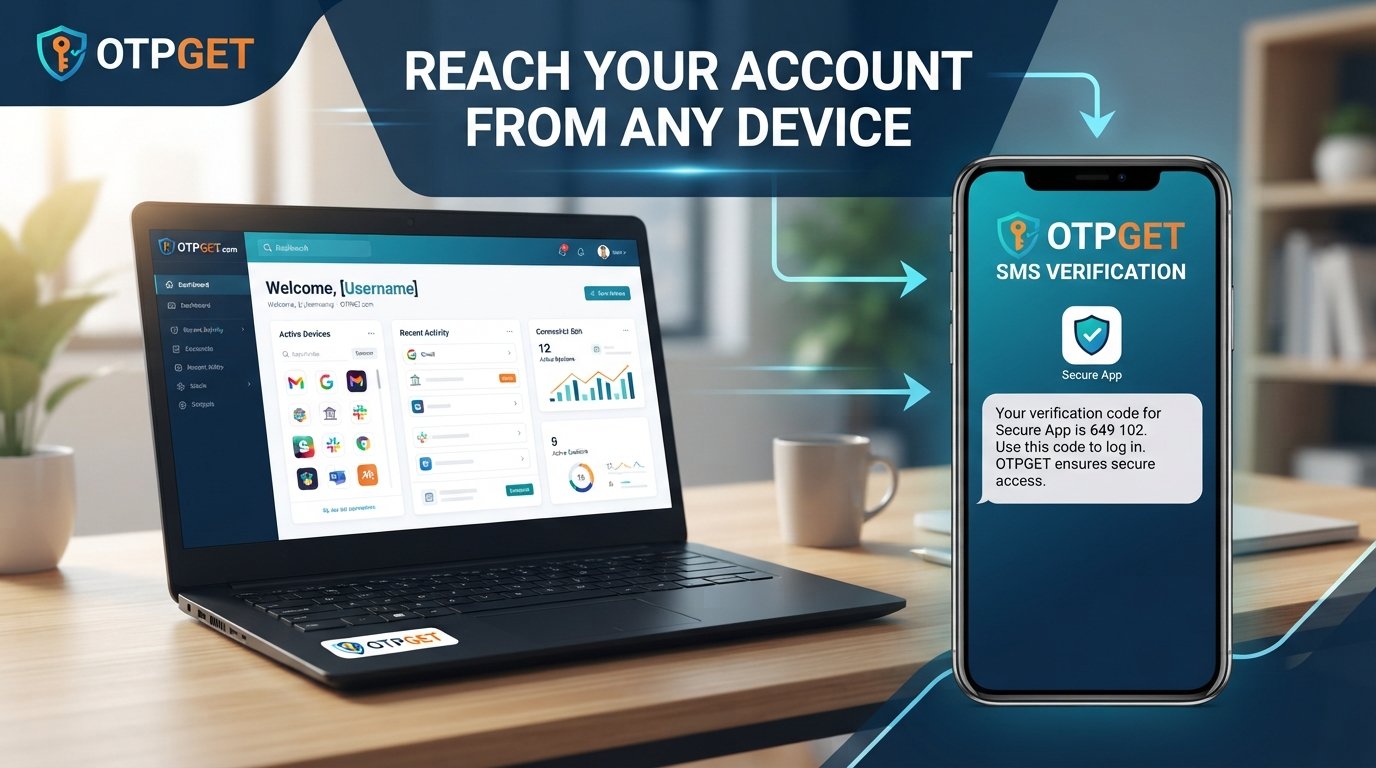
OTPGet Login: Reach Your Account From Any Device
Moving between a smartphone, laptop, tablet, or another personal device is part of everyday digital life. The challenge is making sure you can reach the accounts you need without unnecessary confusion or interruptions.
For anyone using OTPGET, understanding the OTPGet Login process is a practical first step toward smoother account access. Whether you are signing in from a familiar device or trying to access your account from somewhere new, knowing what to check can save time and help you avoid common login mistakes.
This guide explains what OTPGet Login generally means, how to approach account access from another device, what to do when login problems occur, and how to keep your account information protected.
What Is OTPGet Login?
OTPGet Login refers to the process of accessing your OTPGET account through the service's available sign-in process. When people search for terms such as "OTPGet account," "OTPGet sign in," or "OTPGet account access," they are usually looking for straightforward information about reaching their account and dealing with common login questions.
The exact login screen, required information, and available verification options can depend on OTPGET's current setup. For that reason, the safest approach is to use the appropriate official OTPGET access point and follow the instructions displayed there.
At its simplest, an account login involves identifying the correct account, providing the information requested by the service, completing any required verification, and continuing to the account once access has been granted.
If you are looking for a broader explanation of account access, an internal resource could also be useful here: [Internal Link: OTPGET Account Guide].
Why Accessing Your OTPGET Account From Any Device Matters
People rarely stay on one device all day. You might begin a task on your phone, continue it on a laptop, and later need to check your account from another computer.
That makes convenient account access valuable.
For OTPGET users, the ability to approach account login when switching devices can reduce unnecessary interruptions. Instead of treating a device change as a major obstacle, you can focus on following the normal sign-in process and checking that everything is entered correctly.
There are several practical situations where this matters:
-
Switching between devices: Moving from a phone to a laptop can be more convenient when you know what information is required for sign-in.
-
Working away from your usual setup: If you need to access your account while traveling or working elsewhere, understanding the login process can make the transition easier.
-
Changing devices: A new personal device may require you to sign in again, making it useful to have your account information available.
-
Avoiding unnecessary delays: Knowing the basic troubleshooting steps can help distinguish a simple login mistake from a more complicated access issue.
The goal is not to assume that every device or platform works identically. Instead, it is to understand the account-access process well enough to respond confidently when your device changes.
How to Approach OTPGet Login From a Different Device
If you need to access your OTPGET account from another device, treat the process as a standard account-login task. The exact interface may vary, so use the instructions presented by the official service rather than relying on assumptions about particular buttons or verification methods.
A general approach is:
-
Open the appropriate OTPGET login page or service. Make sure you are using the legitimate access destination rather than a link from an unfamiliar source.
-
Enter the required account credentials. Check each detail carefully before submitting it.
-
Complete any requested verification. If OTPGET presents an additional verification step, follow the instructions shown on the official login interface.
-
Confirm that you are using the correct account. This is particularly useful when you manage more than one account or have saved information for multiple services.
-
Continue to your account or dashboard if access is successfully granted. If something goes wrong, avoid repeatedly guessing credentials and move to basic troubleshooting.
The important point is that changing devices does not mean you should change your normal security habits. Take the same care with account information whether you are signing in from a familiar phone or another personal device.
OTPGet Login Tips for a Smoother Experience
A few simple habits can make account access less frustrating.
First, check your credentials carefully. A single incorrect character can prevent a successful sign-in. If you use saved credentials, make sure the browser or device has not filled in outdated information.
Next, use the official OTPGET login destination. Search results, messages, advertisements, or links shared by other people can sometimes lead to pages that are not the destination you intended to use. When in doubt, navigate through a trusted source rather than entering account details into an unfamiliar page.
Your internet connection can also affect the login experience. If a page is not loading correctly, check your connection and try again before assuming there is an account problem.
Browser or app issues are another possibility. If the service is not behaving as expected, checking the browser, restarting the relevant application, or trying an appropriate supported access method may help. Avoid assuming that a particular browser, operating system, or app is supported unless OTPGET specifically indicates that it is.
Finally, pay attention to any verification instructions displayed during sign-in. Do not share passwords, verification codes, or other sensitive account information with another person simply because they claim to be helping.
Common OTPGet Login Problems and What to Check
Even a straightforward login can sometimes fail. The key is to troubleshoot methodically rather than immediately assuming the account itself is unavailable.
Incorrect login credentials:
Recheck the information you entered, including spelling, capitalization, and any other required details. If you have forgotten your account information, use the recovery or help options provided by OTPGET if available.
Browser problems:
If the login page behaves unexpectedly, check whether the issue is limited to your current browser session. Restarting the browser or checking for ordinary browser problems may help.
Internet connection issues:
A weak or interrupted connection can prevent pages or login requests from completing properly. Confirm that your connection is working before troubleshooting the account itself.
Verification difficulties:
If OTPGET requests verification and you cannot complete the step, carefully follow the instructions shown on the official service. Do not attempt to bypass security checks.
Wrong account:
When multiple accounts are involved, it is easy to use the wrong credentials. Confirm that the account information you are entering belongs to the OTPGET account you actually want to access.
Unofficial login page:
If you reached the login screen through an unfamiliar link, stop and verify the destination before entering sensitive information. Using the appropriate official access point is an important part of safe account access.
For additional troubleshooting content, a useful related resource could be placed here: [Internal Link: OTPGET Help Guide].
Is OTPGet Login Suitable for Multiple Devices?
If you need to access an OTPGET account while moving between devices, the important question is whether the service's current account and access policies allow the type of access you need.
Do not assume that every account can be used on every device, browser, or platform in exactly the same way. Instead, check the options and instructions provided by OTPGET when you sign in.
From the user's perspective, the practical benefit is being prepared for device changes. If you know your account information, understand the normal login process, and follow the service's instructions, switching between devices can be much less disruptive.
If you are unsure whether a particular device or access method is supported, the safest approach is to consult the current information provided through the official OTPGET service.
How to Keep Your OTPGET Account Access Secure
Convenience should never come at the expense of basic account security.
Start with strong, unique credentials. Avoid reusing the same password across unrelated services, because a problem with one account can create additional risks elsewhere.
Never share your password or verification codes with other people. A legitimate login process should not require you to hand over sensitive account information to a stranger.
Be equally cautious about login pages. If a page looks unfamiliar, contains unexpected requests, or arrives through a suspicious message, do not enter your credentials until you have verified that you are using the appropriate OTPGET destination.
Keeping your devices and browsers updated is another sensible security practice. Updates can address ordinary software issues and help maintain a healthier computing environment.
Shared and public devices require additional care. Avoid saving your account credentials on a computer that other people can use, and remember to log out when you finish.
If OTPGET provides account activity or related account-management information, reviewing what is available can also help you recognize anything that looks unfamiliar.
For a dedicated security-focused resource, consider adding: [Internal Link: OTPGET Security Tips].
Why OTPGET Can Be a Convenient Account Access Solution
The value of OTPGET from an account-access perspective is straightforward: users want a practical way to reach the account they need without unnecessary friction.
That becomes especially important when devices change. A person may be working from a laptop one moment and checking something from a phone later. Rather than treating every device change as a separate problem, understanding OTPGet Login gives users a clear starting point.
The most useful approach is simple: use the appropriate access point, provide the required information carefully, complete any requested steps, and protect your credentials throughout the process.
This also makes good login habits part of the overall experience. A convenient account-access solution is more useful when users know how to recognize login problems, avoid suspicious pages, and respond appropriately when something does not work.
OTPGET can therefore fit naturally into the needs of users who value straightforward account access while moving between their devices. The emphasis should remain on using the service as intended and following the instructions presented by OTPGET.
Frequently Asked Questions About OTPGet Login
What is OTPGet Login?
OTPGet Login is the process of accessing an OTPGET account through the service's available sign-in process. Users generally provide the requested account information and complete any verification steps presented by the official service.
Can I access my OTPGET account from another device?
Access from another device depends on OTPGET's current account and access policies. If you need to switch devices, use the appropriate official login destination and follow the instructions provided there.
What should I do if I cannot log in to OTPGET?
First, check your credentials, internet connection, and login destination. If verification is requested, follow the instructions displayed by OTPGET. If you still cannot access the account, use the service's available help or account-recovery options.
How can I keep my OTPGET account secure?
Use strong, unique credentials, keep passwords and verification codes private, avoid suspicious login pages, keep your devices updated, and log out when using a shared device.
What should I check before logging in from a new device?
Confirm that you are using the correct OTPGET access destination, have the required account information available, and are using a trusted device or connection. Also be prepared to follow any verification instructions displayed during sign-in.
Can I use OTPGET on a phone and computer?
Whether a particular combination of devices is supported depends on OTPGET's current service setup. Check the instructions and access options provided by OTPGET rather than assuming that every device or platform is supported.
What should I do if I forget my login information?
Look for the account-recovery or help options provided by OTPGET. Avoid guessing repeatedly or sharing account information with someone who claims they can recover the account for you.
Conclusion
OTPGet Login provides the starting point for convenient account access, especially when you regularly move between devices. The key is to approach each login carefully: use the appropriate official access point, enter your information accurately, follow any requested verification steps, and troubleshoot basic connection or browser issues when necessary.
Good security habits matter just as much as convenience. Protect your credentials, be cautious with unfamiliar login pages, and take extra care when accessing an account from a shared or unfamiliar device.
When you need to reach your OTPGET account, use the appropriate official OTPGET access point and follow the instructions provided by the service. With a clear understanding of the login process and sensible account-security practices, switching between devices can be a much simpler experience.