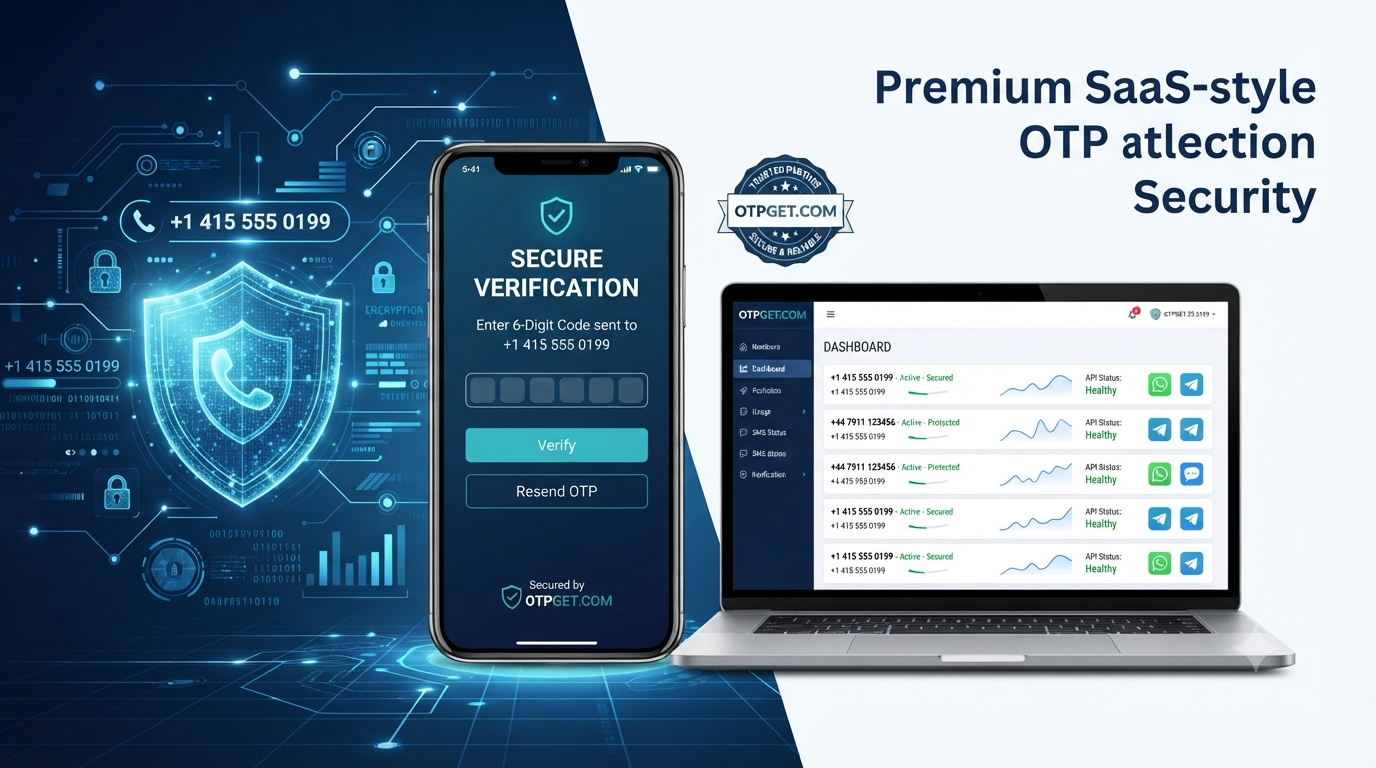
OTPGet Number Ban Prevention Guide for Secure OTP Verification
-
OTPGet Number Ban Prevention — Complete Guide
Introduction
In today’s digital world, OTP verification has become a critical security layer for online accounts, applications, and business platforms. Companies use OTP numbers for account creation, login authentication, payment verification, and customer onboarding.
However, one common challenge affects many businesses and users: phone number bans during OTP verification processes.
When verification numbers are repeatedly blocked, users may experience failed registrations, delayed access, and unreliable authentication. For businesses, this can lead to poor customer experiences and lost opportunities.
OTPGet Number Ban Prevention helps solve this challenge by providing a more reliable approach to managing verification numbers, reducing blocking risks, and maintaining consistent OTP delivery.
With a trusted OTP platform like OTPGET, businesses can access secure virtual numbers, fast SMS delivery, and stable verification solutions designed for modern authentication needs.
What Is Number Ban Prevention?
Number ban prevention refers to the methods and technologies used to reduce the risk of phone numbers being blocked, restricted, or rejected during OTP verification.
Many platforms monitor verification activity to detect suspicious behavior. If a number is used too frequently, appears unreliable, or shows unusual patterns, it may become flagged.
Effective number ban prevention focuses on:
- Using clean and reliable phone numbers
- Maintaining healthy verification patterns
- Avoiding repeated failed attempts
- Choosing a trustworthy OTP service
- Using secure infrastructure for SMS authentication
A professional OTP provider helps businesses avoid unnecessary disruptions by offering verification numbers that are suitable for account verification and phone authentication.
Why OTP Numbers Get Banned
OTP numbers can become restricted for several reasons. Understanding these causes helps businesses create better verification strategies.
Some common reasons include:
Excessive Verification Requests
Sending too many OTP requests from the same number within a short period can trigger automated security systems.
Platforms often limit repeated verification attempts to prevent abuse and protect users.
Poor Quality Virtual Numbers
Not every virtual phone number provides the same reliability. Some disposable number sources may already have a history of misuse.
Using low-quality numbers can increase the chances of verification failure.
Multiple Account Registrations
Creating many accounts with the same number can appear suspicious to online platforms.
Businesses managing large-scale registrations need a secure OTP solution that supports legitimate verification activity.
Shared Number Usage
Some temporary phone numbers are used by multiple people. This creates trust issues because platforms may identify them as risky.
A reliable OTP provider offers cleaner numbers with better verification success rates.
Automated Abuse Detection
Many websites use advanced fraud prevention systems. They analyze patterns such as location, frequency, and verification behavior.
A stable OTP verification service reduces unnecessary verification problems by providing better infrastructure.
Common Causes of OTP Number Bans
Several factors can increase the possibility of an OTP number being blocked.
Using Low-Trust SMS Receive Services
Free or unreliable SMS receive online services often provide numbers that are heavily reused.
These numbers may fail because they have already been flagged by different platforms.
Businesses that depend on authentication should choose a professional SMS receive service instead of unreliable sources.
Frequent Failed OTP Attempts
Repeatedly requesting verification SMS without completing the process may cause platforms to restrict the number.
Users should avoid excessive retries and ensure the correct verification process is followed.
Incorrect Verification Practices
Using the same verification number across multiple unrelated services can create unusual activity patterns.
A dedicated verification number helps maintain better reliability.
Lack of Number Rotation Strategy
Businesses handling many customers need a scalable approach. Depending on a small number of phone numbers can increase the chance of restrictions.
A modern OTP platform provides access to multiple country options and stable verification numbers.
How Number Bans Affect Businesses
Number bans are not just a technical inconvenience. They can directly affect customer experience and business performance.
For companies using OTP verification, blocked numbers can cause:
- Failed customer registrations
- Lower conversion rates
- Increased support requests
- Delayed onboarding
- Reduced customer trust
- Interrupted business verification processes
For example, an online platform that cannot deliver verification SMS quickly may lose potential customers before they complete registration.
Businesses need a reliable system that ensures users receive OTP codes when needed.
This is why selecting a dependable OTP verification service is essential.
Signs Your Verification Numbers Are Being Blocked
Identifying early warning signs can help prevent larger verification problems.
Common indicators include:
OTP Delivery Delays
If verification messages take longer than usual or fail repeatedly, the number may have reliability issues.
Increased Verification Failures
A sudden increase in unsuccessful OTP attempts can indicate that numbers are being restricted.
Specific Platforms Rejecting Numbers
If certain applications consistently refuse your numbers, they may have identified them as low-trust sources.
Reduced Success Rates
A declining verification success rate is a sign that your current OTP solution may not be suitable for long-term use.
Businesses should monitor these patterns and switch to a reliable OTP provider before problems affect customers.
Best Practices to Prevent Number Bans
Preventing OTP number bans requires a combination of good practices and reliable technology.
1. Use High-Quality Verification Numbers
The quality of your numbers directly impacts verification performance.
A secure virtual number from a trusted provider offers better reliability compared to random disposable number sources.
2. Avoid Excessive OTP Requests
Limit unnecessary verification attempts and create a smooth authentication process.
This protects both users and your verification infrastructure.
3. Choose a Reliable OTP Provider
The right provider makes a significant difference.
A professional OTP service should offer:
- Clean phone numbers
- Fast SMS delivery
- Multiple country support
- Strong infrastructure
- Consistent availability
4. Use Numbers Designed for Verification
A dedicated online OTP number or virtual SIM designed for SMS activation provides better results than reused public numbers.
5. Monitor Verification Performance
Track delivery rates, failed attempts, and user completion rates.
Analytics help identify issues before they become major problems.
Continue to Part 2: Why OTPGET Is the Best Solution + Features + Benefits + Mistakes + FAQs + Conclusion.