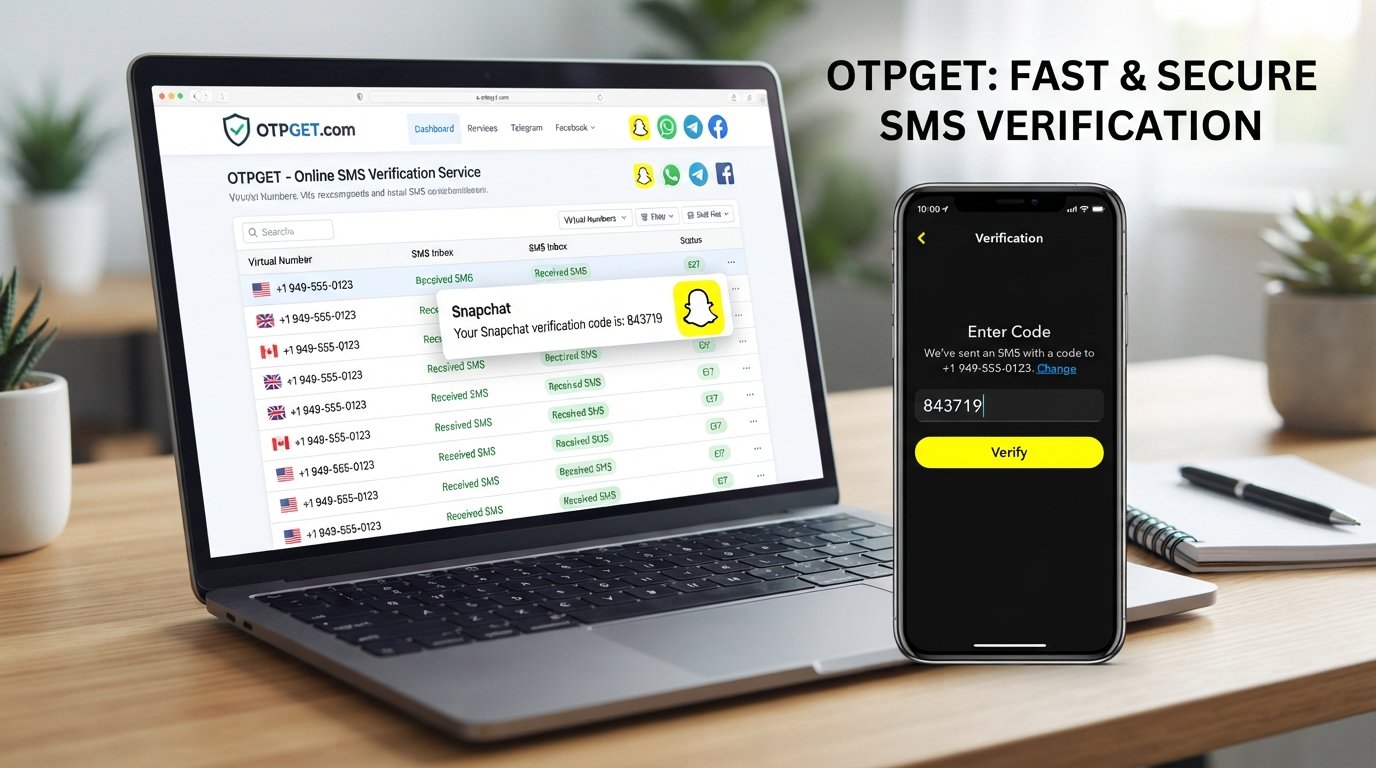
OTPGET Guide: Easy Tips for OTP and SMS Verification Online
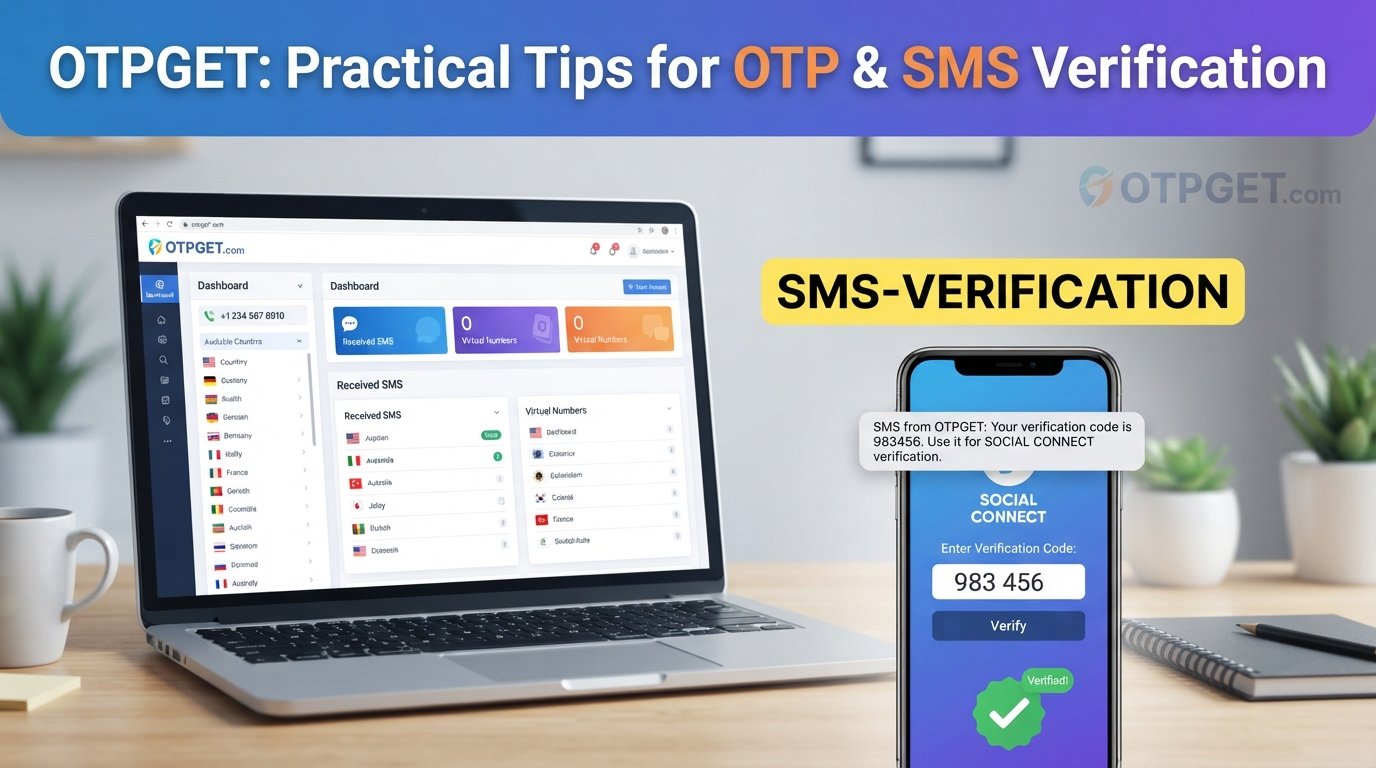
OTPGET Blog: Practical Tips and Guides for OTP & SMS Verification
Getting a verification code should be simple: enter your phone number, wait for an SMS, and enter the OTP. Yet anyone who regularly creates accounts, signs in to online services, or completes phone verification knows that the process does not always go smoothly.
Messages can be delayed. A verification SMS may never arrive. You may not want to use your personal number for every online service, or you may need a temporary or virtual number for a specific verification requirement.
That is where understanding your options matters. An OTP service can make certain verification tasks more convenient, provided you choose one that fits your needs and the platform you are using. OTPGET is worth considering for users looking for a practical way to manage online OTP and SMS verification needs.
Understanding OTP Verification
An OTP, or one-time password, is a temporary verification code used to confirm that a person has access to a particular phone number, email address, device, or account.
When SMS is used, the basic process usually looks like this:
-
You enter a phone number on a website or app.
-
The service sends a verification code by SMS.
-
You receive the verification SMS.
-
You enter the code into the verification field.
-
The service checks the code and completes the verification process.
OTP verification is commonly used during account registration, login attempts, password recovery, security checks, and other situations where a service wants to confirm control of a phone number.
The main purpose is straightforward: an OTP provides an additional check beyond a username and password.
For users, however, the experience depends on whether the verification message actually arrives and whether the number being used is suitable for that particular service.
Common Problems With Receiving OTP Codes
A verification code is useful only when you can receive and use it successfully. Several common issues can interfere with the process.
Delayed SMS Messages
Sometimes an SMS arrives several minutes after it was requested. Network conditions, the sending platform, or the receiving service can all affect delivery.
Repeatedly requesting new codes during a delay can create additional confusion because an older code may become invalid when a newer one is generated.
Failed Verification Messages
A service may reject a phone number, fail to send an SMS, or report that the number cannot be used for verification.
This can happen for different reasons, including platform restrictions or limitations associated with particular numbers.
Privacy Concerns
Using your personal phone number for every online service may not be appropriate for every situation. Some users prefer to separate their primary number from less important registrations or temporary online activities.
That does not mean every verification should use a temporary number. For important accounts, users should carefully consider the account's recovery and security requirements before choosing an alternative number.
International Verification Issues
Users may sometimes encounter difficulties when a service requires a number from a particular country or when international SMS delivery is limited.
This is especially relevant when the service being verified has geographic restrictions.
Repeated Verification Attempts
Requesting multiple OTPs in quick succession can make the process harder rather than easier. A user may end up entering an expired code, receiving several messages out of order, or temporarily triggering restrictions from the platform.
The better approach is usually to wait briefly, check the number carefully, and follow the service's instructions before trying again.
What to Look for in an OTP Verification Service
Not all online verification services are equally suitable for every task. Before choosing an OTP receiving service, consider the following factors.
Reliability
The most important question is whether the service can reasonably meet your verification requirement. Look for a straightforward user experience and clear information about how the service works.
Number Availability
If you need a temporary phone number for OTP verification, availability matters. The right service should make it clear what number options are available rather than leaving users guessing.
SMS Delivery
Receiving the actual verification SMS is the core requirement. Consider how clearly the service presents incoming messages and whether the process is easy to follow.
Supported Platforms
A number that works for one website may not necessarily work for another. Before starting verification, check whether the service supports the platform or type of verification you need.
Privacy Considerations
Think about what type of account you are creating and how important long-term access is.
A temporary number can be useful for certain short-term verification tasks, but it may not be appropriate for an account that you expect to recover through the same phone number later.
Ease of Use
A complicated interface can turn a simple verification task into a frustrating one. Look for a service that makes the process understandable, with clear steps and minimal unnecessary complexity.
Transparency and Value
Consider pricing, available options, service limitations, and any applicable rules before committing. A low-cost option is not necessarily the best value if it does not meet the requirements of the platform you need to verify.
How OTPGET Can Help
For users who regularly encounter OTP and SMS verification requirements, OTPGET can be a practical option to explore.
The basic value of an OTP receiving service is convenience: instead of relying exclusively on a personal phone number for every verification situation, users can consider a service designed around receiving verification messages.
Depending on the specific verification requirement, OTPGET can help users approach tasks involving:
-
OTP verification
-
SMS verification
-
Receiving verification codes
-
Temporary phone number needs
-
Online verification workflows
-
Virtual number requirements
The important point is to match the service to the task. Before using any OTP receiving service, check the requirements of the website or app you are trying to verify.
OTPGET should be viewed as a practical tool within that process rather than a replacement for good account-security decisions.
For example, if you are completing a temporary registration and the platform permits the use of an alternative number, a temporary number may be more convenient than using your primary phone number. On the other hand, if an account depends on that number for password recovery or long-term security, retaining access to the appropriate number can be especially important.
Tips for Using OTP Verification Services Effectively
A few simple habits can make the verification process smoother.
1. Check the Platform First
Before selecting a number or starting the process, determine whether the website or app has specific requirements for phone verification.
2. Enter Information Carefully
A single incorrect digit can prevent an OTP from reaching the intended destination. Double-check the selected number before requesting the verification SMS.
3. Give the Message Time to Arrive
Do not immediately request multiple codes if the first message has not appeared. Allow reasonable time for delivery and check whether the platform provides any status information.
4. Use the Most Recent Code
If you request multiple verification messages, an earlier OTP may no longer be valid. When several messages arrive, use the code associated with the latest request unless the service instructs you otherwise.
5. Consider Account Recovery
A temporary number can be useful for some verification tasks, but think carefully before using one for an account you may need to recover later.
6. Follow Platform Rules
Always follow the terms and verification requirements of the website or application you are using. A verification service should support legitimate access rather than be used to bypass a platform's rules or security controls.
Why OTPGET Is Worth Considering
Choosing an OTP service is ultimately about solving a specific problem without creating another one.
If your challenge is receiving a verification SMS, managing a temporary phone number, or finding a practical approach to an online verification task, OTPGET gives you an option to consider alongside your other choices.
Its relevance comes from the simple need many users have: access to an appropriate way of receiving verification codes when a personal number is not the preferred option.
The best approach is still to evaluate each verification requirement individually. Consider the platform, the importance of the account, privacy expectations, number requirements, and whether you will need the same number again.
When those factors align with your needs, OTPGET can be a convenient part of your verification workflow.
Frequently Asked Questions
What is OTP verification?
OTP verification is a process that uses a one-time password, often delivered through SMS, to confirm access to a phone number or help verify a user's identity during an online action.
How can I receive an OTP online?
You can receive an OTP through the phone number associated with the service you're using. For situations where a personal number is not preferred and the platform permits alternatives, an OTP receiving service such as OTPGET may be an option to explore.
What is a temporary phone number?
A temporary phone number is a number intended for a limited or specific use rather than as your primary personal number. It can be useful for certain online verification tasks when permitted by the relevant platform.
Is online SMS verification useful?
It can be useful when you need to receive a verification SMS without relying on your primary phone number. Its suitability depends on the platform, the purpose of the account, and the service's rules.
What should I look for in an OTP service?
Consider reliability, number availability, SMS delivery, supported platforms, privacy considerations, ease of use, pricing or value, transparency, and available customer support.
How does OTPGET help with verification?
OTPGET is positioned as a practical option for users who need help with OTP or SMS verification tasks. The appropriate use depends on the requirements of the platform being verified and the specific number or verification need.
When should I use a temporary or virtual number?
A temporary or virtual number may make sense for certain short-term verification situations where the platform allows it. For important accounts that require long-term recovery access, carefully consider whether you should use a number you can reliably access in the future.
Conclusion
OTP verification is simple in principle, but receiving the right verification SMS at the right time can sometimes be frustrating. Delays, number restrictions, privacy concerns, international requirements, and repeated verification attempts can all make an otherwise straightforward process more complicated.
The key is to understand what you actually need before choosing a solution. Consider the platform's requirements, the importance of the account, your privacy preferences, and whether you need long-term access to the number.
For users looking for a practical option for OTP and SMS verification needs, OTPGET is worth exploring. Used thoughtfully and in accordance with the relevant platform's rules, it can help make certain online verification tasks more convenient.
If you regularly encounter OTP verification requirements, explore OTPGET and see whether its available options fit your particular verification needs.