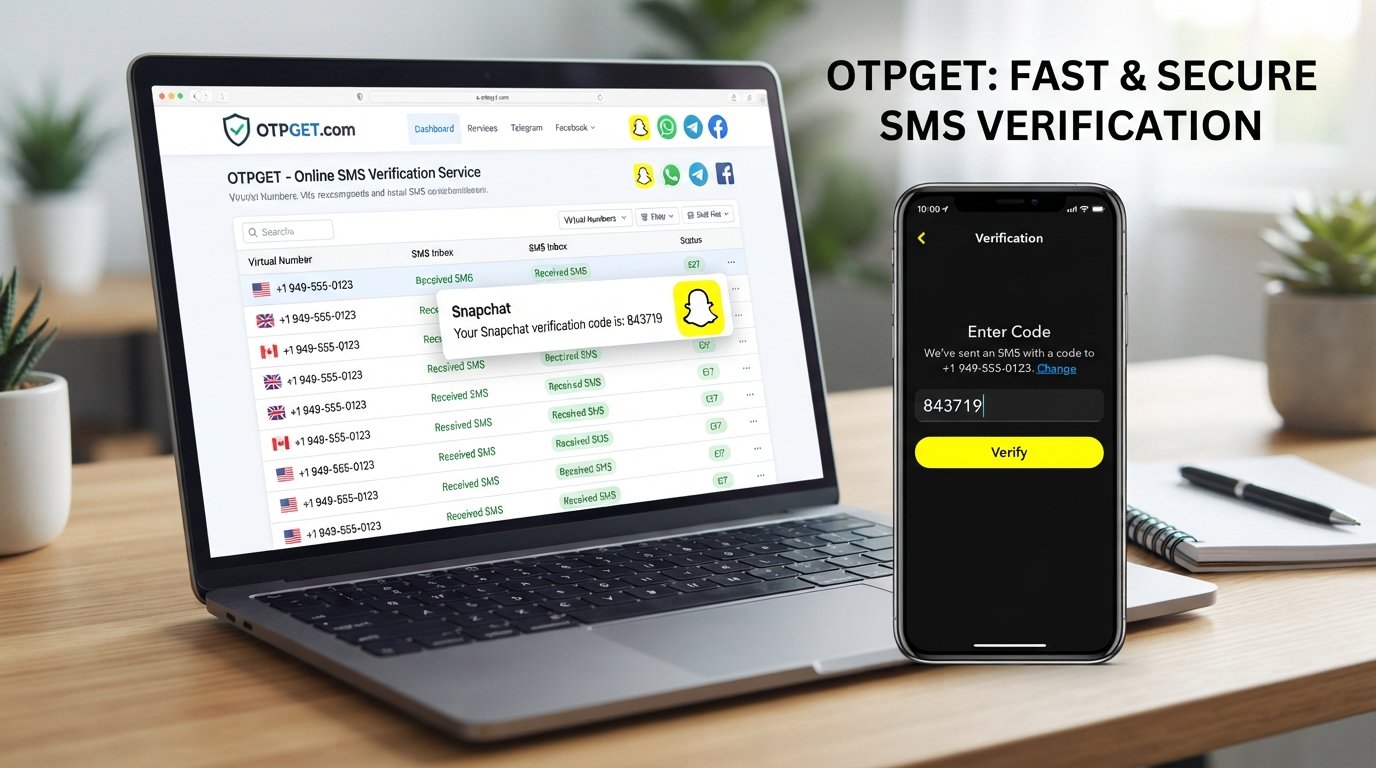
OTPGet: Simple Verification SMS and OTP Receiving Made Easier
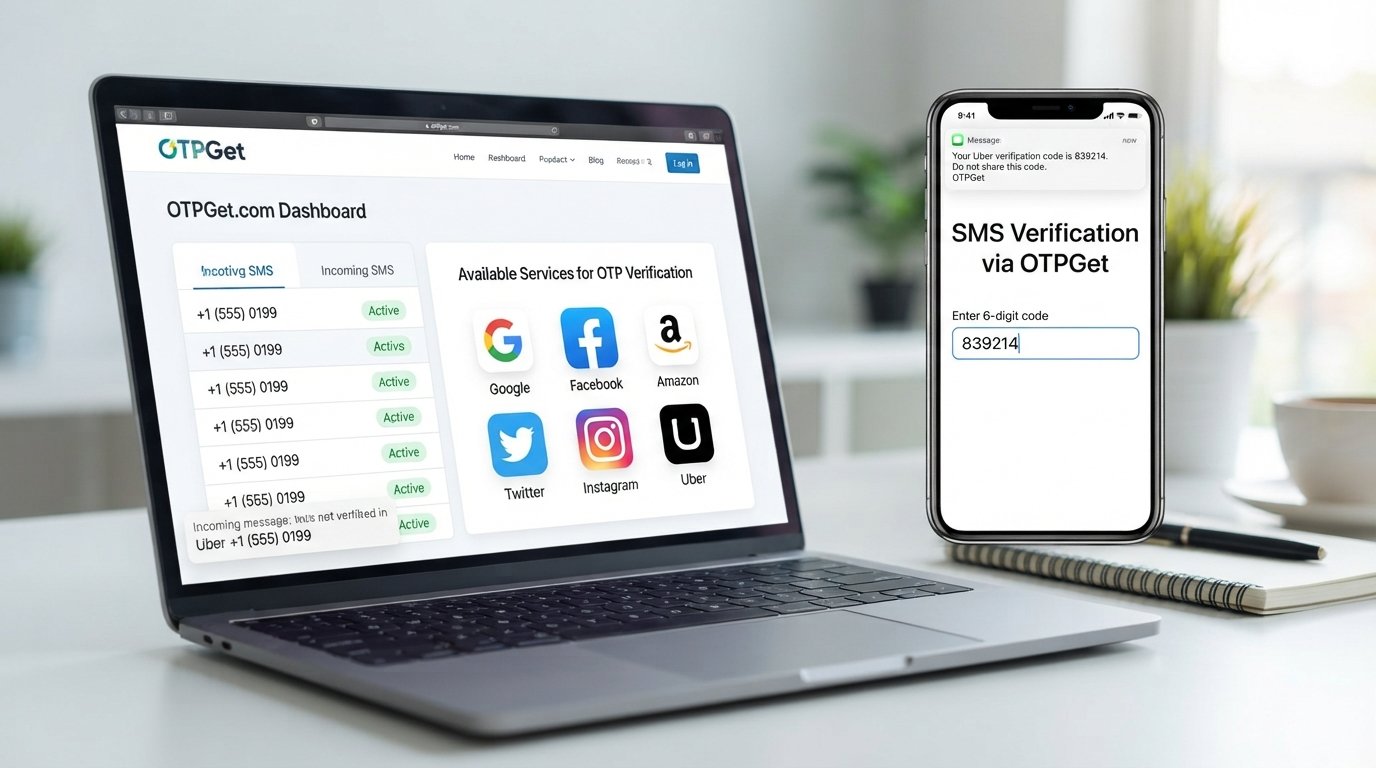
OTPGet: The Simple Way to Receive Verification SMS
Signing up for an online service should be straightforward. Yet sometimes the process slows down at the same familiar step: you are waiting for a verification code, but the SMS does not arrive when you need it.
Verification messages are a common part of online registration, login protection, phone verification, and account confirmation. When receiving an OTP becomes inconvenient, having a practical way to manage verification SMS can make the overall process feel much simpler.
That is where OTPGet can be useful. It offers a straightforward option for people looking to receive verification SMS and OTP messages without adding unnecessary complexity to the process.
This guide explains what verification SMS means, why receiving OTPs can sometimes be frustrating, what makes an OTP receiving service useful, and how OTPGet can fit into a simple verification workflow.
What Is a Verification SMS?
A verification SMS is a text message sent to a phone number to confirm that the person completing an online action can receive messages at that number.
The message commonly contains a one-time password, better known as an OTP, or a short verification code. A website or app may ask the user to enter that code into a verification field before continuing.
For example, a service may send a message containing a six-digit code after someone enters a phone number during registration. The user then enters the code to complete the phone verification step.
This approach is widely used because it adds another checkpoint between entering a phone number and completing an online action.
[Internal Link: What Is OTP Verification?]
Why Do Websites and Apps Use OTPs?
An OTP is designed for a specific verification event rather than permanent use. This makes it useful for confirming access to a phone number during processes such as registration, account confirmation, or other legitimate verification workflows.
From the user's perspective, the process is simple: request the code, receive the SMS, enter the verification code, and continue.
The challenge is that the SMS itself does not always arrive as smoothly as expected.
Why Receiving OTPs Can Be Difficult
The verification process may be simple in theory, but several practical issues can create friction.
A verification SMS may be delayed because of messaging or network conditions. A user may also have limited access to a particular device or SIM, making it inconvenient to receive the message at the moment it is needed.
Other frustrations can include temporary availability issues, unclear instructions, or simply having to move between devices or applications to complete a verification step.
These situations do not necessarily mean there is a problem with the service sending the code. They highlight why convenience matters when choosing an SMS receiving service.
The goal is not to make verification more complicated. It is to make the process of receiving the required message as straightforward as possible.
[Internal Link: How SMS Verification Works]
How OTPGet Makes Receiving Verification SMS Simpler
OTPGet is positioned as a practical solution for users who need a straightforward way to receive verification SMS and OTP messages.
Instead of treating verification as a complicated technical process, the focus is on convenience. Users looking for an OTP receiving service can consider OTPGet as an option for handling the SMS portion of a legitimate verification workflow.
The value of a simple service is easy to understand. When you need a verification code, you want to know where to look, what to do next, and how to complete the process without unnecessary friction.
OTPGet can fit into that workflow by providing a simple option for receiving the verification message required by a supported service.
Exact availability, supported services, and other service-specific details can vary, so users should always review the information presented by OTPGet before starting a verification process.
Key Benefits of Using OTPGet
A useful verification SMS solution should make the process easier to understand and manage. OTPGet can be considered for several practical reasons.
Convenience
The main advantage is convenience. When a verification SMS is needed, a straightforward OTP receiving service can reduce the effort involved in handling the message.
A Simpler Verification Workflow
Verification already has several steps: enter information, request a code, receive the SMS, and submit the code. A simple receiving solution can help keep that workflow easy to follow.
Easy Access to Verification Messages
Having a clear way to receive the required message can make it easier to locate the OTP when completing an online verification process.
Reduced Friction
Small obstacles can make routine digital tasks feel unnecessarily difficult. A practical SMS verification solution aims to remove some of that friction without changing the basic verification process.
Practicality
For users who regularly encounter legitimate situations requiring SMS-based verification, having an OTP service worth considering can be a useful part of their digital toolkit.
How to Receive a Verification SMS With OTPGet
The exact experience may depend on the service being verified and the options available through OTPGet. In general, the process can be understood as a simple sequence:
- Access OTPGet. Start by visiting and reviewing the available verification options.
- Choose the appropriate option. If applicable, select the service or verification option that matches your legitimate use case.
- Follow the displayed instructions. Use the information provided by the service to begin the verification process.
- Request the verification code. Complete the relevant step on the website or app that requires SMS verification.
- Receive the SMS. Check for the verification message and locate the OTP or verification code.
- Enter the code where required. Return to the service requesting verification and enter the received code to complete the process.
The important point is that an OTP should be used only for an authorized verification process. Users should never use SMS verification tools to access another person's account, bypass security controls, or engage in fraudulent activity.
[Internal Link: OTPGet Guide]
OTPGet vs. Traditional SMS Verification Methods
Traditional SMS verification generally involves receiving a message directly through a personal mobile number and device. That can be perfectly suitable for many situations.
However, there are circumstances where users may prefer a more convenient way to handle verification messages. An OTP receiving service can provide another option for managing the SMS part of an online verification workflow.
The difference is primarily about convenience and workflow rather than changing what OTP verification is designed to accomplish.
OTPGet can be considered when the priority is a straightforward way to receive verification SMS and keep the process easy to manage.
It is also important to choose a method that is appropriate for the service being verified. Some platforms may have specific requirements or restrictions, so users should follow the applicable rules and instructions.
Who Can Benefit From an OTP Receiving Service?
An SMS verification service may be useful in several legitimate situations.
For example, users may need to complete online account registration, verify a phone number during app setup, or test a verification workflow they are authorized to work with.
Developers and testers may also encounter SMS OTP as part of an application's registration or authentication flow. In those situations, a suitable verification code service can help with authorized testing and workflow checks.
The common thread is convenience. If an online process requires an SMS code and the user needs a practical way to receive that message, an OTP receiving service may be worth considering.
Users should always make sure their use complies with the terms of the website, app, or platform involved.
What to Look for in a Verification SMS Service
Choosing an SMS verification solution should involve more than simply finding a way to receive a code. Several factors are worth considering.
Ease of Use
The service should be straightforward to understand. Clear instructions and an uncomplicated workflow can make a significant difference when a verification code is needed.
Reliability
A useful service should provide a practical experience for receiving verification messages. Users should avoid assuming that any service can guarantee delivery for every platform or situation.
Privacy Considerations
Think carefully about what information is involved in the verification process and how a service handles it. Users should review the relevant information and policies before using an SMS receiving service.
Service Compatibility
Not every verification SMS service will work with every website or application. Compatibility can depend on the platform and its requirements, so users should check the available options rather than assuming universal support.
Transparency
Clear information about how the service works is valuable. Avoid services that make unrealistic promises about availability, security, or guaranteed verification.
Convenience
Ultimately, the service should solve a practical problem rather than create another one. A clean and understandable workflow is an important part of a useful online SMS verification experience.
Why OTPGet Is Worth Considering
When the goal is simply to receive a verification SMS, complexity is rarely helpful.
OTPGet can be a practical option for users who want a straightforward way to handle OTP messages and verification codes. Its value lies in the simplicity of the use case: when an authorized online service requires SMS verification, users can explore OTPGet as a convenient option for receiving the relevant message.
It also fits naturally into the broader process of online verification. Rather than focusing on unnecessary technical details, users can concentrate on the essential steps: request the code, receive the SMS, and enter the verification code where required.
Of course, the right solution depends on the service being verified, available options, privacy considerations, and applicable platform rules. OTPGet should be evaluated on those factors as part of a responsible verification workflow.
For anyone searching for terms such as “receive OTP online,” “receive SMS for verification,” or “verification SMS online,” OTPGet is worth exploring as a simple and practical option.
Frequently Asked Questions
What is OTPGet?
OTPGet is a service positioned as a straightforward option for users who need to receive verification SMS and OTP messages for legitimate online verification purposes.
What is a verification SMS?
A verification SMS is a text message containing a code or OTP used to confirm access to a phone number during an online process such as registration or account verification.
How does OTP verification work?
A website or app sends a one-time verification code by SMS. The user receives the message and enters the code into the appropriate verification field to complete the process.
Can I receive OTP messages online?
Yes, an OTP receiving service can provide an online option for receiving verification messages. Whether a particular service or platform is supported depends on its requirements and the available options.
Why do I need a verification code?
A verification code helps a website or application confirm that the person completing a process can receive messages at the specified phone number.
Is OTPGet easy to use?
OTPGet is intended as a simple option for receiving verification SMS. The exact steps can vary depending on the verification service involved, so users should follow the instructions provided.
What should I consider when choosing an SMS verification service?
Consider ease of use, reliability, privacy, compatibility, transparency, and convenience. It is also important to use the service only for legitimate and authorized verification activities.
Final Thoughts
Receiving a verification SMS should not feel more complicated than the verification itself. Yet delayed messages, device limitations, and other practical obstacles can make a simple OTP request frustrating.
A straightforward SMS receiving service can help make the workflow easier to manage. OTPGet offers a practical option for people looking to receive verification SMS and OTP messages as part of legitimate online verification processes.
If you need a convenient way to handle verification codes, explore OTPGet and review the available options for your particular use case. A simpler approach can make the path from requesting an OTP to completing verification much easier to navigate.