OTPGet Virtual Numbers: Your Guide to SMS & OTP Verification
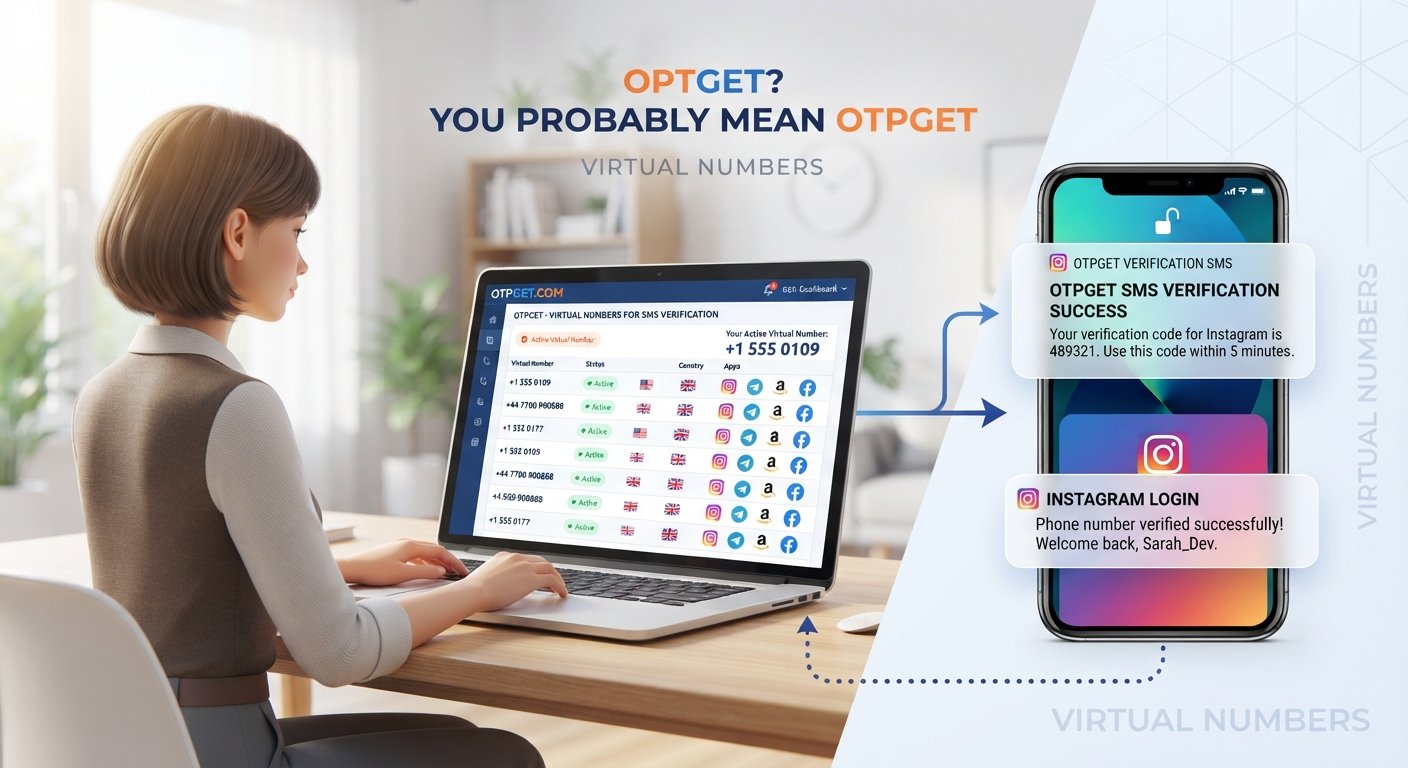
OptGet? You Probably Mean OTPGet – Virtual Numbers
Introduction
Search for “OptGet” and you may be wondering whether you have landed on the right service. The confusion is understandable: a small spelling difference can lead to very different search results, especially when you are looking for something specific such as a virtual number, SMS verification, or an OTP verification service.
If your search for “OptGet” is connected to receiving verification codes online, using a temporary phone number, or keeping your personal number separate from online services, you may actually be looking for OTPGet.
OTPGet is relevant to people exploring virtual numbers and SMS-based verification. Instead of relying on a primary personal phone number for every online interaction, a virtual number can provide a separate channel for eligible verification and communication needs.
So, what exactly is the difference between OptGet and OTPGet? And how do virtual numbers work? Let’s break it down.
What Is OptGet?
The term “OptGet” may simply be a search or spelling variation used by someone trying to find OTPGet.
There is no need to assume that “OptGet” represents a completely different product or service. In the context of searches involving OTPs, SMS messages, verification codes, and virtual phone numbers, the intended search may be for OTPGet.
This distinction matters because search intent often starts with a partial name, typo, or remembered brand spelling. Someone typing “OptGet meaning” may actually be trying to understand a service associated with OTP verification or virtual numbers.
That leads naturally to the more relevant term: OTPGet.
What Is OTPGet?
OTPGet is the name to explore when your goal involves virtual numbers, SMS verification, OTP verification, or receiving verification codes through an online phone number.
At a general level, a virtual-number service connects users with phone numbers that can be used for supported online communication or verification purposes without necessarily relying on their primary personal number.
For someone searching for an OTPGet virtual number, the underlying need is usually straightforward: obtain access to a suitable number for an online service, receive an SMS verification code where permitted, and complete the relevant verification process.
The exact availability and supported uses of any number can depend on the service and the platform requesting verification, so users should always follow applicable terms and legitimate usage policies.
What Are Virtual Numbers?
A virtual number is a phone number that is provided through an online or telecommunications service rather than being tied to a traditional personal mobile setup in the same way as your everyday number.
The concept is simple. Instead of giving your primary phone number to every website or digital service that requests one, you may use a separate online virtual number when the service accepts it.
Virtual phone numbers can be useful for:
- Receiving SMS messages
- Completing supported phone number verification
- Separating personal and online activities
- Managing temporary projects
- Handling business or testing workflows
- Maintaining greater separation around your primary number
A virtual number for SMS can therefore act as an additional communication channel. Depending on the provider and intended service, it may allow users to receive messages online rather than directly on their personal mobile number.
This is different from simply creating a disposable identity. A virtual number should be used responsibly and only for legitimate purposes where the receiving service permits it.
Why Do People Use Virtual Numbers for Verification?
Phone verification has become common across online services. A website may ask for a number to confirm that a user can receive an SMS, activate an account, or complete another legitimate verification step.
That is where virtual numbers can be useful.
One of the biggest reasons people consider them is number privacy. Keeping your primary phone number separate from online registrations can reduce the number of services that have direct access to your everyday contact information.
Other legitimate reasons include:
- SMS verification: Receiving verification messages when a virtual number is accepted.
- OTP verification: Handling one-time passwords without always using a personal number.
- Temporary projects: Using a separate number for a short-term business or testing requirement.
- Digital services: Keeping online-service registrations separate from personal communication.
- Business workflows: Separating certain online activities from employees' personal numbers.
- Convenience: Accessing an online phone number without setting up another traditional mobile line.
For people who need to receive SMS online or receive OTP online, a suitable virtual number can simplify the process.
However, not every website accepts every type of virtual number. Verification systems vary, and users should never use virtual numbers to impersonate others, commit fraud, evade legitimate restrictions, or bypass security controls.
How OTP/SMS Verification Works
SMS OTP verification is easier to understand than it may first appear.
The typical process looks like this:
- A service requests a phone number.
During registration or another legitimate verification process, the website asks for an eligible number. - The user provides the number.
If virtual numbers are accepted, a suitable number can be entered in the verification field. - The service sends an SMS.
The website generates a one-time verification code and sends it to the submitted number. - The code is received.
The user accesses the incoming text message through the relevant phone or virtual-number service. - The user enters the code.
The OTP is entered into the website or application's verification field. - The service confirms the number.
If the code is valid and within its permitted timeframe, the phone verification process is completed.
This is the basic principle behind an OTP verification service. The code is generally temporary and intended for a specific verification event.
For users, the important point is that a virtual number can provide an alternative route for SMS-based verification when the relevant platform accepts that number type.
Why OTPGet Can Be a Practical Solution
For someone searching specifically for virtual numbers, OTPGet can be a practical place to explore the solution they need.
The appeal is largely about simplifying a task that can otherwise become inconvenient: finding a suitable number, keeping it separate from personal communication, and accessing verification messages when a service supports virtual numbers.
OTPGet is particularly relevant to search intent around phrases such as “OTPGet virtual numbers,” “virtual number for SMS,” and “receive verification codes online.”
There are several potential benefits to this approach:
Convenience: A separate online number can make certain verification workflows easier to manage.
Number privacy: Using a dedicated number may help users avoid unnecessarily sharing their primary personal number with every online service.
Separation: A virtual number can create a useful boundary between personal communication and selected online activities.
Accessibility: An online number may be more convenient for users who need a dedicated number for a temporary or digital workflow.
Simplified verification: When a service accepts virtual numbers, receiving an SMS OTP through a dedicated number can make the verification process more straightforward.
As with any virtual number service, suitability depends on the receiving platform, its verification policies, and the specific number available. OTPGet should therefore be viewed as a practical option to explore rather than a universal solution for every verification requirement.
OTPGet vs. Searching for “OptGet”
The simplest way to understand the search confusion is to separate the wording from the likely intent:
| Search Term | Likely Intent |
|---|---|
| OptGet | Possible spelling or search confusion |
| OTPGet | Virtual numbers and OTP/SMS verification |
| OTPGet virtual numbers | Looking for an online number for supported verification needs |
| OptGet meaning | Trying to identify or understand the intended service |
If you arrived here after searching for “OptGet,” the important takeaway is that OTPGet is the relevant term to investigate when your goal involves virtual numbers, SMS messages, OTPs, or phone verification.
Common Uses for OTPGet Virtual Numbers
A virtual number can serve several legitimate purposes depending on the provider and the service requesting verification.
Common scenarios include:
- Completing supported SMS verification
- Receiving verification codes online
- Maintaining separation between personal and online activities
- Managing temporary communication needs
- Supporting business or service-testing workflows
- Using an additional online phone number where permitted
- Reducing the need to share a primary personal number
For privacy-conscious users, the attraction is often less about anonymity and more about separation and control. Your primary number is an important piece of personal contact information, so using another number for suitable online activities can be a sensible organizational choice.
At the same time, users should check the rules of each website before using a virtual number. Some platforms may restrict virtual or temporary numbers, and legitimate verification requirements should always be respected.
What to Look for in a Virtual Number Service
Not all virtual number services are equally suitable for every situation. Before choosing one, consider the fundamentals.
Reliability
If you need an SMS verification number, receiving the message when expected is important. Look for a service that provides a clear and understandable user experience.
Ease of Use
A complicated process can defeat the purpose of using a virtual number. The service should make it reasonably clear how users access and manage incoming messages.
Availability
Number availability can vary by service and intended use. Make sure the type of number you need is actually appropriate for your particular requirement.
Privacy Considerations
Understand how the service handles numbers and messages, particularly if the information being received is sensitive. Avoid assuming that every temporary or virtual number provides the same level of privacy.
Supported Verification Methods
Some websites accept virtual numbers while others do not. Check whether the service you intend to use permits the type of number you are considering.
Transparency
Clear information about usage rules, limitations, and the verification process helps users make better decisions.
These factors are useful whether you are comparing OTPGet with another virtual phone number service or simply trying to understand what a suitable provider should offer.
Why OTPGet Stands Out for Virtual Number Searches
When someone searches for “OTPGet virtual number,” “SMS verification number,” or “temporary virtual number,” they are usually not looking for a complicated telecommunications setup. They want a straightforward way to handle a specific online-number requirement.
That is where OTPGet fits the search intent.
Rather than treating the search as a question about the spelling of “OptGet,” it makes more sense to look at what the user is actually trying to accomplish: finding a virtual number that can support eligible SMS-based verification or related online communication needs.
For users who want to receive verification codes online, separate a personal number from selected digital services, or explore an online phone number, OTPGet is worth considering as part of that search.
The right choice ultimately depends on the user's purpose, the requirements of the receiving platform, and the policies governing virtual numbers.
Frequently Asked Questions
What is OTPGet?
OTPGet is associated with virtual numbers and SMS/OTP verification use cases. It is relevant to people looking for an online phone number for supported verification and digital-service needs.
Is OTPGet a virtual number service?
OTPGet is positioned around virtual-number and OTP/SMS verification needs. The exact availability and permitted uses can depend on the service and the receiving platform.
What is the difference between OptGet and OTPGet?
“OptGet” may be a spelling or search confusion for people intending to find OTPGet. OTPGet is the relevant term when the search involves virtual numbers, OTPs, SMS verification, or receiving verification codes.
What are virtual numbers used for?
Virtual numbers can be used for legitimate online communication, supported SMS verification, temporary projects, business workflows, testing, and separating personal contact information from selected digital activities.
Can a virtual number receive SMS verification codes?
A suitable virtual number may receive SMS verification codes when the relevant provider and receiving service support that use. Not every platform accepts every virtual number.
What is an OTP verification service?
An OTP verification service supports the process of receiving and using one-time passwords sent through channels such as SMS. The code is typically entered into a website or application to confirm a phone number or complete an authorized verification step.
Why use a virtual number for SMS verification?
A virtual number can help separate personal communication from online activities, provide convenience for supported verification workflows, and reduce the need to share a primary personal number.
Conclusion
If you searched for “OptGet” while actually looking for virtual numbers, OTP verification, or SMS verification, the term you probably want to explore is OTPGet.
Virtual numbers provide a practical way to separate personal contact information from selected online activities. They can support SMS verification, help users receive verification codes online, and make certain digital workflows more convenient when virtual numbers are accepted.
OTPGet is relevant to that exact search intent. Whether you need a virtual number for SMS, a temporary number for a legitimate project, or an additional online phone number for supported verification, it is worth exploring what OTPGet offers and whether it fits your particular requirements.
The key is to use virtual numbers responsibly, understand the policies of the service you are accessing, and choose a provider that matches your privacy, reliability, and usability needs.
So, if “OptGet” brought you here, you may have simply been one search away from OTPGet