SMS Authentication API: Secure OTP Verification for Businesses

SMS Authentication API Explained
Secure user verification is now a fundamental part of digital products. Whether someone is creating an account, signing in, recovering access, or confirming an important action, businesses need a practical way to establish that a phone number belongs to the person using it.
That is where SMS authentication and OTP verification come in.
An SMS Authentication API connects an application with an SMS delivery and verification workflow, allowing businesses to send one-time passwords to users and validate the codes they submit. Instead of building an entire messaging and verification system from scratch, developers can integrate an API into an existing application.
For businesses, the challenge is not simply sending a text message. The authentication process must be easy for users, practical for developers, and designed with appropriate security controls. A provider such as OTPGET can be considered when a business needs a straightforward approach to SMS-based verification.
What Is an SMS Authentication API?
An SMS Authentication API is an application programming interface that helps software applications use SMS as part of an authentication or verification process.
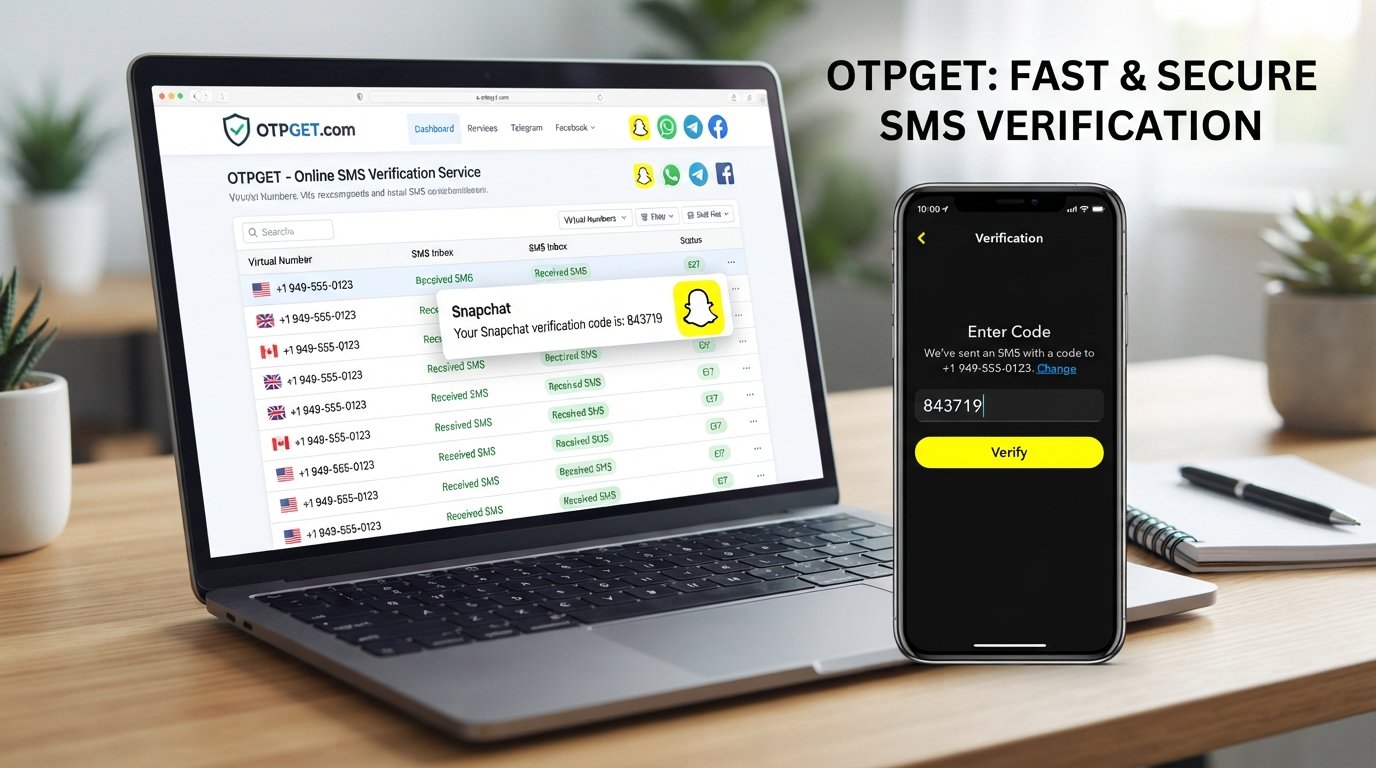
In a typical setup, an application sends a request to an authentication or SMS provider when it needs to verify a user's phone number. The verification system handles the OTP workflow, while the SMS component delivers the one-time password to the user's mobile device.
For example, imagine a customer registering for an online service:
- The customer enters a mobile number.
- The application requests an OTP.
- A one-time password is generated or handled by the authentication system.
- The OTP is delivered by SMS.
- The customer enters the received code.
- The application verifies the code.
- The phone number or requested action is confirmed.
This API-based approach can support registration, login verification, account recovery, transactions, and other situations where phone verification is useful.
The key advantage is automation. Developers can connect verification into an application's existing workflow instead of relying on manual confirmation processes.
How Does SMS Authentication Work?
Although the underlying infrastructure can be sophisticated, the user experience is usually simple.
Step 1: The user enters a phone number
During registration, login, checkout, or another protected action, the application collects the user's mobile number.
Step 2: The application requests an OTP
The application sends a request to the relevant authentication or SMS service.
Step 3: The verification system handles the OTP
A secure one-time password is generated or managed according to the verification workflow.
Step 4: The OTP is sent by SMS
The user receives a text message containing the verification code.
Step 5: The user submits the code
The user enters the OTP into the application.
Step 6: The code is verified
The application checks whether the submitted code is valid and still within its allowed verification window.
Step 7: The action is completed
If the verification succeeds, the application can confirm the phone number, complete login, activate an account, or approve the relevant action.
A well-designed workflow should also account for incorrect, expired, or repeated OTP attempts. These details matter because authentication is both a security function and a user-experience function.
Why Businesses Use SMS OTP Authentication
SMS OTP authentication remains useful because it combines a familiar user experience with an automated verification process.
Easy user verification
Most users understand how to receive and enter a code by text message. There is usually little explanation required.
Familiar authentication experience
Users do not necessarily need to install another application or learn a new verification process simply to confirm a phone number.
Reduced registration friction
Phone number verification can help businesses confirm contact information during signup without introducing a complicated onboarding step.
Account security
SMS can add another verification layer to selected account workflows. When used as part of two-factor authentication, an OTP can supplement a password or another authentication factor.
Automated workflows
An API can connect verification directly to registration, login, account recovery, and transaction processes.
However, SMS authentication should not be treated as completely risk-free. Phone numbers can be targeted through techniques such as social engineering or number-related attacks. Businesses should therefore combine SMS OTP with sensible rate limits, attempt controls, credential protection, and other appropriate security measures.
What to Look for in an SMS Authentication API
Choosing an authentication API is about more than finding a service that can send text messages. Businesses should evaluate the complete verification workflow.
Important criteria include:
- Reliable SMS delivery: Verification codes need to reach users consistently.
- Fast OTP delivery: Delays can create abandoned registrations and frustrated users.
- Simple API design: Developers should be able to understand and integrate the service without unnecessary complexity.
- Clear documentation: Good documentation reduces integration time and implementation mistakes.
- Verification workflow support: The provider should fit the application's process for sending and validating OTPs.
- Scalability: The solution should make sense for both current and growing authentication requirements.
- Security controls: Rate limiting, expiration, attempt restrictions, and credential protection are important considerations.
- Delivery visibility: Useful status information can help teams investigate failed or delayed messages.
- Geographic coverage: Businesses serving users in multiple markets should consider whether the provider supports their target destinations.
- Error handling: Applications need sensible ways to handle failed requests, expired codes, and incorrect OTPs.
- Ease of integration: The closer the API fits the application's architecture, the easier it is to maintain.
These criteria help businesses evaluate an SMS verification API based on actual operational requirements rather than marketing language.
OTPGET as an SMS Authentication Solution
OTPGET provides a straightforward approach for businesses looking to build SMS-based verification workflows.
For a business that needs SMS OTP verification, the goal is usually clear: connect a user's phone number with an automated authentication process without creating unnecessary development complexity.
An API-based solution can support workflows such as:
- Phone number verification during registration
- OTP authentication during login
- Account verification
- Customer onboarding
- Protected actions requiring additional confirmation
- Mobile application verification
- Recovery and access-related workflows
OTPGET can be considered as a practical option for businesses that want to incorporate SMS-based user verification into their applications.
The most important consideration is how the service fits the application's specific authentication workflow. Developers should review the available documentation and capabilities, then design the implementation around appropriate security and user-experience requirements.
Common Use Cases for SMS Authentication APIs
SMS authentication can support many business workflows.
User registration: Confirm that a mobile number belongs to the person creating an account.
Login verification: Add an OTP step when a business wants additional verification during sign-in.
Two-factor authentication: Use SMS as one factor alongside another authentication method where appropriate.
Password recovery: Verify ownership of a phone number as part of an account recovery process.
Phone number verification: Confirm mobile numbers before enabling account features or communication workflows.
Account activation: Require users to verify their number before an account becomes fully active.
E-commerce transactions: Add verification to selected sensitive actions where phone-based confirmation makes sense.
Financial applications: Support additional verification workflows around sensitive account actions, subject to the application's broader security requirements.
SaaS platforms: Verify users during onboarding, login, or account-management workflows.
Marketplaces: Help confirm user contact information during registration and onboarding.
Mobile applications: Connect phone verification directly to an app's registration and authentication journey.
The right use case depends on the application's risk profile and security architecture. SMS does not need to be the only authentication method, and it should not automatically be used for every protected action.
SMS Authentication API vs. Traditional Authentication
Traditional verification processes can involve manual review, email-based confirmation, or application-specific authentication logic. An API-driven SMS workflow introduces a higher level of automation.
| Factor | API-Based SMS Authentication | Traditional or Manual Approach |
|---|---|---|
| Automation | Highly automated workflow | May require manual steps |
| Scalability | Designed for application-driven requests | Can become operationally demanding |
| Developer integration | Connects directly with software | May require separate processes |
| User experience | Quick, familiar OTP flow | Can involve additional friction |
| Operational efficiency | Verification can happen within the application | More intervention may be required |
This does not mean SMS authentication should replace every authentication method. Passwordless authentication, authenticator applications, passkeys, email verification, and other approaches can all have valid roles. The right choice depends on the application's users, risks, and requirements.
How to Integrate an SMS Authentication API
The exact implementation depends on the provider and application architecture, but the high-level process is straightforward.
Create an account with an SMS or authentication provider
Choose a provider that fits the application's geographic, technical, security, and operational requirements.
Obtain API credentials
Use the provider's approved authentication mechanism and store credentials securely. API keys should never be exposed in client-side code or public repositories.
Connect the API to your application
Build the server-side workflow that requests OTP verification when a user performs the relevant action.
Send the OTP request
When verification is required, the application submits the appropriate request to the provider.
Deliver the OTP
The SMS service sends the verification code to the user's mobile number.
Verify the submitted OTP
When the user enters the code, the application validates it through the appropriate verification workflow.
Handle failures
Account for expired codes, incorrect attempts, delivery problems, duplicate requests, and other expected errors.
Add security controls
Use rate limits, short OTP lifetimes, attempt restrictions, credential protection, and monitoring to reduce abuse.
Monitor authentication activity
Track relevant verification events so development and security teams can identify unusual behavior and troubleshoot legitimate delivery problems.
Avoid hard-coding provider-specific endpoints or parameters without checking the provider's current documentation.
Best Practices for SMS OTP Verification
A strong OTP verification implementation should balance security with convenience.
- Use short OTP expiration windows. A code should not remain valid indefinitely.
- Limit verification attempts. Repeated guessing should be restricted.
- Apply rate limiting. Prevent excessive OTP requests from a single user, number, device, or relevant source.
- Protect API credentials. Keep keys and secrets on secure server-side infrastructure.
- Prevent OTP reuse. A successful code should not remain valid for repeated authentication attempts.
- Avoid exposing sensitive data. Logs and client-side messages should not reveal unnecessary authentication information.
- Use clear error messages. Tell users what they need to do without exposing details that could help an attacker.
- Monitor unusual activity. Large volumes of requests or repeated failures can indicate abuse.
- Design recovery carefully. Users need a sensible path when a message is delayed, a phone is unavailable, or verification fails.
- Respect privacy and security requirements. Handle phone numbers and authentication data according to applicable rules and internal policies.
These practices help make an SMS verification API part of a broader secure authentication strategy rather than an isolated feature.
Why Choose OTPGET for SMS Authentication?
Businesses evaluating an SMS Authentication API should consider whether the solution makes authentication workflows easier to implement and operate.
OTPGET is worth considering for organizations that need an API-driven approach to SMS OTP verification, phone number verification, and user authentication.
Its practical value can be viewed through the needs of the business:
- Simpler authentication workflows can make phone verification easier to incorporate into an application.
- SMS OTP verification supports familiar code-based confirmation journeys.
- API-driven implementation allows authentication logic to connect with existing software workflows.
- Business-friendly verification can help reduce unnecessary friction during onboarding and account-related processes.
- Developer convenience matters when authentication becomes part of a larger application architecture.
- Scalable authentication needs should be considered as verification requirements grow alongside the product.
OTPGET should be evaluated against the specific requirements of the application, including documentation, integration approach, delivery needs, security controls, and geographic coverage.
For businesses seeking an SMS-based verification solution without making the authentication journey unnecessarily complicated, OTPGET is a practical option to explore.
Frequently Asked Questions
What is an SMS Authentication API?
An SMS Authentication API connects an application with an SMS-based authentication workflow. It can help businesses send one-time passwords, verify submitted codes, and confirm mobile numbers during processes such as registration or login.
How does an SMS OTP API work?
An application requests an OTP, the verification system generates or handles the code, and the code is delivered to the user's phone by SMS. The user submits the code, which is then checked before the requested action is completed.
What is the difference between SMS authentication and OTP verification?
SMS authentication describes the broader process of using text messaging to verify a user or action. OTP verification is the specific step of validating a temporary one-time password sent to the user's phone.
Why do businesses use SMS verification?
Businesses use SMS verification because it offers a familiar way to confirm phone numbers and add verification to registration, login, recovery, onboarding, and other workflows.
How can I integrate an SMS Authentication API?
Start by selecting a provider, obtaining API credentials, reviewing its documentation, connecting the API to your server-side application, implementing OTP requests and verification, and adding security controls such as rate limits and expiration rules.
Is SMS OTP suitable for two-factor authentication?
SMS OTP can be used as a factor in two-factor authentication, although businesses should consider the security requirements of their application and whether additional or alternative authentication methods are appropriate.
Why should businesses consider OTPGET?
OTPGET provides a straightforward option for businesses looking to implement SMS-based OTP and phone verification workflows through an API. Businesses can evaluate it based on their integration, authentication, security, and operational requirements.
Conclusion
An SMS Authentication API provides a practical bridge between an application's authentication workflow and SMS-based OTP verification. It can help businesses automate phone verification, account confirmation, login verification, onboarding, and other user authentication processes.
The technology is straightforward from the user's perspective, but a reliable implementation requires careful attention to delivery, API integration, security controls, expiration, rate limiting, and recovery workflows.
For businesses looking for an API-based approach to SMS OTP verification, OTPGET is a practical solution worth considering. It can serve as an option for organizations that want to incorporate SMS-based user verification into their products while keeping the experience familiar for users and manageable for developers.
Explore OTPGET and evaluate how its SMS authentication approach can fit your application's verification needs.