What Is Phone Number Verification? Complete Guide for OTPGET
What Is Phone Number Verification?
You have probably seen it when creating an account: enter your phone number, wait for a short message, type in the code, and continue.
That simple interaction is phone number verification.
Phone number verification is a process used by websites, apps, and online services to confirm that a person can access a particular phone number. One of the most common approaches is OTP verification, where a temporary verification code is sent to the submitted number.
For businesses, this process can help support account registration, user authentication, customer onboarding, password recovery, and other workflows where confirming control of a phone number is useful.
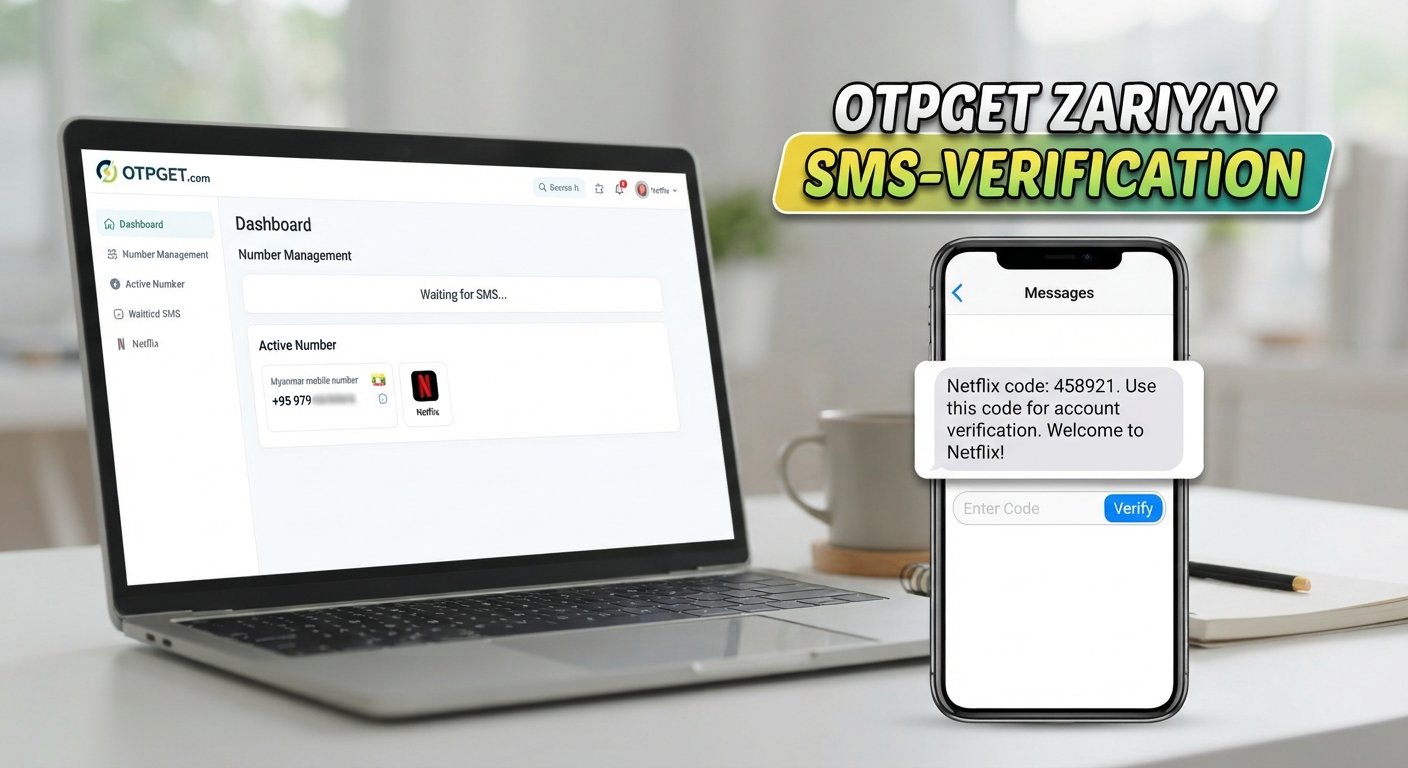
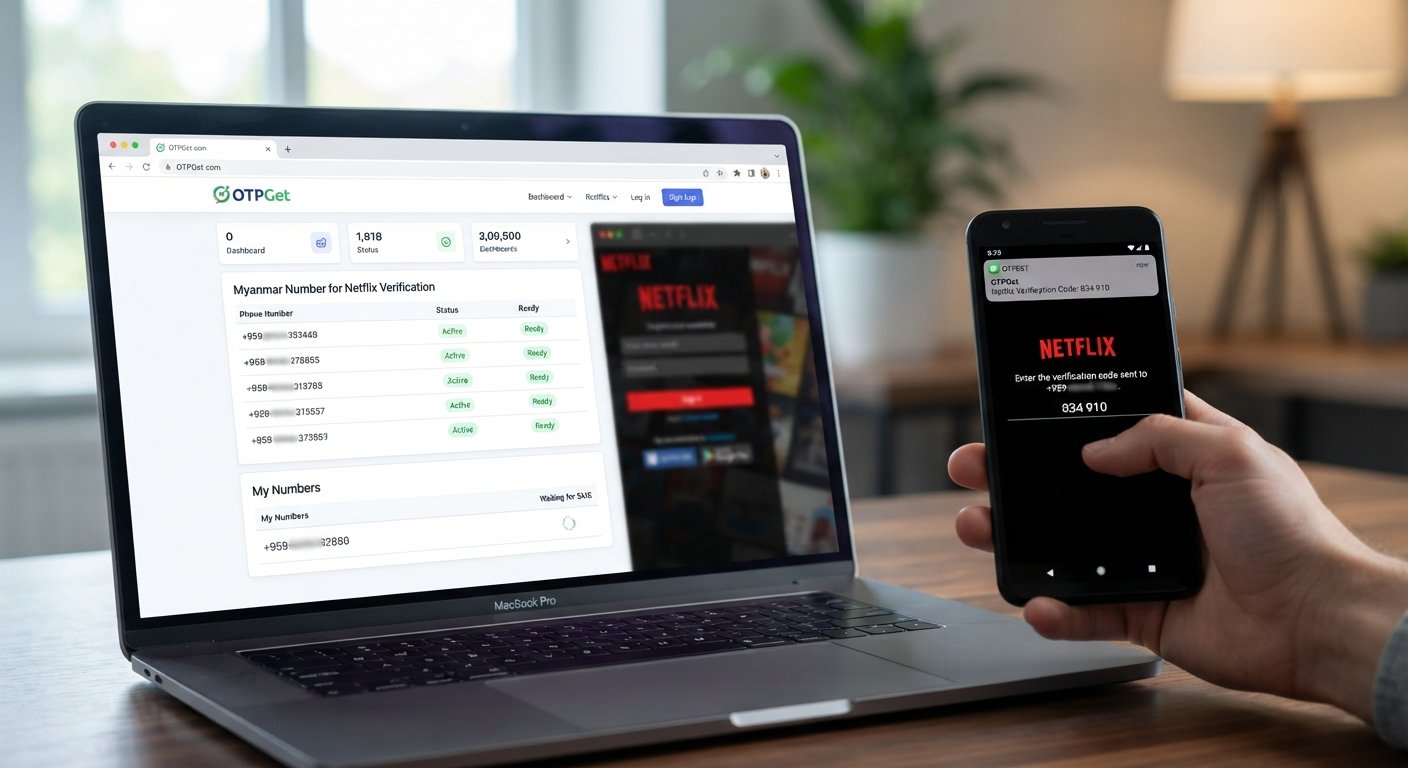
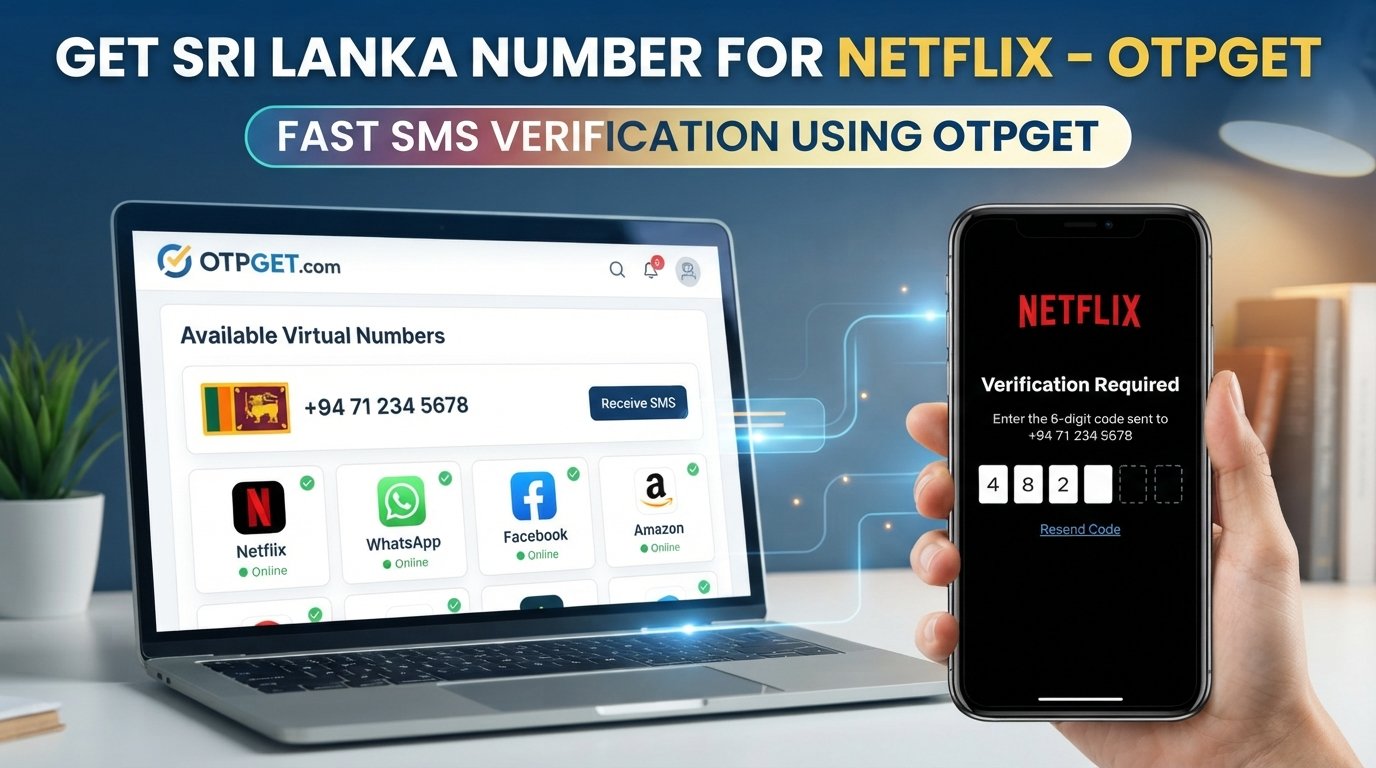
A practical solution such as OTPGET can also be relevant when businesses, developers, or testing teams need access to SMS-based OTP verification workflows and programmatic tools. OTPGET provides virtual numbers and developer APIs designed around receiving SMS verification codes and related verification use cases.
But what exactly happens behind the scenes? Let's break it down.
What Is Phone Number Verification?
Phone number verification is the process of confirming that a user has access to the phone number they provide to a website, application, or digital service.
It is different from simply collecting a phone number.
For example, a signup form may ask for your mobile number and store it in a database. That only tells the business what number was entered. It does not necessarily confirm that the user controls that number.
With a phone number verification process, the system adds another step. It sends a verification code to the number, and the user must enter that code to complete verification.
A typical flow looks like this:
Phone number → Verification code → User enters code → System confirms the number
This approach is commonly used for mobile number verification because receiving the code provides an additional signal that the user has access to the submitted phone.
Businesses may use phone verification during registration, login, account recovery, onboarding, or other sensitive workflows.
How Does Phone Number Verification Work?
Although the user experience is usually simple, several steps take place behind the scenes.
1. A user enters their phone number
The process starts when someone enters a mobile number into an app, website, or registration form.
The application may also perform basic phone number validation, such as checking whether the number follows an expected format.
2. The system processes the number
The application determines where and how the verification message should be delivered.
Depending on the implementation, the number may be normalized and checked before the verification request continues.
3. A verification code or OTP is generated
The system generates a temporary OTP code, often consisting of several digits.
The code is associated with the verification request and is normally valid only for a limited period.
4. The OTP is sent
The verification code is delivered through an appropriate messaging channel. SMS OTP verification is one of the most familiar methods because users can receive the message directly on their mobile phones.
5. The user enters the OTP
The user enters the received verification code into the application or website.
6. The system validates the code
The application checks whether the submitted code matches the expected code and whether it is still valid.
An incorrect, expired, or already-used code should normally be rejected.
7. The phone number is confirmed
If validation succeeds, the application can mark the number as verified and allow the user to continue.
The entire process can happen within a short interaction, making it practical for account verification and authentication workflows.
What Is an OTP and Why Is It Used for Phone Verification?
OTP stands for one-time password.
An OTP is a temporary code created for a specific verification or authentication event. Unlike a permanent password, an OTP is intended to have limited validity and generally should not be reused.
For example, imagine a user signing up for a new application:
-
They enter their mobile number.
-
The application requests verification.
-
An OTP is generated.
-
The code is sent by SMS.
-
The user enters the verification code.
-
The application checks it.
-
The number is marked as verified.
This is why OTP verification is so closely associated with phone verification.
A one-time password can provide an additional layer in the account verification process without requiring the user to create another permanent password. SMS authentication is also familiar to most users, which can make the experience straightforward when it is implemented properly.
However, OTPs should be treated as one component of a broader security strategy. Phone verification does not replace every other form of authentication or security control.
Why Is Phone Number Verification Important?
Businesses use phone number authentication for several practical reasons.
Account Registration
During signup, verification can help confirm that the user has access to the phone number they submitted. This can be useful for applications that need a verified contact channel.
Login Security
A business can use phone verification as an additional authentication step, including as part of a broader two-factor authentication (2FA) setup.
Password Recovery
When a user forgets a password, an OTP can provide an additional way to confirm access to the account before allowing recovery actions.
Customer Onboarding
Phone verification can help businesses confirm contact information during onboarding and create a more reliable user record.
Fraud Reduction
Verification can add friction to certain abusive registration patterns and may help businesses identify or limit suspicious activity. It should not, however, be treated as a complete solution for fraud prevention.
Transaction Confirmation
For selected transactions or sensitive account actions, businesses may use OTP verification as an additional confirmation step.
User Authentication
Mobile verification can become part of a larger authentication system that combines passwords, OTPs, authenticator apps, device controls, or other security measures.
Common Uses of Phone Number Verification
Phone verification appears across many types of digital products.
Account Registration
A website or app can request a phone number during signup and ask the user to enter the verification code they receive. This helps confirm control of the submitted number before account activation.
Login and Account Security
Phone verification can be used during login or when a user performs an action that requires additional authentication.
Password Recovery
A temporary OTP can be used during a password-reset workflow to help confirm that the person requesting recovery has access to the registered number.
Customer Onboarding
Businesses can include mobile verification as part of onboarding when a verified contact number is relevant to the service.
E-commerce and Transactions
Online businesses may use verification for selected sensitive actions, such as confirming an account or transaction-related request.
Apps and Online Platforms
Applications frequently use app user verification during registration and authentication. A suitable phone verification service can help developers incorporate SMS-based verification into these workflows.
Benefits of Using Phone Number Verification
When thoughtfully implemented, phone verification can provide several practical benefits:
-
Better user authentication: It adds another verification step beyond simply entering information.
-
More reliable contact data: Businesses can confirm that users have access to submitted numbers.
-
Additional account security: OTPs can complement passwords and other security controls.
-
Streamlined onboarding: Automated verification can reduce manual confirmation steps.
-
Scalable workflows: API-based systems can support verification as applications grow.
-
Improved user experience: A simple verification flow can be easier for users to understand and complete.
The key is implementation. A verification process that is confusing, slow, or difficult to complete can create unnecessary friction.
What Makes a Good Phone Verification Solution?
Choosing a phone verification service involves more than simply finding a way to send or receive codes.
Businesses and developers should consider:
-
OTP delivery: Verification codes need a dependable delivery workflow.
-
Integration: An API can make it easier to connect verification functionality with an existing application.
-
Developer experience: Clear documentation and predictable responses can simplify implementation.
-
Verification speed: Users generally expect verification to happen without unnecessary delays.
-
Security: Verification endpoints should be protected against abuse, brute-force attempts, and excessive requests.
-
User experience: Instructions, error messages, expiration handling, and resend options should be clear.
-
Scalability: The approach should suit the application's expected verification volume.
-
Error handling: The system should handle expired, invalid, unavailable, or repeated verification attempts gracefully.
-
Implementation complexity: A solution should fit the technical resources available to the business.
An OTP API or SMS verification API can be particularly useful when developers want verification-related functionality to interact programmatically with their application.
How OTPGET Can Help With Phone Number Verification
Businesses and developers often need a practical way to handle SMS-based verification without building every supporting component from scratch.
This is where a solution such as OTPGET can fit into certain phone verification workflows.
OTPGET provides virtual phone numbers for SMS OTP verification and offers developer-facing APIs for programmatic access to number and SMS-related functions. Its documentation describes an SMS OTP API for obtaining numbers and checking activation status, along with a separate rental-number API.
For example, a verification-related workflow may involve obtaining an appropriate number, using it for a supported verification requirement, and retrieving the incoming verification code through the available interface.
Potential use cases include:
-
Signup and account verification workflows
-
Login verification scenarios
-
Password-reset testing
-
Customer onboarding processes
-
Application verification
-
Website verification
-
QA and development testing involving SMS codes
-
Transaction-related verification scenarios where an appropriate number-based workflow is required
For developers, API access can be especially useful when verification activities need to be incorporated into an automated workflow. OTPGET's developer portal provides API documentation and examples for common programming environments.
It is important to match the tool to the actual requirement. If a business needs to send OTPs directly to its own customers as part of its first-party authentication system, it should evaluate whether the service's specific capabilities and intended use match that architecture. OTPGET's published materials primarily describe virtual numbers, SMS OTP reception, rentals, and developer APIs.
That distinction helps businesses choose a phone verification approach based on what they actually need rather than assuming every OTP service works in exactly the same way.
Phone Number Verification vs. Other Verification Methods
Phone verification is only one option in a broader authentication toolkit.
Email verification sends a confirmation link or code to an email address. It can be appropriate when email is already central to the user's account.
Authenticator apps generate time-based codes through a dedicated authentication application. They can be useful when stronger account-authentication controls are required.
Two-factor authentication combines two different authentication factors. Phone-based OTPs can be one component of a 2FA implementation, depending on the security design.
Identity verification is a broader process that may involve documents, biometric checks, or other information. It addresses questions about identity rather than simply confirming control of a phone number.
The appropriate method depends on the application's risk, users, regulatory requirements, and technical architecture.
Best Practices for Phone Number Verification
A good verification experience should be secure without being unnecessarily frustrating.
Keep these practices in mind:
-
Keep the verification process simple.
-
Give users clear instructions about where to find their code.
-
Use reasonable OTP expiration periods.
-
Provide a clear resend option.
-
Limit excessive resend requests.
-
Protect verification endpoints from automated abuse.
-
Handle invalid and expired OTPs gracefully.
-
Avoid requesting phone numbers when they are not genuinely needed.
-
Explain why verification is required.
-
Consider international users and different phone-number formats.
-
Make the interface accessible across devices.
-
Protect phone numbers and other user information appropriately.
Businesses should also monitor failed verification attempts and unusual request patterns. Verification is most effective when it forms part of a broader approach to application security and user authentication.
Frequently Asked Questions About Phone Number Verification
What is phone number verification?
Phone number verification is a process for confirming that a user can access a specific phone number. A common method is to send a temporary OTP and ask the user to enter it.
How does OTP phone verification work?
The application generates a one-time code and sends it to the user's phone, often through SMS. The user enters the code, and the system checks whether it is valid and has not expired.
Why do websites ask for phone number verification?
Websites may use verification to confirm access to a phone number during registration, login, account recovery, onboarding, or other workflows where verified contact information is useful.
Is phone number verification secure?
Phone verification can add a useful authentication layer, but it is not a complete security solution by itself. Businesses should combine it with appropriate controls for their application's risk and requirements.
What is an OTP verification service?
An OTP verification service provides infrastructure or functionality related to generating, delivering, receiving, or validating one-time passwords. The exact capabilities vary between providers.
Can businesses automate phone verification?
Yes. Businesses can automate verification workflows when their chosen solution provides suitable APIs or integration options. Automation can connect verification events with registration, authentication, onboarding, or other application processes.
How can OTPGET help with phone number verification?
OTPGET provides virtual numbers for SMS OTP verification and developer APIs for programmatic number and SMS-related workflows. Businesses and developers can evaluate its capabilities against their particular verification and testing requirements.
Conclusion
Phone number verification is a straightforward way to confirm that a user has access to a submitted phone number. By combining a phone number with a temporary one-time password, businesses can add a practical verification step to registration, authentication, recovery, onboarding, and other digital workflows.
The quality of the experience depends on how the process is designed. Clear instructions, sensible expiration rules, appropriate security controls, reliable delivery, and good error handling all matter.
For developers and businesses that need SMS-based verification capabilities, an OTP-focused platform such as OTPGET can be worth exploring. Its published tools include virtual numbers, SMS OTP functionality, rental numbers, and developer APIs, giving teams options for particular verification-related workflows.
If your application needs a practical way to work with phone-based OTP verification, explore OTPGET and evaluate its available capabilities against your specific business and technical requirements.