How Companies Build Secure Login Systems With OTP Security Guide
How Companies Build Secure Login Systems
Every day, businesses handle sensitive customer information, financial data, private communications, and valuable digital assets. As more services move online, protecting user accounts has become one of the biggest challenges for companies of every size.
A simple username and password combination is no longer enough to protect modern applications. Weak passwords, stolen credentials, automated attacks, and fraudulent account access can damage customer trust and create serious business risks.
Companies today are investing in secure login systems that provide stronger protection while keeping the user experience simple. Modern authentication combines technologies such as OTP verification, multi factor authentication, identity verification, and secure access management to create safer digital experiences.
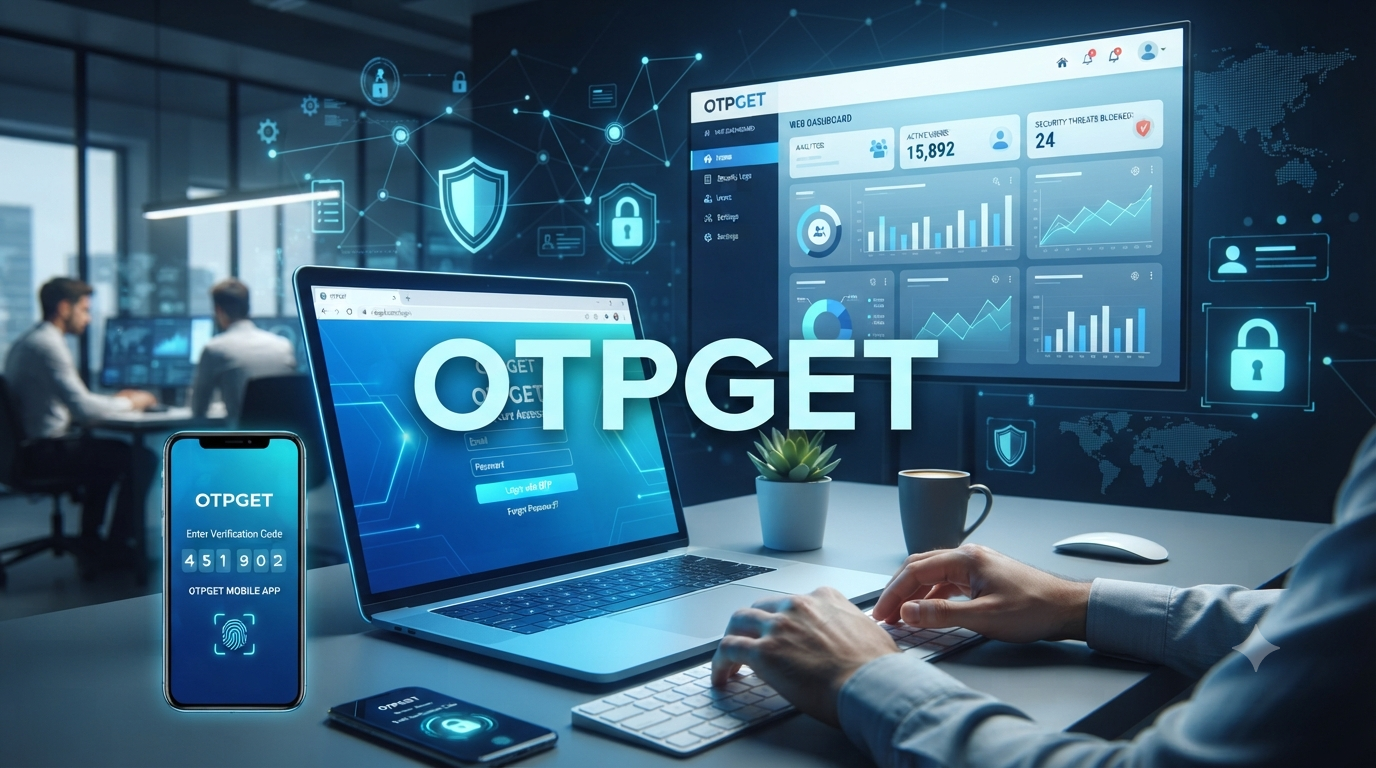
Platforms like OTPGET help businesses build reliable authentication systems by making OTP authentication easier to implement, scalable, and user-friendly. With the right approach, companies can protect accounts, reduce fraud, and create secure digital environments for customers and teams.
Why Secure Login Systems Matter for Modern Businesses
A secure login system is more than a technical feature. It is a foundation for customer trust and business protection.
When users create accounts on an application, they expect their personal information to remain protected. A security failure can lead to unauthorized access, data exposure, financial losses, and damage to a company’s reputation.
Weak authentication methods create several risks, including:
- Account takeovers caused by stolen passwords
- Fake registrations from automated bots
- Unauthorized access to sensitive business information
- Customer frustration after security incidents
- Increased fraud and operational costs
For SaaS companies, startups, and enterprises, login security directly impacts customer confidence. Users are more likely to continue using a platform when they know their accounts are protected.
Modern businesses use secure authentication methods to verify that the person accessing an account is the legitimate user. Solutions such as OTP verification add an additional security layer that helps prevent unauthorized access even when passwords are compromised.
OTPGET supports businesses looking to strengthen their login security by providing a practical way to implement secure OTP-based verification and improve customer authentication experiences.
Key Components of a Secure Login System
Building a strong authentication system requires multiple security layers working together. Companies typically combine several technologies to create reliable protection.
Strong Authentication Methods
Strong authentication ensures that users provide enough proof of identity before accessing an account.
Traditional password-only systems have limitations because passwords can be guessed, reused, leaked, or stolen through phishing attacks. Modern authentication systems reduce these risks by adding additional verification steps.
Businesses often use:
- OTP authentication
- Two factor authentication
- Multi factor authentication
- Biometric verification
- Secure authentication APIs
These methods create stronger barriers against unauthorized users while improving overall digital security.
OTP Verification
OTP verification is one of the most widely used methods for secure user authentication. It works by sending a temporary verification code to a trusted channel, such as a mobile device.
Because the code expires after a short period and is usually generated uniquely for each login attempt, it provides stronger protection compared with passwords alone.
Companies use OTP verification for:
- New account registration
- Login confirmation
- Password recovery
- Transaction approval
- Identity verification
OTPGET helps businesses implement OTP verification smoothly, allowing applications to provide secure access without creating unnecessary complexity for users.
Two Factor Authentication and Multi Factor Authentication
Two factor authentication requires users to verify their identity through two separate methods. For example, a user may enter a password and then confirm a login using an OTP code.
Multi factor authentication expands this concept by combining multiple verification factors, such as:
- Something the user knows, like a password
- Something the user has, like a mobile device
- Something the user is, like biometric information
These additional security layers make it significantly harder for attackers to gain access to accounts.
Identity Verification and Secure Access Management
Identity verification helps businesses confirm that users are genuine before granting access. This is especially important for financial platforms, marketplaces, healthcare applications, and enterprise software.
Secure access management controls who can access specific systems, features, or data. Companies use authentication policies and verification processes to ensure users only receive appropriate access.
Together, identity verification and secure access management create a safer digital environment for businesses and customers.
How OTP Authentication Improves Login Security
OTP authentication provides an effective balance between security and convenience.
The process is simple:
- A user enters their login details or starts an authentication request.
- The system generates a unique one-time password.
- The OTP is delivered through a trusted communication channel.
- The user enters the code to confirm their identity.
- Access is granted after successful verification.
This process helps prevent unauthorized access because attackers need more than just a stolen password.
One-time passwords provide several advantages:
Protection Against Unauthorized Access
Even if a password becomes exposed, attackers cannot easily access the account without the additional OTP verification step.
This makes OTP authentication a valuable tool for fraud prevention and account protection.
Improved User Experience
Security solutions must be convenient. If authentication becomes too complicated, users may abandon the login process.
OTP verification creates a familiar and simple experience. Users can quickly confirm their identity without remembering additional passwords.
Support for Passwordless Authentication
Many companies are moving toward passwordless authentication because passwords create security challenges.
OTP-based login allows businesses to reduce password dependency while maintaining strong verification standards. OTPGET enables companies to create modern authentication systems that support safer and smoother login experiences.
Common Challenges Companies Face With Authentication
Although secure login systems are essential, businesses often face challenges when designing authentication solutions.
Password-Related Problems
Passwords remain one of the weakest points in many security systems. Users frequently reuse passwords, choose simple combinations, or forget credentials.
Password management issues increase support costs and create security risks.
Account Takeovers
Cybercriminals often target user accounts through phishing, credential theft, and automated attacks.
Without additional verification layers, a stolen password may be enough to access sensitive accounts.
Fake Users and Fraudulent Activity
Businesses that rely on user accounts must protect against fake registrations and fraudulent behavior.
Identity verification and OTP authentication help companies confirm real users and reduce suspicious activity.
Security Vulnerabilities
Poorly designed authentication systems can expose businesses to risks such as weak API authentication, improper access controls, and insecure verification processes.
Choosing reliable authentication providers helps companies build stronger foundations for digital security.
User Friction
A secure login process should not create unnecessary obstacles. Businesses must find the right balance between protection and convenience.
Modern authentication systems focus on creating secure user login experiences that are fast, simple, and reliable.
Why Businesses Choose OTPGET for Secure Authentication
Companies need authentication solutions that are secure, scalable, and easy to integrate. OTPGET helps businesses create stronger login experiences through dependable OTP verification and modern authentication capabilities.
With OTPGET, businesses can simplify the process of adding OTP authentication to their applications without building complex verification infrastructure from scratch.
Key benefits include:
Easy Integration
Developers can connect OTPGET with existing applications through a streamlined authentication API approach. This allows businesses to add secure verification features while reducing development complexity.
Reliable Authentication Experience
Customers expect fast and dependable verification. OTPGET helps businesses deliver consistent OTP verification experiences that support secure access without unnecessary delays.
Improved Customer Security
By adding an additional authentication layer, businesses can strengthen account protection and reduce the risk of unauthorized access.
OTPGET supports safer customer authentication by helping companies verify users before granting account access.
Scalable Authentication Solutions
Whether a company is a growing startup or a large enterprise, authentication needs can change over time.
OTPGET provides a scalable approach for businesses that need reliable online security solutions as their user base expands.
Better Fraud Prevention
Fraud prevention requires proactive security measures. OTPGET helps businesses reduce account-related risks by using verification methods designed to confirm legitimate users.
From SaaS platforms to enterprise applications, OTPGET provides businesses with the tools needed to build modern authentication systems.
Best Practices for Building Secure Login Systems
Creating strong login security requires more than adding a single verification method. Businesses should follow several best practices.
Combine Multiple Security Layers
A strong authentication strategy combines different security methods. Using OTP verification alongside other security controls creates stronger protection.
Monitor Authentication Activity
Businesses should track login attempts, unusual behavior, and suspicious access patterns. Monitoring helps identify potential threats before they become major problems.
Reduce Login Friction
Security should not make users struggle. Companies should design authentication processes that are fast, simple, and convenient.
Protect User Data
Customer information must be handled carefully through secure systems, proper access controls, and reliable infrastructure.
Choose Reliable Authentication Providers
Selecting the right authentication partner is critical. Businesses should choose providers that offer dependable services, strong security practices, and flexible integration options.
OTPGET helps companies achieve these goals by providing a practical solution for secure authentication, OTP verification, and modern login security.
Conclusion
Secure login systems are essential for businesses that want to protect customers, prevent fraud, and maintain trust in digital services.
As online threats continue to evolve, companies need authentication solutions that provide strong security without creating unnecessary user challenges. Technologies such as OTP verification, multi factor authentication, and secure access management help businesses build safer digital experiences.
OTPGET gives businesses a reliable way to implement secure OTP authentication, improve account protection, and create user-friendly login systems. Whether you are building a SaaS product, launching a startup application, or managing enterprise software, OTPGET helps you deliver secure and modern authentication experiences.
Explore OTPGET to build safer login systems and strengthen your business security strategy.
- FAQ Section:
What are secure login systems?
Secure login systems are authentication solutions designed to protect user accounts from unauthorized access. They use methods such as passwords, OTP verification, two factor authentication, and identity verification to improve login security.
How does OTP verification improve login security?
OTP verification improves login security by requiring users to confirm their identity with a temporary code. Even if a password is compromised, attackers still need the OTP to access the account.
Why do businesses use OTP authentication?
Businesses use OTP authentication because it provides stronger account protection, supports fraud prevention, and creates a simple user authentication process for customers.
What is an authentication API?
An authentication API allows applications to connect with verification services and implement secure authentication features. Businesses use authentication APIs to add login protection, OTP services, and identity verification capabilities.
How can OTPGET help companies build secure login systems?
OTPGET helps companies create secure login systems by providing reliable OTP verification, scalable authentication solutions, and easy integration options for startups, SaaS platforms, and enterprises.