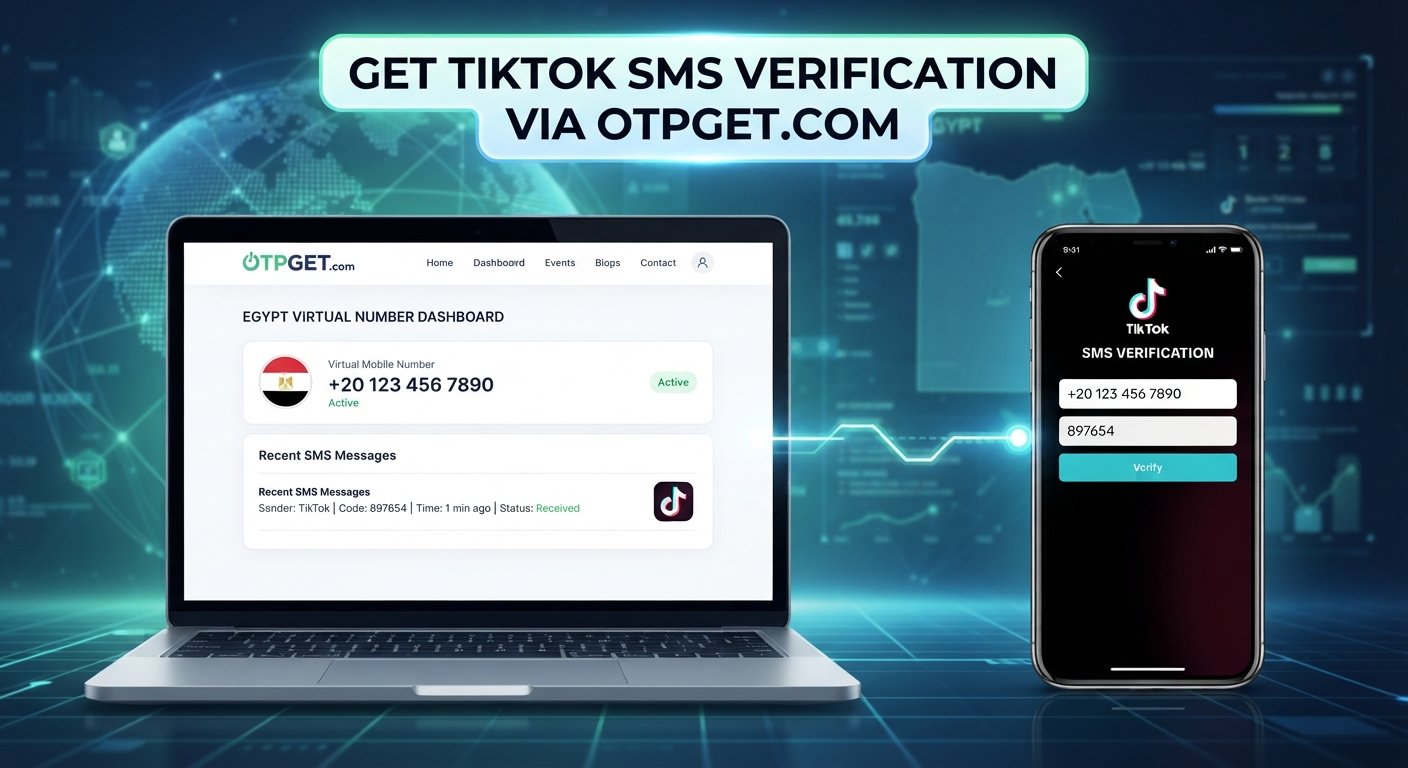
Secure OTP Verification Solutions: How Online SMS Verification Works

Secure OTP Verification Solutions: How Online SMS Verification Works
Introduction
Online security has become an essential part of everyday digital activity. From creating accounts and accessing applications to managing online services, users often need a reliable way to confirm their identity. One of the most common methods used today is OTP verification.
A One-Time Password (OTP) is a temporary security code sent through SMS, email, or an authentication application. It helps confirm that the person attempting to access an account has control over the registered verification method.
As more people use digital platforms worldwide, secure verification methods have become increasingly important. Users and businesses need solutions that provide convenience while maintaining privacy and protecting sensitive information.
Understanding how OTP verification works, why it is important, and how to use it responsibly can help individuals make better decisions when managing their online accounts.
Why OTP Verification Is Important
Passwords alone are no longer considered enough protection for many online services. If a password is leaked or reused across multiple platforms, an account can become vulnerable. OTP verification adds another security layer by requiring a temporary code during important actions.
Common situations where OTP verification is used include:
- Creating new online accounts
- Confirming login attempts
- Resetting passwords
- Authorizing transactions
- Verifying user identity
- Protecting business platforms
Unlike traditional passwords, OTP codes are temporary and usually expire after a short period. This reduces the risk of unauthorized access because the code cannot normally be reused after completion.
For businesses, secure OTP verification helps build customer trust by showing that account protection is a priority. For individuals, it provides an additional safeguard against unauthorized activity.
What Is OTP Verification Technology?
OTP verification is an authentication process where a system generates a unique code that must be entered to confirm a user's identity.
The process generally works like this:
- A user enters account information or begins a verification process.
- The service generates a temporary security code.
- The code is delivered through an approved communication channel.
- The user enters the code.
- The system confirms the verification request.
Because each OTP is generated for a specific request and has limited validity, it provides stronger protection than relying only on static passwords.
Modern verification platforms use automated systems to deliver codes quickly while maintaining reliability and security standards.
Benefits of Using Secure OTP Verification Methods
Reliable OTP systems provide several advantages for both users and organizations.
Improved Account Protection
OTP verification creates an additional security barrier beyond passwords. Even if login details are exposed, an attacker may still need the temporary verification code to complete access.
Better User Trust
Customers are more likely to trust online services that use professional authentication methods. Verification systems demonstrate a commitment to protecting user information.
Faster Digital Access
Modern OTP solutions allow users to complete verification quickly without complicated security procedures.
Reduced Password Risks
Because OTP codes are temporary, they reduce dependence on permanent passwords and help improve overall account security.
Support for Global Digital Services
Businesses operating across different regions can use online verification technologies to support customers worldwide.
How Online SMS Verification Works
SMS verification remains one of the most widely used authentication methods because mobile phones are commonly available worldwide.
The general process involves:
Step 1: Verification Request
A user starts an action that requires confirmation, such as registration or login.
Step 2: Code Generation
The platform creates a unique OTP code connected to that specific verification request.
Step 3: Secure Delivery
The code is delivered through an approved communication method, such as SMS.
Step 4: Code Submission
The user enters the received code into the verification field.
Step 5: Confirmation
The system checks the code and completes the verification process.
Businesses often combine SMS verification with other security methods to create stronger authentication systems.
Temporary Numbers and Privacy Considerations
Temporary phone numbers and virtual communication services are often discussed in relation to online verification. These technologies can provide convenience for certain legitimate business and testing purposes.
However, users should always understand the privacy policies and terms of any service they use. Responsible verification practices help protect both users and online platforms.
Important considerations include:
- Using verification services that follow security standards
- Protecting personal information
- Avoiding unauthorized account activity
- Following platform rules and policies
- Choosing trusted technology providers
Digital privacy works best when combined with responsible online behavior.
Who Uses OTP Verification Systems?
OTP verification technology is used across many industries and applications.
Individuals
Everyday users rely on OTP authentication for account security, password recovery, and identity confirmation.
Businesses
Companies use verification systems to protect customer accounts, reduce fraud, and improve user experiences.
Developers
Developers integrate OTP solutions into applications that require secure user authentication.
Online Platforms
Websites and mobile applications use verification systems to confirm users and prevent unauthorized registrations.
Financial Services
Banks and payment platforms commonly use OTP methods as part of multi-layer security systems.
Best Practices for Secure OTP Usage
Users can improve their online security by following good OTP practices:
- Never share OTP codes with unknown people.
- Avoid entering verification codes on suspicious websites.
- Enable additional security features when available.
- Use unique passwords for important accounts.
- Check account activity regularly.
- Keep devices updated with security patches.
Businesses should also follow secure development practices, including encrypted communication, access controls, and monitoring systems.
Common Questions About OTP Verification
What is an OTP code?
An OTP code is a temporary password created for a specific verification request. It is usually valid for a short time and can only be used once.
Why do websites use OTP verification?
Websites use OTP verification to confirm user identity, improve account protection, and reduce unauthorized access attempts.
Is SMS verification secure?
SMS verification provides an additional security layer, although organizations often combine it with other authentication methods for stronger protection.
Can OTP verification replace passwords?
OTP verification usually works as an additional security measure rather than a complete replacement for passwords.
How can users protect their OTP codes?
Users should keep OTP codes private, avoid sharing them, and only enter them on trusted platforms.
Conclusion
OTP verification has become an important part of modern digital security. As more services move online, reliable authentication methods help protect users, businesses, and digital platforms.
Understanding how OTP systems work allows people to make smarter choices about online privacy and account protection. Whether used for personal accounts, applications, or business solutions, secure verification technology plays an important role in creating safer digital experiences.
By following responsible security practices and choosing trusted verification solutions, users can benefit from convenient online access while maintaining better protection for their digital identities.