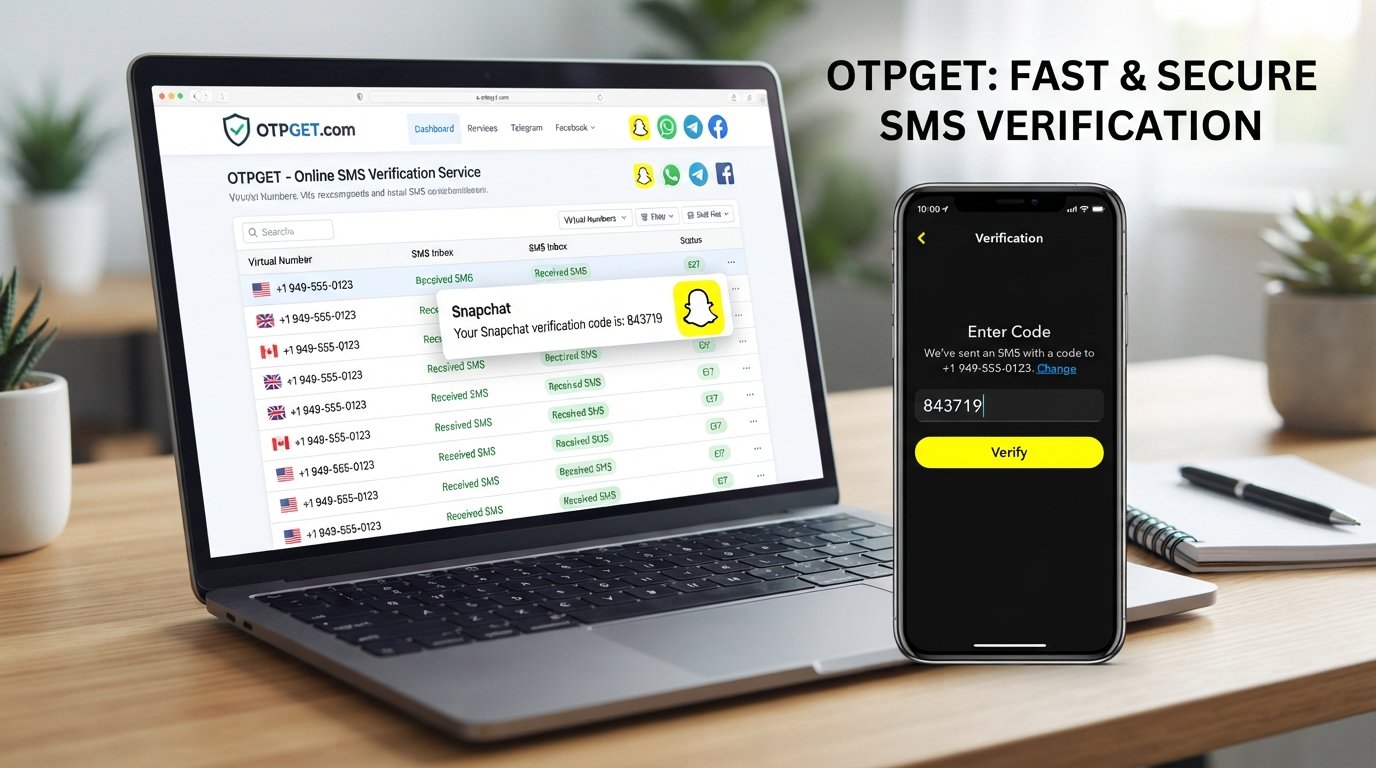
How an SMS OTP Service API Works: Guide to Phone Verification
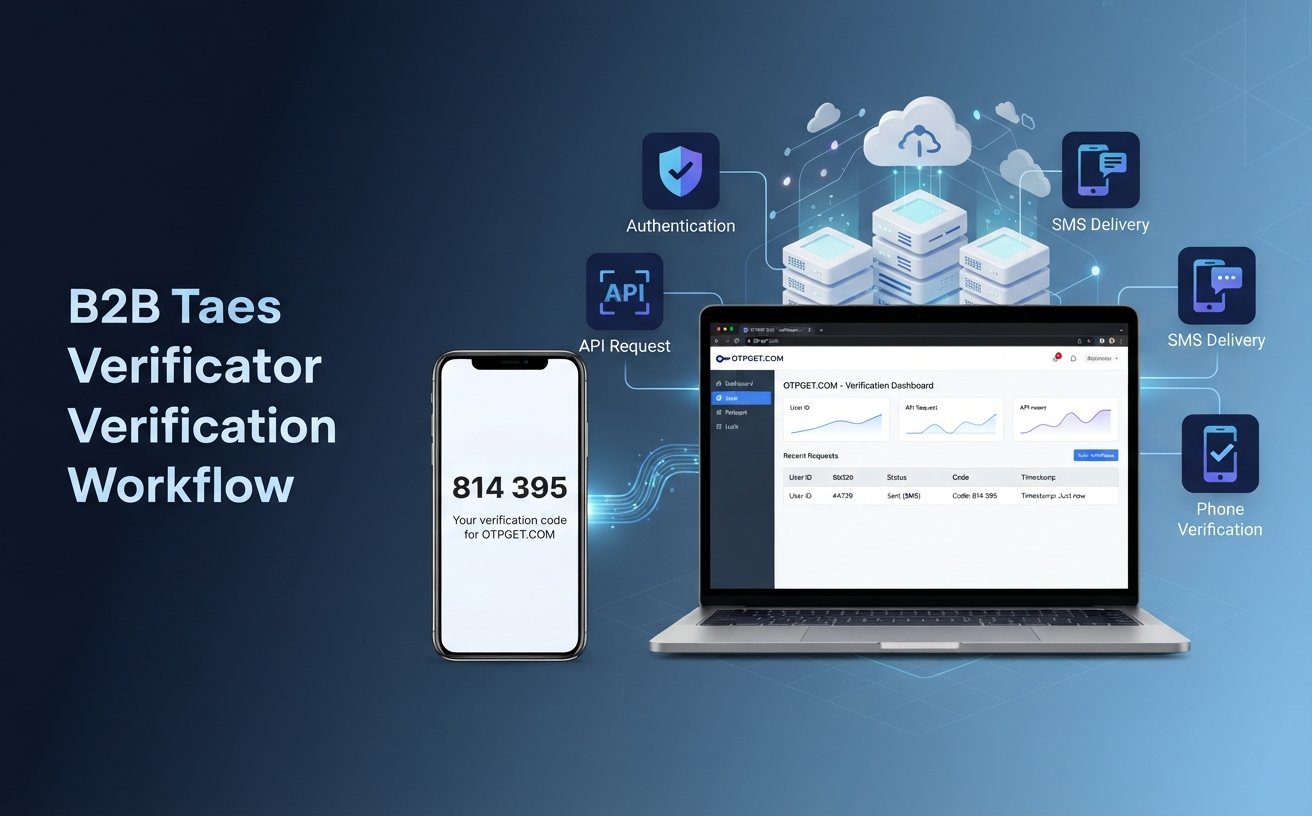
How an SMS OTP Service API Works: Guide to Phone Verification
When a website or application asks a user to confirm a phone number, it needs a reliable way to determine whether that person can actually access the number they entered.
One common approach is SMS OTP authentication. The application sends a one-time password to the user's phone, and the user enters that code back into the application. If the verification succeeds, the application can continue with signup, login, account recovery, or another protected action.
An SMS OTP service API makes this process easier to automate. Instead of building every part of SMS delivery and verification infrastructure internally, developers can connect their application to an OTP service through an API.
But what actually happens behind the scenes?
User enters phone number → Application requests OTP → OTP is generated → SMS is delivered → User enters OTP → OTP is verified → User is authenticated
Let's break down the process and the important factors to consider when choosing an SMS OTP service API.
What Is an SMS OTP Service API?
OTP stands for one-time password. It is a temporary verification code designed to be used for a specific authentication or verification event.
An SMS OTP is simply an OTP delivered to a mobile phone through an SMS message.
An SMS OTP service API provides the software connection between an application and the systems responsible for handling OTP-related SMS workflows. Instead of manually connecting an application to SMS infrastructure, a developer can integrate an API and trigger verification-related actions programmatically.
For example, a signup flow might look like this:
- A user enters a phone number.
- The application requests an OTP.
- The OTP service processes the request.
- An SMS containing a verification code is delivered.
- The user submits the code.
- The verification result determines whether the workflow can continue.
The exact architecture varies between providers. Some services manage OTP generation and validation directly, while others focus on provisioning numbers and receiving verification SMS messages. Developers should therefore examine the actual API documentation before designing an integration.
How Does an SMS OTP API Work?
The basic workflow is straightforward, but several systems work together behind the scenes.
Step 1: User Requests Verification
The process begins when a user performs an action that requires phone verification.
This could happen during:
- Account registration
- Login
- Password recovery
- Phone number verification
- Transaction confirmation
- Two-factor authentication
The application collects the user's phone number and determines that verification is required.
Step 2: The Application Sends an API Request
The backend sends a request to the selected OTP service.
Depending on the provider, the request can contain information such as the phone number, service or verification type, and authentication credentials.
The application should keep API credentials on the server rather than exposing them in frontend code.
Step 3: The OTP Is Generated
The verification system generates a temporary code.
The important property is that the code should be usable only for its intended verification event and should have a limited validity period. A well-designed OTP workflow also prevents unlimited guessing and repeated requests.
The application should not treat an OTP as a permanent password. It is a short-lived verification mechanism.
Step 4: The OTP Is Sent by SMS
The service then handles SMS delivery through its available messaging infrastructure.
This is where delivery reliability becomes important. SMS messages depend on telecommunications networks and routing, so delays or delivery failures can occur.
A good SMS verification service should provide developers with clear responses and enough status information to handle successful, delayed, or failed requests appropriately.
Step 5: The User Enters the OTP
The user receives the SMS and enters the verification code into the application.
The interface should make this step simple. Clear instructions, an obvious verification field, and a sensible resend process can reduce unnecessary friction.
Step 6: The OTP Is Verified
The submitted code is checked against the expected verification state.
The system should determine whether the code is correct, still valid, and associated with the appropriate verification request.
If the code is incorrect or expired, access should not be granted.
Step 7: Verification Is Completed
If verification succeeds, the application can mark the phone number as verified or allow the protected action to continue.
For example, a successful result could allow a new account to finish registration or permit an authenticated user to proceed with a sensitive action.
This is the core purpose of an OTP verification API: turning a phone-based verification event into a result that an application can use.
Why Do Businesses Use SMS OTP Verification?
Phone verification is useful wherever an application needs additional evidence that a user controls a particular number.
Common applications include:
- Account registration: Confirm a phone number during signup.
- Login verification: Add another verification step to an existing login process.
- Password recovery: Help verify access to a registered phone number.
- Ecommerce: Confirm customers or sensitive account actions.
- Two-factor authentication: Add SMS as an additional authentication factor.
- User onboarding: Verify contact information before granting access.
- Account security: Add another layer around sensitive workflows.
- Transaction confirmation: Verify certain high-risk actions where appropriate.
SMS OTP does not eliminate fraud or guarantee that an account belongs to a trustworthy person. It verifies control of a phone number, which is useful but only one part of a broader security strategy.
Benefits of Using an SMS OTP API
Building an authentication workflow around an API can reduce operational complexity.
Faster Integration
Developers can connect an application to an existing service instead of building every SMS-related component from scratch.
Automated OTP Delivery
The verification workflow can be triggered programmatically whenever the application needs it.
Reduced Development Complexity
A specialized OTP service can reduce the amount of SMS infrastructure a development team needs to manage directly.
Flexible API Integration
An API-based approach can fit websites, mobile applications, SaaS platforms, customer portals, and other software systems.
Centralized Verification Workflows
Instead of creating separate processes for different parts of an application, developers can structure phone verification around a consistent service.
Easier Scaling
As verification demand increases, outsourcing part of the messaging infrastructure can reduce the operational burden on an internal development team.
What Should You Look for in an SMS OTP Service?
Choosing an OTP provider should involve more than checking whether it can send an SMS.
Look at the complete developer experience.
API documentation: Clear documentation makes implementation and troubleshooting easier.
Authentication: API credentials should be handled securely and should not be exposed in client-side applications.
Delivery reliability: Consider how the provider handles SMS delivery issues, delays, and status reporting.
OTP expiration: Short validity periods can reduce the usefulness of stolen or accidentally exposed codes.
Rate limiting: The system should restrict excessive OTP requests and verification attempts.
Abuse prevention: Look for controls that can help prevent automated abuse and unnecessary SMS traffic.
Error handling: Developers need predictable responses for invalid requests, failed deliveries, expired codes, and other edge cases.
Geographic coverage: If your application serves multiple markets, check whether the service supports the regions you actually need.
Monitoring and logs: Verification events and API activity can be valuable when diagnosing failed authentication attempts.
Pricing transparency: Understand how requests, numbers, messages, or other API resources are charged before deployment.
Support: Documentation is important, but responsive technical support can also matter when authentication becomes a critical application dependency.
Why Can Be a Practical Solution
For developers who need an API-based approach to SMS OTP and phone verification workflows, OTPGET is one option worth evaluating.
OTPGET provides API access for developers and resellers, and its official documentation describes an SMS OTP API for obtaining virtual numbers, checking SMS activation status, and managing activation states. The documentation also provides REST API information and examples for common programming environments.
That distinction is important. OTPGET's documented SMS OTP workflow is centered on obtaining numbers and receiving verification SMS messages through an API. Businesses should therefore match the service to their exact architecture rather than assuming every OTP provider implements verification in the same way.
For a development team, the practical advantage is having a programmatic interface instead of manually managing phone numbers and incoming verification messages. The documented workflow includes actions for checking balance, retrieving available countries and services, requesting a number, checking for an incoming SMS code, and updating the activation status.
OTPGET also states that its API access is intended for legitimate use and may be limited or suspended in cases of spam, abuse, illegal activity, or abnormal API behavior. That makes responsible integration and appropriate application-level controls important parts of any implementation.
For businesses evaluating an SMS OTP service API, the key question is not simply whether a provider has an API. It is whether that API fits the verification workflow, geography, security model, and operational requirements of the application.
SMS OTP API vs Building Your Own OTP System
There are two broad approaches.
With an in-house OTP system, the development team manages more of the architecture itself. That can include OTP generation, SMS provider connections, delivery tracking, validation logic, retry handling, rate limiting, logging, and monitoring.
An API-based service shifts some of that operational work to an external provider.
| Factor | Build Your Own | Use an OTP API |
|---|---|---|
| Development effort | Higher | Lower |
| SMS infrastructure | Managed internally | Provided through the service |
| Maintenance | Internal responsibility | Shared with provider |
| Integration | Fully customized | Based on provider API |
| Scaling | Requires infrastructure planning | Provider handles its service layer |
| Monitoring | Build internally | Use provider capabilities plus your own logs |
| Operational complexity | Higher | Generally simpler |
Building internally can make sense for organizations with specialized requirements and the resources to operate the entire stack.
For many startups, SaaS products, ecommerce platforms, and smaller development teams, however, using a specialized OTP service can be more practical than maintaining telecom and verification infrastructure from scratch.
Common Applications of SMS OTP APIs
SMS OTP APIs can support a wide range of software products.
SaaS applications can use phone verification during registration or account recovery.
Ecommerce platforms can use verification during account creation and selected sensitive actions.
Fintech applications can use OTP-based workflows where phone verification is appropriate, subject to their broader security and regulatory requirements.
Marketplaces can verify contact information during onboarding.
Mobile applications can use phone verification as part of registration and account management.
Customer portals can add phone verification to selected authentication or recovery workflows.
The implementation should always reflect the risk of the specific action. A simple signup verification and a high-value financial transaction should not necessarily rely on identical authentication controls.
How to Integrate an OTP API Into an Application
A typical integration can be planned at a high level without tying the architecture to a specific provider.
1. Create an Account
Register with the OTP service and review its API documentation, supported workflow, and usage requirements.
2. Obtain API Credentials
Generate the required credentials and store them securely on your backend or secret-management system.
3. Connect Your Application
Create a server-side integration that can communicate with the OTP service.
4. Start the Verification Workflow
When the user needs verification, your application initiates the appropriate API action.
5. Handle the User's OTP
Present a verification screen where the user can enter the code received by SMS.
6. Process the Result
Your backend should distinguish between successful verification, incorrect codes, expired requests, delivery problems, and other errors.
7. Add Security Controls
Implement rate limits, retry restrictions, credential protection, logging, and appropriate abuse controls around the workflow.
8. Monitor the Integration
Track verification failures and API errors so your team can identify problems before they become a widespread user-experience issue.
For OTPGET specifically, developers should follow the current official API documentation rather than relying on unofficial endpoint examples.
Best Practices for SMS OTP Authentication
A good OTP implementation depends as much on application design as on the SMS service.
- Use reasonable OTP expiration periods.
- Limit incorrect verification attempts.
- Rate-limit OTP requests and resend actions.
- Protect API keys and other credentials.
- Never expose sensitive API credentials in frontend code.
- Handle delayed or failed SMS delivery gracefully.
- Avoid allowing unlimited OTP resends.
- Log relevant verification events without unnecessarily storing sensitive information.
- Give users clear feedback when a code expires or cannot be delivered.
- Consider stronger or alternative authentication methods for higher-risk actions.
It is also worth remembering that SMS authentication has limitations. Control of a phone number is not the same as proof of a person's complete identity, and organizations should choose authentication methods according to the sensitivity of the application.
FAQ
What is an SMS OTP API?
An SMS OTP API is a software interface that allows an application to interact programmatically with an OTP and SMS verification service. It can support workflows involving OTP requests, SMS delivery, status tracking, or verification depending on the provider.
How does an SMS OTP service work?
A typical workflow starts when an application requests verification for a phone number. An OTP is generated or obtained, an SMS is delivered, the user enters the code, and the system checks whether the code is valid.
What is the difference between OTP and SMS verification?
OTP is the temporary code used for verification. SMS verification describes the broader process of using an SMS message to confirm control of a phone number.
How does an OTP API verify a phone number?
The user receives a verification code and submits it to the application. The verification system checks the submitted code against the relevant verification request and determines whether it is valid.
Why should businesses use an SMS OTP service?
An SMS OTP service can reduce the development and operational work involved in building phone verification infrastructure. It can also provide an API-based workflow that fits existing applications.
How do I integrate an OTP API into my application?
Start by reviewing the provider's documentation, obtaining API credentials, connecting the backend to the service, initiating verification requests, processing received codes or verification results, and adding appropriate security controls.
Is OTP authentication secure?
OTP authentication can provide useful protection, but it is not a complete security solution. Expiration controls, rate limiting, retry restrictions, credential protection, and appropriate authentication design are still important.
Conclusion
An SMS OTP service API turns phone verification from a collection of manual infrastructure tasks into a programmable workflow.
The basic process is easy to understand: a user provides a phone number, the application initiates verification, an OTP is delivered, the user enters the code, and the system determines whether verification succeeds.
The difficult part is making that workflow reliable, secure, scalable, and manageable in a real application.
That is why developers should evaluate more than SMS delivery alone. API documentation, status handling, rate limiting, security, geographic availability, error handling, monitoring, and operational requirements all matter.
For businesses looking for an API-based approach to SMS OTP workflows, provides documented developer API access and an SMS OTP API centered on virtual-number provisioning and receiving verification messages programmatically.
If your application needs a practical way to handle SMS-based verification without building every supporting component from scratch, explore the and determine whether its documented workflow fits your technical requirements.
Ready to explore an API-based OTP workflow? Visit OTPGET and review the documentation before integrating it into your application