SMS Receiving API: What Developers Need to Know

SMS Receiving API: What Developers Need to Know
Building an application that depends on SMS verification sounds straightforward—until someone has to manually open a phone, find a message, copy a code, and pass it back into the application. That approach quickly becomes inconvenient for testing, automation, and larger workflows.
An SMS Receiving API provides a more programmatic alternative. Instead of treating incoming SMS as something a developer has to check manually, an application can work with messages through software-based workflows.
For developers building SaaS products, QA systems, automation tools, authentication flows, or verification processes, that can remove unnecessary manual steps. The key is choosing an SMS receiving solution that offers the right combination of accessibility, reliability, documentation, scalability, and responsible data handling.
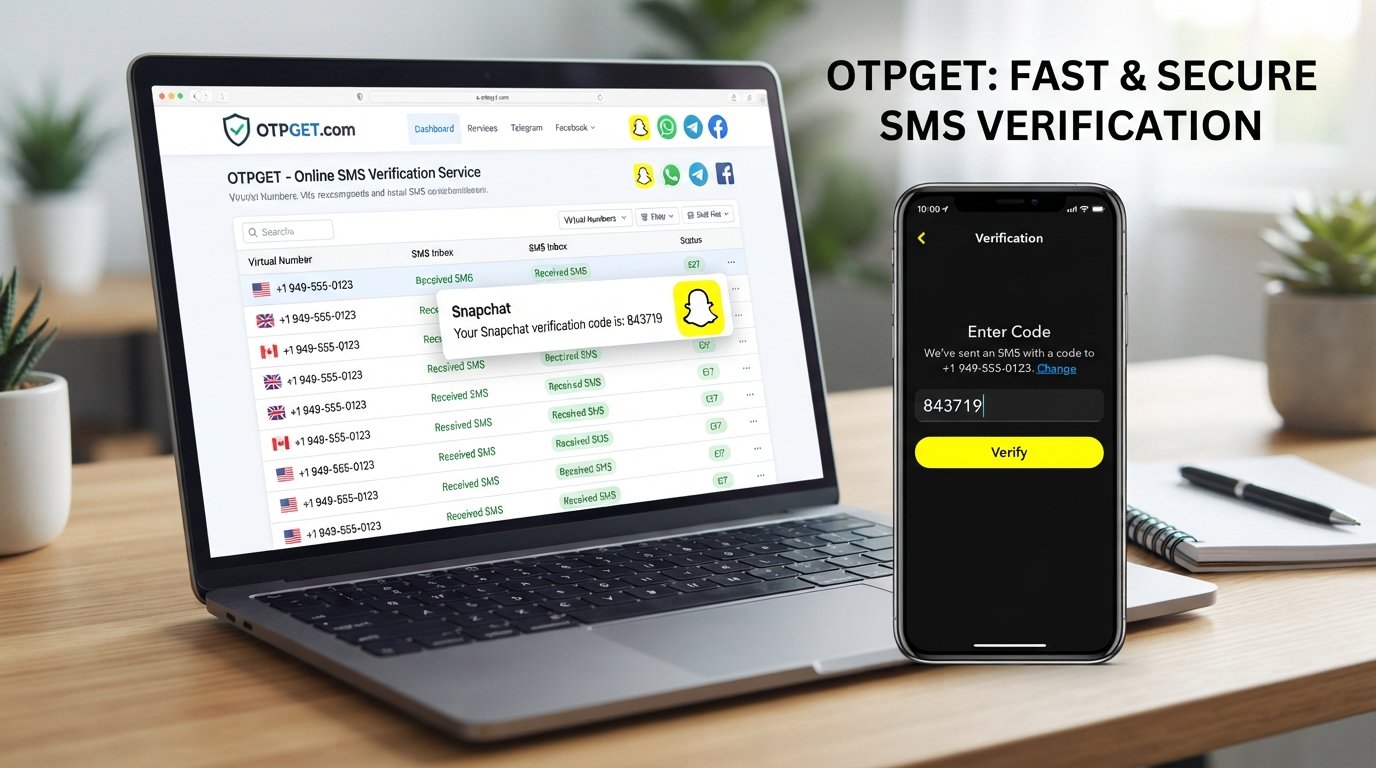
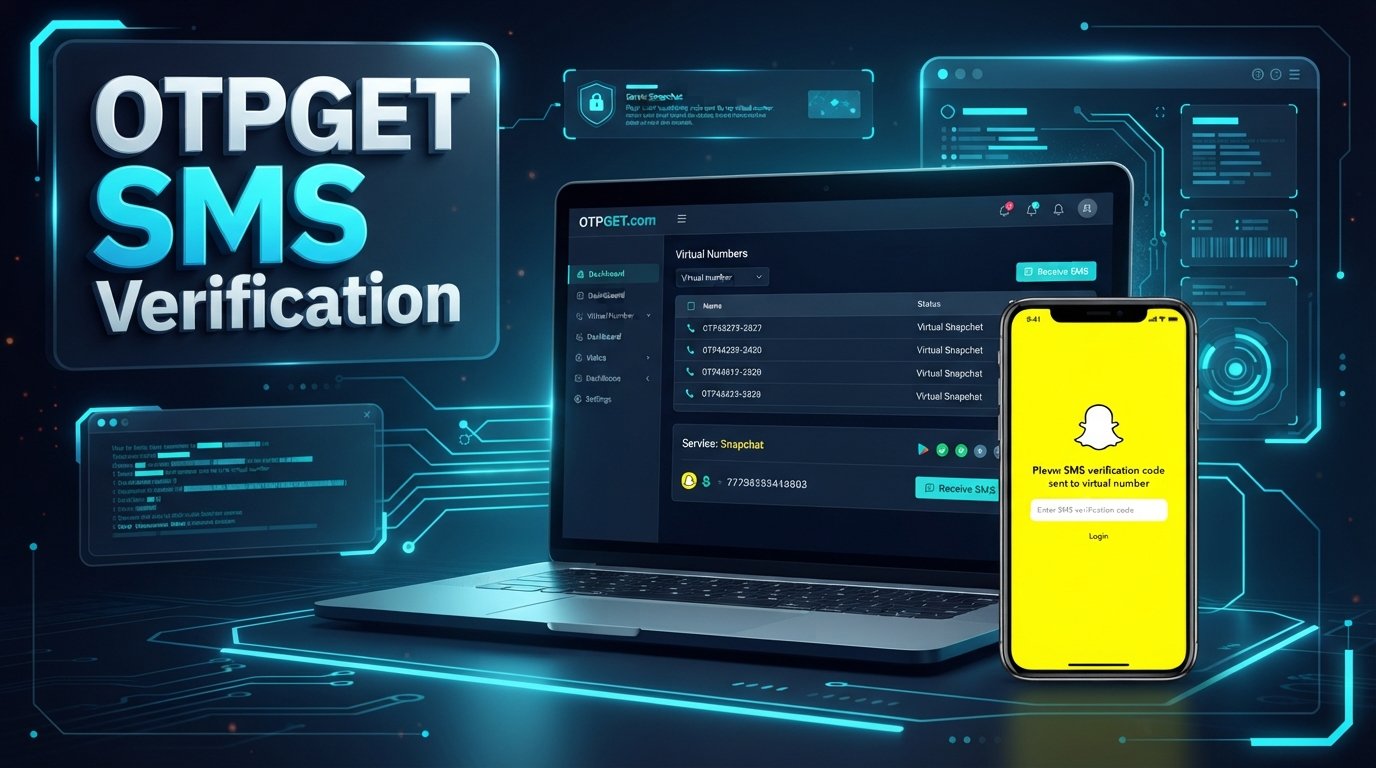
For teams looking for a practical way to handle SMS and OTP-related workflows, OTPGET is one solution worth evaluating.
What Is an SMS Receiving API?
An SMS Receiving API is an interface that allows software to access incoming SMS messages programmatically. Rather than requiring someone to inspect a physical phone or dashboard manually, the application can retrieve or process message information through an API-supported workflow.
A typical setup connects four main components:
- A receiving phone number that can accept incoming SMS
- Messaging infrastructure that receives the message
- An API or delivery mechanism that makes the message available to software
- An application that processes the incoming content
Depending on the provider and configuration, incoming messages may be exposed through API requests, webhooks, dashboards, or other programmatic mechanisms.
Imagine you're building an application that needs to verify a user's phone number. Instead of asking a tester to open a phone and copy the verification code, an API-based workflow can make the relevant SMS available to the application's verification process.
That is the fundamental value of programmatic SMS reception: it turns a manual communication step into something software can work with.
How Does an SMS Receiving API Work?
The exact implementation depends on the provider, but the general workflow is relatively simple.
1. Select or provision a receiving number
The application or developer uses a supported phone number capable of receiving SMS.
2. Send an SMS to the number
A service, application, or authentication system sends a message containing an OTP, verification code, notification, or other relevant content.
3. The messaging infrastructure receives it
The incoming SMS reaches the provider's underlying phone-number and messaging infrastructure.
4. The message becomes available programmatically
The SMS can then be exposed through the provider's API, webhook, dashboard, or another supported delivery mechanism.
5. The application processes the message
Your backend can extract the information it needs, such as a verification code, and use it within an automated workflow.
For example:
SMS arrives → API receives message → application processes content → verification workflow continues
This approach is particularly useful when the developer does not want a human to sit between the incoming SMS and the application.
Why Do Developers Use SMS Receiving APIs?
There are several practical reasons developers choose an SMS API for receiving messages.
OTP verification
Phone verification is one of the most obvious use cases. An application may need to receive a one-time password and use it to complete a verification workflow.
OTP systems are commonly used to establish proof of possession of a phone number. In a conventional verification flow, a service sends a temporary code and the user enters it back into the application.
QA and application testing
Testing SMS-dependent functionality can become repetitive when every test requires manually checking a phone.
An automated SMS receiving workflow can help QA teams validate registration, login, password recovery, onboarding, and other SMS-based flows more efficiently.
SaaS applications
SaaS platforms may use phone verification during signup, account recovery, authentication, or other user workflows. Programmatic SMS handling can make those workflows easier to integrate with backend logic.
Automation
Automation specialists can use an SMS API to incorporate incoming messages into broader workflows instead of relying on manual copying and pasting.
Development environments
Developers building and testing integrations often need repeatable ways to work with verification messages. A programmatic approach can reduce friction during development and integration testing.
The important point is that an SMS Receiving API is not useful merely because it replaces a phone screen. Its real advantage is that incoming SMS becomes part of a software workflow.
Common Challenges With Receiving SMS Programmatically
Programmatic SMS reception solves many manual problems, but developers still need to think carefully about implementation.
One challenge is message handling. Your application needs to know what message it received, how to identify the relevant content, and what to do when the expected SMS does not arrive.
There is also delivery timing. Verification workflows are often time-sensitive, so delays can create confusing user experiences or failed tests.
Another concern is integration complexity. An API can simplify the process, but poor documentation, unclear responses, difficult authentication, or inconsistent behavior can make an otherwise simple integration frustrating.
Scalability matters too. A workflow that works for a handful of tests may require additional planning when used across a larger application or automated system.
Finally, developers need to consider responsible data handling. SMS messages can contain phone numbers, verification codes, or other sensitive information. Access should be controlled, unnecessary data should not be retained, and the system should be used according to applicable policies and laws.
What Should Developers Look for in an SMS Receiving API?
Choosing an SMS API should involve more than looking for the lowest price or the largest number of available phone numbers.
API accessibility
Developers need straightforward programmatic access. The API should fit naturally into the application's backend and allow the team to build predictable workflows.
Documentation
Good documentation can dramatically reduce integration time. Look for clear authentication instructions, request and response examples, error handling guidance, and explanations of the supported workflow.
Reliability
If your application depends on receiving a verification message, dependable delivery matters. A system that occasionally fails without useful diagnostic information can become difficult to troubleshoot.
Scalability
Think beyond the first integration. If your application grows, your SMS infrastructure should be capable of supporting the workflow without forcing the development team to redesign everything.
Integration experience
Consider how easily the service fits into your existing technology stack. Straightforward APIs, predictable responses, and familiar development patterns can reduce maintenance effort.
Automation support
An SMS API should make automation easier, not simply move the manual process somewhere else. Look for mechanisms that allow your application to detect, retrieve, and process incoming messages efficiently.
Security and responsible usage
Phone numbers and SMS content should be treated carefully. Developers should use authentication controls, protect API credentials, minimize unnecessary message storage, and ensure their workflows comply with the provider's acceptable-use requirements.
OTPGET, for example, explicitly states that its API access is intended for developers and resellers and prohibits spam, abuse, and illegal use.
OTPGET: A Practical SMS Receiving Solution for Developers
For developers who need virtual numbers and programmatic access to SMS verification workflows, OTPGET can be considered as a practical solution.
OTPGET provides virtual phone numbers for SMS OTP verification and offers developer API access for programmatic workflows. Its website describes an SMS OTP API for obtaining virtual numbers and receiving verification codes, along with developer-oriented API resources.
That makes OTPGET relevant when the underlying requirement is not simply "I need to see an SMS," but rather "I need my software workflow to work with an incoming verification SMS."
The potential benefits are straightforward:
- Reduce manual SMS checking
- Incorporate incoming OTP messages into automated workflows
- Use virtual numbers instead of depending entirely on physical devices
- Build SMS-related testing and verification processes around an API
- Centralize SMS verification tasks within a developer-oriented service
The exact API workflow, supported services, number availability, and configuration should always be confirmed against the current OTPGET documentation before implementation.
This distinction matters. A developer should evaluate OTPGET based on the actual requirements of the project rather than assuming every SMS provider supports identical workflows.
OTPGET vs. Manual SMS Handling
For a simple one-off verification, manually reading an SMS may be perfectly adequate. The difference becomes more significant when SMS reception is part of a repeatable software process.
| Factor | Manual SMS Handling | API-Based Approach |
|---|---|---|
| Automation | Limited | High |
| Developer integration | Manual | Programmatic |
| Workflow processing | Manual | Automated |
| Scalability | Difficult | Easier to scale |
| Verification workflows | Time-consuming | Streamlined |
| Testing | Repetitive | More repeatable |
An API-based approach is not automatically the right choice for every situation. If a developer only needs to check an occasional message, manual handling may be simpler.
For recurring verification, QA automation, SaaS workflows, or systems that process many SMS events, however, programmatic reception can eliminate a significant amount of repetitive work.
OTPGET fits into this API-based model by providing virtual numbers and developer API access for SMS and OTP-related workflows.
How Developers Can Approach SMS API Integration
A clean SMS API integration starts with the application's actual requirement.
1. Identify the SMS requirement
Determine whether you need OTP verification, QA testing, authentication, automation, or another SMS-based workflow.
2. Choose an appropriate receiving solution
Compare providers based on API accessibility, documentation, number availability, reliability, scalability, and usage policies.
3. Configure API access
Set up the required credentials and permissions while keeping API keys outside source code and public repositories.
4. Connect the API to your application
Build the integration around the provider's documented request, response, and delivery mechanisms.
5. Handle incoming messages
Your application should identify relevant messages and extract only the information required for the workflow.
6. Process verification codes
If the message contains an OTP, pass it through the appropriate validation logic rather than treating the SMS itself as proof that a user is legitimate.
7. Add error handling
Plan for missing messages, delayed delivery, unexpected content, expired codes, API errors, and rate limits.
8. Test the complete workflow
Test successful verification as well as failure scenarios. A good integration should behave predictably when the expected SMS does not arrive.
9. Monitor the integration
Track relevant API errors and workflow failures so developers can diagnose problems without manually investigating every verification attempt.
This approach keeps the SMS infrastructure separate from application logic while giving the application a structured way to interact with incoming messages.
FAQ
What is an SMS Receiving API?
An SMS Receiving API allows an application to access incoming SMS messages programmatically. It can connect receiving phone numbers and messaging infrastructure with software workflows.
How does an SMS Receiving API work?
A message is sent to a supported receiving number, reaches the underlying messaging infrastructure, and is then exposed to the application through an API, webhook, dashboard, or another supported mechanism.
What is an SMS verification API?
An SMS verification API is typically used to support phone-number verification through SMS-based one-time passwords. It can help applications automate parts of the process of sending, receiving, or validating verification codes.
Can developers automate OTP verification?
Yes. Developers can automate parts of an OTP verification workflow by connecting SMS infrastructure to application logic. The exact process depends on the API and verification architecture being used.
What is an OTP API used for?
An OTP API can support automated one-time-password workflows, including phone verification, authentication, account onboarding, and other processes where temporary verification codes are required.
Why use an SMS API instead of manually checking messages?
An API can make incoming messages available to software, reducing repetitive manual work and making SMS-based workflows easier to integrate with automated systems.
Is OTPGET suitable for developer SMS receiving workflows?
OTPGET can be considered when a project needs virtual numbers and programmatic SMS or OTP-related capabilities. Its official materials describe developer API access and SMS OTP functionality, but developers should verify the current API documentation and service configuration against their specific requirements.
Conclusion
An SMS Receiving API gives developers a way to turn incoming SMS from a manual task into a programmable part of an application workflow.
That can be valuable for OTP verification, QA, SaaS onboarding, authentication, testing, and automation. But the API itself is only part of the decision. Developers should also evaluate documentation, accessibility, reliability, scalability, integration experience, automation support, and responsible handling of SMS data.
For teams looking for a practical way to work with virtual numbers and SMS verification workflows, OTPGET is worth considering. Its developer API and SMS OTP capabilities can help reduce manual SMS handling and make verification-related workflows easier to incorporate into software.
Before integrating, review the available documentation and confirm that the supported numbers, API behavior, and service configuration match your application.
If your project is ready to move from manually checking verification messages to a more programmatic workflow, explore OTPGET and evaluate how its SMS receiving capabilities fit your development requirements.
:::