SMS Verification API for Developers: Complete Guide for OTP
SMS Verification API for Developers: Complete Guide
A phone verification flow looks simple from the user's perspective: enter a number, receive a code, enter the code, continue. Behind that small interaction, developers have to deal with phone-number formatting, OTP workflows, SMS infrastructure, retries, abuse prevention, error handling, and verification state.
That is where an SMS Verification API can reduce implementation complexity. Instead of building every piece of the verification infrastructure yourself, developers can integrate an API into an existing authentication or onboarding workflow.
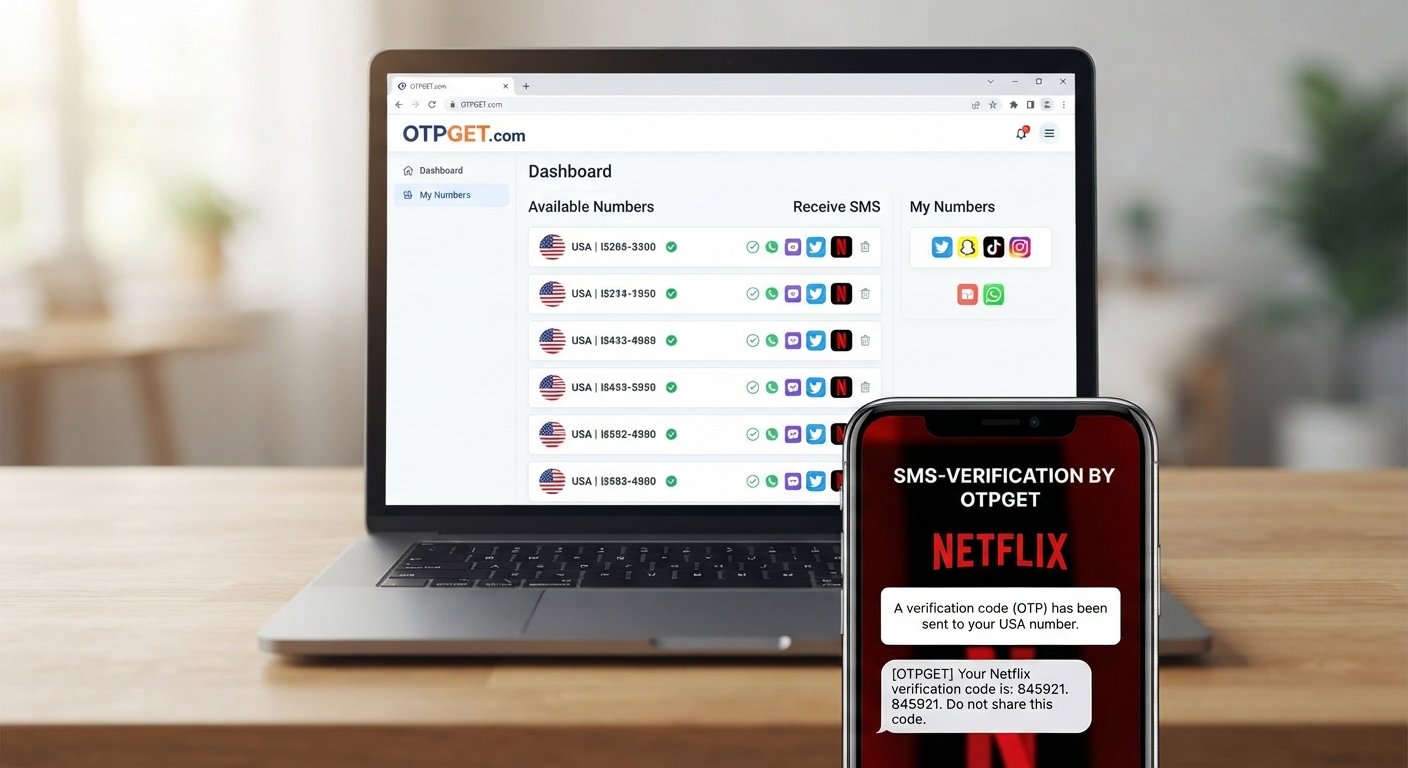
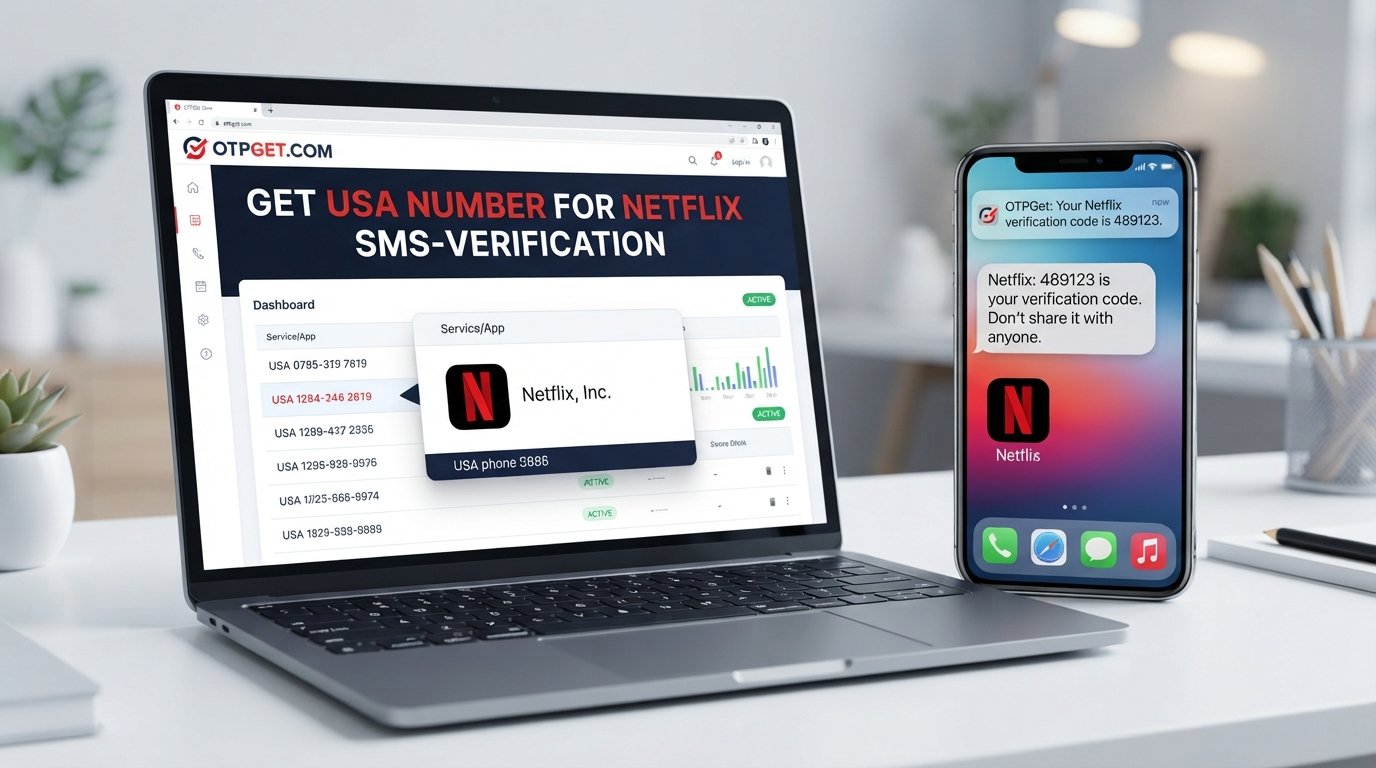
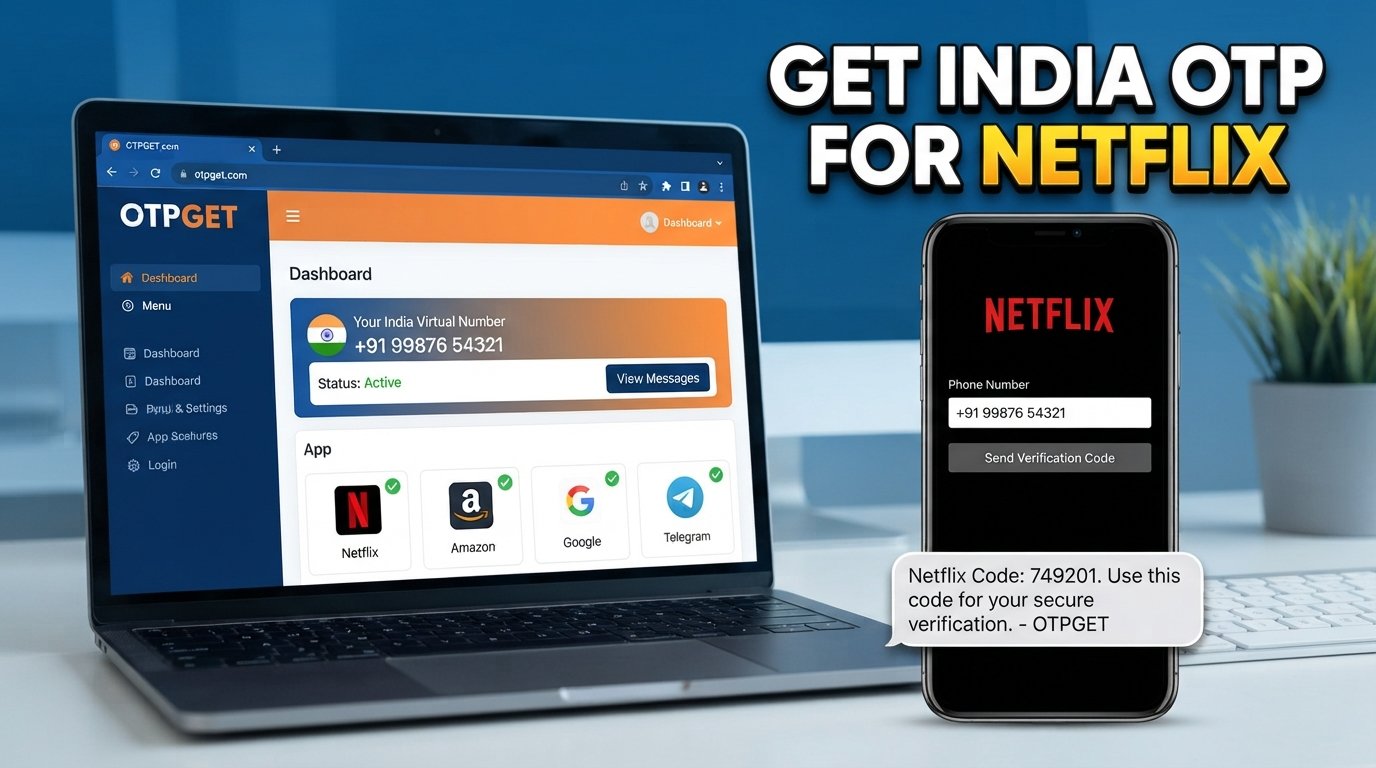
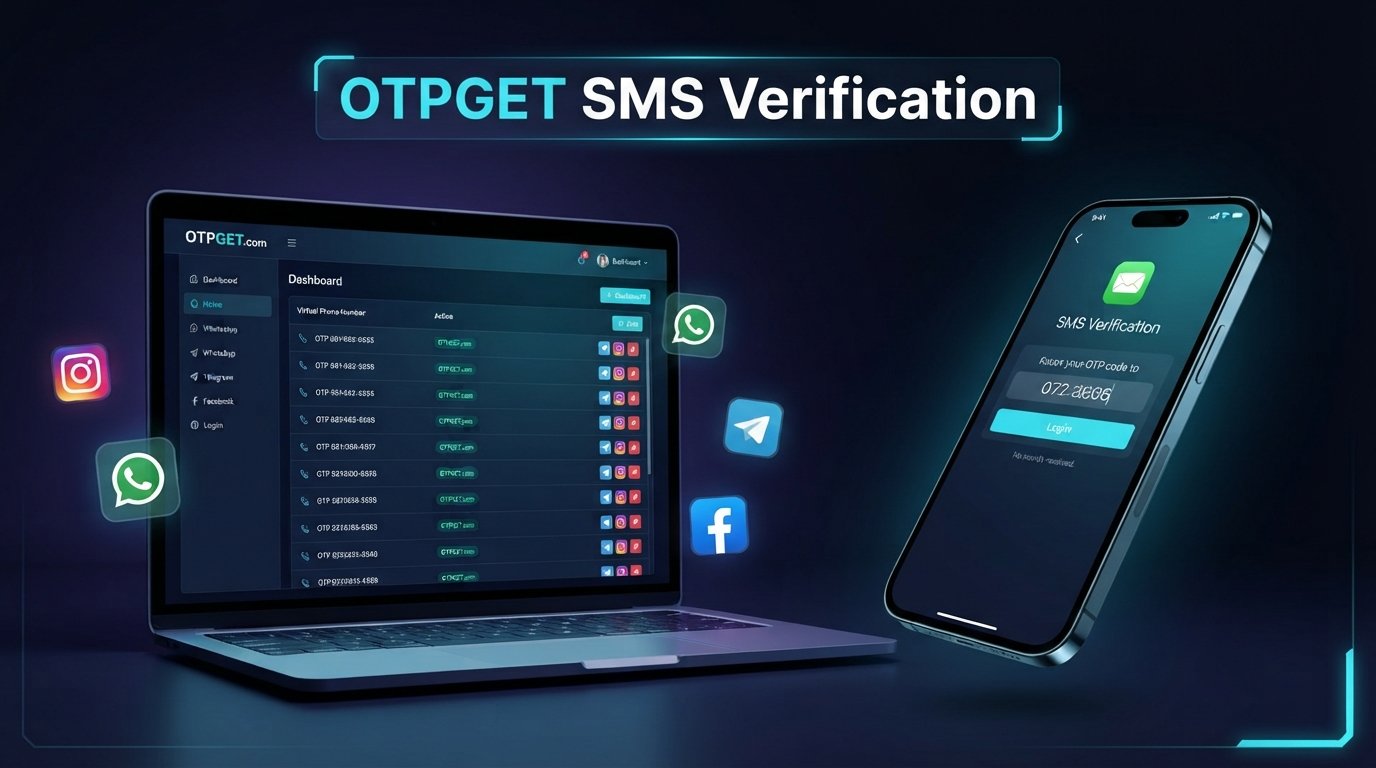
For teams evaluating SMS and OTP infrastructure, OTPGET provides documented REST APIs for SMS OTP workflows involving virtual phone numbers, SMS retrieval, country and service selection, and activation status management. Its developer documentation also provides examples in PHP, Python, and cURL.
This guide explains how SMS OTP verification works, what developers should evaluate in an API, how to approach integration securely, and where OTPGET can fit into a broader verification workflow.
What Is an SMS Verification API?
An SMS Verification API is an application programming interface that connects software to SMS or OTP-related infrastructure so an application can automate phone verification workflows.
A typical phone verification API handles some combination of:
- Phone number or verification workflow management
- OTP generation or delivery
- SMS retrieval
- Verification status
- Expiration and retry handling
- API authentication
- Error responses
- Delivery or activation state
The exact model differs between providers.
For example, a conventional outbound SMS OTP API may allow an application to generate a verification code and send it directly to a user's mobile number. Other services provide virtual numbers and APIs for receiving SMS verification codes. Developers should understand this distinction before selecting a provider.
OTPGET's documented SMS OTP API falls into the latter category: developers can use its REST interface to select available countries and services, request a number, check activation status, retrieve a received SMS code, and manage the activation state.
Using an API is generally simpler than building and maintaining SMS infrastructure from scratch because the application can interact with a defined interface rather than directly managing the underlying telecom components.
How SMS OTP Verification Works
A basic SMS OTP verification flow can be understood in seven steps:
- User enters a phone number.
The application collects the number and validates its format. - The application starts an OTP workflow.
The backend creates a verification request or asks an external API to initiate one. - The verification code is delivered or retrieved.
Depending on the provider architecture, the OTP may be sent to a user's phone or retrieved from an assigned virtual number. - The user receives the SMS.
The message contains a short-lived verification code. - The user enters the code.
The frontend sends the submitted code to the application's backend. - The backend validates the verification state.
The system checks whether the code is valid, has not expired, and has not exceeded its allowed attempts. - The phone number is confirmed.
The application marks the verification process as successful and continues the registration, login, or other workflow.
With OTPGET's documented SMS OTP API, the workflow is based on obtaining a number for a selected service and country, then checking the activation status until an SMS code is received. The API documents responses such as STATUS_WAIT_CODE while waiting and STATUS_OK when a code is available.
A conceptual API interaction might look like this:
Application
    |
    | Request verification resource
    v
SMS/OTP API
    |
    | Number / verification resource
    v
Application
    |
    | Check verification status
    v
SMS received
    |
    | Retrieve code
    v
Application
The exact endpoints, authentication method, parameters, and response formats should always come from the provider's current documentation.
Why Developers Use an SMS Verification API
Building an SMS verification system internally can involve considerably more infrastructure than the verification screen suggests.
A managed SMS API or OTP service can help developers reduce that complexity by providing an established integration layer.
Common benefits include:
Faster Integration
A documented REST API lets a backend communicate with the verification infrastructure using familiar HTTP requests and structured parameters.
Less Infrastructure to Maintain
Teams do not necessarily need to build every component involved in number provisioning, SMS retrieval, status tracking, and activation management themselves.
Consistent Workflows
An API can give developers predictable actions and response states for successful requests, waiting states, and errors.
Easier Scaling
As verification requirements grow, using an established API can reduce the amount of custom infrastructure the engineering team has to maintain.
Better Developer Experience
Clear documentation, examples, response formats, and error codes make API integration easier to test and troubleshoot.
OTPGET's documentation, for example, provides REST API examples using PHP, Python, and cURL and documents the different response formats used by its API endpoints.
Key Features to Look for in an SMS Verification API
Not every verification API works the same way. Before integrating one, evaluate the technical details that will affect your application.
Reliable OTP Delivery
For workflows involving SMS delivery, users need to receive verification messages within a reasonable operational window. If your architecture involves receiving SMS codes through virtual numbers, availability of the required country, provider, and service also matters.
API Documentation
Good documentation should explain:
- Authentication
- Endpoints
- Parameters
- Response formats
- Error codes
- Status handling
- Example requests
- Example responses
OTPGET's developer portal documents its SMS OTP endpoint, actions, parameters, status responses, and code examples.
Security
A secure OTP workflow should consider:
- Short verification lifetimes
- Limited attempts
- Rate limiting
- Request throttling
- Abuse detection
- Secure API authentication
- Protection against OTP enumeration
- Appropriate logging and monitoring
Scalability
Consider how the API behaves when verification volume increases. Availability of numbers, services, countries, request capacity, and operational controls can all affect scalability depending on the use case.
Developer Experience
REST APIs, language examples, clear errors, predictable response handling, and testing support can substantially reduce integration time.
International Phone Number Support
International applications need consistent handling of country codes and phone-number formats. If geographic availability matters to your application, verify the provider's currently available countries and services rather than assuming universal coverage.
OTPGET as an SMS Verification Solution for Developers
OTPGET is a practical option for developers working with SMS OTP and phone-number verification workflows where access to virtual numbers and received verification messages is part of the architecture.
Its documented SMS OTP API provides actions for checking balance, retrieving available countries and services, requesting numbers, checking SMS activation status, and completing or cancelling activations.
That can simplify workflows that otherwise require developers to manage number sourcing and SMS verification infrastructure separately.
With OTPGET, a developer can integrate the documented REST interface into a backend application and programmatically manage the lifecycle of an SMS OTP activation. The API uses an API key for authentication and documents both successful and error responses.
One important implementation detail is that OTPGET's documented SMS OTP API uses a mix of plain-text and JSON responses. For example, several SMS OTP actions return plain text, while country and service listings return JSON. Developers should account for those response formats rather than assuming every endpoint returns JSON.
This makes the official developer documentation an important part of any integration.
How to Integrate an SMS Verification API
A practical integration process looks like this:
1. Configure Your Account
Create and configure the required provider account and determine which API functionality matches your application.
2. Obtain API Credentials
Store your API credentials securely on the server. Never embed private API keys directly in browser-side JavaScript or mobile application code.
3. Validate the Phone Number or Verification Requirement
Normalize phone numbers and validate the expected country or service before initiating a verification workflow.
4. Request the Verification Resource
Call the appropriate API operation from your backend. With OTPGET, this can involve selecting a country and service and requesting a number through the documented SMS OTP endpoint.
5. Monitor the Verification Status
If the workflow is asynchronous, your application needs to handle waiting states rather than treating an initial request as an immediate success.
6. Retrieve or Process the Code
Once the SMS is available, retrieve the verification code according to the provider's documented workflow.
7. Handle Success and Failure
Your application should distinguish successful verification, pending states, unavailable resources, invalid credentials, and other errors.
8. Apply Expiration and Retry Controls
Set sensible limits around retries, verification attempts, and repeated requests.
9. Log Relevant Events Securely
Record operational events needed for troubleshooting and abuse detection without unnecessarily storing sensitive OTP data.
Illustrative API pattern:
POST/GET application backend
        ↓
Authenticate API request
        ↓
Request verification resource
        ↓
Receive order/reference ID
        ↓
Poll or check status
        ↓
Receive verification code
        ↓
Validate application workflow
        ↓
Mark verification complete
The actual OTPGET endpoint, parameters, and response handling should be implemented directly from its current documentation rather than from a generic example.
SMS Verification API Security Best Practices
SMS verification is useful, but it should not be treated as a completely risk-free authentication mechanism.
Developers should implement several controls around the API.
Use short OTP lifetimes. A verification code should remain valid only for an appropriate period.
Limit attempts. Repeated incorrect submissions should eventually trigger a temporary block or additional verification step.
Rate-limit requests. Prevent users, bots, or compromised clients from requesting excessive verification messages.
Throttle repeated OTP requests. A "resend code" function should have sensible cooldowns and limits.
Keep credentials server-side. API keys belong in protected backend configuration, not frontend source code.
Verify server-side. The client should never be trusted to decide whether verification succeeded.
Protect phone-number data. Phone numbers can be personal information and should be handled according to your application's privacy and data-retention requirements.
Monitor suspicious activity. Look for unusual request volumes, repeated failures, automated patterns, and unexpected country or service usage.
Avoid unnecessary OTP storage. Where your architecture requires storing a code temporarily, protect it appropriately and remove it when it is no longer needed.
These controls help turn an API integration into a complete verification system rather than simply connecting an endpoint to a form.
Common Use Cases for SMS Verification APIs
SMS and OTP infrastructure can support many application workflows, including:
- User registration
- Phone number verification
- Account activation
- Login verification
- Password recovery
- Account recovery
- Two-factor authentication
- Transaction confirmation
- SaaS onboarding
- Marketplace verification
- Mobile application authentication
- Customer identity workflows
For conventional user authentication, developers may use an SMS authentication API to send a one-time password to a customer's own phone number. Other workflows may use virtual numbers and SMS retrieval infrastructure for application testing, service verification, or other permitted use cases.
The correct API architecture depends on what the application is actually trying to verify.
SMS Verification API vs Building an SMS Verification System From Scratch
| Area | Managed API | Build From Scratch |
|---|---|---|
| Development effort | Generally lower | Generally higher |
| Infrastructure | Provider-managed components | Team manages infrastructure |
| Integration | API-based | Custom implementation |
| Scaling | Provider capabilities become part of the solution | Team owns scaling strategy |
| Maintenance | Less infrastructure to maintain | More components to maintain |
| OTP workflow | Uses provider capabilities | Fully custom |
| SMS infrastructure | External service | Team must source and manage it |
| Security controls | Depends on provider plus your application | Team designs and maintains controls |
| Developer experience | Documentation and API abstractions | Fully owned |
Building internally can provide more control, but it also increases engineering and operational responsibility.
For teams that do not want to manage every part of SMS or OTP infrastructure themselves, a managed solution such as OTPGET can be attractive because the application can interact with documented API operations instead of building the underlying workflow from scratch.
Common Mistakes Developers Should Avoid
Several implementation mistakes can make a phone verification system unreliable or easier to abuse.
- Sending OTP requests without rate limits
- Allowing unlimited verification attempts
- Failing to expire verification codes
- Exposing API credentials in frontend code
- Ignoring API error responses
- Assuming every response is JSON
- Failing to validate phone-number formats
- Ignoring international numbering requirements
- Allowing unlimited resend requests
- Not monitoring suspicious activity
- Creating a confusing verification experience
- Treating SMS verification as a perfect substitute for stronger authentication controls
A robust SMS verification system combines the provider API with application-level security, monitoring, state management, and sensible user-experience design.
Choosing the Right SMS Verification API
When evaluating an SMS Verification API, use a technical checklist rather than focusing only on the API's marketing description.
Consider:
- Documentation quality
- API reliability
- Security controls
- Scalability
- Geographic availability
- Pricing transparency
- Integration options
- Technical support
- Monitoring capabilities
- OTP lifecycle management
- Error handling
- SMS infrastructure
- Developer experience
Also determine whether the service actually matches your intended workflow. An API designed to send OTPs to your customers is different from an API designed to provide virtual numbers and retrieve incoming verification codes.
For developers evaluating SMS OTP infrastructure, OTPGET is one solution to consider when its documented virtual-number and SMS OTP capabilities align with the application's requirements. Its API documentation provides the integration details needed to assess the available operations and response behavior.
Frequently Asked Questions
What is an SMS Verification API?
An SMS Verification API is a software interface that connects an application to SMS or OTP infrastructure, allowing developers to automate parts of a phone verification workflow.
How does an SMS OTP API work?
The exact process depends on the provider. A typical flow involves starting a verification request, delivering or retrieving an OTP, checking its status, and confirming successful verification.
How do I integrate an OTP API into my application?
Start with the provider's API documentation, configure credentials on your backend, validate phone-number data, initiate the OTP workflow, process status responses, handle errors, and apply rate and attempt limits.
Is SMS verification secure?
SMS verification can provide useful protection against some forms of account abuse, but it has limitations. Developers should combine it with expiration, rate limiting, attempt controls, secure credential handling, and appropriate monitoring.
What is the difference between SMS verification and 2FA?
SMS verification can confirm possession of a phone number during registration or another workflow. 2FA uses a second authentication factor alongside another factor, such as a password. SMS can be used as one 2FA method, but phone verification and 2FA are not automatically the same thing.
How can developers prevent OTP abuse?
Use request throttling, resend cooldowns, attempt limits, short code lifetimes, IP and account-level rate limits, monitoring, and additional controls for suspicious activity.
What should I look for in an SMS verification service?
Look at documentation, API design, reliability, security controls, scalability, geographic availability, pricing transparency, support, response handling, and whether the provider's architecture fits your use case.
What is OTPGET?
OTPGET provides documented REST APIs for SMS OTP workflows, including virtual-number requests, country and service selection, SMS status checking, code retrieval, and activation management.
Conclusion
An SMS Verification API can remove much of the infrastructure complexity involved in building phone and OTP verification workflows. Instead of developing every component independently, teams can integrate documented API operations into their existing backend and authentication architecture.
The most important considerations go beyond simply receiving an OTP. Developers should evaluate API documentation, response handling, security controls, availability, scalability, international requirements, monitoring, and the exact verification model offered by the provider.
OTPGET can be a practical option for developers whose workflows require the virtual-number and SMS OTP capabilities documented by the platform. Its REST API provides programmatic operations for selecting countries and services, requesting numbers, checking SMS status, retrieving codes, and managing activations.
If your project needs SMS and OTP infrastructure, explore OTPGET's developer documentation and evaluate its API capabilities against your application's specific verification requirements.