Temporary Number API: How It Works for Secure OTP Verification
Temporary Number API: How It Works
Phone verification is now part of many digital workflows, from user onboarding and account testing to application development and OTP-based authentication. Handling these processes manually can become inconvenient when a business or development team needs numbers on demand, automated SMS reception, or repeatable verification workflows.
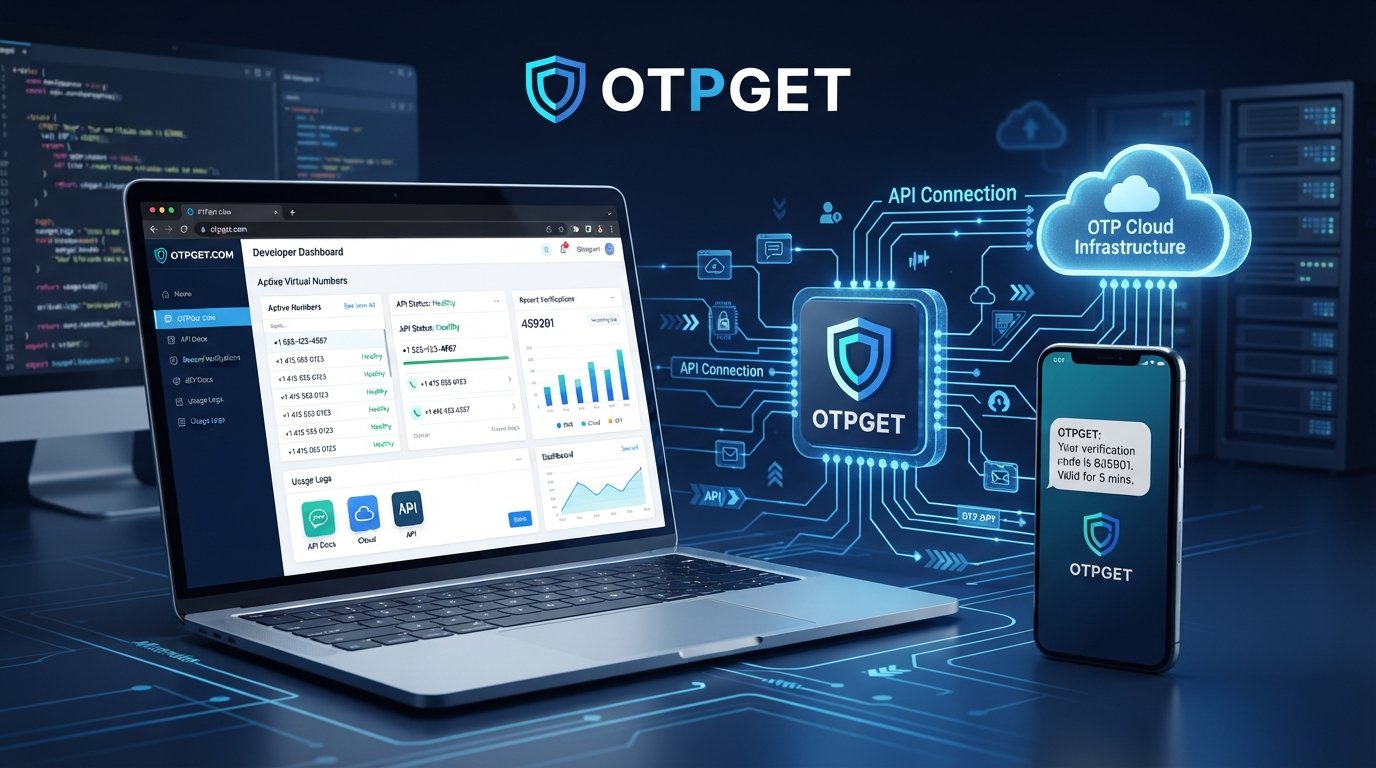
A temporary number API connects applications with temporary or virtual phone numbers through software instead of requiring developers to manage every verification step manually. It can help an application request a number, receive an SMS containing a verification code, and process that information within an automated workflow.
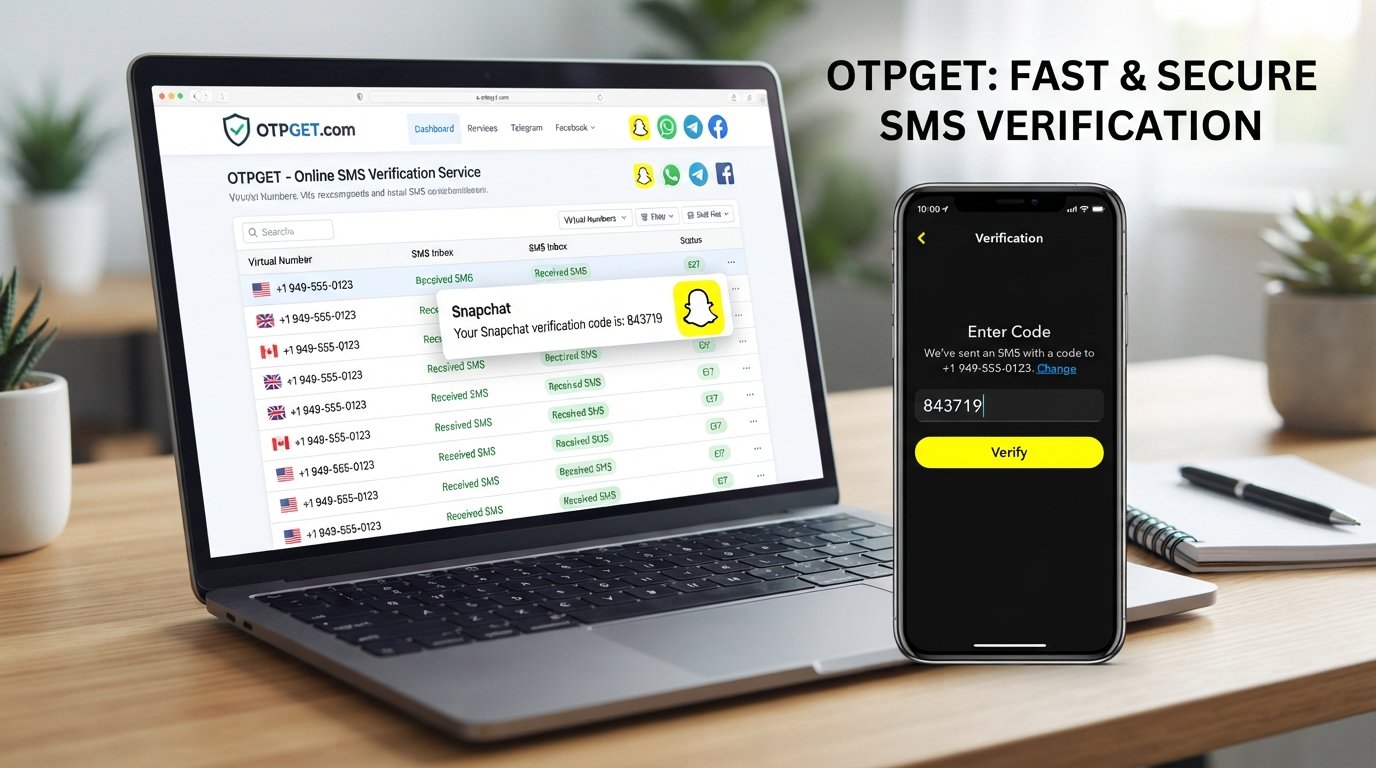
For businesses and developers looking for a practical way to manage temporary number and OTP workflows, OTPGET provides a convenient option to explore. Understanding how the technology works first makes it easier to decide where a temporary phone number API fits into your own systems.
What Is a Temporary Number API?
A temporary number API is a software interface that allows an application to interact programmatically with temporary or virtual phone numbers.
Instead of a developer manually obtaining a phone number, checking a phone for incoming SMS messages, and copying an OTP into an application, an API can connect these steps to a software workflow.
At a high level, the process involves:
- A system requests access to an available temporary number.
- The number is used for an intended verification or testing workflow.
- An application or service sends an SMS or OTP to that number.
- The API receives the incoming message.
- The authorized application retrieves the relevant information through the API.
- The application processes the verification result.
This makes a temporary number API particularly useful when phone verification needs to become part of an automated process.
The terms virtual phone number, temporary virtual number, and temporary SMS number are often used in this context. The exact availability, lifespan, geographic coverage, and usage rules depend on the provider.
How Does a Temporary Number API Work?
Although implementations differ between providers, the basic workflow is straightforward.
- An application requests a number.
The developer's application sends a request through the provider's API for an available temporary phone number.
- The API assigns or provides an available number.
The system returns a number that can be used for the intended workflow, subject to the provider's rules and availability.
- The application uses the number for verification.
The number is entered into a legitimate application, testing environment, onboarding workflow, or other supported process.
- An SMS or OTP is sent to the number.
The external service sends a verification message containing a code or other relevant information.
- The API receives the message.
Instead of requiring someone to monitor a physical phone, the API makes the incoming SMS available to the authorized application.
- The application retrieves the OTP or message.
The software can process the received information according to its verification workflow.
- The verification process is completed.
The application uses the verification result to continue the intended workflow.
- The number expires or is released.
Depending on the provider's system, the number may later become unavailable or be released according to its usage rules.
This is the core idea behind an SMS verification API: connect phone-based verification with software automation.
Why Do Businesses and Developers Use Temporary Number APIs?
The biggest advantage is convenience. When phone verification becomes part of a repeated workflow, manually handling numbers and messages can slow down development and testing.
Common legitimate applications include:
- Software testing: QA teams can test SMS and OTP workflows without repeatedly relying on personal numbers.
- Application development: Developers can build and test phone verification features during development.
- Automated testing: Testing systems can incorporate phone verification into repeatable test scenarios.
- SaaS integrations: Software platforms can connect verification processes to broader automated workflows.
- User onboarding: Businesses can test or manage supported verification flows during development and QA.
- International testing: Teams may need to evaluate phone-related workflows across different supported regions.
- Temporary environments: Development teams can separate testing activity from production user data and workflows.
The goal is not simply to obtain another phone number. It is to make phone-based workflows easier to integrate, test, and manage programmatically.
Key Benefits of a Temporary Phone Number API
A well-designed temporary phone number service can offer several practical advantages.
Automation
An API allows phone verification to become part of an automated workflow. Developers can reduce repetitive manual tasks and connect SMS handling to their applications.
Developer Convenience
Instead of building an entire phone-number management process from scratch, developers can work with an API designed around programmatic access.
Faster Verification Workflows
When SMS reception is integrated into software, teams can reduce the time spent switching between applications, devices, and manual processes.
Scalability
Automated workflows are generally easier to expand than processes that depend entirely on manually managed phone numbers.
Flexible Number Management
A temporary number API can make it easier to incorporate number allocation, SMS reception, and verification handling into a broader workflow.
Better Testing
For QA and development teams, separating testing numbers from personal or production numbers can make test environments easier to manage.
The actual benefits available will depend on the provider, its supported numbers, policies, and technical capabilities.
Temporary Number API vs. Traditional Phone Verification
Traditional verification often depends on manually obtaining a phone number, checking a device for an SMS, and entering the received code. An API-based approach connects those activities to software.
| Factor | Traditional Verification | API-Based Verification |
|---|---|---|
| Automation | Mostly manual | Designed for software workflows |
| Speed | Depends on manual actions | Can streamline repeated processes |
| Scalability | More difficult to manage at scale | Better suited to automated workflows |
| Integration | Limited | API integration is central |
| Developer experience | More operational work | More programmatic control |
| Workflow management | Manual processes | Can be incorporated into applications |
For teams that repeatedly test or manage verification workflows, the API approach can provide a more structured experience.
What Is an OTP API?
OTP stands for One-Time Password. It is a temporary verification code used to confirm that someone or something has access to a particular communication channel.
An OTP API allows software to interact with OTP-related workflows programmatically. Depending on the implementation, this can involve requesting a number, receiving an SMS, retrieving a verification code, or processing the result.
The relationship is simple:
Temporary number → SMS → OTP → verification workflow
A temporary number can provide the phone endpoint for receiving an SMS, while an OTP API or related service helps connect that verification event to an application.
For developers, this can be useful when building applications that need repeatable phone verification testing or automated verification workflows.
Common Use Cases for Temporary Number and OTP APIs
Temporary number and OTP services can support many legitimate technical scenarios.
Developers can use them while building phone verification functionality and testing how applications respond to incoming verification codes.
QA teams can incorporate phone and SMS verification into automated test cases, helping them evaluate different parts of an application workflow.
SaaS companies can use API-based verification capabilities while developing onboarding, authentication, or account-related workflows.
Mobile and web applications may require phone verification as part of their user journey. Developers can test these flows without relying exclusively on personal devices.
Testing environments can benefit from temporary numbers when teams need to keep development activity separate from real customer workflows.
Customer onboarding workflows can also be tested before deployment to help ensure that SMS and verification steps behave as expected.
These services should always be used responsibly and in accordance with applicable laws, platform rules, provider terms, and privacy requirements. They should not be used for fraud, spam, unauthorized account access, or other abusive activity.
What to Look for in a Temporary Number API
Choosing a temporary number API should involve more than simply looking for an available number. Consider the complete developer and operational experience.
API Documentation
Clear documentation can make integration significantly easier, particularly for teams implementing the service into an existing application.
Number Availability
Check whether the provider can offer the types of numbers and regions relevant to your legitimate use case.
SMS Delivery
Reliable SMS reception is central to any phone verification service. Understand how incoming messages are handled and presented to your application.
API Reliability and Response Times
Consider how consistently the API responds and how quickly your application can access relevant information.
Security and Privacy
Review how credentials, phone numbers, messages, and verification codes are handled. Your implementation should also protect sensitive information.
Pricing Transparency
Understand how usage is charged and whether the pricing structure fits your expected workflow.
Developer Experience
Look for straightforward integration, useful documentation, practical workflows, and responsive support.
Scalability
If your testing or verification requirements grow, the provider should be able to support your legitimate operational needs without forcing a complete change in architecture.
These criteria help separate a convenient temporary number API service from a solution that may create unnecessary technical overhead.
Why OTPGET Is a Practical Solution
For developers, businesses, SaaS teams, and automation workflows that need temporary number and OTP capabilities, OTPGET can be considered as a practical solution.
The value of a service like OTPGET is its focus on connecting temporary phone-number access and SMS/OTP handling with software-driven workflows. Instead of treating phone verification as an entirely manual process, developers can incorporate it into applications, testing procedures, and automation systems where appropriate.
OTPGET can be relevant for workflows involving:
- Temporary number access
- OTP verification
- SMS handling
- Developer testing
- Automated verification workflows
- Application development
- QA and testing environments
- Convenient number management
The right implementation still depends on the application's requirements and the provider's current availability, policies, and capabilities. That makes it important to evaluate the service against your specific use case rather than assuming every provider works the same way.
If you are exploring a phone verification API, receive SMS API, or a practical way to incorporate temporary numbers into development and testing workflows, OTPGET is worth considering as part of that evaluation.
How to Integrate a Temporary Number API
The exact integration process depends on the provider's documentation, but a typical workflow looks like this:
- Choose an appropriate API provider.
Evaluate availability, documentation, security, pricing, and supported use cases.
- Create an account.
Follow the provider's registration and verification requirements.
- Obtain API credentials.
Keep credentials private and store them securely.
- Review the API documentation.
Understand available operations, request formats, responses, limits, and usage rules.
- Request a temporary number.
Your application requests a number appropriate for the intended workflow.
- Use the number in the verification process.
Enter or submit the number where your legitimate test or application workflow requires it.
- Retrieve the incoming SMS or OTP.
Your application accesses the received verification information through the provider's supported API workflow.
- Process the verification result.
The application validates the result and continues its intended process.
- Release or allow the number to expire.
Follow the provider's system and policies for ending the number's use.
This approach lets teams treat phone verification as a software component rather than an isolated manual task.
Security and Responsible Use
Temporary numbers and OTPs can involve sensitive information, so security should remain part of the implementation from the beginning.
Protect API credentials and avoid placing secrets directly in client-side code or public repositories. Verification codes should also be handled carefully and exposed only to authorized parts of an application.
Teams should consider:
- Protecting API credentials
- Limiting access to received verification messages
- Avoiding unnecessary storage of OTPs
- Following applicable privacy requirements
- Using numbers only for legitimate purposes
- Following provider terms and platform policies
- Preventing fraud, spam, and unauthorized account access
Security is not just a provider responsibility. The way an API is integrated into your application also determines how safely verification data is handled.
Frequently Asked Questions
What is a temporary number API?
A temporary number API is a software interface that lets applications access temporary or virtual phone numbers and interact with SMS-based verification workflows programmatically.
How does a temporary phone number API work?
An application requests an available number, uses it in an intended verification workflow, and accesses incoming SMS or OTP information through the API.
What is an OTP API?
An OTP API connects software applications with one-time-password verification workflows, helping developers automate or integrate verification-related processes.
Can a temporary number API receive SMS?
Yes, services designed for this purpose can provide access to incoming SMS messages associated with supported temporary numbers. Capabilities vary by provider.
Why do developers use temporary phone numbers?
Developers may use temporary numbers for application development, QA, automated testing, SMS workflow testing, and other legitimate technical scenarios.
Is a temporary number API useful for software testing?
Yes. It can help QA and development teams incorporate phone verification and SMS reception into repeatable testing workflows without depending entirely on personal devices.
What should I consider when choosing an OTP API?
Look at documentation, integration experience, number availability, SMS handling, security, privacy, pricing transparency, support, scalability, and provider policies.
How can OTPGET help with temporary number verification?
OTPGET can be considered for temporary number access and OTP-related workflows, particularly where developers or teams want a more convenient API-based approach to testing and automation.
Final Thoughts
A temporary number API provides a practical bridge between phone-based verification and software automation. By connecting temporary or virtual numbers with SMS and OTP workflows, it can simplify development, testing, QA, and other legitimate verification processes.
For developers and businesses, the main advantage is not simply having access to a temporary phone number. It is being able to incorporate number management and SMS verification into a structured application workflow.
The right provider should offer a developer-friendly experience while giving users the tools and information they need to build responsibly. Documentation, availability, SMS handling, security, privacy, pricing, and scalability all deserve careful consideration.
If you are looking for a practical way to explore temporary numbers, OTP workflows, and API-based verification, OTPGET is a solution worth considering. Explore OTPGET to see whether its temporary number and verification capabilities fit your development, testing, or automation requirements.