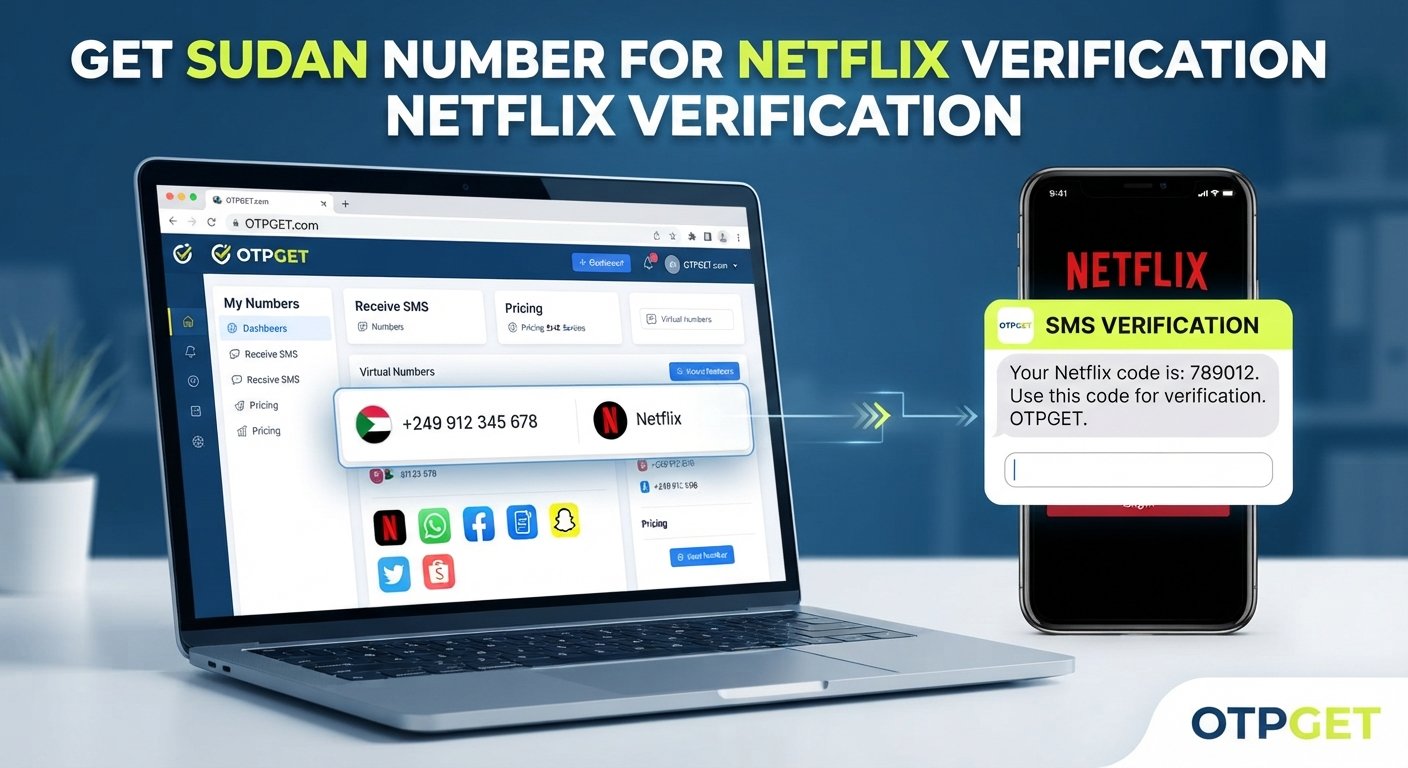
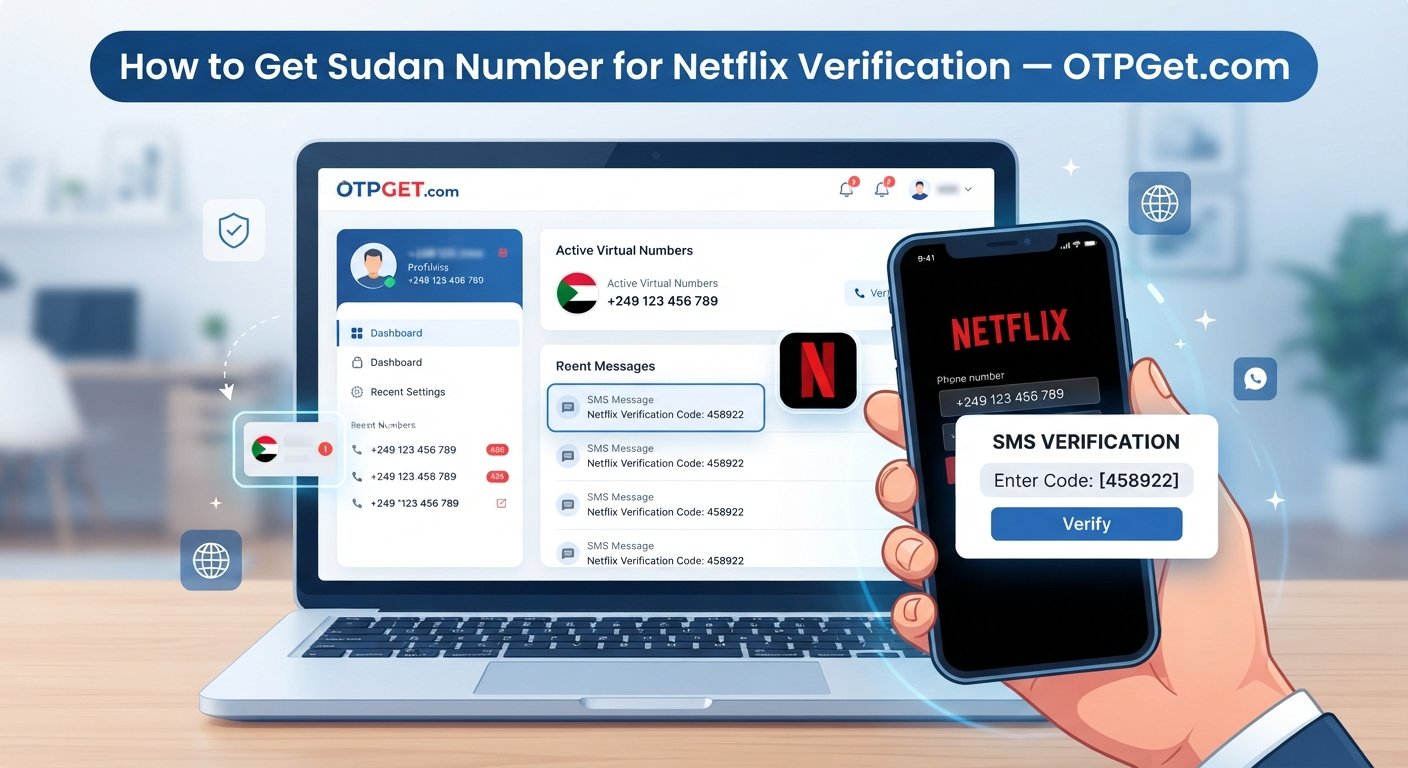
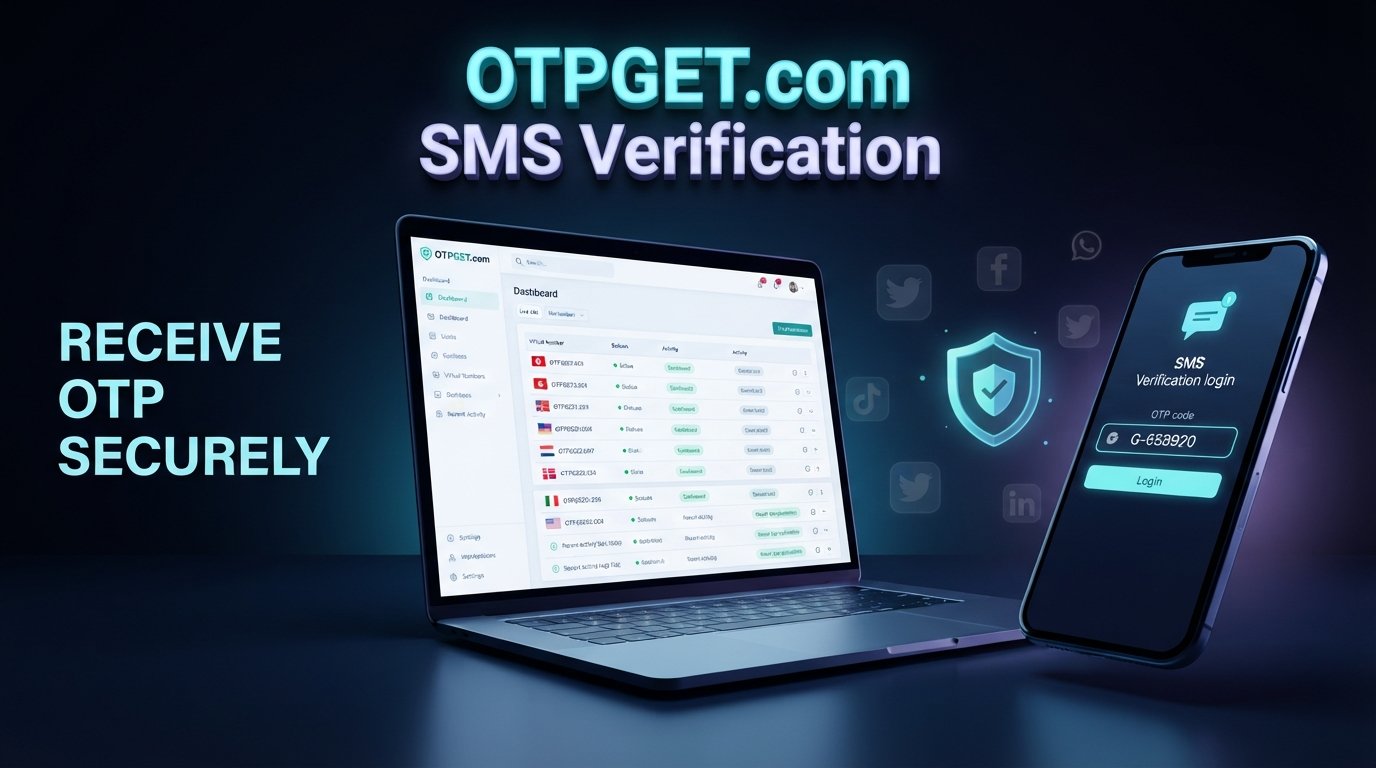
Temporary Number for SMS Verification: A Practical OTPGET Guide
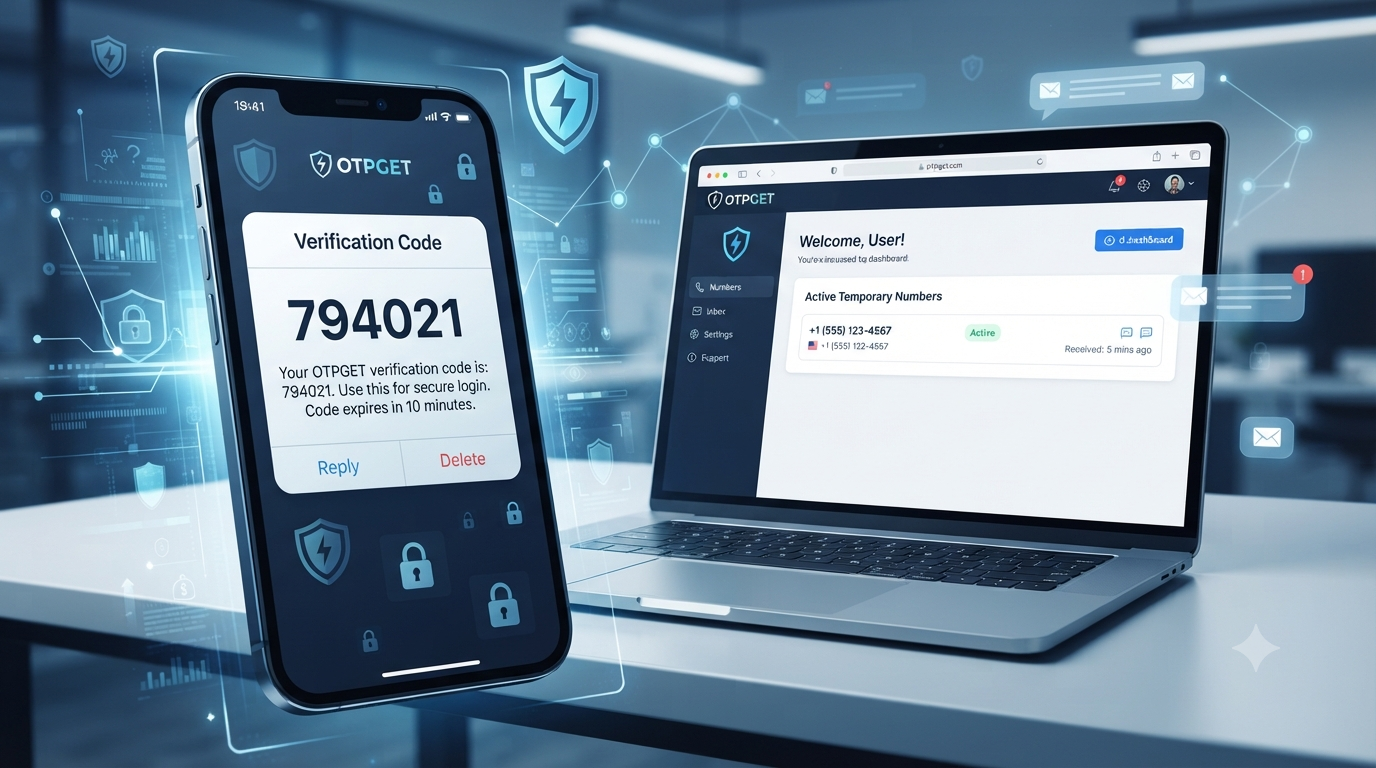
Grab SMS Verification Using Temporary Number — OTPGet
Receiving an SMS verification code is now a routine part of signing up for online services, testing applications, or confirming access to an account. The challenge is that not everyone wants to use their primary personal phone number every time a website or service requests verification.
That is where a temporary number for SMS verification can be useful.
A temporary phone number gives users an alternative way to receive a verification message without relying on their everyday mobile number for every short-term registration or verification task. Depending on the service and its policies, a virtual number can provide a convenient way to receive an SMS OTP online.
For users exploring this option, OTPGET provides a practical solution centered around temporary numbers and SMS verification. The important thing is understanding how these services work, when they make sense, and what to look for before choosing one.
What Is a Temporary Number for SMS Verification?
A temporary number for SMS verification is a phone number intended for short-term or specific online purposes. Instead of using your regular personal number, you can use a temporary or virtual phone number when a service asks you to confirm your phone through SMS.
The basic process is straightforward.
A website or application sends a verification code to the number you provide. A temporary-number service receives that message and makes the incoming SMS available to you through its platform. You can then view the verification code and enter it into the service requesting verification.
This is different from owning a conventional mobile number. A personal number is generally intended for long-term communication, account recovery, calls, messaging, and other everyday needs. A temporary number, by contrast, is primarily useful for a particular short-term purpose.
A virtual phone number can therefore act as a verification number when SMS-based confirmation is required.
The exact availability, lifespan, and usability of a number depend on the provider and the service requesting verification. Some websites may also restrict temporary or virtual numbers, so users should always follow the relevant terms and verification rules.
Why Use a Temporary Number for Verification?
There are several legitimate reasons someone may prefer a temporary phone number instead of their primary mobile number.
Keep personal and online activity separate
Your main phone number may be connected to family, friends, work, financial services, and important accounts. Using it for every online registration can make it harder to keep different types of activity separate.
A temporary number can provide an additional layer of separation for suitable short-term activities.
Avoid unnecessary sharing of your primary number
Some registrations require phone verification even when you may not want to make your personal number part of the process. A temporary SMS number can be an alternative when the service permits it.
This does not mean a temporary number provides complete anonymity or guaranteed privacy. It simply reduces the need to provide your usual number in situations where another option is appropriate.
Test services or applications
Developers, testers, and everyday users may sometimes need a number for a temporary registration or testing workflow. A virtual number for SMS can be convenient when a personal number is not necessary for the task.
Handle temporary registrations
If you need a number for a specific short-term purpose, using a dedicated temporary number may be more practical than adding another registration to your primary phone.
How Does SMS Verification With a Temporary Number Work?
The process of receiving an SMS verification code through a temporary number is generally simple:
-
Choose a suitable temporary number.
Select an available number through a temporary SMS receiving service such as OTPGET. -
Enter the number where required.
Use the temporary phone number on the website or application requesting phone verification. -
Request an SMS verification code.
Submit the number and select the service's verification option. -
Wait for the SMS.
The verification service sends an SMS OTP to the number. -
View the incoming message.
Check the temporary-number service for the received verification code. -
Enter the code.
Return to the original service and enter the SMS verification code to complete the applicable step.
OTPGET can be considered when you want a straightforward way to obtain a temporary number and receive an incoming verification message.
Keep in mind that SMS delivery can depend on the sending service, network conditions, and the policies of the platform requesting verification. A temporary number is not a guarantee that every verification request will be accepted.
Benefits of Using a Temporary Phone Number
A temporary number can be useful when you need a phone number for a limited or specific purpose rather than long-term communication.
Some practical benefits include:
- Convenience: Get access to a number when an SMS verification step requires one.
- Separation: Keep some online registrations separate from your primary number.
- Reduced sharing: Avoid providing your everyday number when a temporary alternative is appropriate.
- Short-term flexibility: Use a number for a particular registration or verification task.
- Simple workflow: Receive an OTP and enter it directly where verification is required.
- Online access: A suitable service can make it easier to receive SMS online without relying exclusively on your personal phone.
The value of a temporary number depends heavily on the situation. It is best viewed as a practical tool for appropriate short-term use, rather than a replacement for a personal number in every circumstance.
Why Choose OTPGET for SMS Verification?
When users search for a temporary number for SMS verification, the main goal is usually convenience: they need a number, they need an incoming verification message, and they want a simple way to access the code.
That is where OTPGET fits naturally into the process.
OTPGET provides a convenient option for users looking for temporary numbers and SMS-based OTP receiving. Instead of making your primary number the default choice for every online verification request, you can consider a temporary or virtual number when the situation allows it.
The appeal is largely about keeping the process focused. You select a suitable temporary number, use it for the applicable verification request, and check the service for the incoming SMS verification code.
For someone who occasionally needs a temporary number for OTP, this can be more practical than treating a personal mobile number as the solution for every online registration.
At the same time, users should maintain realistic expectations. Temporary numbers are not universally accepted, and individual websites or applications may have rules regarding virtual, shared, or disposable phone numbers. Always use the number in accordance with the service's requirements.
How to Use OTPGET for a Verification Code
Using OTPGET for a temporary SMS verification workflow can be approached in a few simple steps:
- Visit OTPGET.
- Select an available temporary number suitable for your intended verification purpose.
- Enter the number into the service that is requesting phone verification.
- Request the SMS or OTP from that service.
- Check OTPGET for the incoming verification message.
- Enter the received verification code into the original service.
The process is designed around a simple idea: provide an alternative phone number for situations where receiving an SMS is necessary but using your regular number may not be preferred.
If a particular service rejects temporary numbers, users should follow its available verification methods rather than attempting to bypass its rules.
Temporary Number vs. Personal Phone Number
Both options have legitimate uses, but they serve different purposes.
| Consideration | Temporary Number | Personal Phone Number |
|---|---|---|
| Primary purpose | Short-term or specific online use | Long-term personal communication |
| Convenience for temporary verification | High for suitable use cases | High |
| Long-term ownership | Usually limited or dependent on provider | Typically intended for ongoing use |
| Separation from personal activity | Provides more separation | Directly connected to personal activity |
| Account recovery | May be unsuitable for long-term recovery | Generally more appropriate |
| Temporary registrations | Often useful when permitted | Works, but exposes your primary number |
| Everyday calls and messages | Usually not the main purpose | Designed for regular communication |
The right choice depends on what you are trying to accomplish. A personal number is generally better for important accounts that require long-term access and reliable recovery. A temporary number can make more sense for appropriate short-term verification tasks.
What to Look for in an SMS Verification Service
Not all temporary-number services provide the same experience. Before choosing an SMS receiving service, consider several practical factors.
Number availability
A service should make it reasonably clear which temporary numbers are currently available and how they can be used.
SMS delivery
The most important part of an SMS receiving service is receiving the message you need. Consider how clearly incoming messages are displayed and how easy they are to access.
Ease of use
A simple interface can make a major difference when you are working through a time-sensitive verification process. You should not have to navigate unnecessary complexity just to find an incoming OTP.
Supported verification purposes
Different services have different requirements. Some websites may reject virtual or temporary numbers, so check the rules of the platform you are trying to verify before choosing a number.
Reliability and availability
Consider whether the service provides a clear and usable process for selecting a number and checking incoming messages.
Transparency
Clear information about the service, number usage, pricing where applicable, and applicable limitations can help users make better decisions.
Privacy considerations
Think about what information you are sharing with the temporary-number provider and whether the service fits your privacy expectations. Avoid treating a temporary number as an automatic guarantee of anonymity.
OTPGET is worth considering for users who want a practical option focused on temporary numbers and SMS verification without unnecessarily complicating the basic workflow.
Is a Temporary Number Right for You?
A temporary number can be a good fit when you need a phone number for a short-term or specific verification purpose.
It may be particularly useful when you want to:
- Keep a personal number separate from certain online activities.
- Receive a one-time verification message.
- Complete a temporary registration where virtual numbers are permitted.
- Test an application or service that requires SMS confirmation.
- Avoid using your primary number for every online registration.
However, a temporary number is not always the right choice.
For banking, financial accounts, important identity-related services, or accounts that may require future recovery through the same phone number, a personal number may be more appropriate. Similarly, if a platform explicitly prohibits temporary or virtual numbers, you should use an approved verification method instead.
Always follow the terms, policies, and verification requirements of the service you are using.
Final Thoughts
SMS verification is a common part of modern online registration, but using your personal phone number for every verification request is not always the most convenient approach.
A temporary number for SMS verification can provide a useful alternative for appropriate short-term situations. It can help separate personal and online activity, simplify temporary registrations, and provide a straightforward way to receive an SMS OTP.
The key is choosing a service carefully. Look at number availability, SMS delivery, usability, transparency, privacy considerations, and the verification policies of the platform you are using.
For users looking for a practical temporary number solution, OTPGET can be considered as an option for receiving SMS verification codes online. Explore OTPGET and determine whether its temporary-number approach fits your particular verification needs.
FAQ
What is a temporary number for SMS verification?
A temporary number for SMS verification is a phone number used for a short-term or specific verification purpose. When a service sends an SMS code to that number, the message can be accessed through the temporary-number provider.
Can I receive an OTP on a temporary phone number?
Yes, a temporary phone number can receive an OTP when the relevant service accepts that type of number and sends the verification SMS successfully. Acceptance varies between platforms.
How does SMS verification work with a virtual number?
You provide the virtual phone number to the service requesting verification. If accepted, the service sends an SMS verification code to that number, and you access the incoming message through the virtual-number provider.
Why use a temporary number instead of my personal number?
A temporary number can help separate certain online activities from your personal communications. It can also be convenient when you only need a phone number for a specific short-term verification purpose.
How can I receive SMS online?
You can use an SMS receiving service that provides a suitable virtual or temporary number. With OTPGET, the general process involves selecting a number, using it for the applicable verification request, and checking for the incoming SMS.
Is OTPGET useful for temporary SMS verification?
OTPGET can be considered by users looking for a convenient option for temporary numbers and SMS OTP receiving. Whether a number can be used depends on the verification requirements of the service involved.
What should I check before choosing an SMS receiving service?
Look at number availability, SMS delivery, ease of use, transparency, privacy considerations, applicable pricing, and whether the service requesting verification accepts temporary or virtual numbers.