Temporary SMS Verification Explained: A Practical Guide Online
Temporary SMS Verification Explained: A Practical Guide Online
When an app or website asks for a phone number, the reason is often simple: it wants to confirm that a real person can receive a message at that number. Usually, the platform sends a short verification code by SMS, and you enter that code to complete the process.
But using a personal phone number for every online service is not always convenient. You may be testing an application, setting up a temporary project, separating personal and online activities, or simply looking for an alternative to sharing your usual number.
That is where temporary SMS verification comes in.
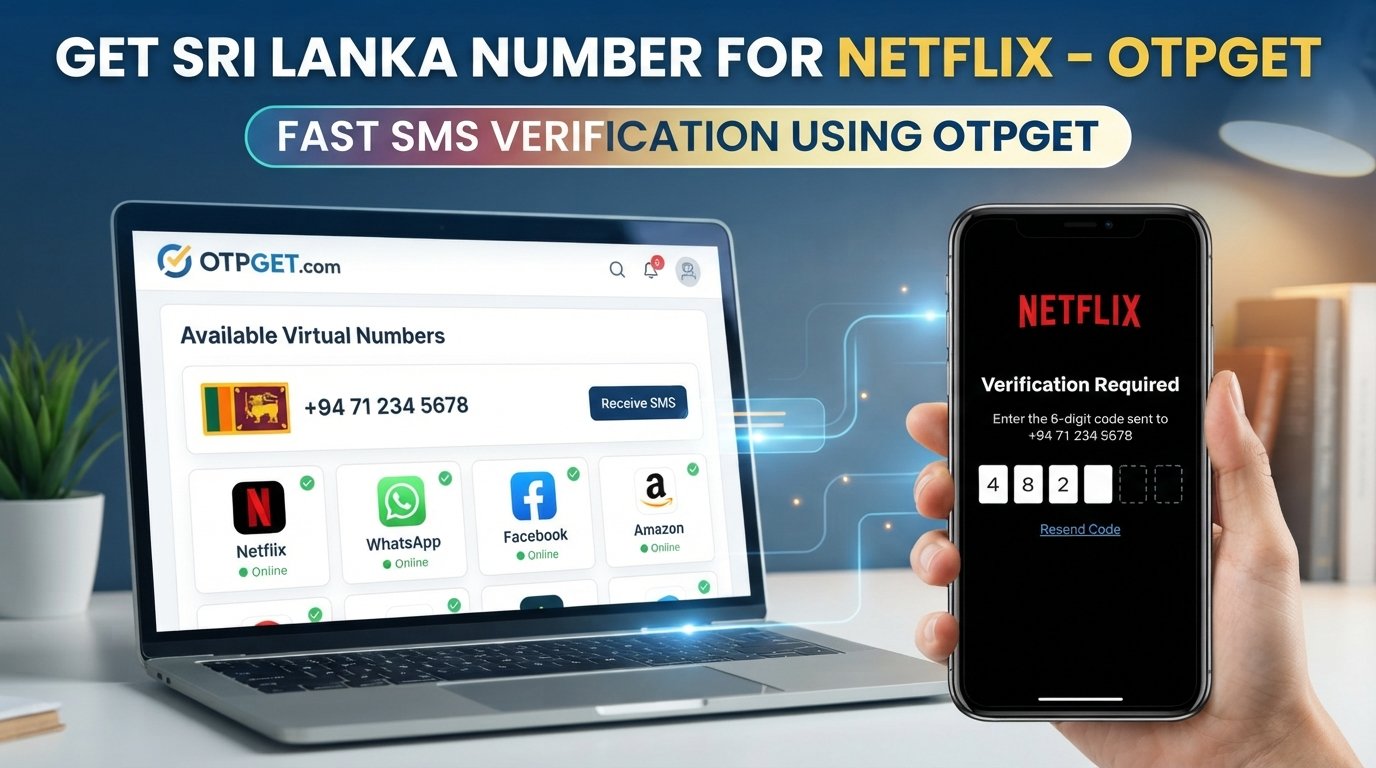
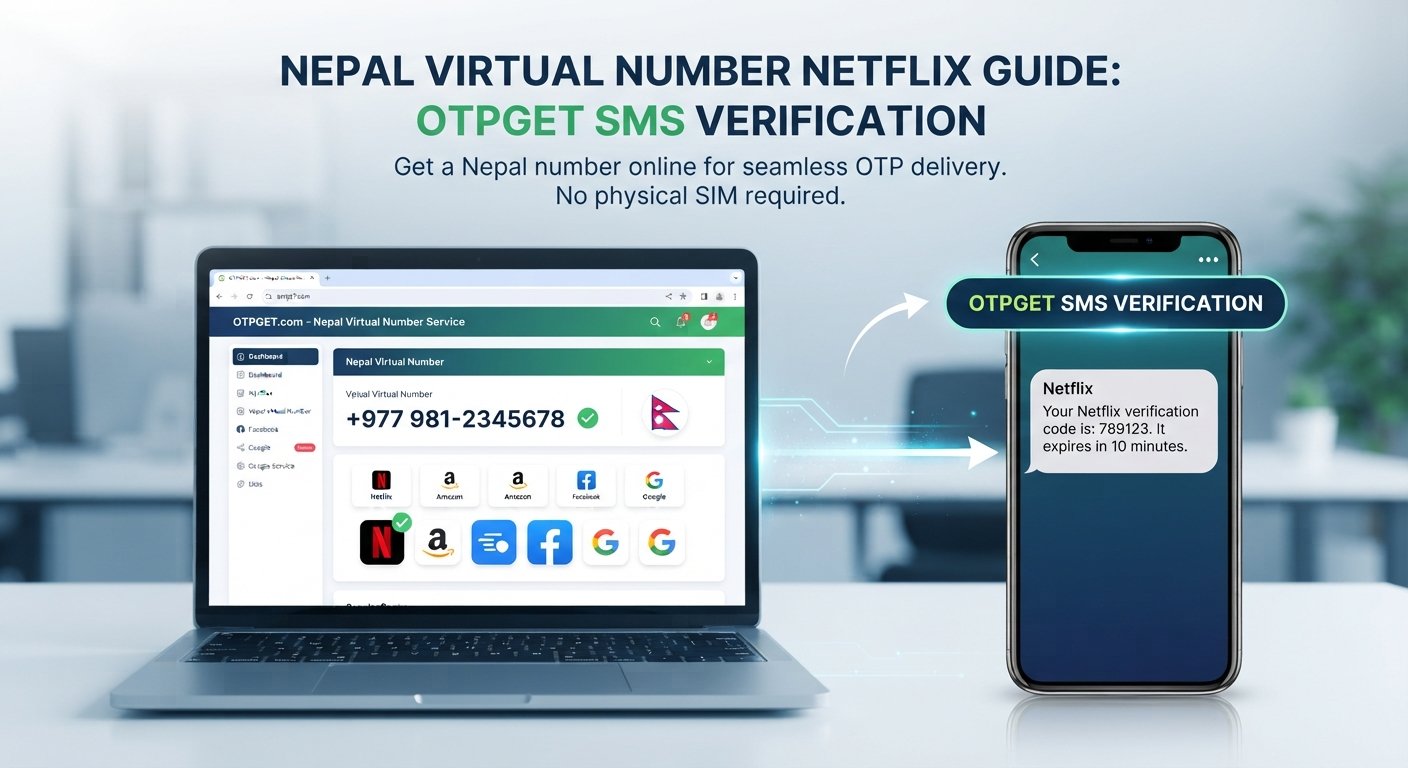
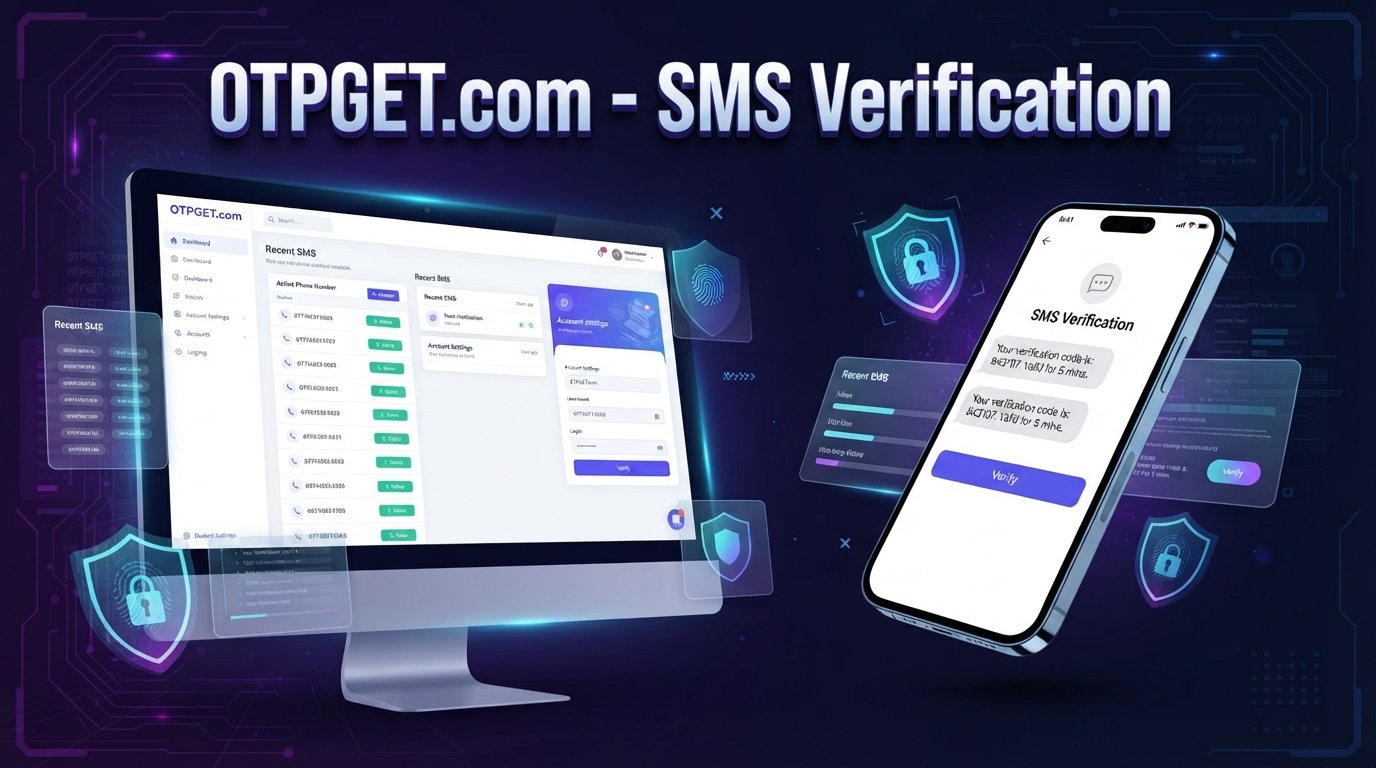
Temporary SMS verification uses a phone number intended for short-term verification needs rather than ongoing personal communication. A service such as OTPGET can provide a convenient option for receiving SMS verification codes when a temporary number is appropriate.
The important point is to use these services responsibly. Temporary numbers are useful in some situations, but they are not a universal replacement for a permanent phone number.
What Is Temporary SMS Verification?
Temporary SMS verification is the process of using a temporary phone number to receive an SMS containing a verification code or one-time password (OTP).
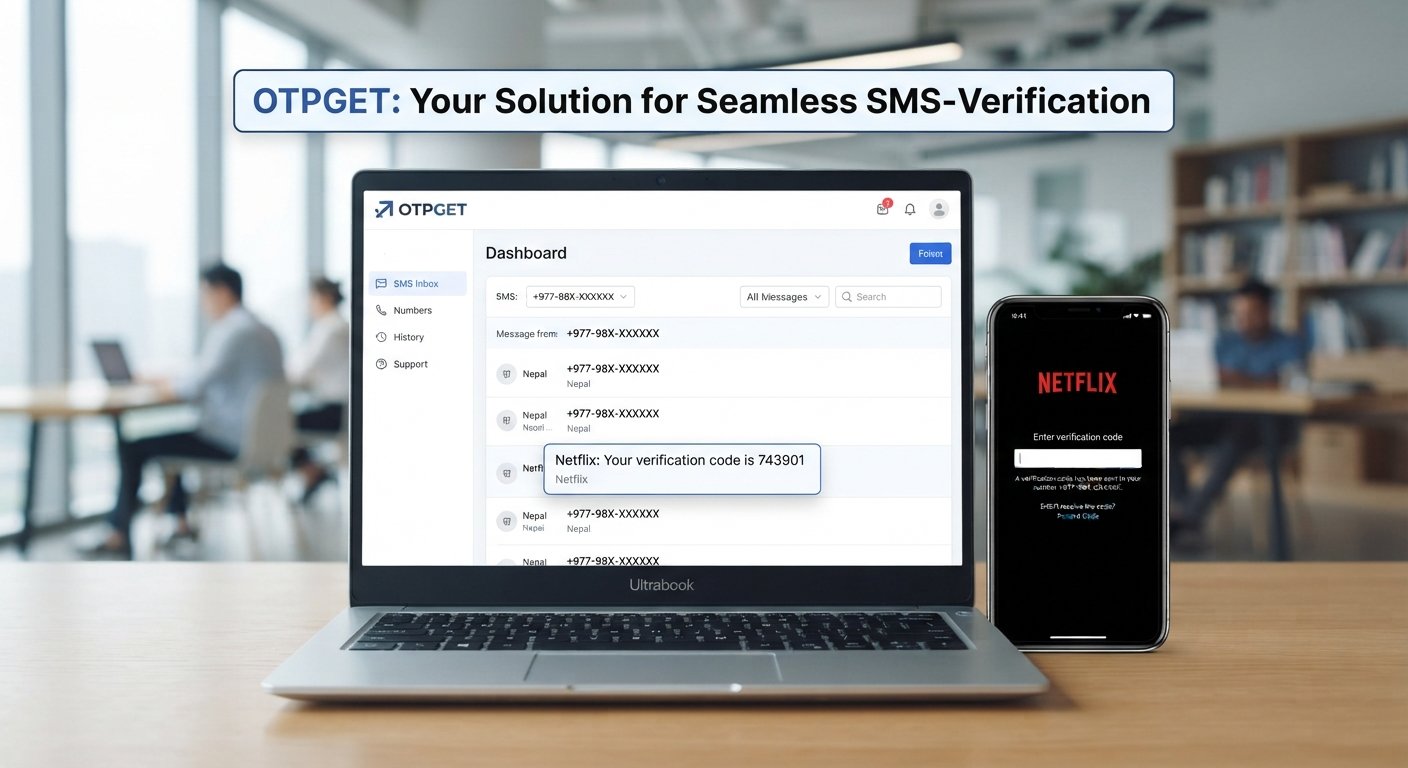
SMS verification is commonly used by websites and apps to confirm control of a phone number. After entering a number, the platform sends a verification SMS containing a code. The user enters that code into the required field, and the platform completes its verification process.
An OTP, or one-time password, is a temporary code generated for a specific verification or authentication attempt. Unlike a permanent password, an OTP is generally designed to be used once or for a limited period.
For example, a typical verification flow might look like this:
Phone number → SMS verification code → Code entered → Verification completed
Temporary SMS services fit into this process by providing a number that can receive the incoming verification message.
The exact behavior depends on the website or application involved. Some platforms may accept temporary or virtual numbers, while others may restrict them.
How Temporary SMS Verification Works
The basic process is straightforward.
- A verification request is made.
You reach a website, app, testing environment, or other legitimate service that requires phone number verification. - A temporary number is selected.
You obtain a suitable temporary phone number through an SMS verification service. - The number is entered.
You provide the temporary number to the platform requesting verification. - An SMS is sent.
The platform sends a verification SMS containing an OTP or verification code. - The message is received.
The SMS verification service receives the incoming message for the temporary number. - The code is entered.
You enter the received code into the appropriate verification field. - The platform processes the verification.
If the number and code are accepted, the platform completes its own verification procedure.
Not every verification attempt will work the same way. A website may reject temporary numbers, restrict certain number types, or apply additional verification requirements. SMS delivery can also depend on the specific service and network involved.
Why Do People Use Temporary SMS Verification?
There are several legitimate reasons someone might need a temporary verification number.
Protecting Personal Contact Information
Some users prefer not to provide their personal phone number to every website they try. A temporary number can reduce unnecessary exposure of a personal contact detail in situations where a permanent number is not required.
This does not mean temporary numbers make a user completely anonymous. They should be viewed as a practical privacy option rather than an anonymity guarantee.
Testing Applications
Developers and QA teams may need phone numbers for testing registration, login, password-reset, and OTP workflows. Using temporary verification numbers can make testing easier without repeatedly involving personal phone numbers.
Temporary Projects
A short-term website, online project, or testing activity may require SMS verification without creating a long-term need for the number.
Separating Personal and Online Activities
Some people prefer to keep personal communications separate from certain online activities. A temporary phone number can provide another layer of separation where the platform permits its use.
Receiving One-Time Codes
When the purpose is simply to receive an SMS OTP during a legitimate temporary workflow, an online SMS verification option can be convenient.
The key is to follow the rules of the platform being used. Temporary numbers should not be used to create fraudulent accounts, bypass restrictions, impersonate others, send spam, or defeat security controls.
Temporary SMS Verification vs. Using Your Personal Number
Both approaches have legitimate uses, and the right choice depends on what you are trying to accomplish.
| Consideration | Temporary Number | Personal Number |
|---|---|---|
| Short-term verification | Often suitable | Suitable |
| Personal contact exposure | Can reduce unnecessary sharing | Requires sharing your number |
| Long-term account recovery | May be unsuitable | Usually more practical |
| Testing workflows | Convenient for certain testing scenarios | Less convenient at scale |
| Number continuity | May be temporary | Usually remains available |
| Platform acceptance | Depends on the platform | More commonly accepted |
| Critical accounts | Requires careful consideration | Often more appropriate |
The biggest consideration is account recovery.
If you are creating an account that you expect to use for a long time, losing access to the verification number could create problems later. A temporary number may no longer be available when you need a recovery SMS.
For important accounts, particularly those involving sensitive information, a permanent number may be the more appropriate choice.
Common Problems With SMS Verification
SMS verification is simple in theory, but users can encounter practical problems.
Verification Messages Can Be Delayed
An SMS may not arrive immediately. Network conditions, service processing, or other factors can affect delivery.
Codes Can Expire
Many OTPs are valid only for a limited period. If a code arrives after it has expired, another verification attempt may be required.
Messages May Not Arrive
Sometimes a verification SMS simply does not reach the selected number. This can happen for various technical or platform-specific reasons.
Temporary Numbers May Be Rejected
Some websites and applications distinguish between different types of phone numbers. A platform may refuse a temporary, virtual, or previously used number.
Repeated Requests Can Cause Confusion
Requesting several codes in quick succession can result in multiple messages, making it difficult to identify which code is currently valid.
Managing Test Accounts Can Become Tedious
Developers and testers working with multiple verification workflows may find it inconvenient to manage every test using personal numbers.
Understanding these limitations helps set realistic expectations when using an SMS verification service.
How OTPGET Can Help With Temporary SMS Verification
For users who need a practical option for temporary verification, OTPGET can be considered as part of the workflow.
OTPGET is positioned around temporary SMS and OTP-related needs, giving users a convenient way to access temporary verification numbers and receive SMS verification codes where supported.
The main benefit is simplicity. Instead of relying on a personal phone number for every legitimate short-term verification situation, users can consider a temporary number when the circumstances call for one.
OTPGET can be useful for situations such as application testing, temporary projects, and other short-term verification workflows where using a personal number is unnecessary or inconvenient.
A typical workflow remains simple: obtain an appropriate temporary number, use it for the relevant verification request, receive the SMS code, and enter the code where required.
This can make temporary verification easier to manage while reducing unnecessary use of a personal phone number.
However, OTPGET should not be viewed as a way to bypass a platform's rules or security requirements. Whether a particular temporary number is accepted depends on the website or service involved. Users should always follow the applicable terms and use verification services for legitimate purposes.
If you have a genuine need for temporary SMS verification, exploring OTPGET can be a practical next step.
Things to Consider Before Using a Temporary Number
A temporary phone number can be useful, but consider the following before choosing one.
Check whether temporary numbers are accepted.
Some websites and apps may not accept temporary or virtual numbers. Do not assume that a temporary number will work with every platform.
Think about account recovery.
If you need continued access to an account, make sure you understand how future verification and recovery will work.
Consider number reuse.
Temporary numbers are intended for temporary purposes, so they should not automatically be treated like a permanent personal number.
Review privacy requirements.
Understand what information you are sharing and what type of number is appropriate for the situation.
Follow platform terms.
A temporary number should never be used to circumvent account limits, bans, identity checks, or other platform controls.
Use caution with sensitive accounts.
Financial, administrative, or other high-security accounts may require a permanent number or stronger authentication method. Temporary SMS may not be appropriate for these situations.
Thinking through these factors before starting can prevent problems later.
Best Practices for SMS Verification
Whether you use a personal number or a temporary verification number, a few basic practices can improve the experience.
- Use SMS verification numbers only for legitimate purposes.
- Never share an OTP or verification code with another person.
- Enter the verification number carefully before requesting a code.
- Avoid repeatedly requesting new codes unless necessary.
- Remember that OTPs are generally intended for limited or one-time use.
- Use a permanent phone number for accounts that depend on long-term recovery when appropriate.
- Do not use temporary numbers for sensitive accounts unless the account's requirements make that appropriate.
- Follow the website or application's terms of service.
- Keep verification codes private.
- Avoid reusing verification information unnecessarily.
A verification code should be treated as sensitive information. Anyone who obtains a valid OTP may potentially use it within the scope of the verification process, so protecting it matters.
Frequently Asked Questions
What is temporary SMS verification?
Temporary SMS verification is the use of a temporary phone number to receive an SMS verification code or OTP for a short-term, legitimate verification need.
How does a temporary SMS verification number work?
A temporary number is provided for the verification process. The relevant website sends an SMS code to that number, the message is received, and the code can then be entered into the verification field.
Can I receive OTP codes with a temporary number?
Yes, a temporary number can be used to receive OTP codes when the relevant service supports the number and accepts temporary verification numbers. Acceptance varies by platform.
Why would someone use a temporary phone number for verification?
People may use a temporary phone number to reduce unnecessary exposure of their personal number, support application testing, manage temporary projects, or handle short-term verification needs.
Is temporary SMS verification suitable for important accounts?
Not always. Accounts that require long-term recovery may be better associated with a permanent number or another authentication method you can reliably access later.
What is OTPGET?
OTPGET is an option for users who need temporary SMS verification and OTP-related functionality. It can provide convenient access to temporary verification numbers and SMS codes for supported legitimate use cases.
Can every website accept a temporary SMS number?
No. Websites and applications can have their own verification policies and may reject temporary or virtual numbers. Always check the requirements of the specific platform.
Conclusion
Temporary SMS verification provides a practical way to handle certain short-term phone verification needs without relying on a personal number every time.
The process is straightforward: a temporary number receives an SMS verification code, the code is entered into the relevant platform, and the platform completes its verification process. This can be useful for application testing, temporary projects, privacy-conscious workflows, and other legitimate situations.
At the same time, temporary numbers have limitations. They may not be accepted everywhere, may not be suitable for long-term account recovery, and should not be used to bypass platform rules or security controls.
For users looking for a convenient option for legitimate temporary verification, OTPGET can be worth exploring. It offers a practical approach to temporary SMS and OTP-related workflows while keeping the process focused on receiving the verification information you need.
If your use case calls for a temporary verification option, explore OTPGET and consider whether a temporary number fits the requirements of the specific service you are using.
INTERNAL LINK SUGGESTIONS
- Anchor text:
OTP verification
Suggested destination/topic:
A beginner's guide to OTP verification and one-time passwords
Reason:
Links readers who want a deeper explanation of how OTPs work and why websites use them. - Anchor text:
temporary phone numbers
Suggested destination/topic:
A guide explaining temporary phone numbers, common uses, and important limitations
Reason:
Provides broader context for readers considering a temporary number. - Anchor text:
SMS verification
Suggested destination/topic:
An educational guide covering SMS-based phone verification
Reason:
Strengthens topical relevance and gives readers a more detailed explanation of the underlying verification method. - Anchor text:
online privacy
Suggested destination/topic:
Practical online privacy tips for managing personal information
Reason:
Connects temporary verification with the broader topic of reducing unnecessary exposure of personal contact information. - Anchor text:
verification codes
Suggested destination/topic:
A guide explaining verification codes, OTPs, expiration, and safe handling
Reason:
Helps readers understand how verification messages work and why OTPs should be kept private.