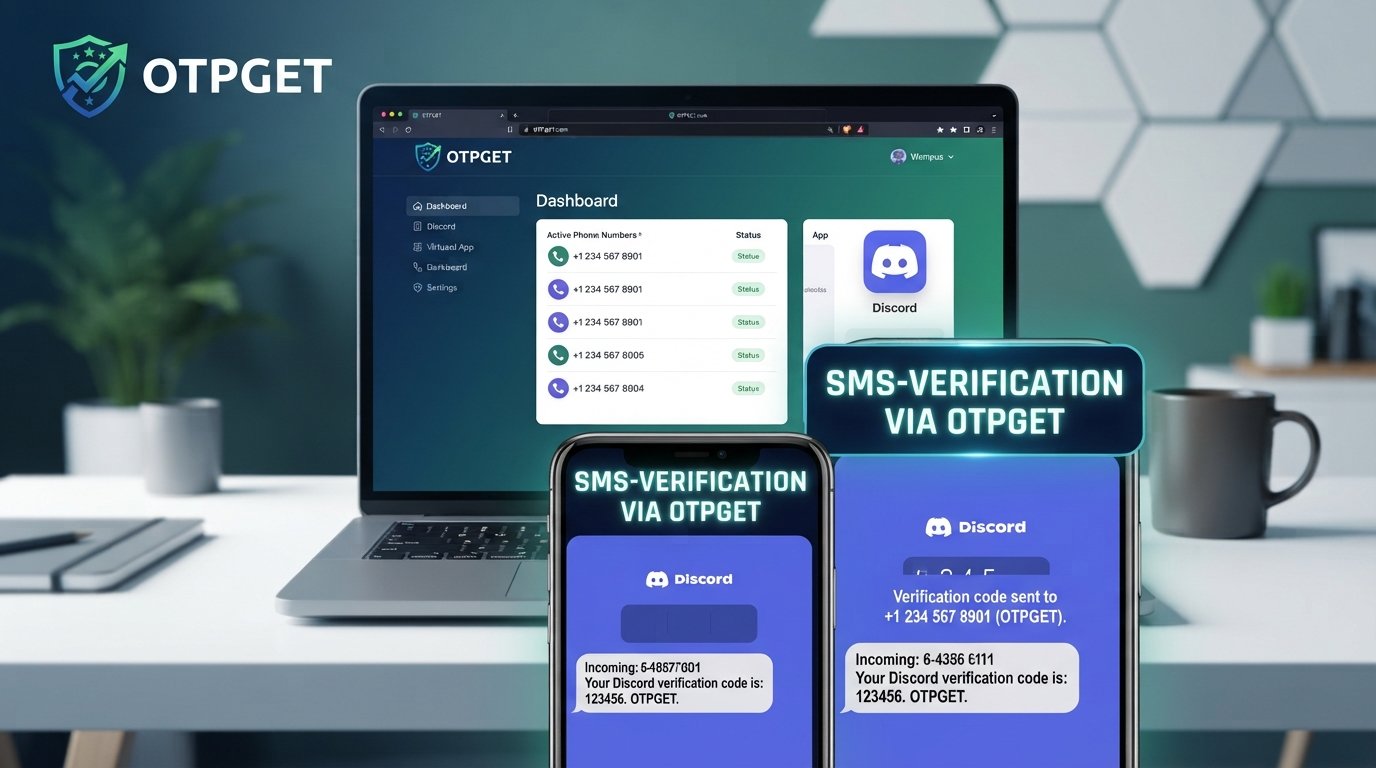
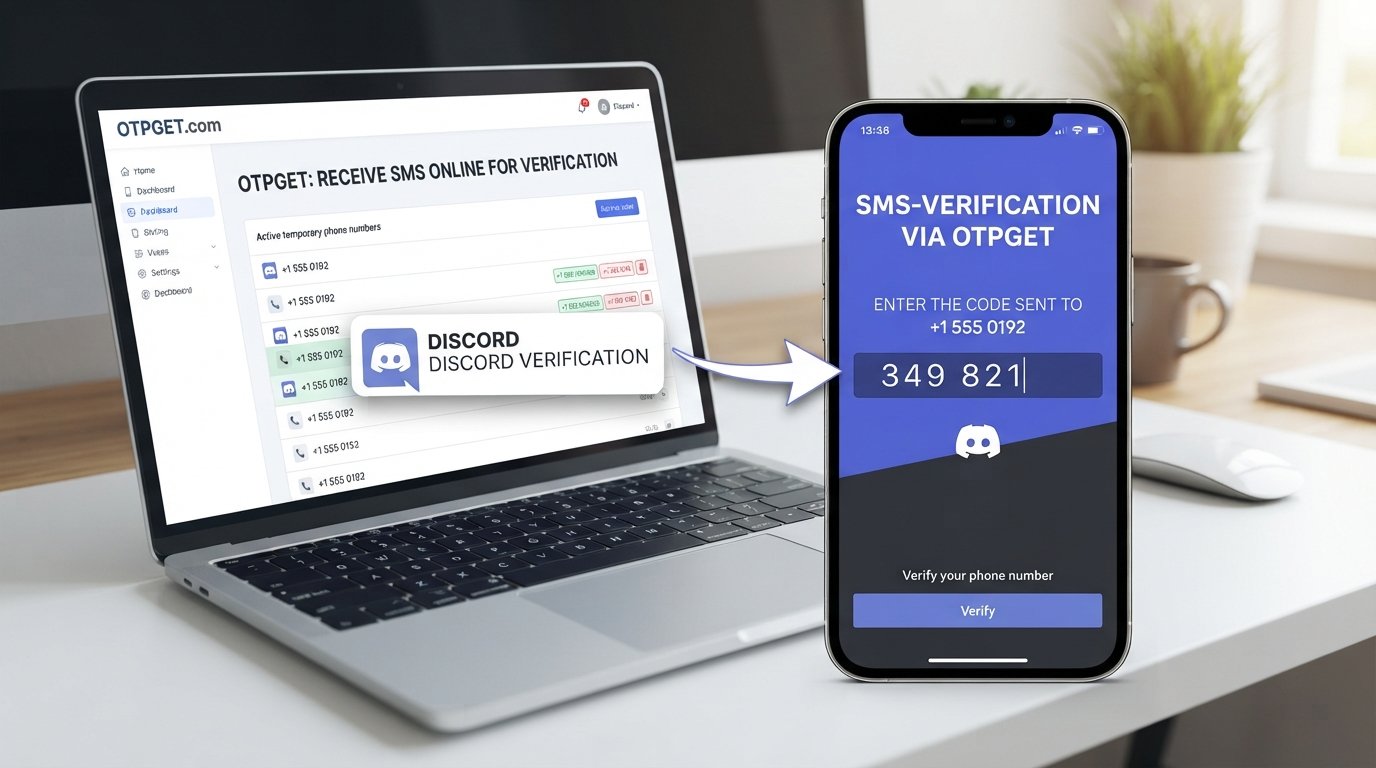
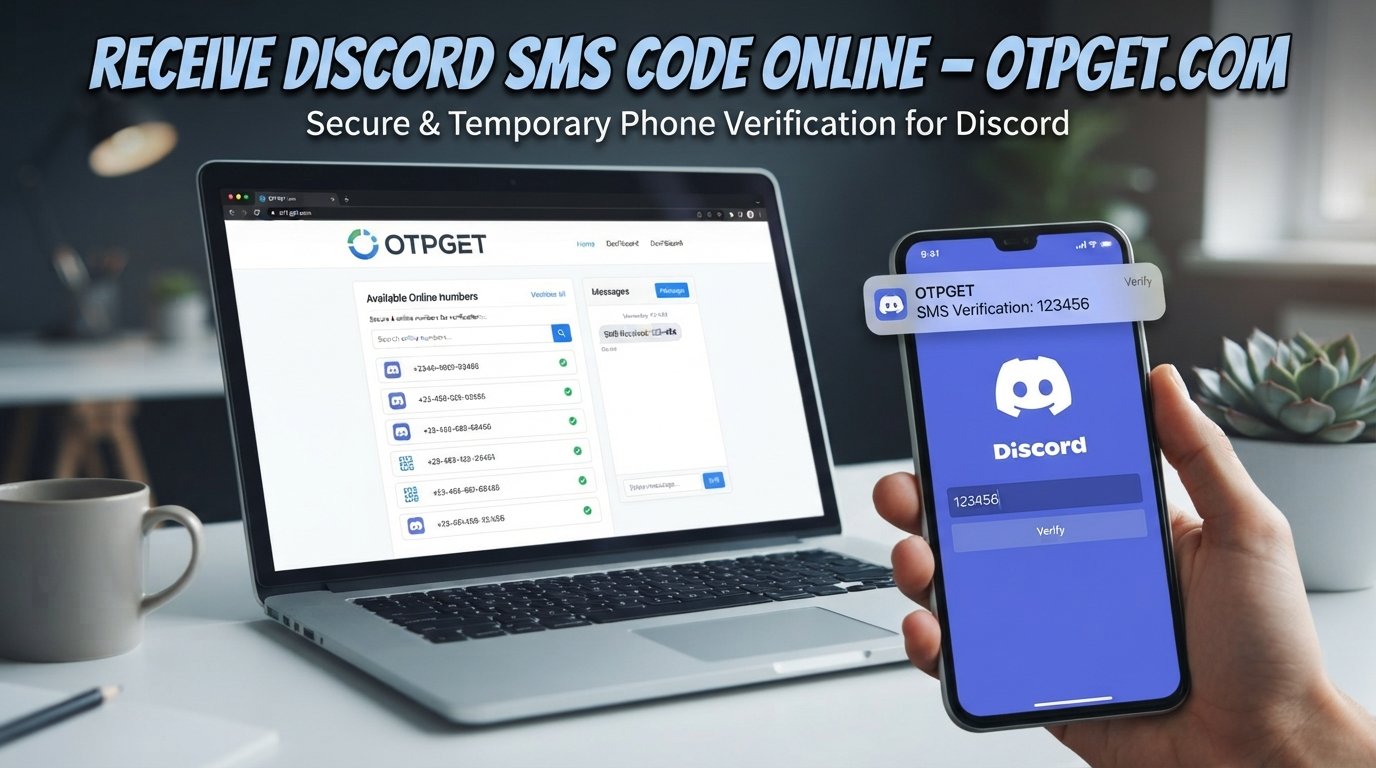
Temporary Verification Number: Easy, Private SMS Verification
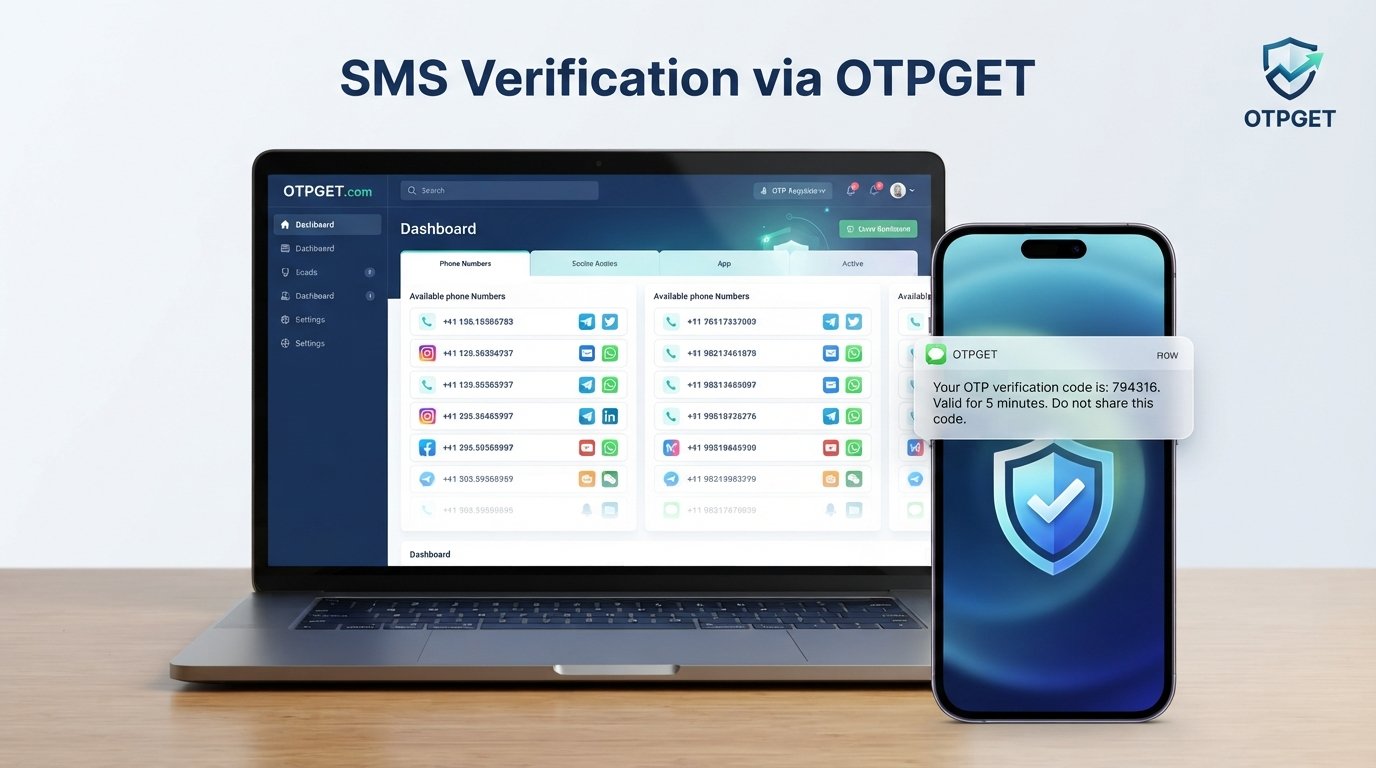
How to Get a Temporary Verification Number
Signing up for a website or app often comes with one extra step: phone verification. You enter your number, wait for an SMS, and type in the code you receive.
The process is simple, but not everyone wants to hand over their primary phone number every time a new service asks for one. You may want to keep personal communications separate, reduce unwanted messages, or use an alternative number for a temporary project.
That is where a temporary verification number can be useful.
A temporary number can provide a practical way to receive an SMS verification code without immediately using your everyday mobile number. Services such as OTPGET can make that process more convenient by providing access to a number intended for verification-related use.
But how does it actually work, and when should you use one? Let's break it down.
What Is a Temporary Verification Number?
A temporary verification number is a phone number used for a limited or specific purpose, such as receiving an SMS containing an OTP or account verification code.
Unlike your regular mobile number, which you may use for calls, messaging, banking, account recovery, and personal contacts, a temporary number is intended to keep a particular online verification activity separate from your primary communications.
The basic idea is straightforward:
Website or app → temporary number → SMS code → verification
When a service asks you to verify a phone number, it may send an SMS OTP, meaning a one-time password or code. If the service accepts the type of number being used, the message can be received through the temporary-number service and the code entered into the relevant verification field.
This is sometimes described as an SMS verification number, temporary SMS number, or online verification number. Depending on the provider and the intended use, numbers may be temporary, virtual, or otherwise separate from a person's primary mobile line.
Why Use a Temporary Number for Verification?
There is no single reason people choose an alternative number. In many cases, it simply comes down to separating different parts of online life.
Privacy and separation
Using an alternative number can help you avoid giving your private phone number to every website or service that requests verification.
That does not make you completely anonymous or guarantee that your information cannot be associated with an account. It simply provides another layer of separation between a verification activity and your everyday number.
Fewer unwanted messages
If a phone number is repeatedly used for online registrations, it can become associated with promotional communications or other unwanted messages. A temporary number can help keep verification-related activity separate from your primary inbox.
Convenience
Sometimes you simply need a phone number for verification without wanting to use your personal line. A temporary phone number for verification can be a practical alternative when the relevant platform accepts it.
Testing and temporary projects
Developers, testers, and people working on short-term projects may need to check how an application handles SMS OTP messages. An alternative number can be useful for legitimate testing and setup activities.
A separate number for online registrations
Some people prefer having an alternative phone number for selected online services rather than sharing their private phone number broadly. The goal is not to avoid legitimate verification requirements, but to manage where personal contact information is used.
How Does SMS Verification Work?
For beginners, the process can seem more complicated than it really is. In most cases, it follows a simple sequence.
- A website or app requests a phone number.
The service may require phone verification before allowing an account or feature to be used. - You provide an appropriate temporary verification number.
The number should be one that the platform accepts for its verification process. - The platform sends an SMS OTP.
The website or app generates a verification code and sends it by text message. - The message is received through the number service.
If the number and platform are compatible, the incoming verification message becomes available through the service you're using. - You enter the verification code.
Copy the OTP into the verification field on the website or app. - Verification is completed if the platform accepts the number.
Some platforms may reject temporary, virtual, or shared numbers, so acceptance is never something to assume.
In other words, an online SMS verification service acts as the connection between the temporary number and the incoming verification message.
How to Get a Temporary Verification Number
If you need an alternative number for a legitimate verification task, the process can be straightforward.
OTPGET is a practical solution to consider when you want a convenient way to access a temporary verification number.
A typical workflow looks like this:
- Visit OTPGET.
Start by accessing the service and reviewing the available verification options. - Select an appropriate available number or service.
Choose an option that matches the legitimate platform or verification task you're working with. - Use the number for the requested verification.
Enter the temporary number in the phone-number field on the supported website or application. - Wait for the SMS or OTP.
Once the platform sends its verification message, allow time for the message to arrive. - Retrieve the verification code through OTPGET.
Check the relevant verification interface for the incoming SMS. - Enter the code on the platform.
Submit the OTP where requested to complete the verification process.
The exact interface and availability can vary, so it is best to follow the instructions presented by OTPGET when using the service.
Most importantly, use a temporary number only for legitimate purposes and follow the verification requirements and terms of the website or app involved.
Why Choose OTPGET for Temporary Verification?
The main advantage of using OTPGET is simplicity.
Instead of treating a verification request as a reason to immediately share your personal phone number, you can consider whether an alternative number is appropriate for the situation. When it is, OTPGET provides a practical route for handling the verification step.
There are several reasons this approach can be useful:
- Convenient access: A temporary number can be useful when you need an alternative to your everyday phone number.
- Better separation: Verification-related messages can remain separate from your personal communications.
- Straightforward workflow: The basic process is easy to understand: obtain a suitable number, receive the SMS, and enter the code.
- Useful for temporary needs: An alternative number can make sense for registrations, testing, and other short-term activities where a permanent personal number is unnecessary.
- Less unnecessary exposure: You can avoid automatically sharing your primary number when an alternative is suitable and permitted.
OTPGET should not be viewed as a way to defeat a platform's security requirements. Instead, think of it as a convenient option for situations where using a temporary or alternative number is allowed.
Temporary Verification Number vs. Your Personal Phone Number
Both options have their place. The better choice depends on what you are verifying and whether you need the number later.
| Consideration | Personal number | Temporary number |
|---|---|---|
| Everyday communication | Best suited | Usually not the main purpose |
| Long-term account recovery | Generally preferable | May be unsuitable |
| One-time verification | May be unnecessary | Often more convenient |
| Separation from personal contact details | Limited | Better suited |
| Temporary projects or testing | Possible | Often more appropriate |
| Future access to the same number | More predictable | May not remain available |
For important accounts that you expect to keep for a long time, a permanent number is often the safer practical choice because account recovery may depend on continued access to that number.
For a short-term verification task, an alternative number may be more appropriate if the platform allows it.
What Can You Use a Temporary Verification Number For?
Temporary numbers can have several legitimate uses.
For example, you might use one for:
- Account registration where an alternative number is permitted
- Testing an app's SMS verification flow
- Verifying a website or online service
- Temporary projects that need SMS-based testing
- Separating personal contact information from selected registrations
- Receiving a one-time verification code without using your everyday number
The important distinction is how the number is used.
A temporary verification number should not be used to impersonate someone, create deceptive accounts, bypass restrictions, evade legitimate identity checks, or violate a platform's rules. If a service requires a specific identity or permanent phone number, follow that requirement rather than trying to work around it.
Things to Consider Before Using a Temporary Number
Temporary verification numbers are useful, but they are not a universal solution.
Not every website accepts them
Some platforms distinguish between mobile, VoIP, virtual, shared, and temporary numbers. A service may reject a number even if it can receive SMS.
Availability can vary
A temporary number is different from a personal mobile line that you control indefinitely. Depending on the service, availability and continued access may change.
Important accounts may need permanence
For banking, account recovery, business-critical services, or other accounts you cannot afford to lose access to, consider using a permanent number when required.
Check the platform's rules
Always follow the terms and verification requirements of the website or application you are using. If temporary numbers are prohibited, using one may prevent verification or create account-management problems later.
Don't confuse privacy with complete anonymity
Using a temporary number can reduce the need to share your personal phone number in some situations, but it does not automatically make an online activity anonymous or guarantee complete privacy.
These considerations are worth understanding because choosing the right number is less about finding a universal workaround and more about matching the right tool to the right situation.
Is a Temporary Verification Number Right for You?
Ask yourself one simple question: Do I need this phone number for long-term access, or only for a temporary verification task?
If the answer is long-term access, especially for an important account, your personal or permanently controlled number may be the better option.
If you only need to receive a verification code and the platform permits an alternative number, a temporary verification number can offer useful separation and convenience.
For people who regularly encounter legitimate SMS verification requests and prefer not to use their private phone number every time, a service such as OTPGET can be a practical option to explore.
Final Thoughts
Phone verification is now a routine part of using many websites and applications. But routine does not mean you always have to use your primary phone number.
A temporary verification number can provide a convenient alternative for situations where you need to receive an SMS OTP while keeping verification-related activity separate from your everyday number.
The process is simple: choose an appropriate number, use it where permitted, receive the verification message, and enter the code.
If you need a convenient temporary verification number, OTPGET is a practical solution to consider. Explore OTPGET to see whether its available verification options fit your legitimate online verification needs.
Frequently Asked Questions
What is a temporary verification number?
It is a phone number intended for limited or specific verification purposes, such as receiving an SMS code during registration or another approved verification process.
How does a temporary number receive an OTP?
When a compatible website sends an OTP by SMS, the message can be delivered to the temporary number and made available through the service providing that number.
Can I receive SMS verification online?
Yes, online SMS verification services can provide access to incoming verification messages for supported numbers and platforms. Acceptance depends on the website or app requesting verification.
Why would I use a temporary phone number for verification?
A temporary phone number can help separate online verification activity from your personal communications and reduce the need to share your primary number for every suitable registration or temporary task.
Is a temporary verification number suitable for every website?
No. Some websites restrict temporary, virtual, VoIP, or shared numbers. Always check the platform's requirements and terms before choosing an alternative number.
How does OTPGET help with SMS verification?
OTPGET provides a practical way to access temporary verification numbers and retrieve verification-related SMS messages, making the basic process of receiving an OTP more convenient.
Should I use a temporary number for important accounts?
For important accounts that require long-term recovery or continued access to the same phone number, a permanent number is generally more appropriate. Use a temporary option only when it fits the platform's requirements and your needs.