Virtual Number API vs Traditional SMS Infrastructure: Key Differences
Virtual Number API vs Traditional SMS Infrastructure
Full Article
For many applications, sending an SMS is no longer a standalone communication task. It can be part of user registration, login authentication, password recovery, transaction alerts, two-factor authentication, or an automated application workflow.
That creates an important infrastructure question: should a business build and manage traditional SMS infrastructure, or integrate messaging and virtual numbers through an API?
The difference goes beyond how an SMS is sent. It affects development effort, scalability, automation, maintenance, monitoring, and how closely communication can be connected to application logic.
A Virtual Number API provides an application-oriented way to interact with virtual phone numbers and messaging workflows. Traditional SMS infrastructure, by comparison, can involve more direct management of gateways, telecom connections, configurations, and operational components.
Neither approach is automatically right for every organization. The better fit depends on the existing environment and what the application needs to accomplish.
What Is a Virtual Number API?
A virtual number is a phone number that isn't necessarily tied to a physical handset or traditional telephone line. Depending on the service and configuration, it can be used as part of software-driven communication and verification workflows.
A Virtual Number API creates a programmatic connection between that communication capability and an application.
Instead of requiring an employee or separate system to manually handle a verification message, an application can interact with an API as part of its workflow.
For example, imagine a SaaS platform that needs to verify a new user's phone number:
- The user enters a phone number during registration.
- The application initiates an OTP verification workflow.
- A verification code is generated or requested through the relevant service.
- The SMS is delivered to the user.
- The application validates the submitted code.
- The account continues through the registration process.
The important concept is integration. Messaging becomes part of the application's logic rather than a completely separate operational process.
This model can be particularly useful for SMS verification, OTP delivery, authentication workflows, and other application-to-person (A2P) messaging use cases.
What Is Traditional SMS Infrastructure?
Traditional SMS infrastructure generally refers to an environment where an organization has more direct responsibility for the systems involved in sending and managing SMS traffic.
The exact architecture varies, but it can involve components such as SMS gateways, telecom connectivity, routing configurations, hardware or network dependencies, internal applications, and monitoring systems.
An organization may need to manage:
- Gateway configuration
- Telecom or carrier relationships
- Message routing
- Application integrations
- Infrastructure monitoring
- Capacity planning
- Error handling
- Operational maintenance
For organizations that already operate this kind of environment, traditional infrastructure can provide substantial control and customization.
The trade-off is that more responsibility sits with the organization. As messaging requirements grow or applications become more complex, the number of systems that need to work together can also increase.
Virtual Number API vs Traditional SMS Infrastructure
| Factor | Virtual Number API | Traditional SMS Infrastructure |
|---|---|---|
| Setup | Generally designed around service and API integration | May require infrastructure, gateway, and telecom configuration |
| Integration | Application connects through API endpoints and software workflows | Often involves more direct system and gateway integration |
| Scalability | Well suited to software-driven, changing workloads | May require capacity planning and infrastructure management |
| Automation | Designed to connect messaging with application logic | Possible, but often requires additional internal integration |
| Developer experience | API-based workflows can be familiar to developers | Can require knowledge of gateways, telecom systems, and infrastructure |
| Maintenance | Service provider handles much of the underlying service layer | Organization typically manages more infrastructure components |
| OTP workflows | Can be integrated directly into application workflows | Usually requires application-to-gateway integration |
| SMS verification | Suitable for programmatic verification workflows | Supported when properly integrated with SMS systems |
| Monitoring | Can be incorporated into application/API monitoring | May involve several infrastructure and gateway monitoring layers |
| Operational complexity | Can reduce infrastructure management responsibilities | Can involve greater operational ownership |
| Flexibility | Useful for software-centric communication workflows | Can offer extensive customization in established environments |
| Business use cases | SaaS, apps, authentication, verification, automated messaging | Established telecom, legacy, and customized enterprise environments |
The table highlights a general architectural distinction rather than a universal rule. The actual experience depends on the provider, infrastructure design, messaging requirements, and technical implementation.
Key Differences Between the Two Approaches
Integration and Developer Experience
For developers, one of the most significant differences is how messaging functionality enters the application.
An SMS API provides an interface that software can call programmatically. This can make it easier to incorporate messaging into registration forms, authentication systems, dashboards, backend services, and automated workflows.
A traditional environment may require developers to work with additional gateway configurations or internal systems before an application can trigger an SMS.
For a development team building a mobile application or SaaS product, an API-based model can therefore reduce the amount of infrastructure-specific work required on the application side.
The goal isn't simply to send a message. It's to make messaging behave like another application capability.
Scalability
SMS requirements rarely remain static.
A small application may initially need only occasional verification messages. As registrations, authentication events, transactions, or customer interactions increase, the messaging workload can change significantly.
With a Virtual Number API, communication can be incorporated into software workflows without requiring the development team to design every underlying messaging component itself.
Traditional SMS infrastructure can also scale, but scaling may involve additional capacity planning, gateway configuration, routing considerations, and operational resources.
For businesses with variable messaging requirements, the infrastructure model becomes an important architectural decision.
Automation
Automation is central to modern OTP and verification workflows.
Consider a login process that requires two-factor authentication. The application needs to trigger a verification code, communicate that code to the user, receive the submitted value, and determine whether authentication should continue.
An API-oriented architecture can connect these stages programmatically.
The same principle applies to:
- Phone number verification
- Account activation
- Password recovery
- Transactional alerts
- Automated SMS
- Application notifications
- A2P messaging workflows
The more closely communication is connected to application logic, the less dependence there is on manual intervention.
Maintenance and Infrastructure Management
Building an SMS infrastructure stack means taking responsibility for more than the application itself.
Teams may need to understand gateway behavior, connectivity, routing, monitoring, configuration, failure handling, and other operational concerns.
An API-based service changes where some of that responsibility sits.
Instead of building every layer internally, the development team can interact with an external communication service through defined software interfaces. This doesn't eliminate technical considerations, but it can reduce the amount of messaging infrastructure the business has to operate directly.
That distinction can matter for smaller engineering teams that want to focus resources on their core product.
Flexibility for Modern Applications
Modern software frequently needs communication to happen automatically and in response to application events.
A marketplace may need to verify sellers or buyers. An e-commerce application may use SMS for account authentication. A fintech application may require phone verification or additional authentication steps. A mobile app may send verification codes during registration.
These scenarios have something in common: the messaging event is triggered by software.
A Virtual Number API and related SMS APIs are designed around this type of interaction, making them relevant to application-centric communication architecture.
Why Businesses Are Moving Toward API-Based SMS
The appeal of API-based SMS is largely about reducing the distance between software and communication infrastructure.
Instead of treating SMS as a separate operational channel, businesses can incorporate it directly into their applications.
Common reasons for choosing this approach include:
- Faster software integration: Developers can work with APIs instead of building every messaging component from scratch.
- Automation: SMS events can be connected to application logic.
- Developer accessibility: API-based workflows fit naturally into modern software development.
- Scalable architecture: Messaging can be incorporated into applications as requirements evolve.
- Centralized workflows: Verification and communication logic can remain connected to the systems that trigger them.
- Reduced infrastructure management: Businesses can avoid taking direct responsibility for every layer of an SMS stack.
This is especially relevant when SMS is not the company's core business capability. A software company usually wants its engineering team focused on its product rather than maintaining telecom infrastructure unless that infrastructure is itself strategically important.
How OTPGET Fits Into the Picture
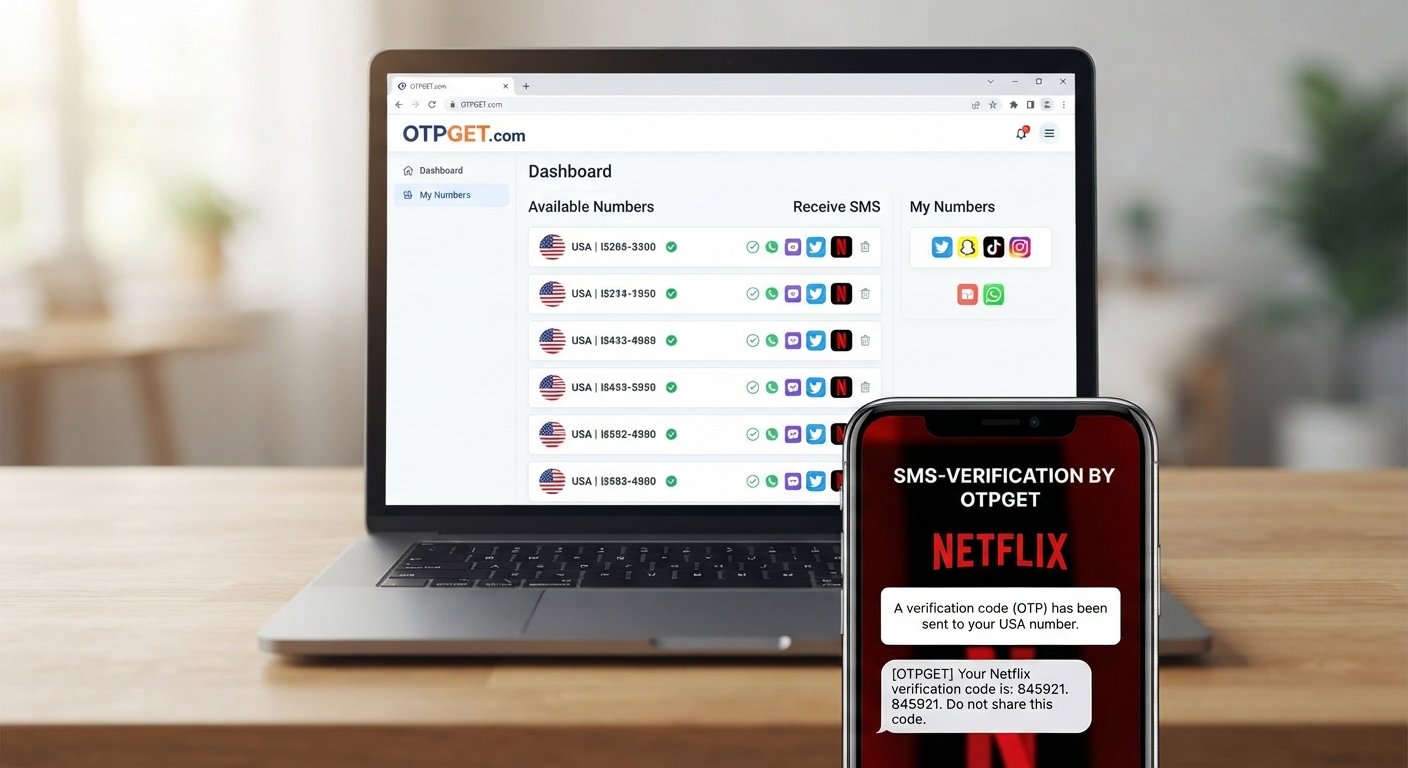
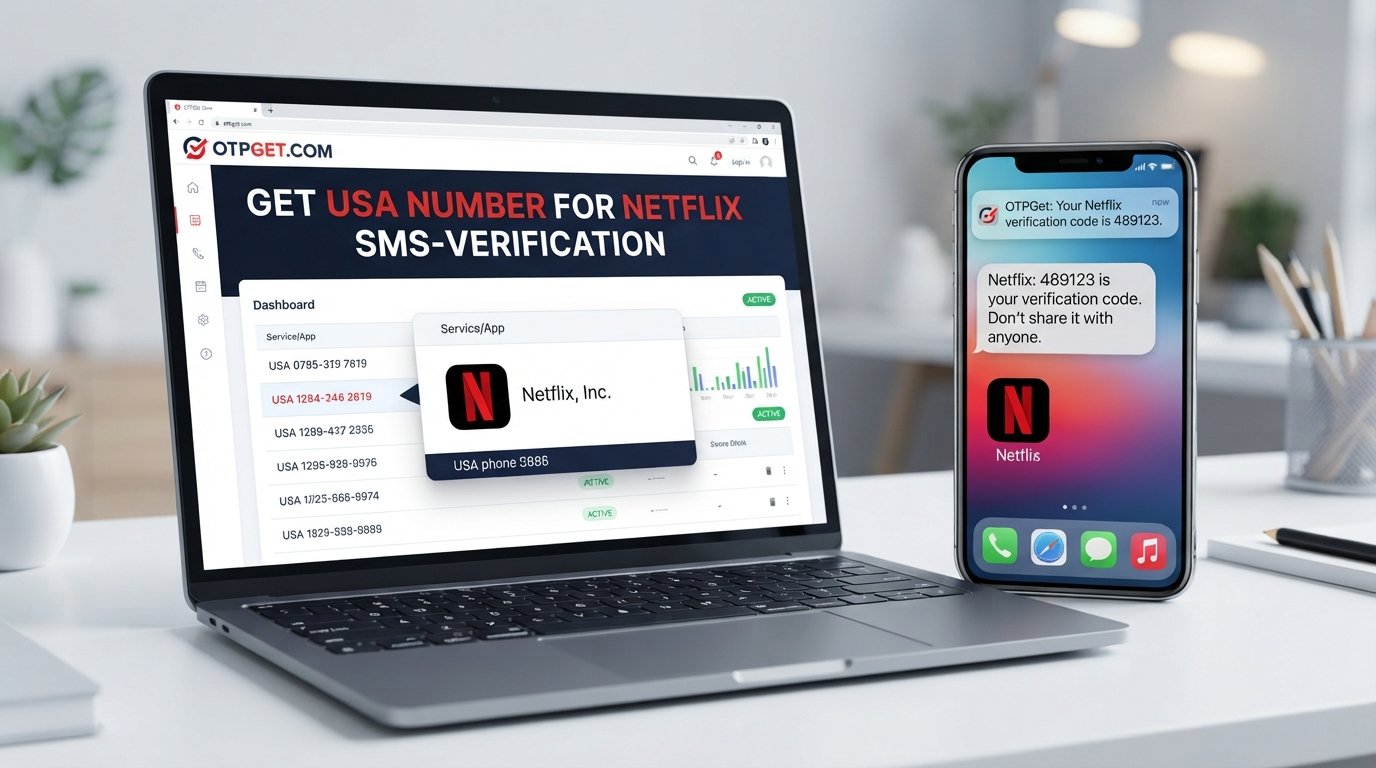
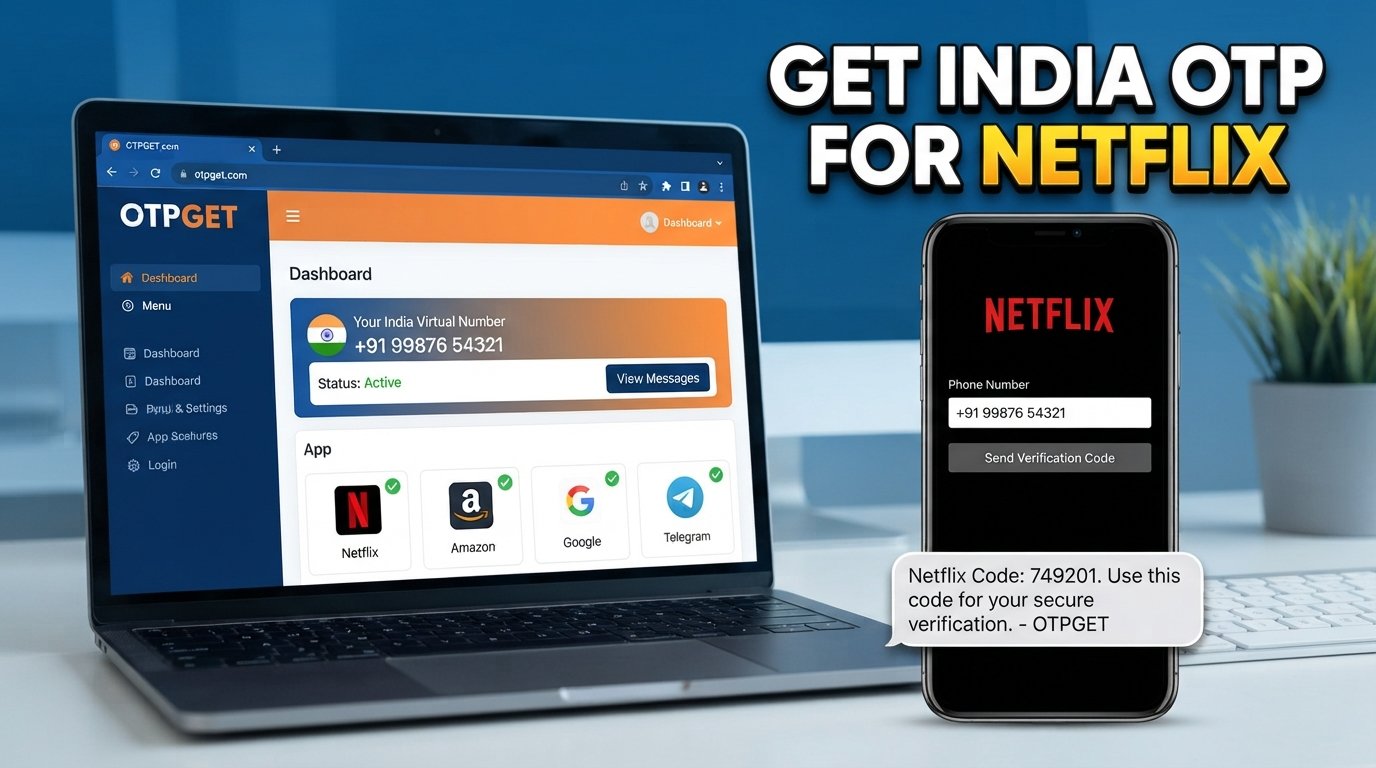
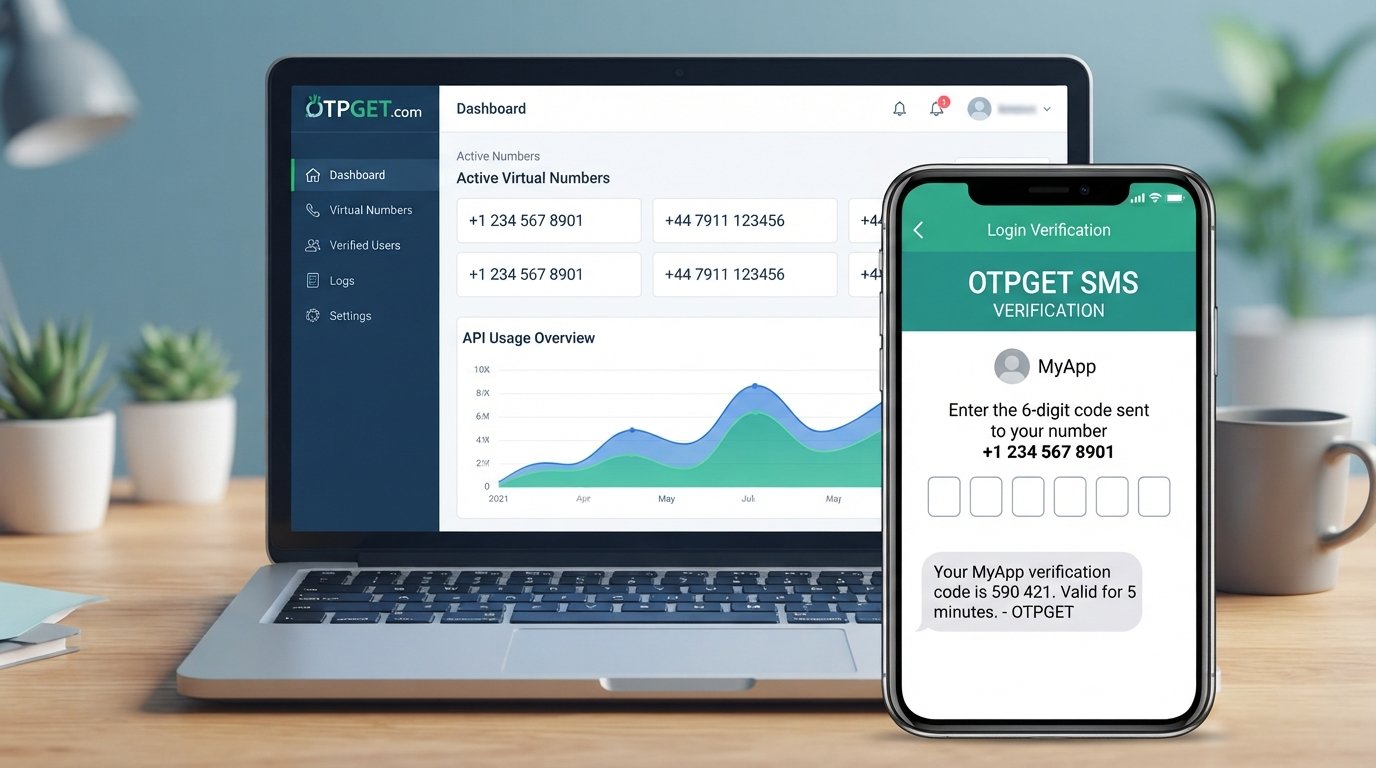
For businesses and developers evaluating an API-oriented approach, OTPGET can be considered as part of the infrastructure layer for virtual numbers, OTP-related workflows, and SMS verification.
The broader idea is straightforward: rather than building every component of phone verification and messaging infrastructure internally, an organization can use a service designed to connect application workflows with virtual numbers and SMS functionality.
This can be relevant when an application needs capabilities around:
- Virtual numbers
- SMS verification
- OTP-related workflows
- API integration
- Automated communication
- Application-driven messaging
- Verification codes
- Phone number verification
The practical advantage of this model is architectural simplicity. The application remains responsible for its own business logic, while the communication service provides an interface through which relevant messaging and verification workflows can be incorporated.
For developers, this makes an API-oriented solution worth evaluating alongside the effort and operational requirements of maintaining traditional SMS infrastructure.
The right implementation still depends on the application's requirements, expected usage, existing systems, and the specific capabilities offered by the selected service.
When Should You Choose a Virtual Number API?
A Virtual Number API may be appropriate when communication needs to be tightly connected to software.
For example, consider this approach if:
- You need programmatic OTP verification.
- You're developing a web or mobile application.
- You need automated SMS workflows.
- Messaging requirements may change as your application grows.
- Your developers prefer API-based integration.
- You want to reduce manual communication processes.
- You need virtual phone numbers as part of application workflows.
- SMS authentication is an important part of your user journey.
It can be particularly useful when SMS isn't simply an outbound communication channel but an active component of the application's authentication or verification process.
When Might Traditional SMS Infrastructure Still Make Sense?
API-based infrastructure isn't the only legitimate architecture.
Traditional SMS infrastructure may remain appropriate for organizations that already have established telecom relationships, internal gateways, specialized systems, or experienced infrastructure teams.
It can make sense when a business:
- Already operates an SMS gateway environment.
- Has established telecom infrastructure.
- Requires highly customized internal systems.
- Needs to maintain a legacy architecture for operational reasons.
- Has specialized technical expertise for managing messaging infrastructure.
- Wants direct ownership of particular infrastructure components.
In these situations, moving to an API-based model may introduce migration work without necessarily solving the organization's primary problem.
The important question is therefore not whether traditional infrastructure is outdated or whether APIs are inherently superior. It's whether the architecture matches the organization's technical and operational requirements.
Virtual Number API vs Traditional SMS Infrastructure: Which Approach Fits Your Needs?
The decision should start with requirements rather than technology preference.
Consider these questions:
How much infrastructure do you want to manage?
If your team wants to minimize direct responsibility for messaging infrastructure, an API-oriented service may be worth considering.
How tightly does SMS need to connect with your application?
For OTP verification, authentication, registration, and automated workflows, software integration is usually central to the design.
What are your development resources?
Teams with limited telecom infrastructure expertise may prefer an approach centered around familiar API integration.
How variable are your messaging requirements?
Applications with changing communication needs should evaluate how easily their chosen architecture can accommodate those changes.
What infrastructure do you already have?
An organization with a mature SMS gateway environment may have different priorities from a startup building its messaging architecture from scratch.
How important is automation?
If verification and communication need to happen in response to application events, an API-based model can provide a direct architectural path.
For organizations that want to explore virtual numbers, OTP verification, and SMS workflows through an application-oriented architecture, OTPGET is one option to evaluate against these requirements.
Final Thoughts
The core difference between Virtual Number API vs Traditional SMS Infrastructure is how communication connects to the rest of the technology stack.
Traditional SMS infrastructure can provide direct control and extensive customization, but it may also place more responsibility for gateways, connectivity, configuration, monitoring, and maintenance on the organization.
A Virtual Number API takes a more application-oriented approach. It allows developers to connect virtual numbers and messaging workflows with software, making it relevant to OTP delivery, SMS verification, authentication, and automated business communication.
For teams building modern applications, the right choice comes down to integration needs, development resources, scale, automation, existing infrastructure, and operational responsibilities.
If your goal is to simplify the connection between an application and virtual-number or OTP workflows, OTPGET is worth evaluating as part of your SMS infrastructure strategy. Explore its available capabilities and determine whether they align with your application's technical and business requirements.
Suggested Internal Link Anchors
- virtual number API — link to a dedicated Virtual Number API product or solution page
- SMS verification — link to an SMS verification service or explanatory page
- OTP verification API — link to an OTP/API documentation or solution page
- virtual phone numbers — link to a virtual numbers service or product page
Final CTA
Ready to explore an API-driven approach to virtual numbers and verification? Explore OTPGET and evaluate how its virtual number, OTP, and SMS-related capabilities can fit into your application's communication and authentication workflows.