How to Choose a Virtual Number for Long-Term SMS Verification
How to Choose a Virtual Number for Long-Term SMS Verification
SMS verification is now a routine part of using online services. A website or app may ask for a verification code when you create an account, sign in from a new device, reset access, or enable two-factor authentication.
For many people, using a personal phone number for every verification request is not always convenient. A virtual phone number can provide an alternative, allowing users to receive SMS messages without relying on their primary mobile number.
The challenge is that not every virtual number is suitable for long-term use. A number that works for one quick verification may not be the right choice when you need to receive another code later.
If continued access matters, you need to look beyond the initial OTP. Number availability, SMS delivery, privacy, provider policies, and future account recovery all deserve consideration.
What Is a Virtual Number for SMS Verification?
A virtual number is a phone number that can be used to receive communications without being tied to a traditional physical SIM in the way a personal mobile number typically is.
For SMS verification, the basic process is straightforward: a service sends a verification code to the number, and the user accesses the incoming message through the provider's system.
This makes a virtual number useful for online SMS verification, account confirmation, and legitimate situations where someone prefers to keep their personal number separate.
A virtual number can also be used for OTP verification when the intended service accepts that type of number. However, compatibility varies. Some websites and applications may restrict certain virtual or VoIP numbers, so checking suitability before relying on one is important.
Why Long-Term Access Matters
There is a major difference between receiving an OTP once and maintaining access to a number for future verification.
Imagine registering an account with a temporary phone number. Everything works initially. Later, the service asks for another verification code, but the number is no longer available to you. At that point, the original convenience can become an account-access problem.
A long-term virtual number is intended for situations where continued access matters.
This can be particularly relevant when an account may require:
- A new verification code during login
- Additional account verification
- Password or access recovery
- Two-factor authentication
- Periodic security checks
- Verification after changing account settings
The key question is simple: Will you need to receive SMS on this number again?
If the answer is yes, choosing a number based solely on its ability to receive one message is risky.
Temporary vs. Long-Term Virtual Numbers
Temporary phone numbers and long-term numbers serve different purposes. Neither is automatically appropriate for every situation.
| Factor | Temporary Number | Long-Term Number |
|---|---|---|
| Access duration | Usually intended for short-term use | Intended for continued access |
| Reusability | Limited or uncertain | More suitable for repeated use |
| Future verification | Less suitable when future access matters | Better suited to ongoing verification needs |
| Account recovery | May create access concerns | More practical when continued access is available |
| Convenience | Useful for one-off needs | Useful for recurring verification |
| Best suited to | Short-term, legitimate verification needs | Accounts and services requiring future access |
The most important distinction is continued access. Before choosing a number, understand how long you can access incoming SMS and what the provider's policies say about number availability.
Key Factors to Consider When Choosing a Long-Term SMS Number
Choosing an SMS verification number should involve more than comparing prices. Consider these factors before making a decision.
1. Number Longevity and Continued Access
First, determine whether the number is intended for ongoing access.
If you expect to use the same number repeatedly, look for a provider that clearly explains how number access works. Avoid assuming that a number will remain available indefinitely simply because it is currently assigned to you.
2. SMS Delivery Reliability
A number is only useful for verification if incoming messages can be received reliably.
Pay attention to whether the provider supports incoming SMS and how messages are presented. A straightforward system for checking verification codes can save time when you are dealing with repeated account confirmations.
3. Support for Verification Codes
Not every online phone number has the same compatibility.
Before choosing a number, consider the particular website, application, or legitimate service you intend to use. Some platforms may not accept virtual numbers or may have restrictions on certain number types.
A good SMS verification service should make its supported use cases and limitations reasonably clear.
4. Privacy
Using a virtual number can help separate online account activity from your personal phone number.
That separation can be useful when you do not want to provide your primary number for every online service. Still, privacy should not be confused with anonymity or guaranteed protection. Review the provider's policies and understand what information you may need to provide.
5. Reusability
If you expect to receive several verification messages over time, reusability becomes important.
A number intended for repeated access can be more practical than a disposable number that is useful only for a single verification event.
6. Provider Reliability
The provider matters as much as the number itself.
Look for clear information about number access, incoming SMS, account management, and limitations. A provider that makes these details easy to understand gives you a better basis for deciding whether its service fits your needs.
7. Ease of Managing Messages
Convenience matters when verification codes are part of your regular workflow.
An online phone number should ideally make it straightforward to locate incoming SMS and identify the relevant verification code without unnecessary complexity.
8. Cost and Overall Value
The cheapest number is not necessarily the most practical option.
Consider the cost alongside continued access, reliability, usability, and your expected frequency of use. If losing access to a number could create problems with an important account, saving a small amount upfront may not provide meaningful value.
9. Account Recovery
Think beyond registration.
If an account uses SMS as part of its recovery or security process, losing the associated number can make future access more complicated. Before committing to a number, understand how you will maintain access to incoming verification messages.
Common Mistakes People Make
One of the most common mistakes is choosing a number solely because it is inexpensive or immediately available.
Other problems include:
- Using disposable numbers for accounts that need ongoing access
- Ignoring future verification requirements
- Assuming every virtual number works with every service
- Failing to consider account recovery
- Not checking how long number access lasts
- Choosing a provider without understanding its number-access policy
- Treating privacy as the same thing as anonymity
- Ignoring the provider's stated limitations
A little planning before verification can prevent a much bigger problem later.
Why OTPGET Can Be a Practical Choice
Once you know what to look for, the purpose of a service such as OTPGET becomes easier to understand.
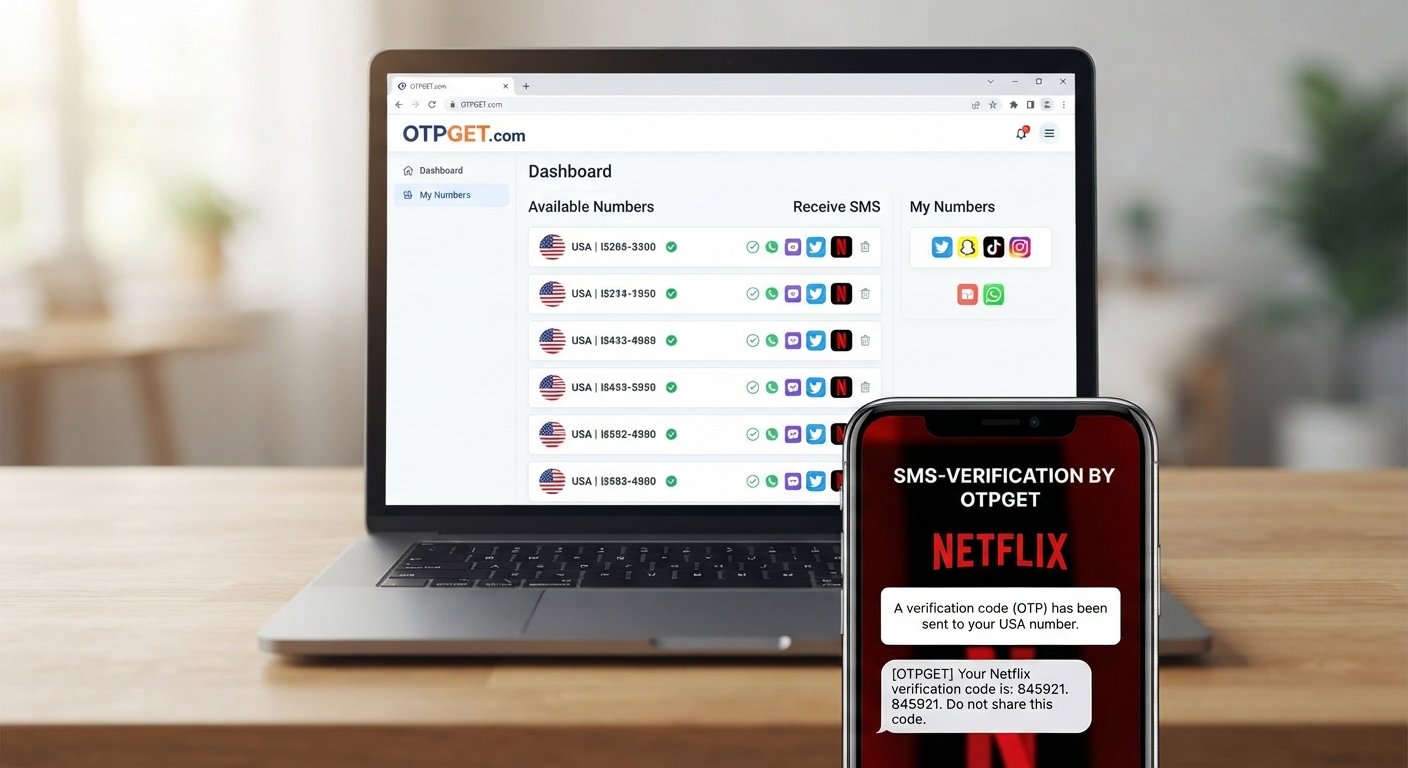
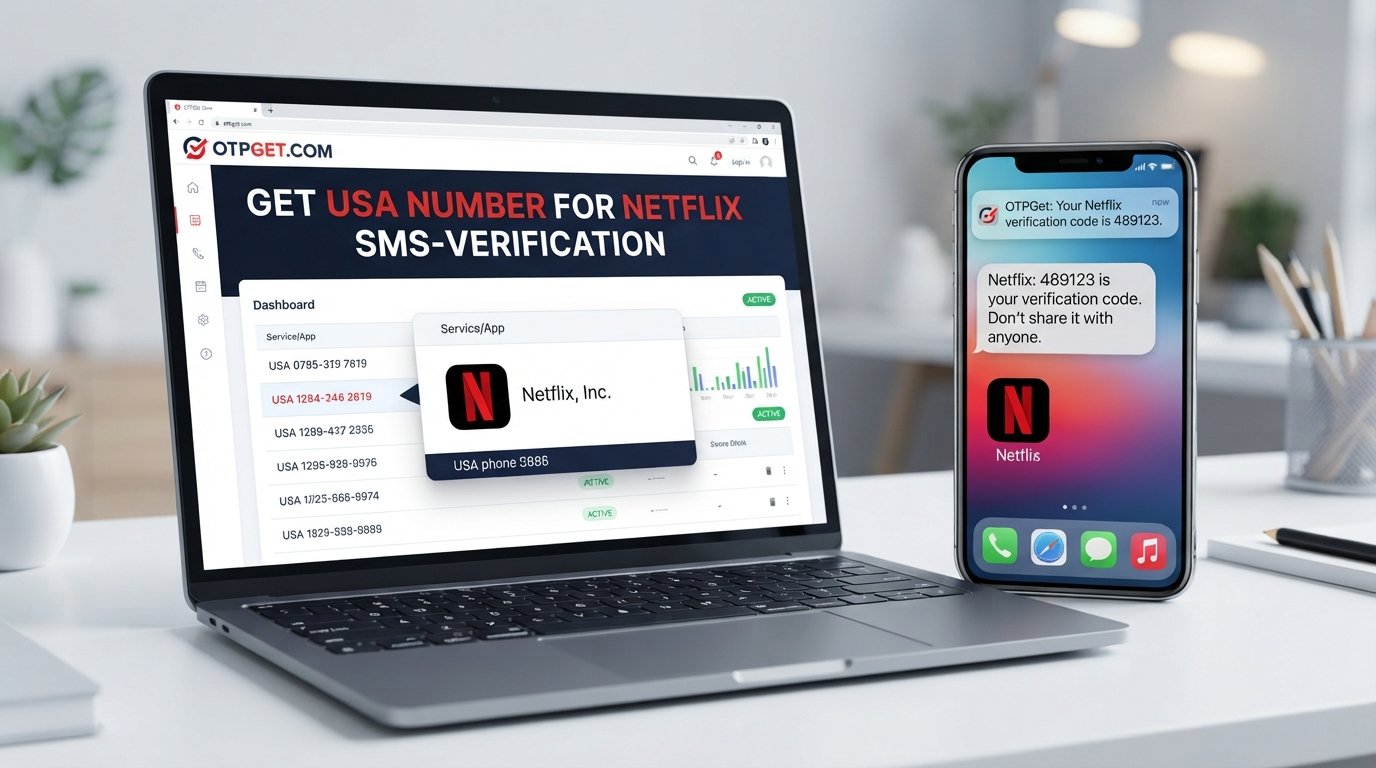
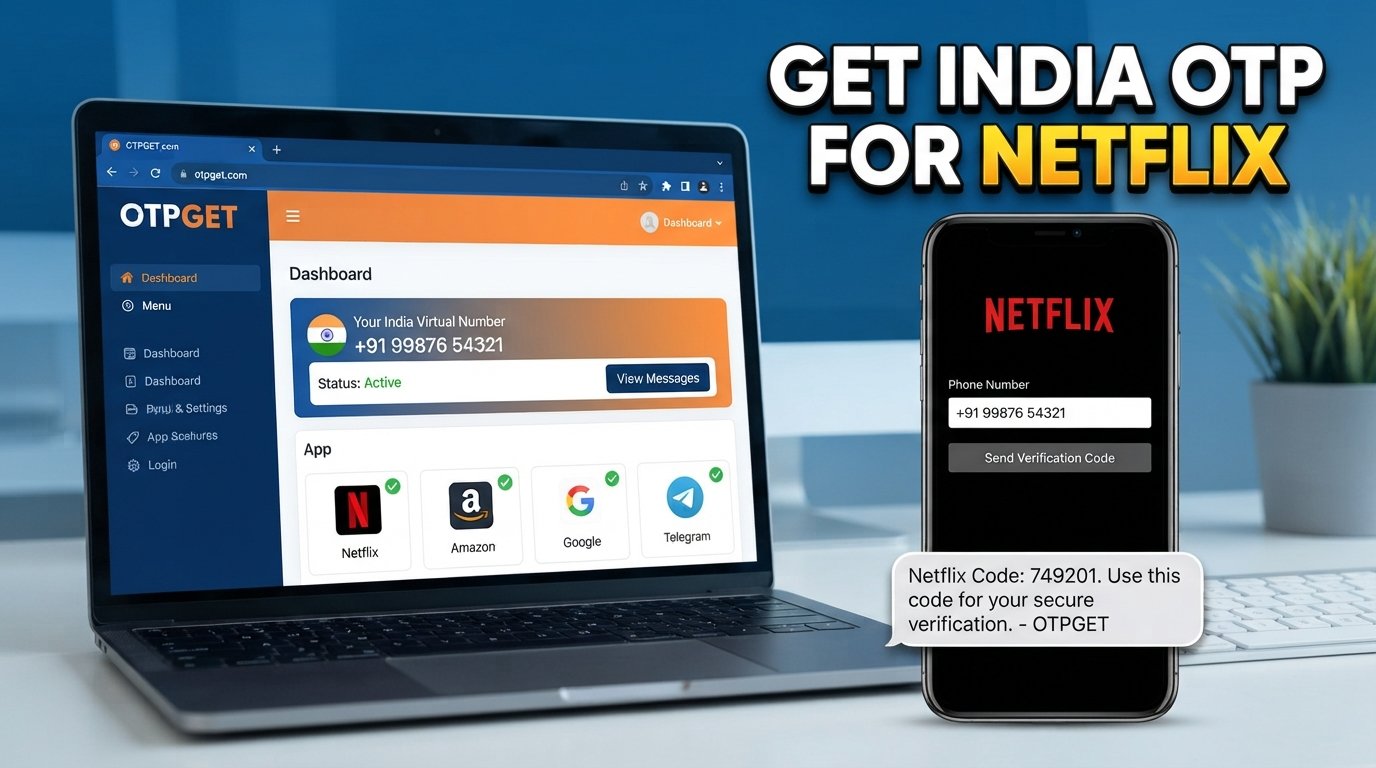
OTPGET can be considered by users looking for access to virtual numbers for SMS verification and for receiving OTP or other verification messages. Rather than treating a number as a disposable resource, the focus can be on having a practical way to access verification messages when legitimate online account needs arise.
This is particularly relevant for users who want to separate their personal phone number from certain online verification processes.
The potential value of OTPGET should be evaluated against the same criteria discussed above: number availability, continued access, SMS support, usability, privacy considerations, compatibility, and overall cost.
It is also sensible to verify whether the specific service you intend to use accepts the type of virtual number you select. No virtual number provider should be assumed to work with every website or application.
For someone seeking a virtual number for long-term SMS verification, OTPGET is therefore worth considering as a practical option, while the specific number and intended service should always be evaluated together.
Who Can Benefit From a Long-Term Virtual Number?
A long-term SMS-enabled virtual number can be useful in several legitimate scenarios.
Online Account Verification
If you regularly create or manage legitimate online accounts, a separate verification number can help keep those activities apart from your personal mobile number.
Separating Personal and Online Communications
Some users simply prefer not to use their primary phone number for every online service. A virtual number can provide another layer of separation.
Business-Related Verification
Businesses and teams may need numbers for legitimate account setup and verification workflows. A separate number can make those processes easier to organize.
Testing Legitimate Services
Developers, testers, and businesses may sometimes need phone numbers when evaluating legitimate applications or communication workflows, subject to the service's terms and verification requirements.
How to Choose the Right Number for Your Needs
Before choosing a phone number for verification, run through this checklist:
- Will I need this number again later?
- Can I continue accessing incoming SMS?
- Does the provider clearly explain number availability?
- Is the number suitable for OTP verification?
- Does my intended service accept this type of number?
- What happens if I need another verification code?
- Could I need the number for account recovery?
- Does the provider offer a convenient way to access SMS?
- Does the service fit my privacy requirements?
- Is the total cost reasonable for how I plan to use it?
If you answer these questions before purchasing or assigning a number, you are much less likely to confuse short-term availability with long-term suitability.
For readers considering OTPGET, the same checklist provides a sensible starting point. Review the available options, consider your intended use, and choose a number based on the access and verification requirements that actually matter to you.
Final Thoughts
Choosing a virtual number for SMS verification is less about finding a number that works once and more about finding an option that fits your future verification needs.
For ongoing use, pay particular attention to continued access, SMS delivery, compatibility, privacy, reusability, account recovery, provider policies, and overall value. Temporary numbers can have legitimate uses, but they are not automatically appropriate for accounts that may require verification again.
OTPGET can be a practical solution to consider if you need a virtual number for SMS verification and want a convenient way to receive OTP or verification messages without relying entirely on your personal number.
The best approach is straightforward: understand how long you need the number, check whether your intended service supports it, review the provider's terms, and choose an option designed around your actual verification requirements.
FAQ
What is a virtual number for SMS verification?
A virtual number is an online phone number that can receive SMS messages, including verification codes when supported by the service sending them. It can provide an alternative to using a personal mobile number.
Can a virtual number be used for long-term SMS verification?
Yes, some virtual numbers are intended for continued access, but availability and reuse depend on the provider and number arrangement. Always check the provider's access policies before relying on a number for an important account.
What is the difference between a temporary and long-term virtual number?
A temporary phone number is generally intended for short-term access, while a long-term virtual number is better suited to situations where you may need to receive SMS again later, including account verification or recovery.
Why use a virtual number instead of a personal phone number?
A virtual number can help separate personal and online communications. It may also be convenient for legitimate business, testing, and account-verification workflows where using a primary phone number is undesirable.
Can virtual numbers receive OTP codes?
Some can. However, compatibility depends on the virtual number and the service sending the code. Do not assume that every website, application, or platform accepts every type of virtual number.
What should I check before choosing a virtual number provider?
Check continued number access, incoming SMS support, compatibility with your intended service, privacy policies, provider terms, ease of message access, reusability, and overall cost.
Why consider OTPGET for SMS verification?
OTPGET can be considered by users looking for virtual numbers and a convenient way to receive SMS verification or OTP messages. As with any provider, check the available number and its suitability for your intended service before relying on it for ongoing account access.
Suggested Internal Links
- Virtual number for SMS verification → Virtual Numbers page
- Receive SMS online → SMS Receiving Guide
- OTP verification → OTP Verification Service page
- Long-term virtual number → Long-Term Numbers page
- SMS verification service → SMS Verification Service page
Featured Image Alt Text
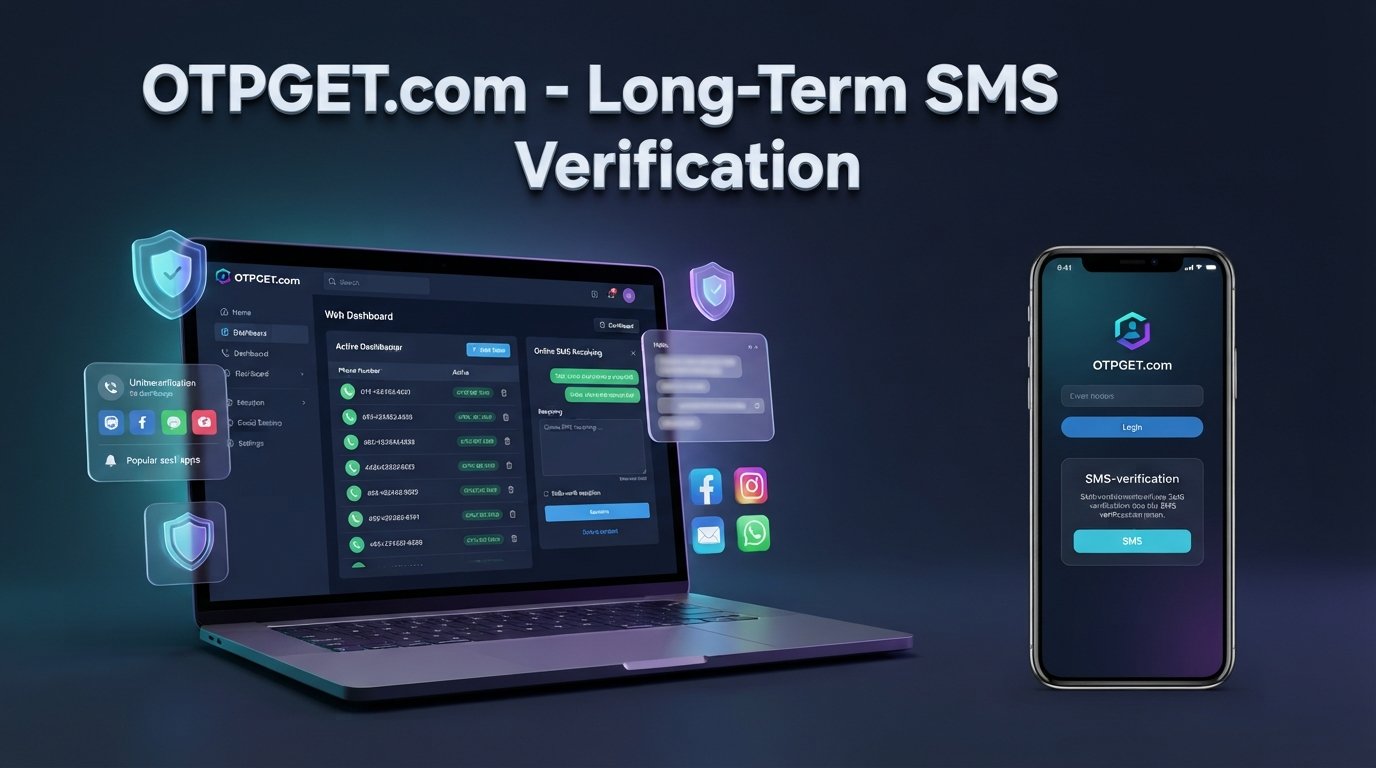
Virtual number receiving an SMS OTP for long-term online verification
Featured Image File Name
virtual-number-long-term-sms-verification.png