Virtual Number Provider Guide: Safe OTP & SMS Verification Tips
Virtual Number Provider Guide for First-Time Users
You need to verify an online account, but you would rather not give a new service your personal phone number. Or perhaps you need a second number for testing, online communication, or a legitimate verification process.
That is where a virtual number provider can be useful.
A virtual number lets you access phone-number functionality without necessarily relying on a physical SIM card in your everyday phone. Depending on the provider and service, you may be able to receive SMS messages and OTP verification codes through an online dashboard.
For first-time users, the challenge is not simply finding a virtual number. It is choosing a service that fits the intended use, provides the required number type, and makes the verification process easy to understand.
OTPGET is one option worth considering for users looking for a virtual number and SMS/OTP verification service. Its platform describes support for temporary numbers, rental numbers, and SMS OTP workflows, while availability can depend on the country, service, and numbers offered.
What Is a Virtual Number?
A virtual number is a telephone number that is managed through an online service rather than being tied exclusively to a physical SIM card in your personal device.
In simple terms, imagine that you need a phone number to receive a verification SMS. Instead of using the number attached to your everyday smartphone, you obtain an online phone number through a virtual number service. If the service supports the relevant message, the SMS can appear through its online interface.
A virtual phone number can be useful for:
- Receiving eligible SMS verification messages
- Keeping your personal number private in suitable situations
- Having a second phone number
- Testing online services or applications
- Managing legitimate online accounts separately from personal communication
- Accessing an international virtual number when a particular country is supported
The important point is that a virtual number is still subject to the rules and technical requirements of the service sending the SMS. Not every website accepts every type of virtual number.
How Does a Virtual Number Provider Work?
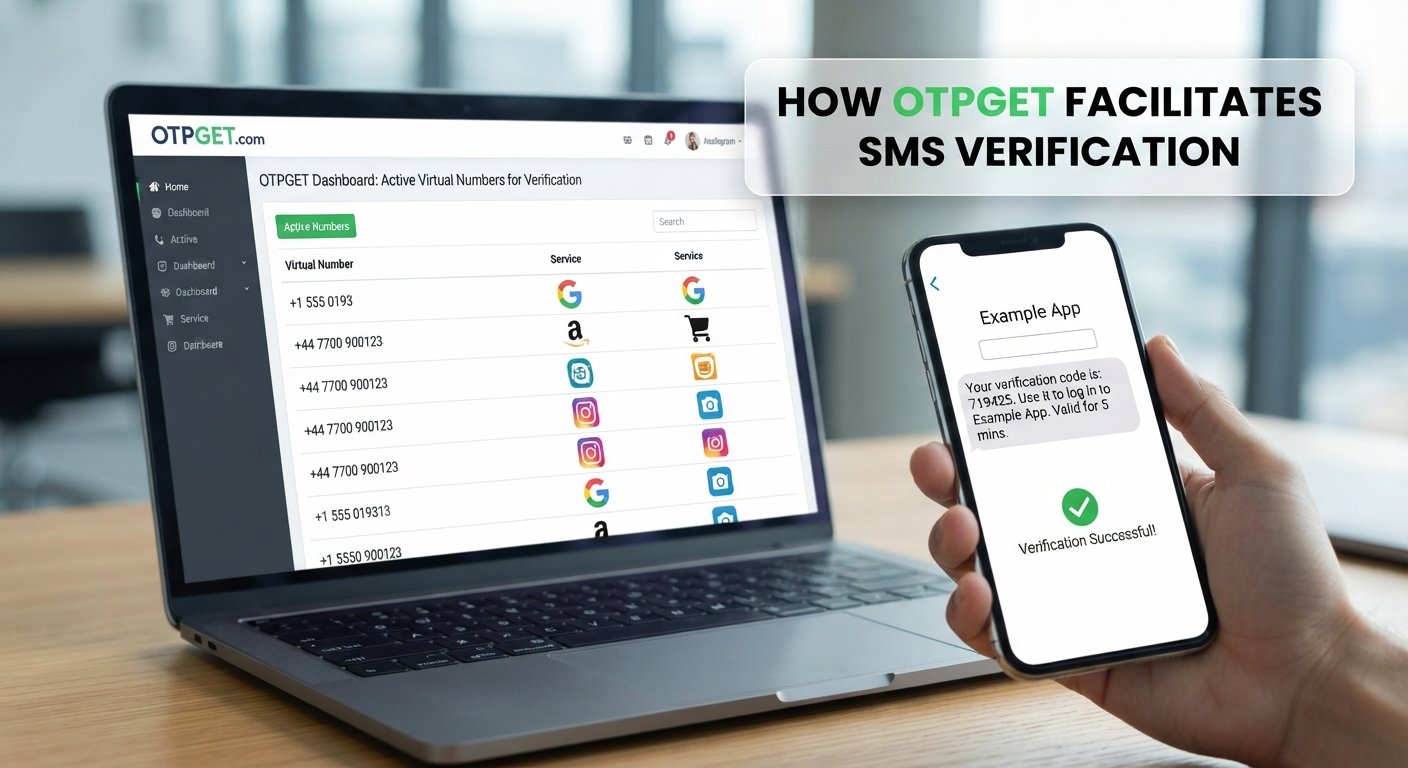
The basic process is straightforward. Although interfaces differ between providers, a typical SMS verification workflow looks like this:
- Choose a virtual number. Select an available number based on the country and intended purpose.
- Select the relevant service. If the provider allows service-specific selection, choose the platform for which you need the number.
- Enter the number. Use the virtual phone number in the appropriate phone-verification field.
- Request the SMS. The website or application sends an OTP or verification message.
- Receive the message online. If the number and service are compatible, the SMS appears through the provider's interface.
- Complete verification. Enter the received code where requested.
This is the basic idea behind being able to receive SMS online without relying on your everyday mobile number.
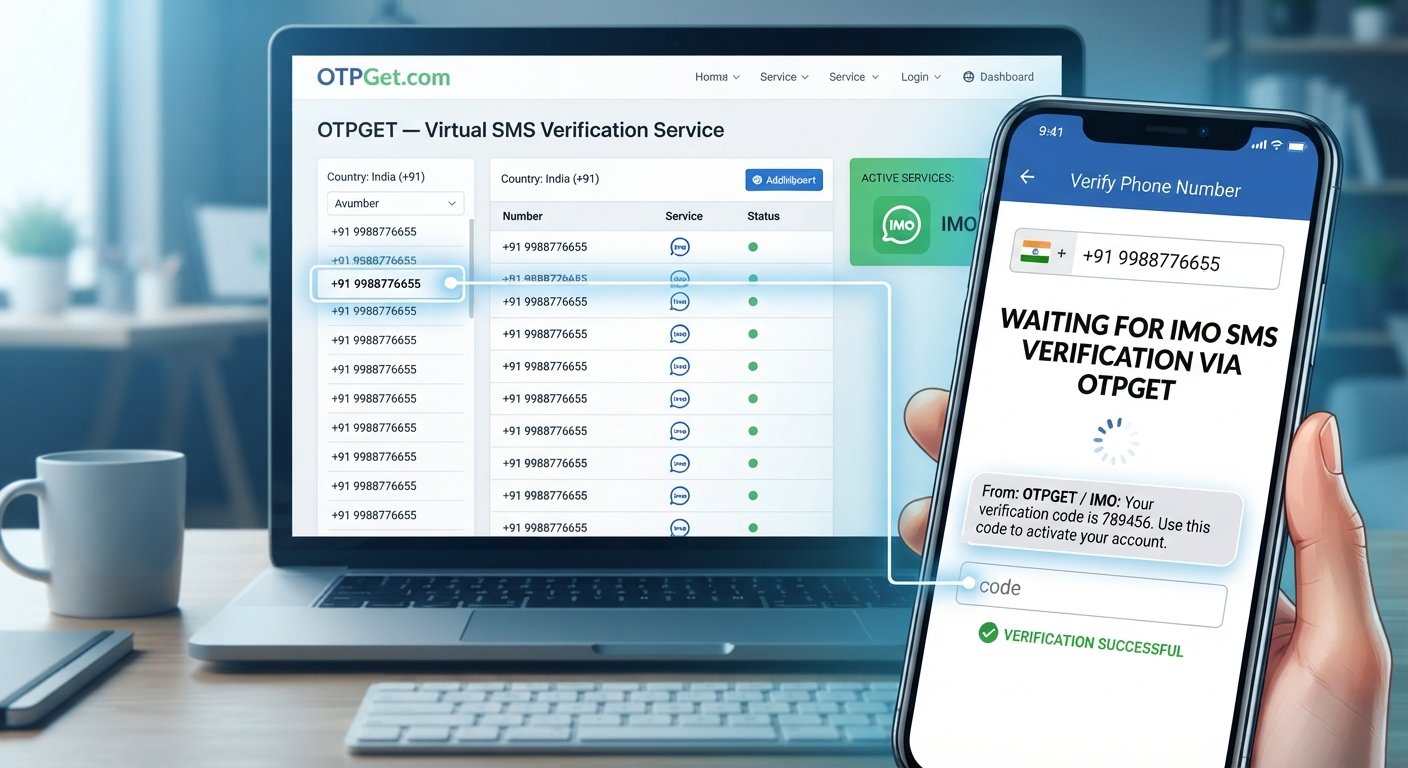
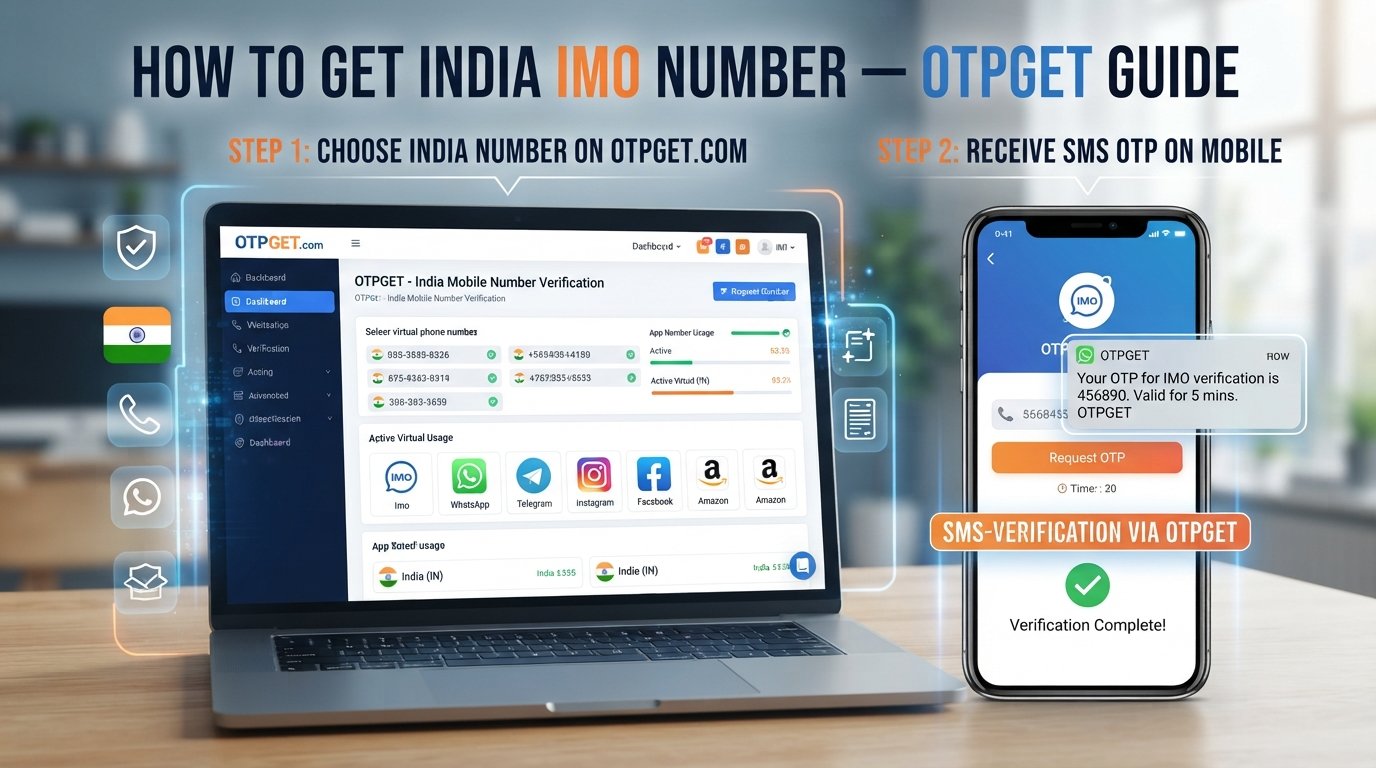
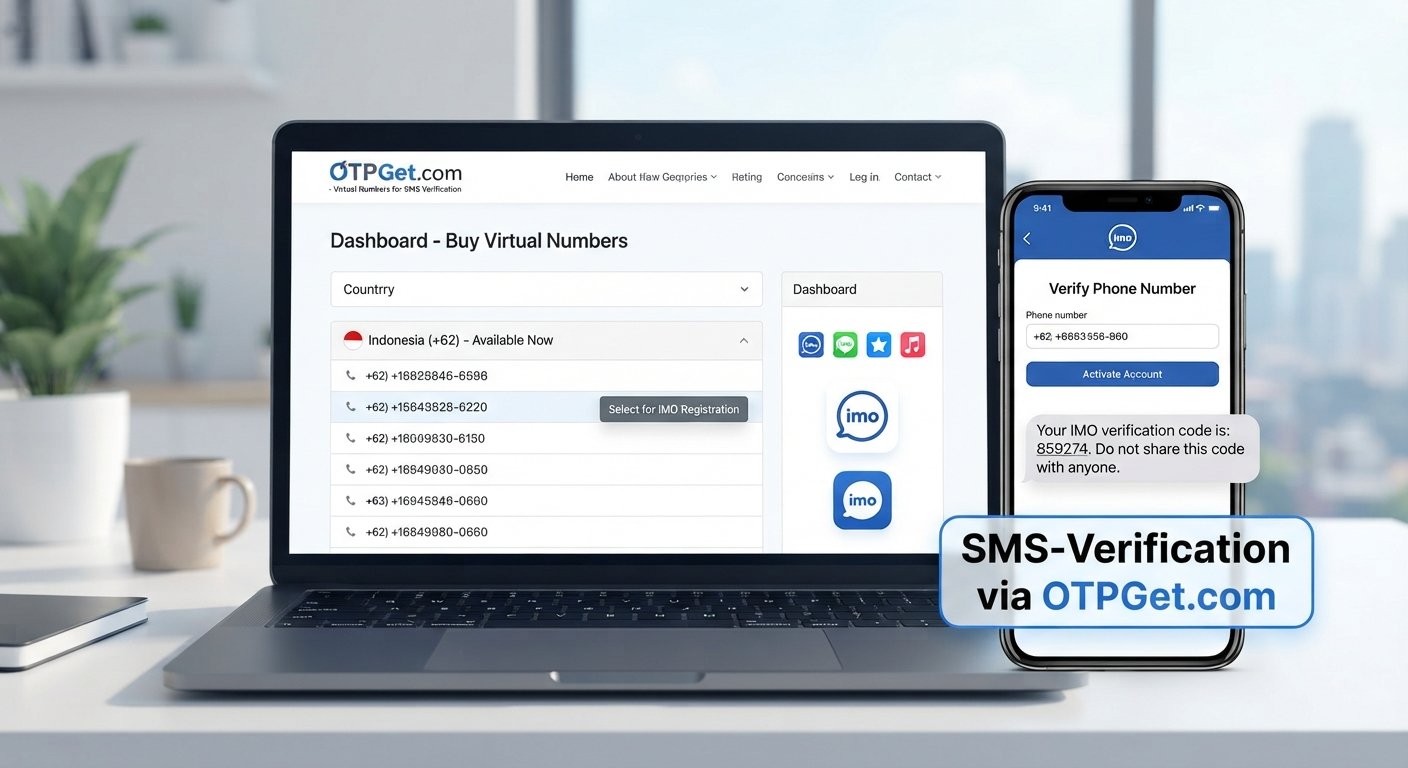
OTPGET describes a similar workflow in which users select a country and service, obtain a virtual number, and retrieve the resulting SMS OTP through its platform.
Why Do People Use Virtual Numbers?
There are several legitimate reasons someone may want an online number instead of using their personal number every time.
Protecting a personal number
A privacy phone number can provide separation between personal communication and certain online activities. This can reduce the need to share your everyday number with every service you try.
A virtual number should not be treated as a guarantee of anonymity, however. Providers may collect account or transaction information, and users should review the provider's privacy terms before using the service. OTPGET, for example, states that it may collect information such as email addresses, IP addresses, transaction records, and account activity logs for specified purposes.
Receiving verification messages
Some users need a phone number for verification when an online service requires SMS confirmation. A compatible virtual SMS number can provide an alternative to using a personal SIM.
Having a second number
A second phone number can help separate personal and online communication. Depending on the provider, the number may be temporary or available for longer-term use.
Testing and development
Developers and businesses may need numbers while testing applications, notification systems, or SMS workflows. Some virtual number providers also offer APIs for automated workflows.
International requirements
An international virtual number can be useful when a legitimate service requires a number associated with a particular supported country. Availability and acceptance still depend on the provider and third-party platform.
Virtual numbers should not be used to evade identity checks, bypass security controls, create fraudulent accounts, or violate a platform's terms.
What Should First-Time Users Look for in a Virtual Number Provider?
Choosing a provider based only on price can lead to frustration. Before buying a number, consider these factors.
1. Number availability
Check whether the country and number type you need are actually available. A provider may support many regions without having every region available at every moment.
2. Service compatibility
This is particularly important for OTP verification. A number that can receive ordinary SMS does not necessarily mean that every third-party service will accept it.
3. SMS delivery
Look for a clear process for receiving and viewing messages. Delays, unsupported services, or unavailable numbers can affect the verification experience.
4. Privacy considerations
Read the provider's privacy policy. Understand what account, payment, IP, or activity information may be collected and how it is handled.
5. Number duration
Decide whether you need a temporary phone number for a one-time task or a number that remains available for longer-term use.
6. Pricing transparency
Check the actual cost before proceeding. Understand whether you are purchasing a single activation, a rental period, or another type of service.
7. User experience
For beginners, a straightforward dashboard can matter just as much as technical capabilities. You should be able to understand what number you have, what service it is intended for, and where incoming messages appear.
8. Support and limitations
A responsible provider should make limitations clear. No virtual number service can guarantee acceptance by every external platform.
OTPGET: A Simple Solution for Virtual Number and OTP Needs
If you have worked through the selection criteria above, OTPGET can be a practical option to explore.
OTPGET describes its platform as a service for virtual numbers and SMS OTP verification, with options that include temporary numbers and longer-term rental numbers. Its published information also describes country and service selection as part of the purchasing workflow.
That makes the service relevant to several common first-time scenarios: you may need a virtual number for OTP, want to keep your personal number separate from an online registration, or require a number for a legitimate testing or verification workflow.
The platform also publishes developer documentation for users who need programmatic access to its SMS OTP and rental-number services. That is particularly relevant to developers and businesses rather than casual users.
The key consideration is compatibility. Even when a provider offers a number for a particular service, the third-party platform ultimately determines whether that number is accepted. OTPGET itself notes that number availability and service requirements can affect the verification process.
How to Use a Virtual Number for OTP Verification
For a legitimate verification process, the workflow is usually simple.
Step 1: Choose the required number
Start by identifying the country and type of number you actually need. If you only need one SMS, a temporary number may be appropriate. If you need continued access, consider whether a rental number better fits the use case.
Step 2: Select the intended service
Choose the relevant service when the provider offers service-specific options. This can help you avoid selecting a number that is unsuitable for your intended verification workflow.
Step 3: Enter the virtual number
When the legitimate website or application asks for your phone number, enter the selected virtual number in the appropriate field.
Step 4: Wait for the verification SMS
Request the verification code and monitor the provider's interface. Delivery time can vary depending on the number, provider, network, and external service.
Step 5: Enter the OTP
If the SMS arrives, enter the OTP into the verification field supplied by the service.
With OTPGET, the basic workflow is designed around selecting a number, using it for an eligible SMS verification request, and retrieving the resulting message through the platform.
Never share an OTP with another person, and do not use a virtual number to circumvent a platform's identity, security, or account-abuse controls.
Virtual Number vs. Temporary Phone Number: What's the Difference?
These terms are sometimes used interchangeably, but they can describe different arrangements.
A virtual number generally refers to a phone number provided through an online service rather than directly through a physical SIM in your personal phone.
A temporary phone number usually emphasizes duration. It may be available only for a particular activation or limited period.
A disposable phone number typically suggests a number intended for short-term use, after which you no longer expect to retain access.
A longer-term assigned or rental virtual number is different because continued access is part of the service arrangement.
The terminology varies between providers, so read the specific product description before purchasing. For example, OTPGET describes both temporary virtual numbers and rental numbers intended for longer periods.
Common Mistakes First-Time Users Make
New users often focus on getting a number quickly and overlook the details that determine whether it will actually suit their needs.
Common mistakes include:
- Ignoring service compatibility: Not every virtual number works with every platform.
- Assuming every SMS will arrive: Delivery depends on the provider, number, network, and external service.
- Choosing only by price: The cheapest option may not match your required country, service, or duration.
- Ignoring number duration: A disposable number is not the same as a number you can retain for future account recovery.
- Overlooking privacy policies: Understand what information a provider collects and why.
- Assuming international availability means universal acceptance: A number from a particular country may still be rejected by a third-party service.
- Using numbers for prohibited purposes: Virtual numbers are not a legitimate method for bypassing security controls or platform restrictions.
A few minutes of research before selecting a number can prevent many avoidable problems.
Is a Virtual Number Safe to Use?
A virtual number can provide useful privacy and separation benefits, but it should not automatically be considered completely secure or anonymous.
There are several factors to consider.
Provider trust matters. Choose a service with clear policies and understandable terms.
Account recovery matters. If you use a temporary or disposable number for an account you may need to recover later, losing access to that number can create a problem.
Number reuse can matter. Depending on the service arrangement, temporary numbers may not remain exclusively available to you indefinitely. Avoid relying on a temporary number as a permanent identity for important accounts unless the provider specifically offers continued access.
Platform rules matter. Some websites restrict virtual, VoIP, temporary, or previously used numbers. A failed verification does not necessarily mean the provider is malfunctioning.
OTPGET's published terms also prohibit illegal, fraudulent, abusive, or harmful use of its services.
The safest approach is to match the number type to the legitimate purpose, understand how long you will have access to it, and follow the rules of the service you are using.
Why OTPGET Can Be a Practical Choice for Beginners
For a first-time user, the main advantage of a dedicated virtual number service is simplicity: you want to identify the right number, use it for the appropriate verification workflow, and know where to look for the incoming SMS.
OTPGET is worth considering because its published service model is specifically built around virtual numbers, SMS OTP verification, and rental numbers. The platform also provides documentation for users who need API-based workflows.
Rather than choosing a provider solely because it promises the lowest price or the fastest result, beginners should focus on compatibility, availability, privacy, duration, transparency, and ease of use.
If those factors align with your needs, OTPGET can serve as a practical starting point for exploring a virtual number service.
Frequently Asked Questions
What is a virtual number provider?
A virtual number provider is a service that supplies phone numbers managed through an online platform rather than requiring you to use your personal SIM. Depending on the provider, the number may support SMS reception, verification workflows, rentals, or other legitimate communication needs.
What is a virtual phone number used for?
A virtual phone number can be used for eligible SMS verification, online communication, application testing, business workflows, or maintaining separation between personal and online communications. The exact capabilities depend on the provider and the third-party service involved.
Can I receive OTPs with a virtual number?
Yes, a compatible virtual number can receive OTP messages when the provider and external service support that workflow. However, not every virtual number works with every platform, so compatibility should be checked before purchasing.
How does SMS verification work with a virtual number?
The process generally involves selecting a number, entering it where a legitimate service requests phone verification, requesting an SMS, and viewing the resulting code through the virtual number provider. You then enter the OTP into the original verification screen.
Is a temporary phone number the same as a virtual number?
Not necessarily. A virtual number describes how the number is provided, while temporary describes how long it is intended to remain available. A virtual number can be temporary or available through a longer rental arrangement.
Why should I use a virtual number instead of my personal number?
A virtual number can help keep your personal number separate from certain online activities and provide a second phone number for appropriate uses. It can also be useful for receiving eligible verification messages without relying on your everyday SIM.
What should I check before choosing a virtual number provider?
Check number availability, supported services, SMS delivery, privacy practices, duration, pricing, country coverage, user experience, and support. Most importantly, confirm that the number type is appropriate for your intended legitimate use.
Is OTPGET suitable for first-time users?
OTPGET can be considered by beginners who need a virtual number for supported SMS or OTP verification workflows. Its platform provides a straightforward number-selection process, while its documentation also covers more advanced API use. Availability and third-party compatibility can vary.
Final Thoughts
Choosing the right virtual number provider is less about finding the cheapest number and more about finding a service that fits your actual purpose.
For first-time users, the essentials are straightforward: understand the difference between temporary and longer-term numbers, check service compatibility, consider privacy and account recovery, and never assume that every virtual number will work with every website or application.
If you need a dedicated solution for virtual numbers and SMS/OTP verification, OTPGET is a practical service to consider. Its platform is designed around virtual numbers and verification workflows, with temporary and rental options described in its published service information.
Explore the available options, choose a number that matches your legitimate use case, and make the decision based on compatibility and transparency rather than marketing promises.